


The African penguin, once abundant along South Africa’s coastline, is now on the brink of extinction. With populations declining by 97% over the last century, urgent action was needed. In a groundbreaking agreement, conservationists and the fishing industry have joined forces to establish no-fishing zones, offering a glimmer of hope for this endangered species.
A Desperate Fight for Survival
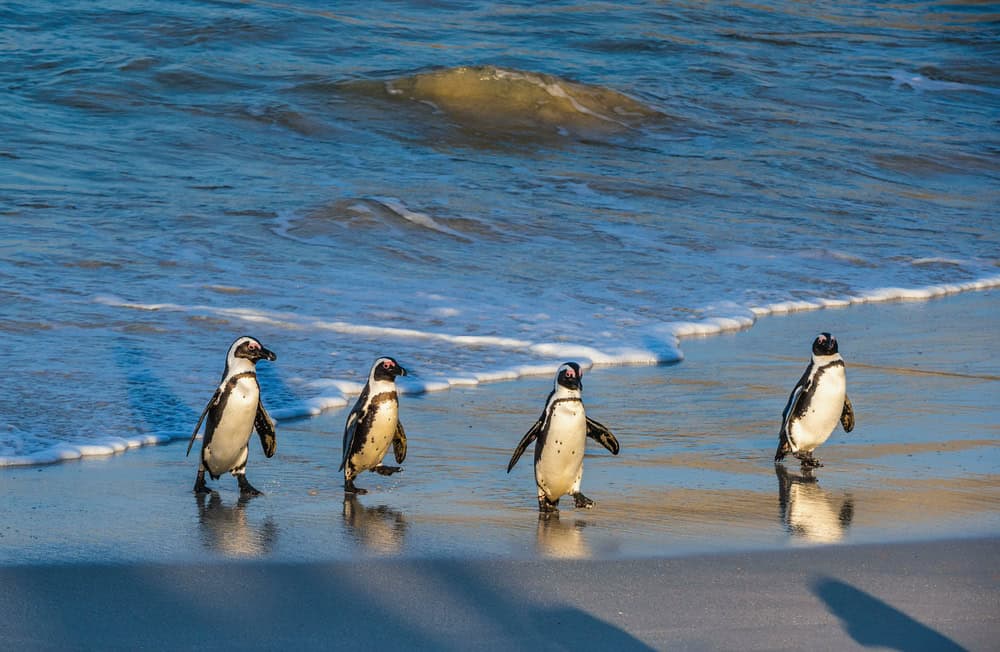
African penguins have suffered from habitat loss, climate change, and dwindling fish stocks. Their primary food sources—sardines and anchovies—have become scarce due to overfishing. With fewer than 10,000 breeding pairs left, experts warned that without intervention, these iconic birds could disappear by 2035.
A Groundbreaking No-Fishing Agreement

In a crucial last-minute deal, fishing restrictions have been placed around key penguin breeding sites, including Robben Island near Cape Town and Bird Island near Gqeberha. A 12-mile fishing exclusion zone will now protect these areas, ensuring penguins have access to food, especially during breeding seasons.
Balancing Conservation and Industry Needs
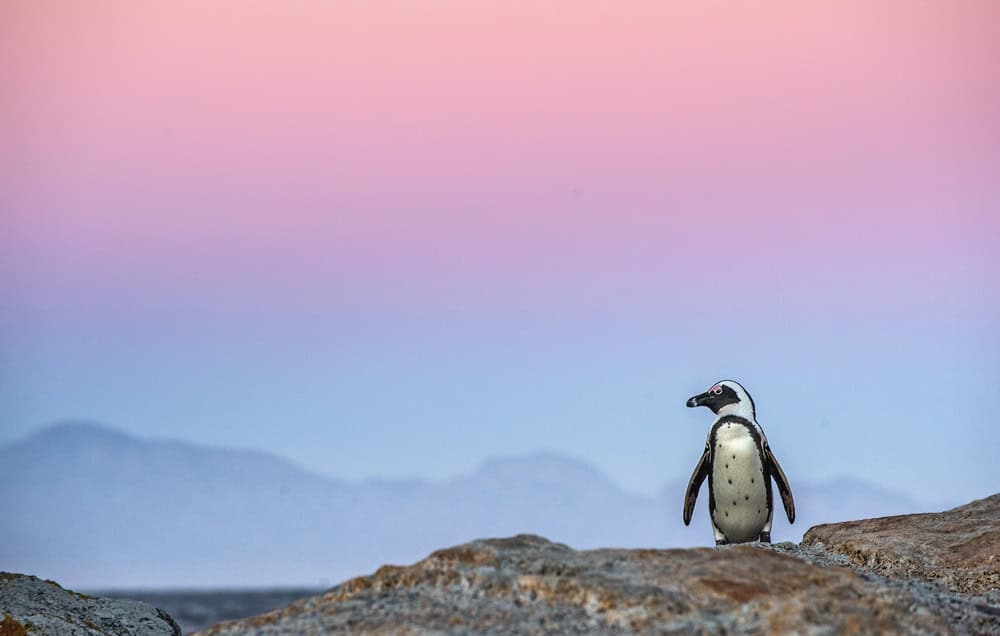
This agreement represents a historic compromise between conservationists and the fishing industry. For years, both sides debated the impact of fishing on penguin populations. Now, they have agreed on a decade-long plan, with a review set for six years to evaluate its effectiveness for both the penguins and fisheries.
Why This Decision Matters

The decline of African penguins signals deeper ecological problems. As top predators in the marine ecosystem, their survival affects the health of the ocean. By ensuring their food supply, scientists hope this initiative will create a ripple effect, benefiting other marine species as well.
Hope for the Future

While this agreement is a major step forward, continued efforts are needed to monitor its impact. Conservationists stress that protecting penguin populations requires ongoing research, habitat restoration, and public awareness. With immediate action in place, there is now a fighting chance to save Africa’s only native penguin species from vanishing forever.

adventuring, photography and videography. I am currently working towards a BSc in Biodiversity and Ecology at Stellenbosch University to go on to specialise in Marine Sciences one day.
Please send any feedback to Feedback@animalsaroundtheglobe.com
- Watch As A Cow Jumps Onto A Roof - July 21, 2026
- Top 21 Must-see Birds For Bird Watchers In America - July 20, 2026
- Italy Mourns Hero Police Dog Killed by Food Laced with Nails - July 20, 2026