

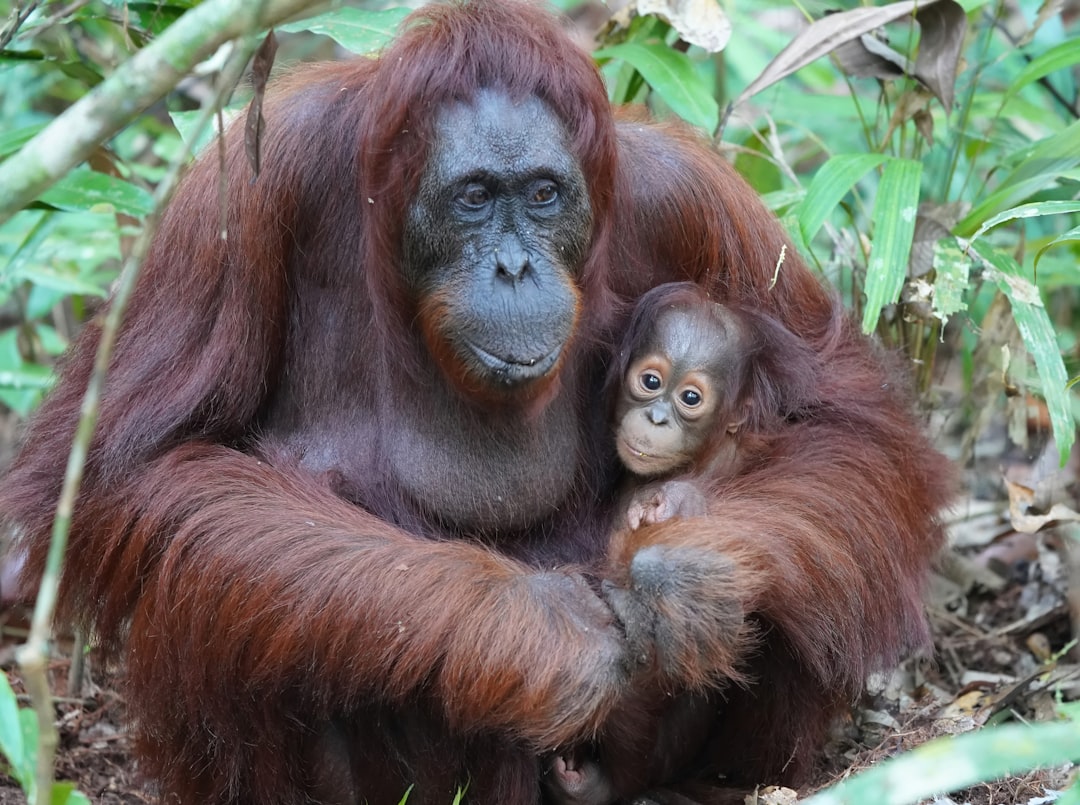
Madrid – The Zoo Aquarium de Madrid announced the arrival of a male Borneo orangutan, a species classified as critically endangered. Born in the early hours of April 2 after an eight-and-a-half-month pregnancy, the infant weighs approximately 1.5 kilograms.[1][2] Keepers described the newborn as strong and developing normally under the attentive care of its mother, Surya. This event underscores ongoing efforts to bolster populations of one of the world’s most threatened great apes.
A Promising Start for the Infant
The birth occurred naturally within the zoo’s orangutan enclosure, where staff monitored the process closely. Surya, an experienced mother, has not let the baby out of her sight since delivery. The infant feeds regularly and shows all signs of healthy development, according to zoo reports.[3]
Experts at the facility expressed optimism about the newborn’s progress. Such births remain rare in captivity, making this one a notable achievement. The zoo’s veterinary team conducted initial assessments without disturbing the family bond.
Understanding the Borneo Orangutan
Borneo orangutans, or Pongo pygmaeus pygmaeus, inhabit the rainforests of Borneo, where their numbers have dwindled due to habitat destruction and poaching. The International Union for Conservation of Nature lists them as critically endangered, highlighting the urgency of protective measures.[4]
These intelligent primates share about 97 percent of their DNA with humans and play vital roles in seed dispersal within their ecosystems. Adults typically weigh between 30 and 90 kilograms, with males developing prominent cheek pads as they mature. Gestation lasts around 8.5 months, aligning with the recent event at Madrid.
Conservation Challenges and Zoo Contributions
Deforestation driven by palm oil plantations and logging poses the greatest threat to Bornean orangutans. Illegal wildlife trade further exacerbates population declines. Captive breeding programs, coordinated across European zoos, aim to maintain genetic diversity and support reintroduction initiatives.
- Habitat loss accounts for the majority of declines in wild populations.
- Zoos participate in the European Endangered Species Programme (EEP) for orangutans.
- Successful births like this one help sustain assurance populations.
- Public awareness campaigns complement breeding efforts.
- Rehabilitation centers in Borneo release confiscated orangutans back into protected areas.
The Madrid Zoo Aquarium contributes through its involvement in these programs. Staff emphasize education alongside breeding, with visitors learning about threats facing the species. This birth bolsters the zoo’s reputation in primate conservation.
Looking Ahead for the Family
Plans include a public naming contest for the infant, allowing visitors to participate in selecting from keeper-proposed options.[5] The zoo anticipates gradual introductions to the public view once the baby grows stronger. Surya’s fatherly counterpart in the group also plays a role in the social dynamics.
Long-term, the young orangutan could participate in breeding efforts or serve as an ambassador for its wild counterparts. Zoo officials stressed the importance of sustained funding for field conservation projects.
Key Takeaways
- The newborn male Borneo orangutan weighs 1.5 kg and thrives under maternal care.
- Borneo orangutans face critical threats from habitat loss and require global action.
- Captive births support broader conservation strategies across zoos.
This birth at Madrid Zoo Aquarium offers a beacon of hope amid pressing environmental challenges. It reminds us that targeted interventions can yield positive outcomes for endangered species. What steps can individuals take to support orangutan conservation? Share your thoughts in the comments.

- Urban Coyotes Show Remarkable Adaptability, Learning to Thrive in City Environments - July 22, 2026
- Beavers Are Nature’s Engineers, Creating Vital Habitats for Other Wildlife Species - July 21, 2026
- The Recovery of the California Condor Offers Hope for Other Critically Endangered Birds - July 21, 2026