
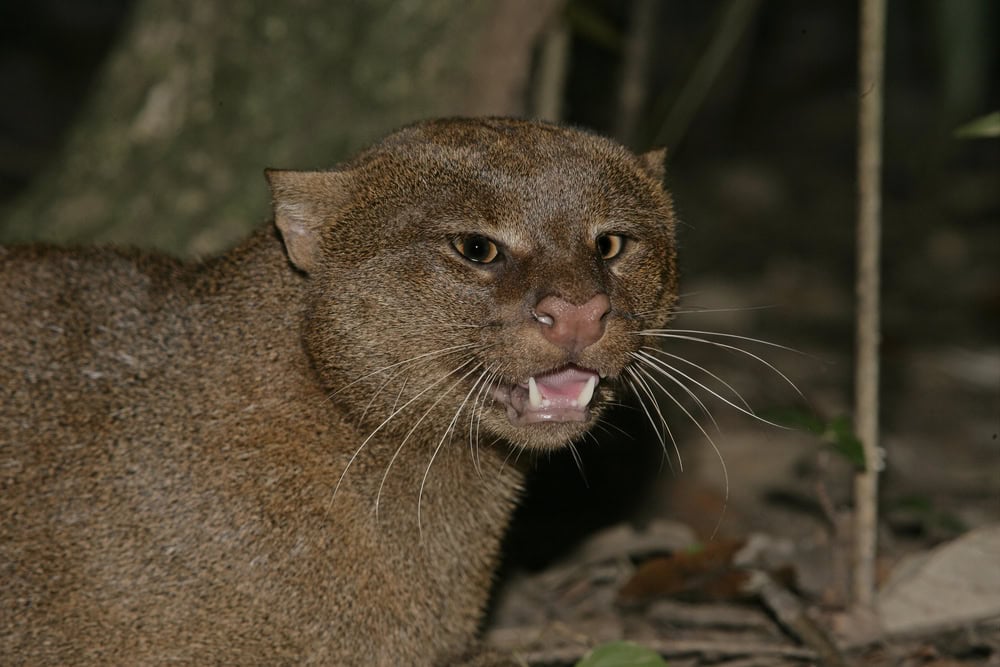
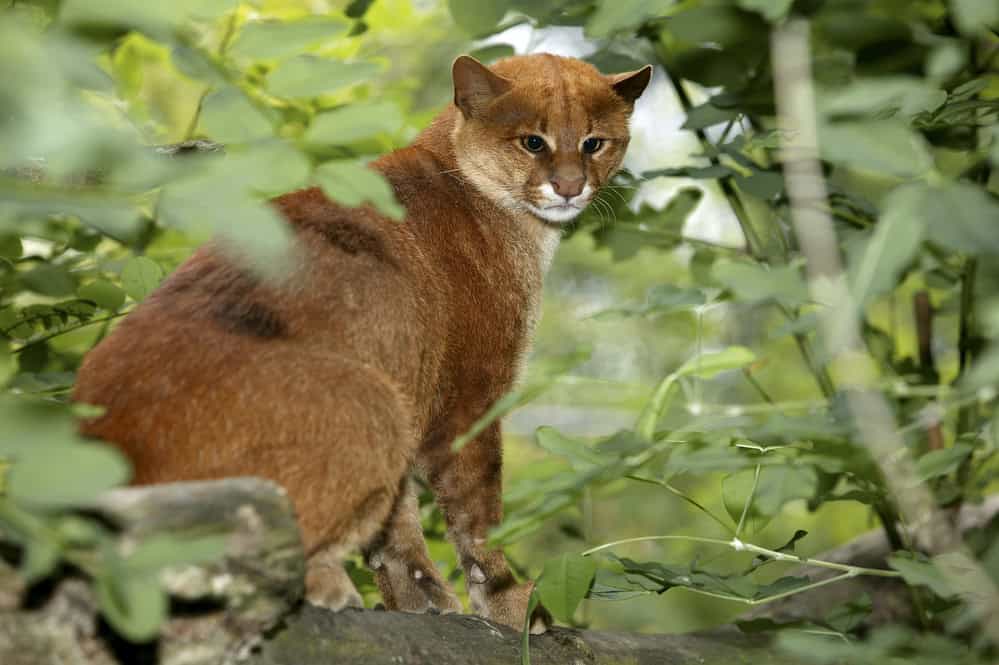
A jaguarundi is a small to medium-sized wildcat native to Central and South America, known for its sleek body, short legs, and fur that ranges from grayish-brown to reddish-brown. This wildcat has 13 different ways of making sounds and communicating with other animals. Often mistaken for an otter due to its appearance, it’s an agile predator that hunts small mammals, birds, and reptiles in diverse habitats like forests, scrublands, and mountains. Jaguarundis communicate through a variety of vocalizations and play a crucial role in their ecosystems as predators.
Unusual Appearance

🔥 Would you like to save this?
We'll email this post to you, so you can come back to it later!
The jaguarundi is a wildcat with a distinctive look, often mistaken for an otter due to its sleek, elongated body and short legs. Its fur can range from grayish-brown to reddish-brown, adapting to various habitats from forests to grasslands.
Size And Habitat

🔥 Would you like to save this?
We'll email this post to you, so you can come back to it later!
Despite its wildcat classification, the jaguarundi is small to medium-sized, typically weighing between 9 to 20 pounds. It thrives in diverse environments across Central and South America, from dense rainforests to scrublands and even mountainous regions.
Feeding Habits

🔥 Would you like to save this?
We'll email this post to you, so you can come back to it later!
This little wildcat is an opportunistic predator, preying on small mammals like rodents, birds, and even reptiles. It hunts both on the ground and in trees, using its agility and keen eyesight to locate prey.
Unique Vocalizations

🔥 Would you like to save this?
We'll email this post to you, so you can come back to it later!
Unlike other cats, the jaguarundi communicates through a variety of vocalizations, boasting up to 13 distinct sounds. These include chirps, whistles, purrs, and even a peculiar ‘chattering’ noise, each serving different purposes from mating calls to territorial warnings.
Adaptions For Survival
🔥 Would you like to save this?
We'll email this post to you, so you can come back to it later!
With its slender body and short legs, the jaguarundi is built for agility rather than speed. Its flexible spine allows it to navigate through dense vegetation and narrow spaces, making it a skilled hunter and adept at evading larger predators.
Mating And Reproduction

🔥 Would you like to save this?
We'll email this post to you, so you can come back to it later!
During mating season, which varies regionally, male jaguarundis compete for female attention through vocal displays and scent marking. After a gestation period of around 70 days, females give birth to litters of two to four kittens in secluded dens.
Conservation Status

🔥 Would you like to save this?
We'll email this post to you, so you can come back to it later!
The jaguarundi is losing its homes because of forests being cut down and people moving into its territory. Though it’s not endangered yet, in some places, there are fewer of them now. Conservationists are working hard to save the places where they live so they can keep on surviving.
Behavior And Social Structure
🔥 Would you like to save this?
We'll email this post to you, so you can come back to it later!
These wildcats are mostly solitary animals, except during mating and when raising young. They establish territories that they mark with scent glands, and although they may overlap with others’ territories, conflicts are typically avoided through vocal signals.
Human Interactions

🔥 Would you like to save this?
We'll email this post to you, so you can come back to it later!
As people build more, jaguarundis sometimes come near towns where they might be seen as dangers to farm animals. To help, conservationists teach ways for people and jaguarundis to share the land peacefully and show locals why it’s vital to protect these wildcats.
Role In Ecosystem

🔥 Would you like to save this?
We'll email this post to you, so you can come back to it later!
As predators, jaguarundis are essential to the control of small animal and avian populations. They contribute to the health and diversity of their habitats by keeping the environment in balance.
Adaptability

🔥 Would you like to save this?
We'll email this post to you, so you can come back to it later!
One of the reasons jaguarundis have survived in various environments is their adaptability. They can thrive in habitats altered by human activity, demonstrating resilience in the face of changing landscapes.
Future Outlook

🔥 Would you like to save this?
We'll email this post to you, so you can come back to it later!
With ongoing conservation efforts and awareness campaigns, there is hope for the jaguarundi’s future. Protecting its habitats and reducing human-wildlife conflicts are essential steps toward ensuring this unique wildcat continues to roam the forests and grasslands of the Americas.
More Articles You’d Like

- 10 Weird Facts About Some of the Rarest Marine Mammals - September 23, 2026
- 24 Puppies?! The World Records of Puppy Litters Ever Recorded - September 15, 2026
- The Fascinating Life of Nature’s Gracious Giant - September 14, 2026