

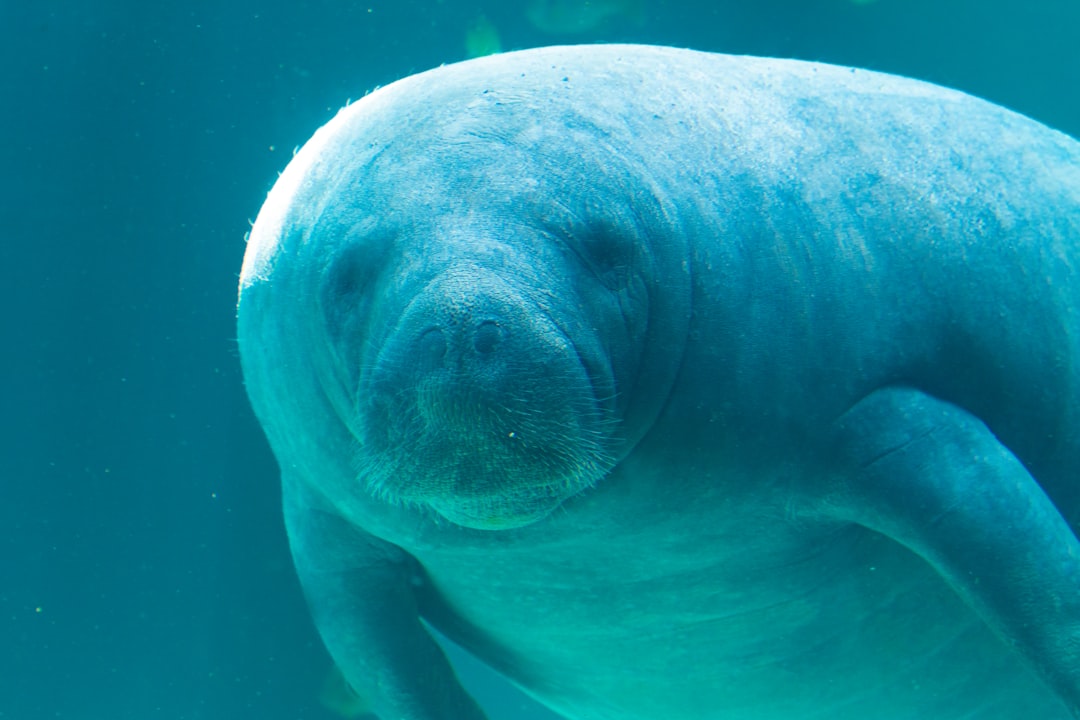
Melbourne Beach – City surveyors investigating a strange chirping noise beneath a roadway uncovered a nearly 7-foot manatee trapped in a storm drain. The animal, later named Melby after the nearby town, had ventured into the narrow concrete pipe seeking refuge from chilly waters during a recent cold snap. Rescuers from multiple agencies sprang into action, turning what could have been a fatal entrapment into a story of survival and recovery.[1]
A Desperate Plight in the Pipe
Surveyors in Melbourne Beach heard the unusual sounds under the road and peered into the storm drain. There, Melby wedged tightly in shallow water, unable to maneuver in the confined space. The manatee likely entered the pipe chasing warmer temperatures above 68 degrees Fahrenheit, a critical threshold for these cold-sensitive marine mammals during winter.[1]
Officials quickly alerted the Florida Fish and Wildlife Conservation Commission. Marine mammal biologist Blake Faucett assessed Melby and noted his alertness despite the ordeal. Exhaustion and visible scrapes marked the manatee’s condition after struggling in the tight quarters. Time became critical as dehydration and infection risks mounted.[1]
Coordinated Teams Tackle the Extraction
The University of Florida Animal Technical Rescue team, led by branch director Brandi Phillips, was conducting nearby training when the call arrived. They partnered with the Brevard County fire department for the operation. Rescuers determined a vertical lift was essential, securing government approvals that delayed action by several hours.[1]
Ventilation fans cleared the air inside the pipe. A firefighter in respiratory gear descended via ropes, covering Melby with a plastic sheet to protect him from falling debris. Brevard County Public Works crews removed more than 10,000 pounds of concrete to create an access point. A local towing company then hoisted the manatee on a specialized sling at no cost, transporting him by truck to SeaWorld around 11 p.m.[1]
- University of Florida Animal Technical Rescue team: Provided expertise and equipment.
- Florida Fish and Wildlife Conservation Commission: Coordinated response and assessment.
- Brevard County fire department and Public Works: Handled entry, ventilation, and demolition.
- SeaWorld: Received and rehabilitated Melby as part of the Manatee Rescue & Rehabilitation Partnership.
- Local towing company: Donated hoist services.
Healing at SeaWorld’s Care
Upon arrival at SeaWorld, curator Brant Gabriel and the team immediately hydrated and warmed Melby in a medical pool. He showed resilience by eating lettuce shortly after settling in. Veterinarian Lydia Staggs treated wounds on his belly and underside with ointments and antibiotics to combat infection.[1]
Progress came swiftly. Within 48 hours, Melby joined other manatees in a deeper pool. Over several weeks, staff monitored his recovery closely. Bloodwork confirmed healing, and his physical stats improved markedly.[1]
| Metric | Arrival | Release |
|---|---|---|
| Length | 6.9 feet | 7.3 feet |
| Weight | 410 pounds | 515 pounds |
Triumphant Return to the Waters
On April 7, crews transported Melby back to Ballard Park in Melbourne, close to his rescue site and a known manatee gathering area. Around 150 onlookers gathered midmorning, cheering as the customized van arrived. Handlers guided him into the Eau Gallie River on a stretcher about 11 a.m.[1]
Melby slipped free effortlessly, lingered by the boat ramp, and grazed on algae before heading into deeper water. The release underscored the effectiveness of collaborative efforts. SeaWorld has rescued over 1,000 manatees since the 1970s through such partnerships.[1]
Spotlight on Manatee Habitat Challenges
Melby’s misadventure highlights vulnerabilities tied to warm-water needs. Natural springs like those at Blue Spring State Park once sufficed, maintaining around 72 degrees Fahrenheit. Yet development, pollution, and degradation have diminished these sites.[1]
Today, roughly 60 percent of Florida manatees rely on artificial sources, such as power plant outflows now facing phase-outs for emissions reductions. Infrastructure like storm drains poses additional traps during cold snaps. Agencies including the FWC and U.S. Fish and Wildlife Service pursue solutions, from spring restorations to man-made thermal pockets and protective grates on culverts.[1]
Key Takeaways:
- Swift, multi-agency coordination saved Melby from a potentially deadly entrapment.
- Rehabilitation turned a weakened 410-pound manatee into a robust 515-pound swimmer.
- Protecting warm-water refuges remains urgent amid shifting habitats and infrastructure risks.
Melby’s journey from trap to freedom serves as a powerful reminder of successful conservation in action. It also calls attention to the ongoing work needed to safeguard Florida’s manatees against environmental pressures. What do you think about these rescue efforts? Tell us in the comments.

- Urban Coyotes Show Remarkable Adaptability, Learning to Thrive in City Environments - July 22, 2026
- Beavers Are Nature’s Engineers, Creating Vital Habitats for Other Wildlife Species - July 21, 2026
- The Recovery of the California Condor Offers Hope for Other Critically Endangered Birds - July 21, 2026