

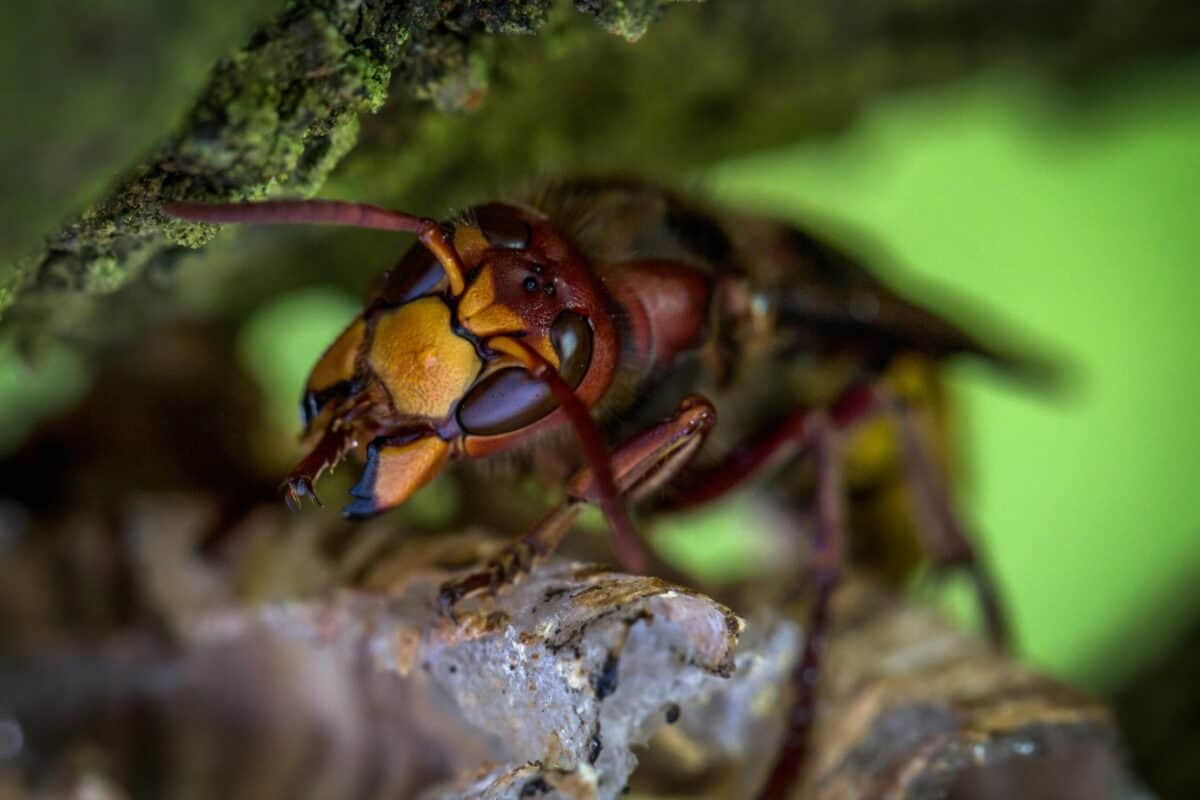
When the northern giant hornet—nicknamed the “murder hornet”—first showed up in Washington state in 2019, it sparked a wave of panic. These thumb-sized insects, with their piercing stingers and ability to wipe out entire honeybee colonies, had the makings of an ecological nightmare. But after years of aggressive tracking and removal, the U.S. has officially declared them eradicated. It’s a rare success story in the world of invasive species—and a win for pollinators everywhere.
A Five-Year Fight Against a Formidable Invader
The battle began quietly. A few mysterious hornets appeared near the Canadian border in Whatcom County, Washington. Unlike native hornets, these were massive—up to 5 centimeters (2 inches) long—with powerful venom and jaws that could decapitate bees by the dozens. Beekeepers feared for their hives. Scientists feared for native ecosystems.
Washington State Department of Agriculture (WSDA) scientists lept into action. Working with federal agencies and local volunteers, they set up traps, conducted nighttime nest hunts, and even glued tiny radio trackers to captured hornets to follow them back to their nests. Entire nests were located and destroyed, often just before new queens emerged to spread the population further.
By 2021, sightings had stopped. Officials kept watching, kept trapping, and in 2024—after nearly three years of silence—they declared victory.
Why Eradicating Them Really Matters

Invasive species are notoriously hard to remove once they’ve established a foothold. That’s what makes this case so remarkable. Northern giant hornets were a direct threat to agriculture, ecosystems, and public health.
For bees, the murder hornets were a massacre machine. A small group could slaughter thousands of honeybees in just a few hours, leaving hives decimated and ecosystems out of balance. For people, they posed a serious sting risk, with venom strong enough to penetrate standard beekeeping suits.
Now that they’re gone, honeybees can breathe a little easier—and so can the farmers and gardeners who rely on them.
How Community Science Helped Win
One of the most unique aspects of this success story is how involved the public became. Ordinary residents set out traps in their backyards, reported sightings, and followed official guidelines on what to look for. It was grassroots science in action.
Researchers credited everyday citizens with some of the most important leads that led to nest discoveries. This kind of cooperation between government scientists and the public may be the key to preventing future invasions.
The Job’s Not Over Yet
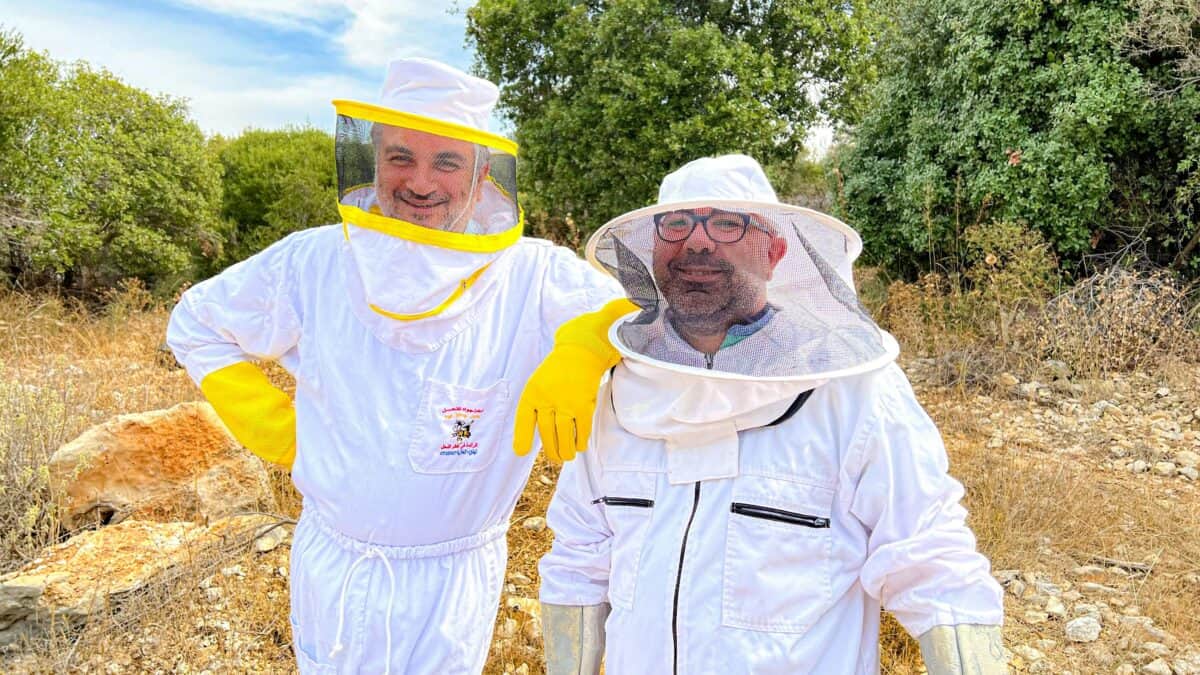
Officials are quick to point out that vigilance must continue. Just because the hornets are gone now doesn’t mean they can’t come back. Cargo ships, cross-border traffic, and illegal pet trades could easily reintroduce them.
Traps remain active in border counties, and any suspected sighting is still treated with urgency. Public awareness materials are being updated to help distinguish between the hornets and similar-looking native species like the European hornet.
A Slimy Threat Finally Swatted Down
This wasn’t just an insect problem—it was an environmental one. And against the odds, it was solved. The eradication of the northern giant hornet in the U.S. proves that science, policy, and community effort can make a real difference.
The next time a giant bug shows up in the news, we’ll remember this story—not as a fluke, but as a blueprint for how to act fast, work together, and take our ecosystems seriously.

- Texas Ranchers Injured and Horses Killed in Aggressive Bee Attack - July 19, 2026
- Cougar Attack on Cyclists Shakes Washington Wilderness - July 19, 2026
- Snake Found in Arizona Toilet Shocks Homeowner - July 19, 2026