

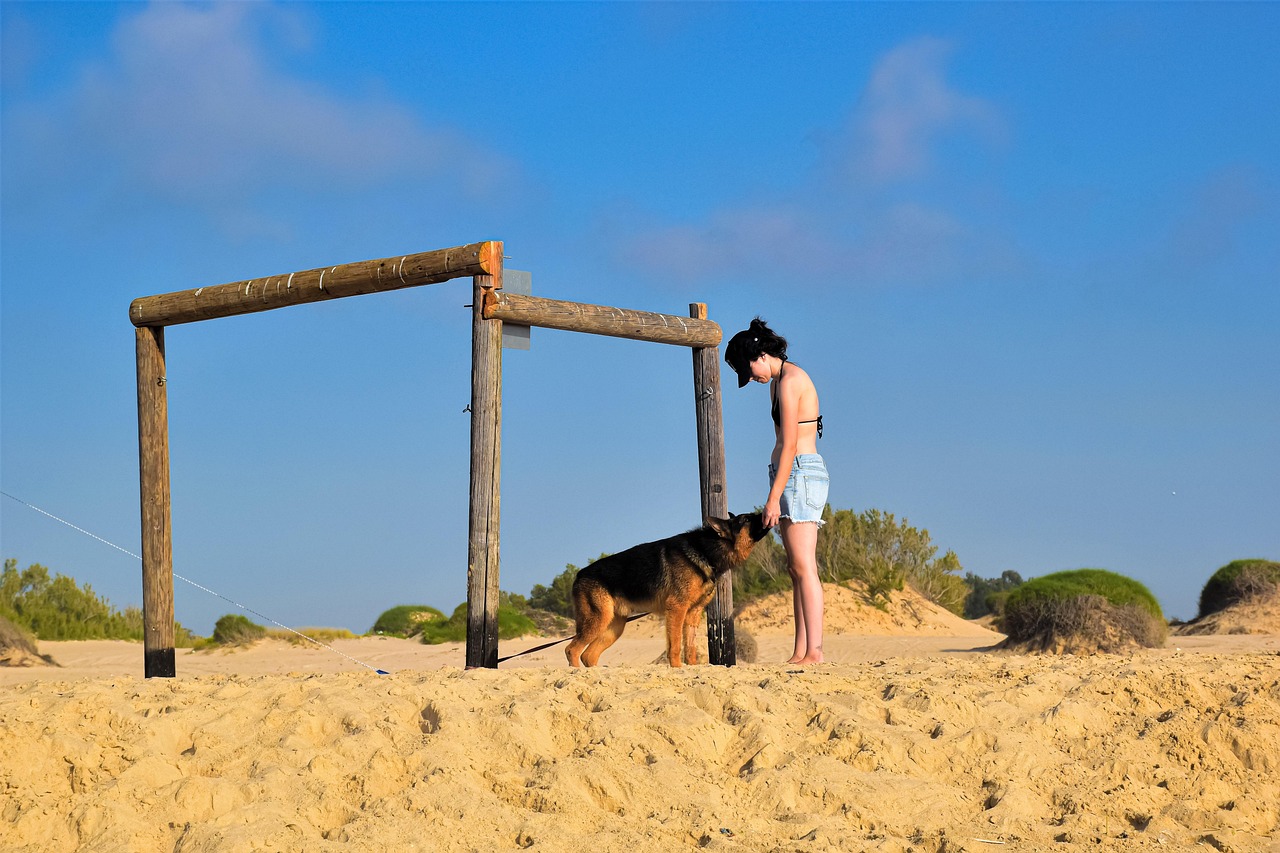
When Familiar Spaces Become No-Go Zones
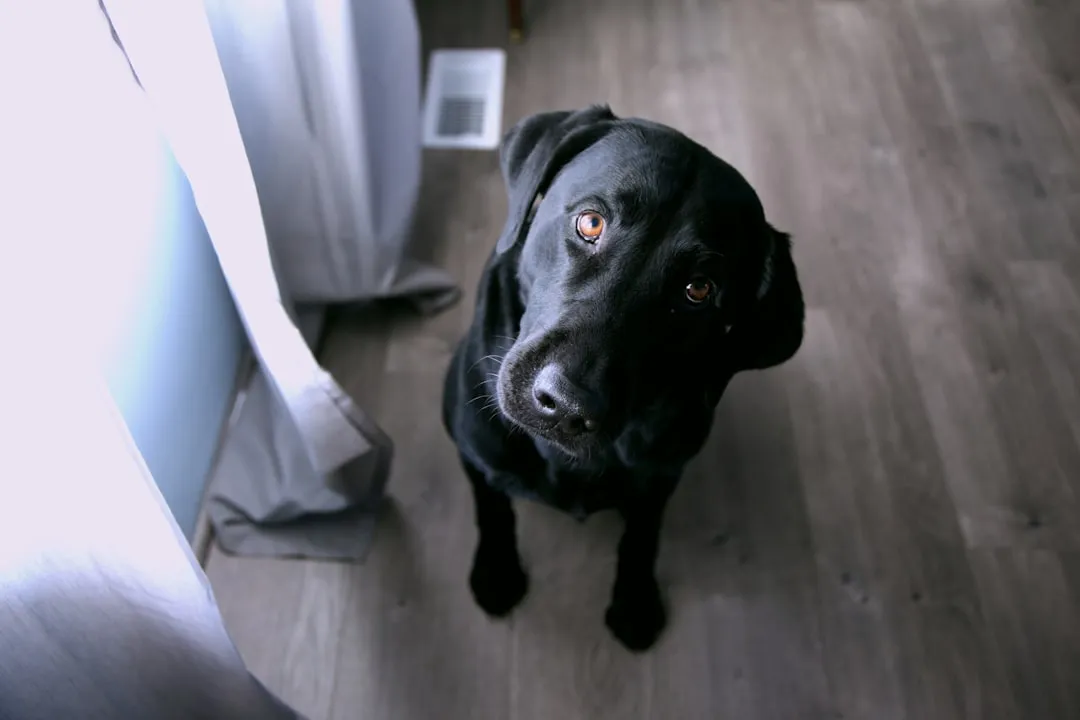
Imagine your dog, who once lounged happily in the sunlit living room, now hesitating at the doorway, refusing to step inside. It’s perplexing, isn’t it? This sudden change isn’t mere stubbornness; it’s a window into your dog’s intricate sensory world.
Dogs experience their environment through a rich tapestry of senses – smell, sound, sight, and touch. A room isn’t just a space; it’s a collection of sensory experiences. If one of these turns negative, the entire room can become associated with discomfort or fear.
The Power of Negative Associations
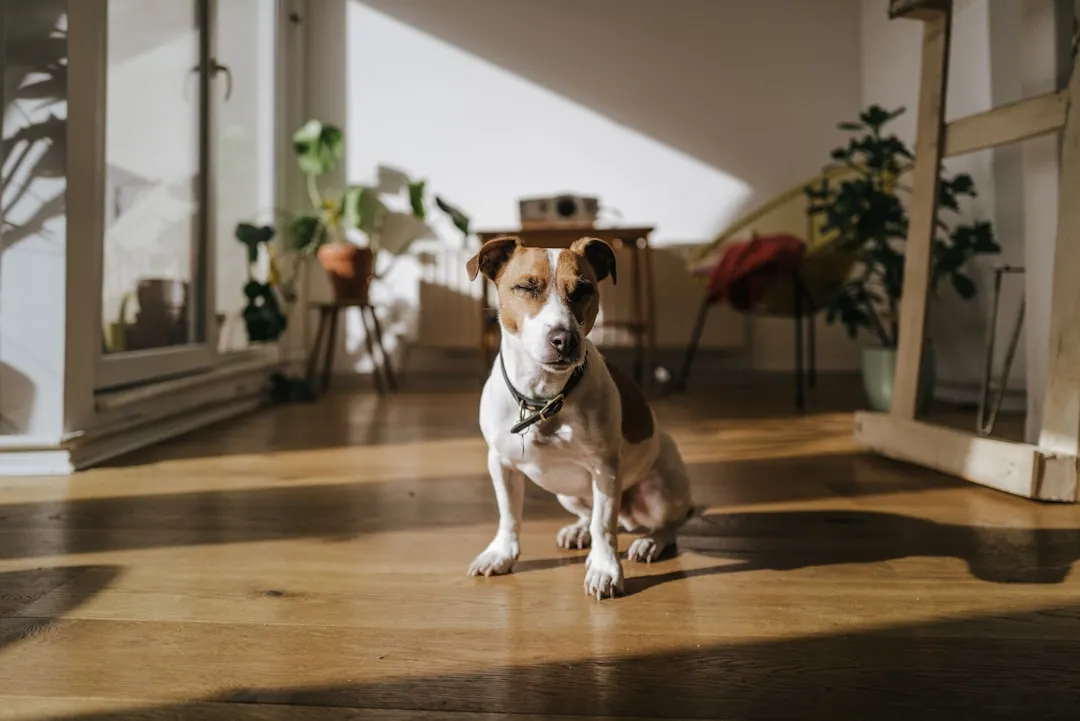
Even a minor incident can leave a lasting imprint on your dog’s memory. A loud noise from a dropped pan, a slip on a slick floor, or the sharp scent of a new cleaning product can create a negative association with a particular room. This connection often lingers, causing your dog to avoid the area long after the initial event.
Research indicates that dogs can form strong associations between specific stimuli and outcomes. For instance, a study found that dogs can learn to associate certain cues with rewards or punishments, influencing their future behavior. This learning process is rapid and can be based on a single event.
Sensory Perception Beyond Human Capabilities

Dogs possess sensory abilities that far surpass our own. They can detect sounds at frequencies we can’t hear and smells at concentrations we can’t fathom. A room that seems ordinary to us might be overwhelming to them due to these heightened senses.
For example, the hum of an appliance or the lingering scent of a chemical cleaner might be barely noticeable to us but could be distressing to a dog. Their acute senses make them more susceptible to environmental changes that we might overlook.
Physical Discomfort and Aging Factors
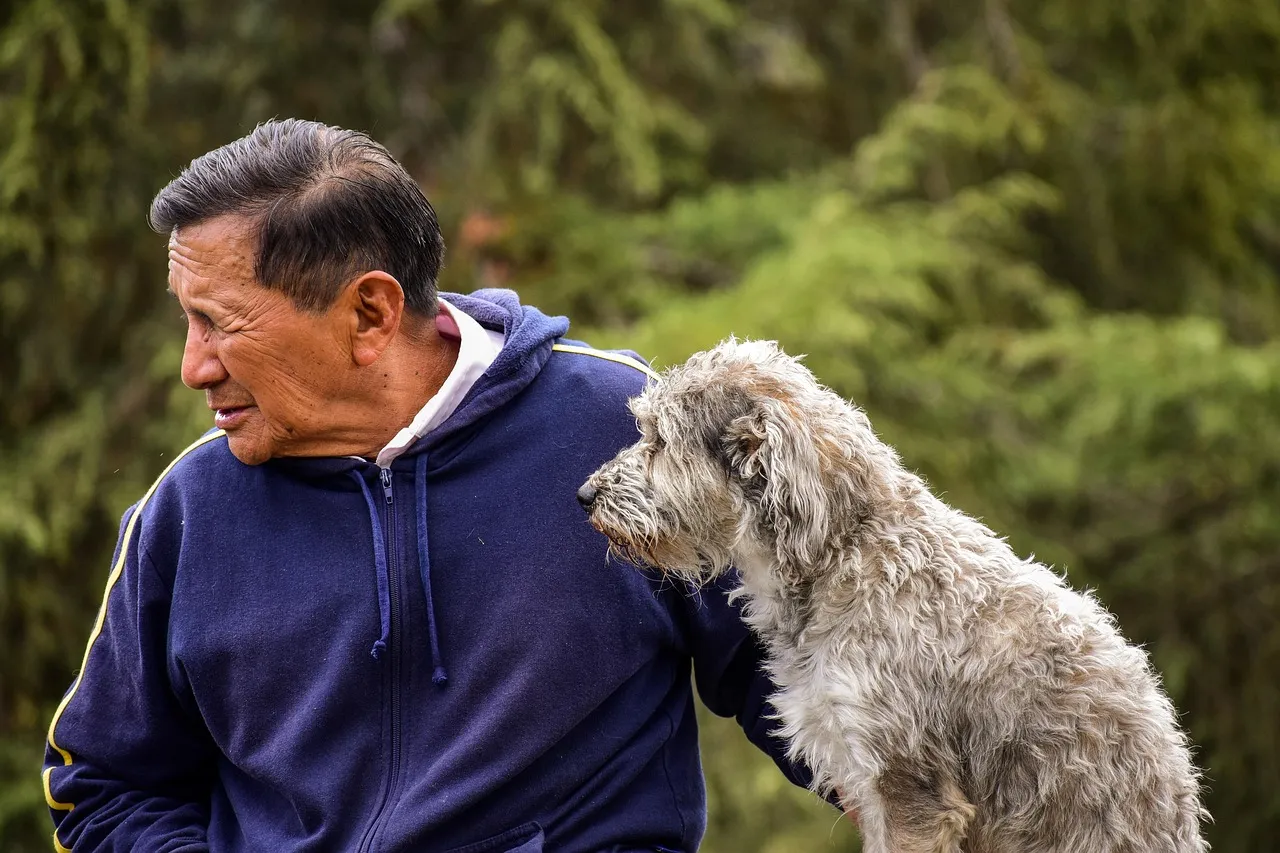
Before attributing avoidance behavior solely to negative associations, consider physical factors. Cold floors, drafts, or poor lighting can make a room uncomfortable. For older dogs, arthritis or cognitive decline can make certain areas feel unsafe or difficult to navigate.
If your dog suddenly avoids a room, it’s essential to rule out physical discomfort. A veterinary check-up can help identify any underlying health issues contributing to this behavior.
Rebuilding Positive Associations
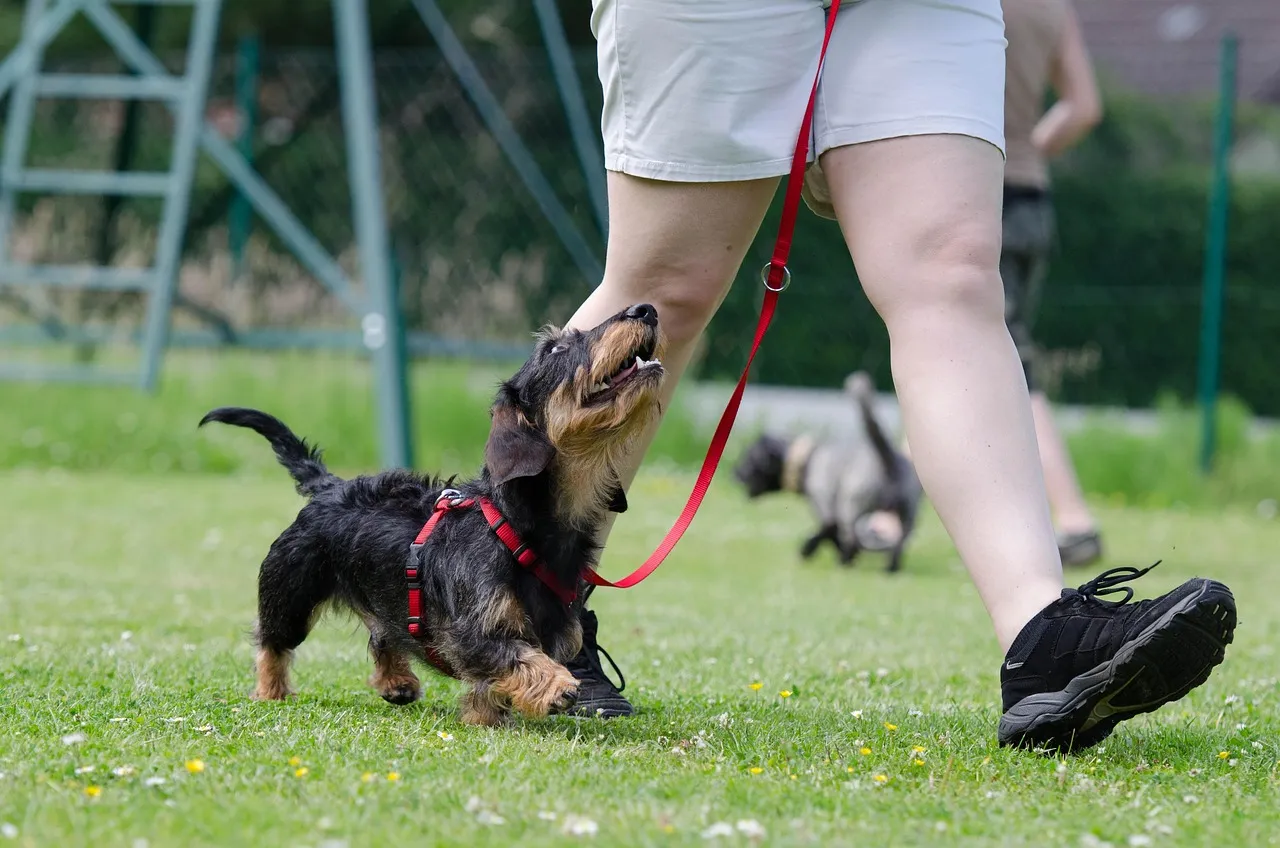
Helping your dog overcome their aversion involves patience and positive reinforcement. Start by encouraging them to approach the room at their own pace, rewarding any voluntary movement toward the space with treats or praise.
Gradually reintroduce them to the room, ensuring the environment is comfortable. Address any physical discomforts, such as adding rugs to slippery floors or eliminating strong odors. Over time, these positive experiences can replace the negative associations.
Understanding Your Dog’s Communication
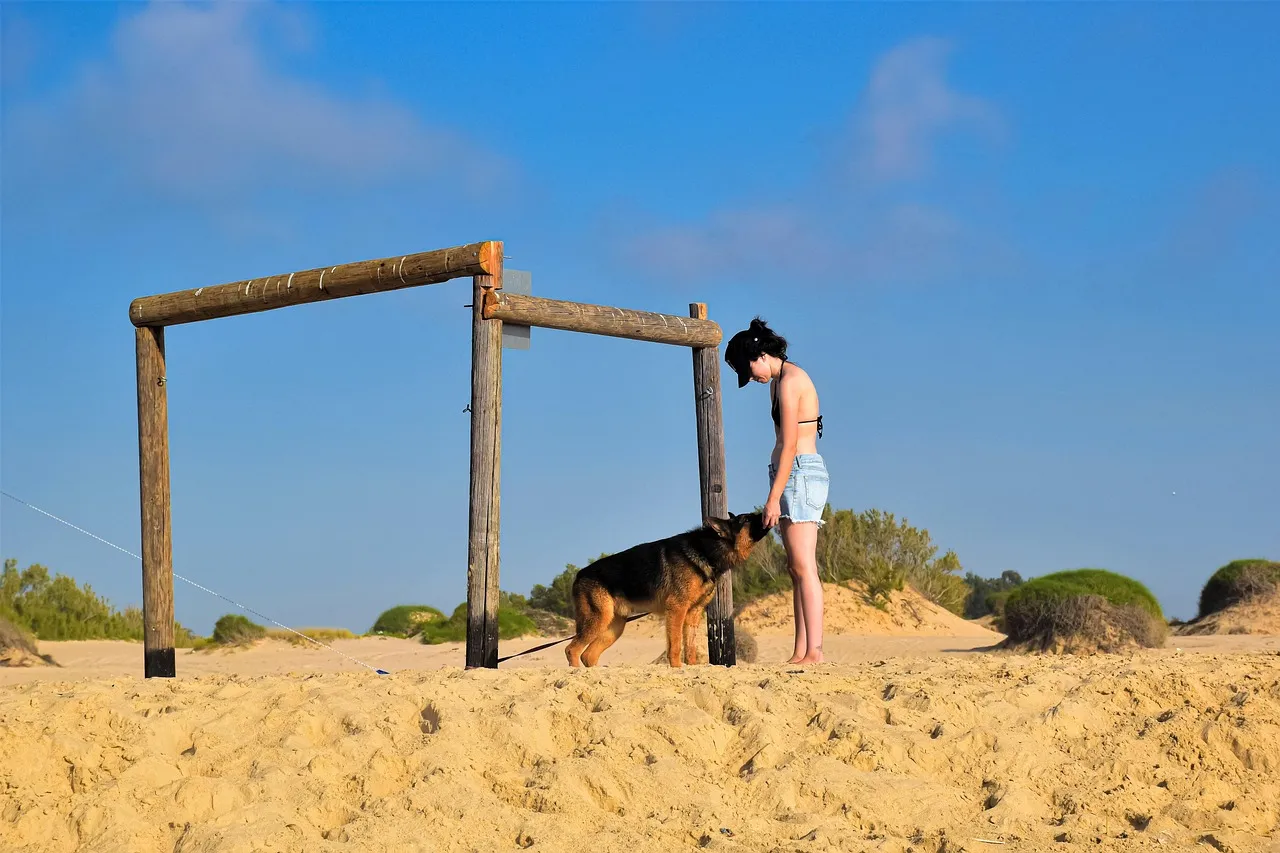
Avoidance behavior is your dog’s way of communicating discomfort or fear. Recognizing and respecting these signals is crucial. By understanding the underlying causes, you can take steps to make your home a safe and comfortable space for your canine companion.
Remember, your dog’s behavior is a reflection of their experiences and perceptions. Paying attention to these cues can strengthen your bond and ensure their well-being.
Conclusion: A Deeper Connection Through Understanding
When your dog suddenly refuses to enter a room they once loved, it’s a sign of their complex sensory world and emotional depth. By acknowledging and addressing these behaviors, you not only help them feel safe but also deepen the trust and connection you share. Isn’t it remarkable how much our dogs can teach us about perception and empathy?
