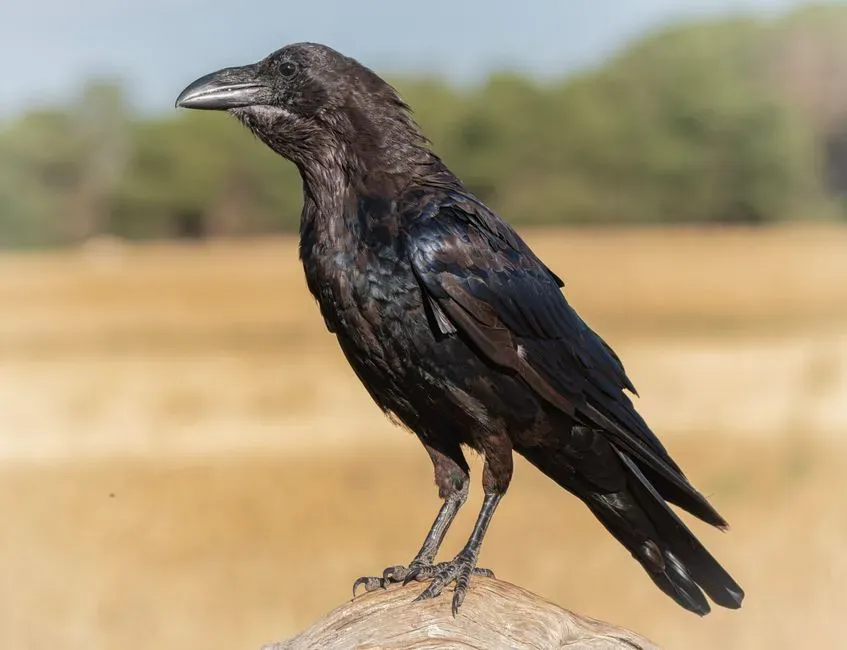
Neuroscience Says Ravens Remember Faces Far Longer Than Most Birds-feature image/Pexels
Ravens, those enigmatic black-feathered birds often associated with mystery and folklore, possess cognitive abilities that continue to astonish scientists. Recent research has unveiled that these birds can remember human faces for years, a trait that sets them apart from most other avian species. This remarkable capability not only highlights their advanced intelligence but also offers a glimpse into the intricate workings of their social interactions and survival strategies.
Unveiling the Raven’s Memory: A Surprising Discovery
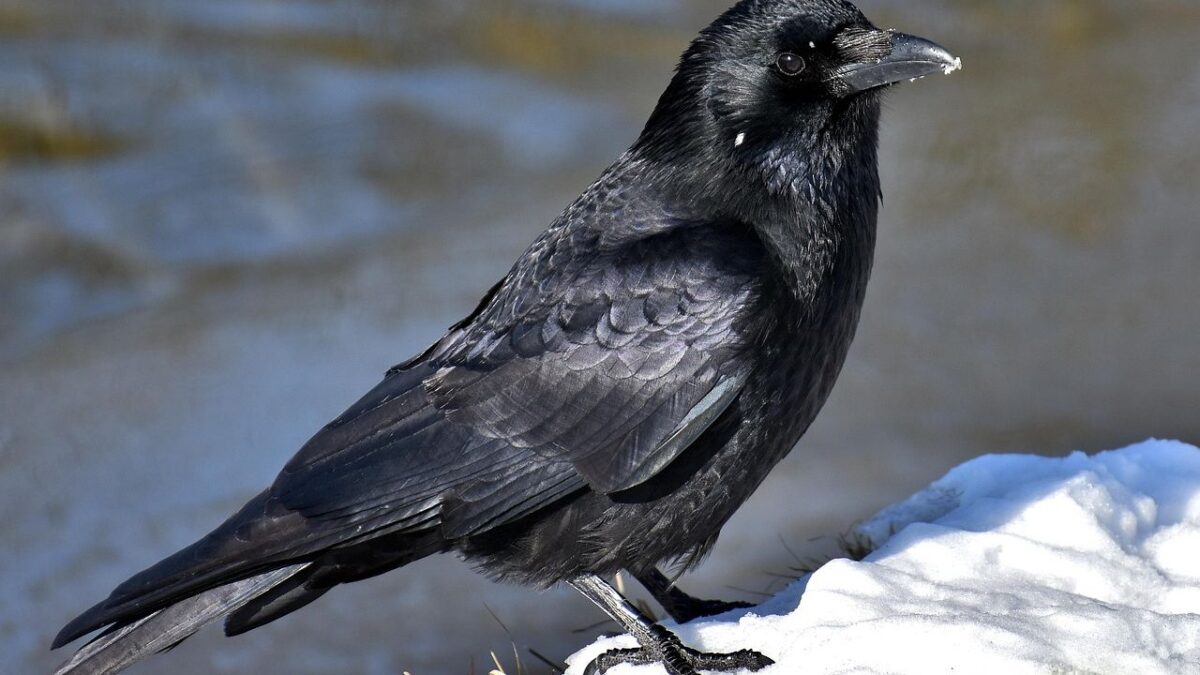
Unveiling the Raven’s Memory: A Surprising Discovery (Image Credits: Unsplash)
Imagine encountering a raven today and then crossing paths with the same bird years later, only to find it remembers you – whether as a friend or foe. This isn’t a scene from a fantasy novel but a reality supported by scientific studies. Researchers have found that ravens can recall individual human faces associated with positive or negative experiences, maintaining these memories for extended periods. Such findings challenge our understanding of avian memory and cognition.
The Science Behind Facial Recognition in Ravens
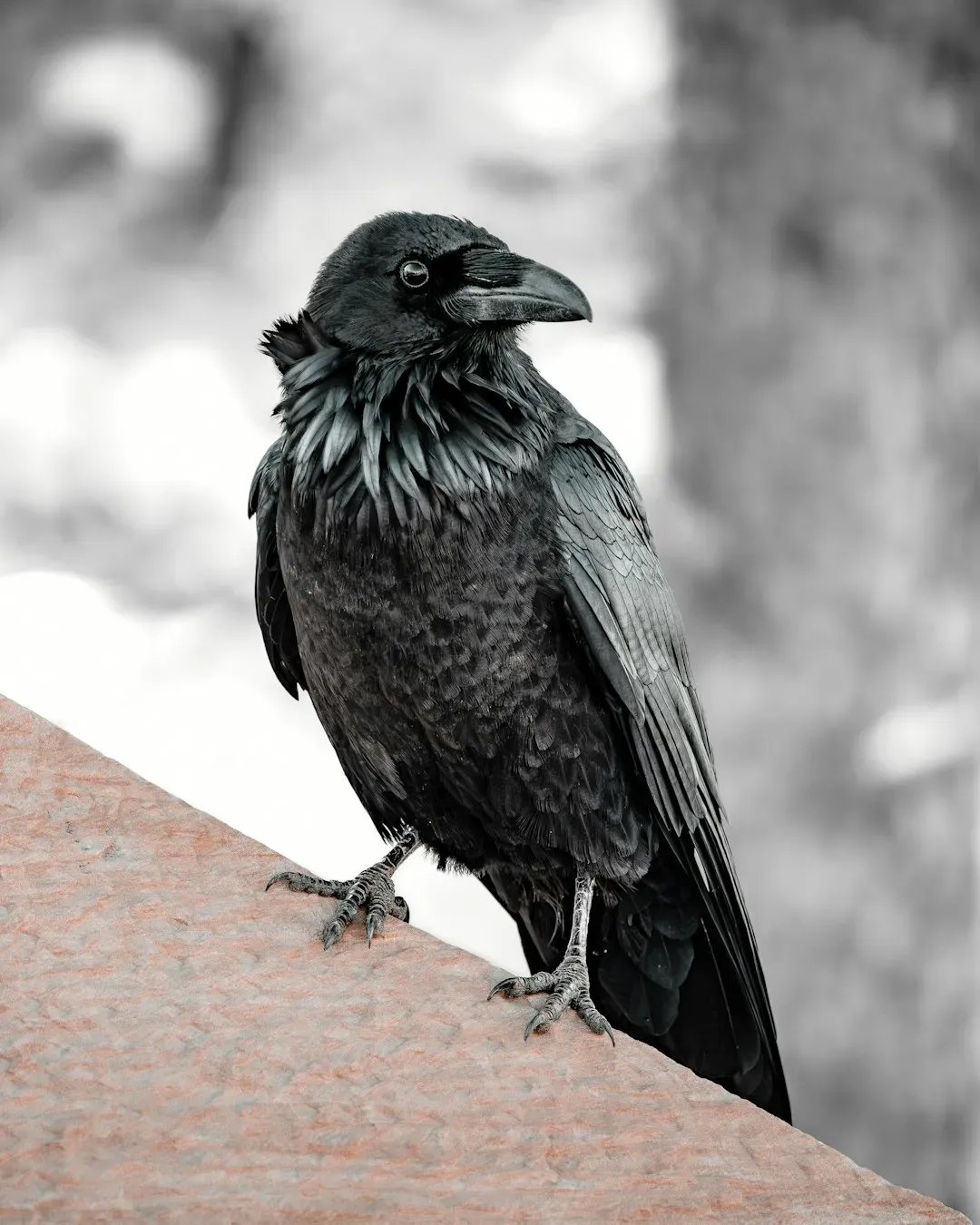
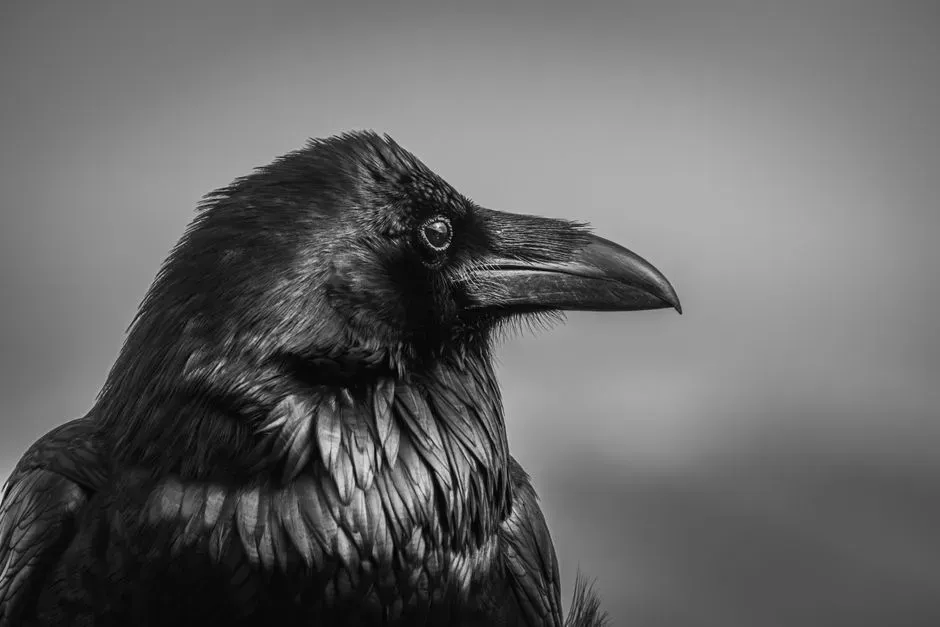
The Science Behind Facial Recognition in Ravens (Image Credits: Pexels)
Delving into the neurological basis of this ability, studies have shown that when ravens perceive human faces, specific brain regions are activated. These areas are analogous to those in humans responsible for processing visual and emotional information. This suggests that ravens not only recognize faces but also associate them with past experiences, influencing their future interactions. The complexity of this neural processing underscores the advanced cognitive functions these birds possess.
Long-Term Memory: More Than Just Faces
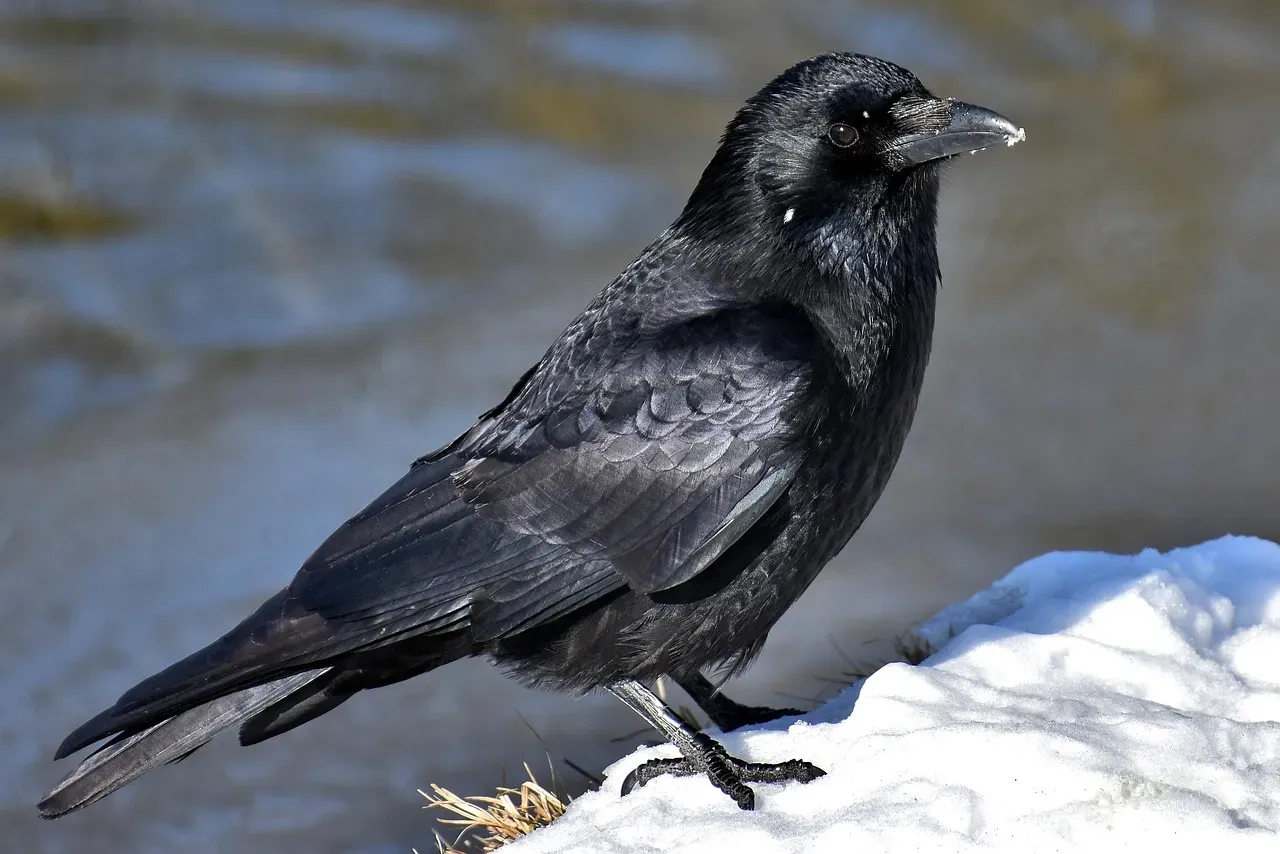
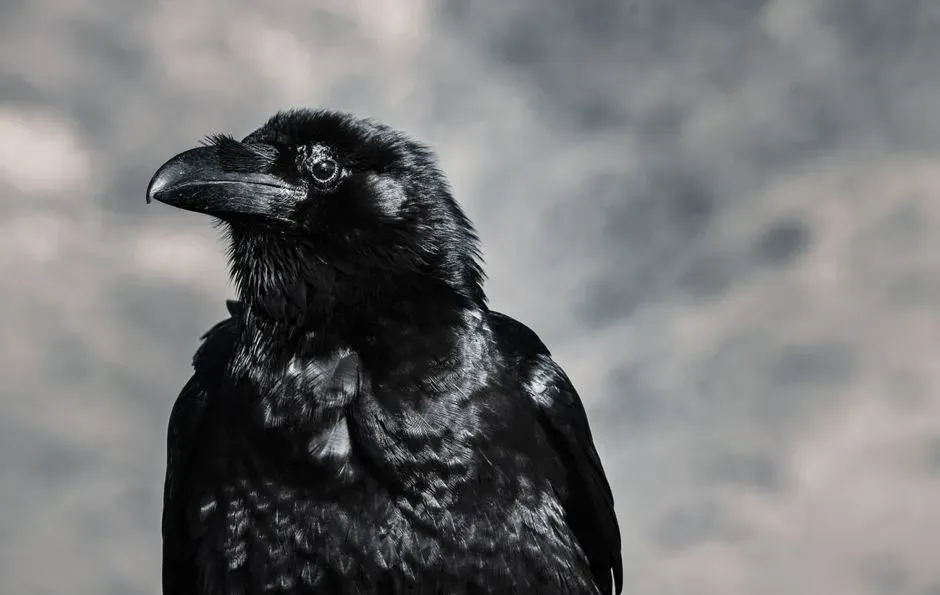
Long-Term Memory: More Than Just Faces (Image Credits: Pixabay)
Beyond recognizing human faces, ravens exhibit an impressive capacity for long-term memory in their social interactions. They remember former group members and the nature of their relationships, whether affiliative or adversarial, even after years of separation. This ability to recall social bonds and hierarchies plays a crucial role in their complex social structures and behaviors. It enables them to navigate their social world with a level of sophistication that rivals that of some mammals.
Implications for Survival and Social Dynamics
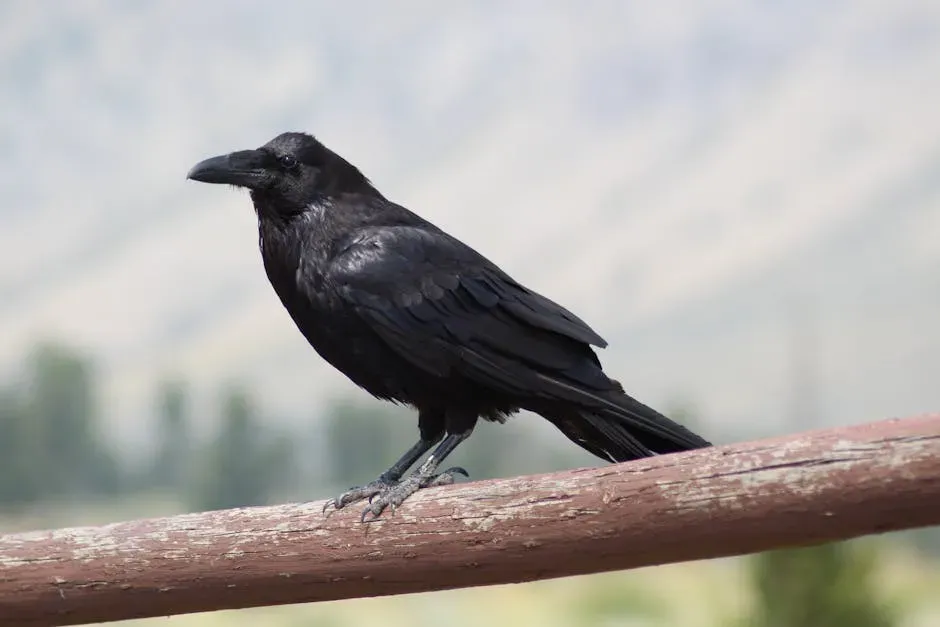
Implications for Survival and Social Dynamics (Image Credits: Pexels)
The ability to remember and distinguish between individual humans and other ravens has significant survival advantages. By recalling which humans pose threats and which are benign, ravens can adapt their behavior to avoid danger or seek out beneficial interactions. Similarly, remembering past social interactions with fellow ravens allows them to form alliances, avoid conflicts, and establish dominance hierarchies, all of which are vital for their survival and reproductive success.
Comparing Ravens to Other Birds: A Cognitive Outlier
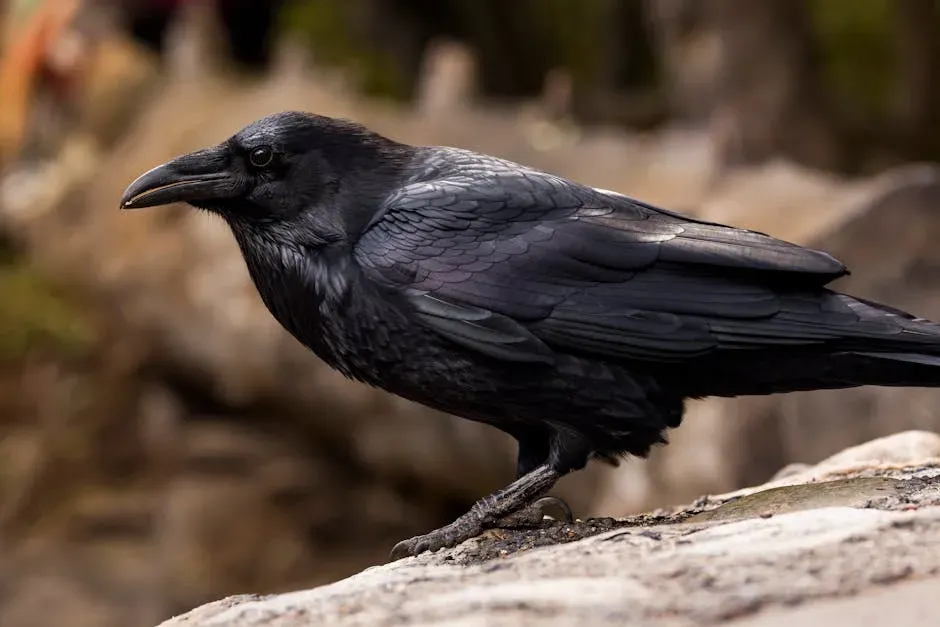
Comparing Ravens to Other Birds: A Cognitive Outlier (Image Credits: Pexels)
While many bird species exhibit impressive cognitive abilities, ravens stand out for their exceptional memory and problem-solving skills. Unlike most birds, which may recognize individuals for short periods, ravens’ long-term memory for faces and social relationships is unparalleled. This places them in a unique position among avian species, highlighting the evolutionary pressures that may have shaped their advanced cognitive abilities.
Human Interactions: A Two-Way Street
Human Interactions: A Two-Way Street (Image Credits: Pexels)
The realization that ravens remember human faces and associate them with past experiences has implications for how we interact with these birds. Positive interactions can lead to trust and curiosity, while negative encounters may result in avoidance or defensive behaviors. Understanding this dynamic encourages a more respectful and mindful approach to our interactions with wildlife, recognizing the depth of their cognitive and emotional capacities.
Concluding Thoughts: Rethinking Avian Intelligence (Image Credits: Pexels)
The discovery of ravens’ ability to remember human faces for years challenges our perceptions of animal intelligence and memory. It prompts us to reconsider the cognitive boundaries between humans and other species, acknowledging the rich inner lives and complex social worlds of animals we once underestimated. As we continue to uncover the depths of ravens’ intelligence, one can’t help but wonder: what other secrets do these remarkable birds hold?
Did you find this helpful? Share it with a friend who’d love it too!
Gargi is an MA in History and a B.Ed graduate from India, with a deep passion for animals and wildlife awareness. As an article writer and editor at Animals Around The Globe, she combines her love for storytelling with her dedication to educating readers about animals, conservation, and responsible pet care. A devoted dog lover, Gargi enjoys creating engaging and informative content that inspires compassion and awareness toward the natural world.