
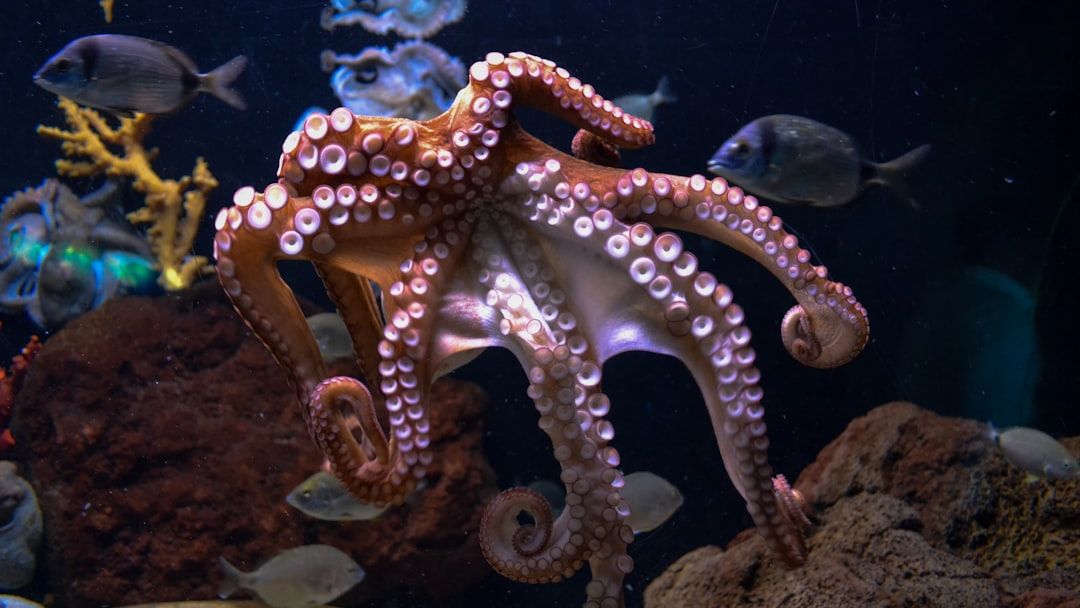
Picture an octopus tucked into a den, its body mostly still yet its skin suddenly alive with shifting colors and textures. Those fleeting bursts of activity during rest have researchers wondering whether these animals experience something akin to dreams, even though their brains evolved along an entirely separate path from ours.
The idea raises deeper questions about what consciousness really requires and whether sleep stages like rapid eye movement, long associated with human dreaming, might appear in unexpected places across the animal kingdom.
The Two Distinct Stages of Octopus Sleep
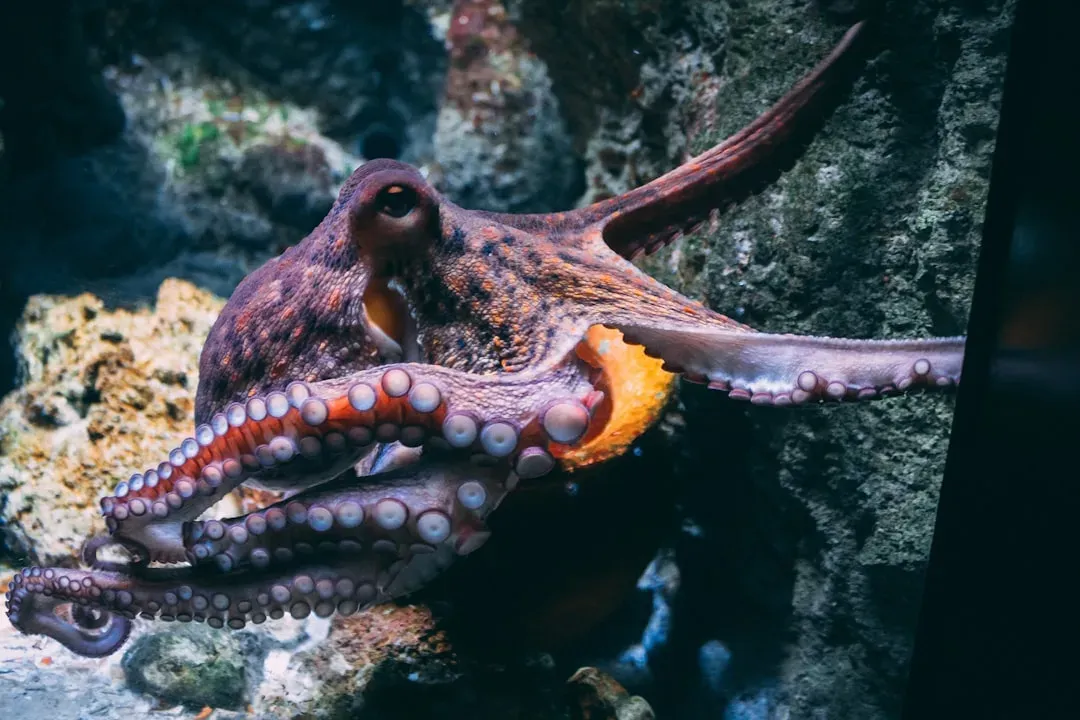
Octopuses do not simply rest in one uniform state. Instead they move between periods of quiet slumber and shorter intervals of heightened activity that repeat roughly every half hour to an hour.
During the quiet phase the animal remains pale and largely motionless, with eyes narrowed. The active phase brings quick changes in posture, eye movements, and muscle twitches that last only about a minute at a time.
These cycles appear consistent across individuals observed in laboratory settings, suggesting a regular rhythm rather than random restlessness. The pattern echoes the way many vertebrates alternate between deeper and lighter forms of rest, yet it unfolds in a creature whose nervous system is organized very differently from a spinal cord and centralized brain.
Visible Signs During the Active Phase
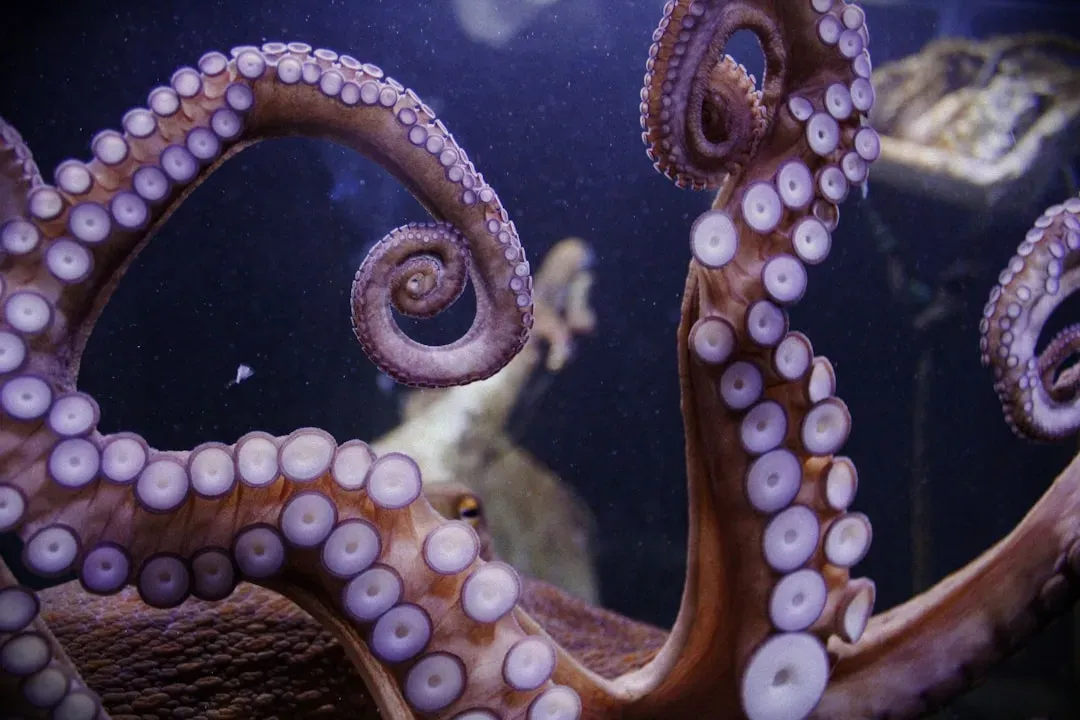
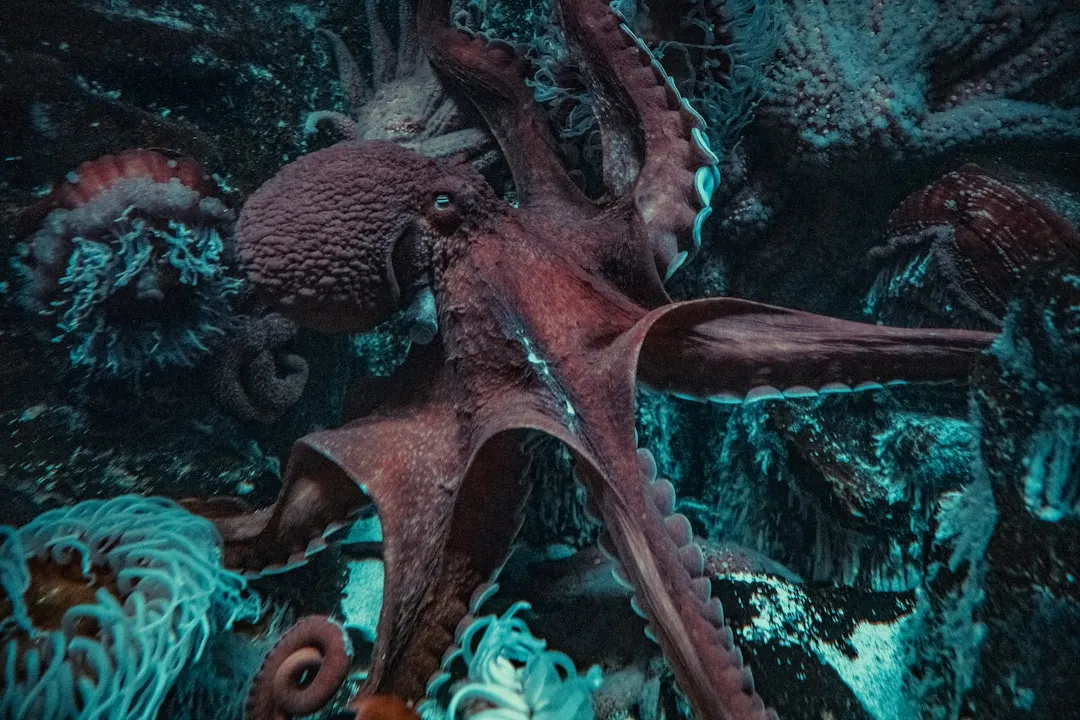
One of the most striking features of active sleep shows up on the octopus skin itself. Rapid waves of color and texture sweep across the body in sequences that resemble patterns seen while the animal is awake and interacting with its surroundings.
Researchers note that these displays occur alongside small body movements and changes in skin papillae that alter texture. The entire episode remains brief, which limits how elaborate any internal experience could be.
Because the skin serves as a direct readout of neural commands, observers can track these shifts without invasive methods. The result is a visible record of brain activity that would otherwise stay hidden inside the animal.
Neural Recordings Reveal Wake Like Activity
Direct measurements of brain signals during active sleep show patterns that closely match those recorded when the octopus is alert and moving about. Certain regions exhibit elevated activity levels similar to the awake state, while other areas quiet down in ways reminiscent of non rapid eye movement sleep in mammals.
This combination of features appears in studies that placed electrodes in the central brain of small species such as Octopus laqueus. The resemblance to vertebrate rapid eye movement sleep stands out because octopuses diverged from vertebrates hundreds of millions of years ago.
Quiet sleep also displays rhythmic bursts in memory related brain areas that parallel sleep spindles observed in mammals. Together the two stages suggest that complex sleep architecture can arise through different evolutionary routes.
Why These Patterns Suggest Dreaming
The wake like brain state during active sleep raises the possibility that octopuses replay or process experiences from their day. Skin patterns that match hunting or camouflage behaviors seen while awake could reflect internal reactivation of those memories.
Because the episodes are short, any corresponding mental content would likely be fleeting rather than narrative in the human sense. Still, the reactivation of learned patterns points to a functional role in memory consolidation similar to what occurs during human rapid eye movement periods.
Scientists remain cautious about labeling the state as dreaming, since direct reports of subjective experience are impossible. The behavioral and physiological parallels nevertheless provide the strongest evidence yet that something dream like may occur.
Octopus Brains Differ Sharply From Ours
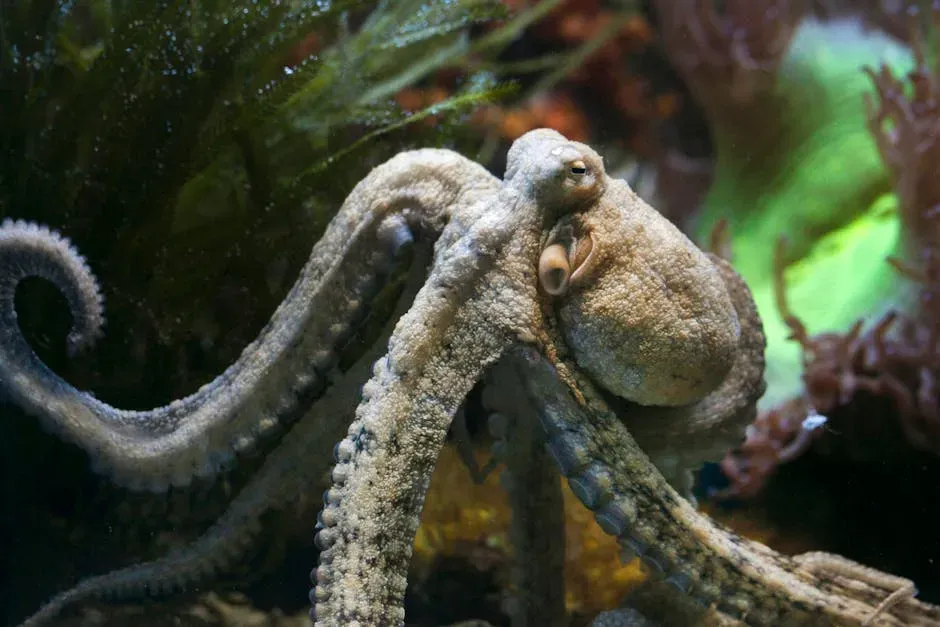
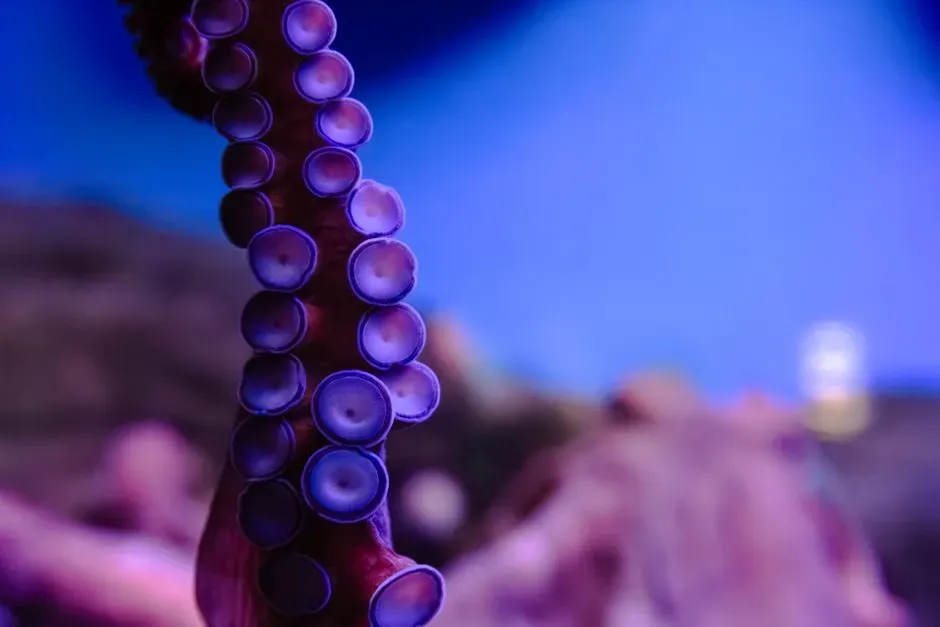
An octopus nervous system spreads across its body, with two thirds of its neurons located in the arms rather than a single central organ. This distributed arrangement allows sophisticated problem solving without the layered cortex that supports human consciousness.
Despite the architectural differences, the presence of alternating sleep stages and wake like activity during rest indicates that certain cognitive processes do not require vertebrate style brain structures. The finding highlights how similar outcomes can emerge from very different starting points in evolution.
Memory related oscillations during quiet sleep further suggest that learning mechanisms operate in regions known to handle spatial and visual information in these animals. Such parallels invite fresh comparisons between cephalopod and vertebrate cognition.
Broader Questions About Consciousness
If octopuses experience something like dreaming, then consciousness may not depend on a single blueprint of brain organization. Instead it could arise whenever nervous systems reach a certain level of complexity and need to process information offline during rest.
The short duration of active sleep episodes implies that any internal simulation remains limited, which fits with the animal’s brief lifespan and solitary lifestyle. Yet the very existence of these states challenges assumptions that dreaming requires a neocortex or self awareness in the human mold.
Comparative studies across distant species therefore become valuable tools for mapping the minimal requirements for subjective experience. They also underscore how much remains unknown about the inner lives of invertebrates that display advanced behaviors.
What Octopus Sleep Reveals About Mind and Evolution
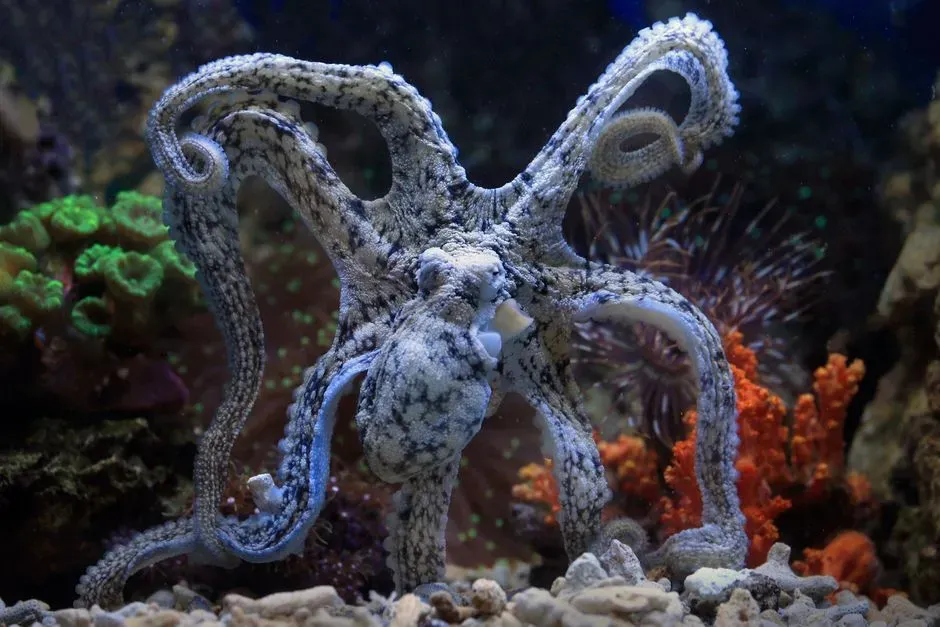
The discovery of two stage sleep in octopuses adds weight to the view that this form of rest evolved independently in lineages separated by vast stretches of time. Convergent features such as rapid eye movement like activity and memory related brain waves suggest that sleep serves fundamental roles in cognition wherever complex nervous systems appear.
At the same time the findings remind us that consciousness likely takes many forms, some of them expressed through skin patterns rather than language or facial expressions. Continued research into cephalopod rest may clarify whether these animals consolidate memories or rehearse behaviors while seemingly lost in their own version of slumber.
In the end, watching an octopus cycle through quiet and active sleep offers a quiet invitation to reconsider where the boundaries of mind begin and end. The more we learn about these distant relatives, the more the definition of consciousness expands to include possibilities we have only begun to imagine.

- 10 Things You Didn’t Know About Opossums - July 23, 2026
- Stray Dog Calls For Help By Sitting Outside People’s Doors - July 23, 2026
- Why Do Birds Sing Complex Songs? - July 23, 2026