
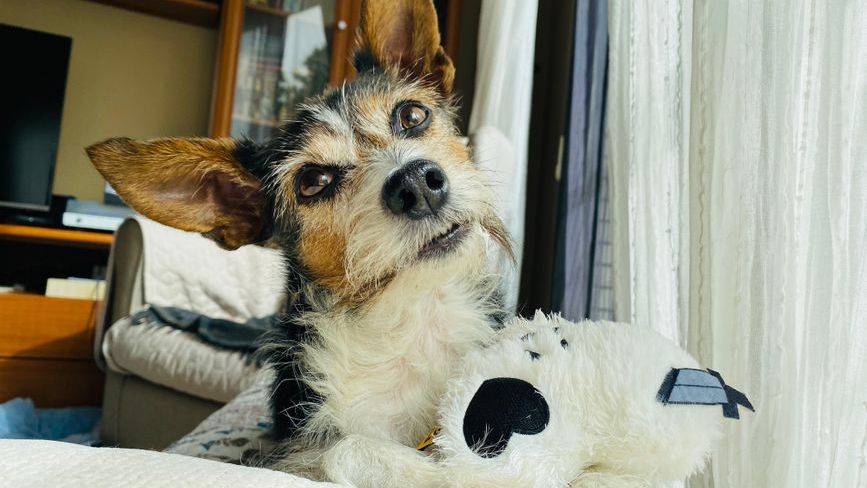
How Dogs Sense Emotional Shifts Through Scent
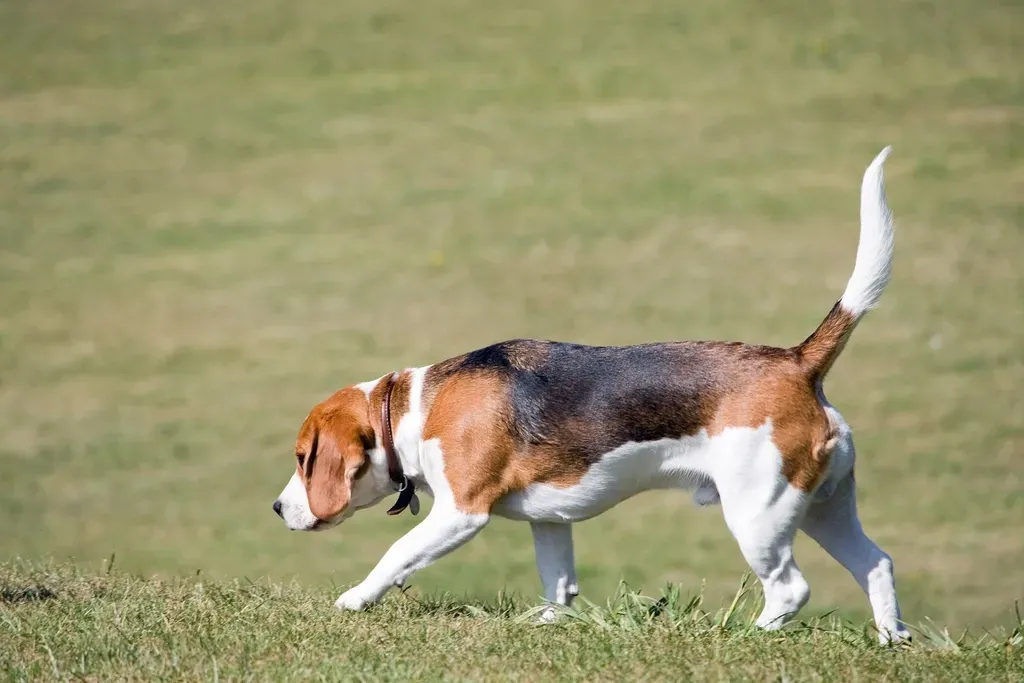
Dogs possess an extraordinary sense of smell that allows them to pick up on chemical signals humans rarely notice. When stress rises, the body releases subtle compounds through sweat and breath that a dog’s nose registers almost instantly. These cues travel directly to areas of the canine brain linked to emotional processing.
Studies show dogs can distinguish between happy and distressed states based on odor alone. The information arrives faster than any visual or vocal signal, giving the animal an early window into your inner state. This ability likely evolved alongside domestication, sharpening the bond between people and their companions over thousands of years.
Brain Activity Patterns During Human Distress
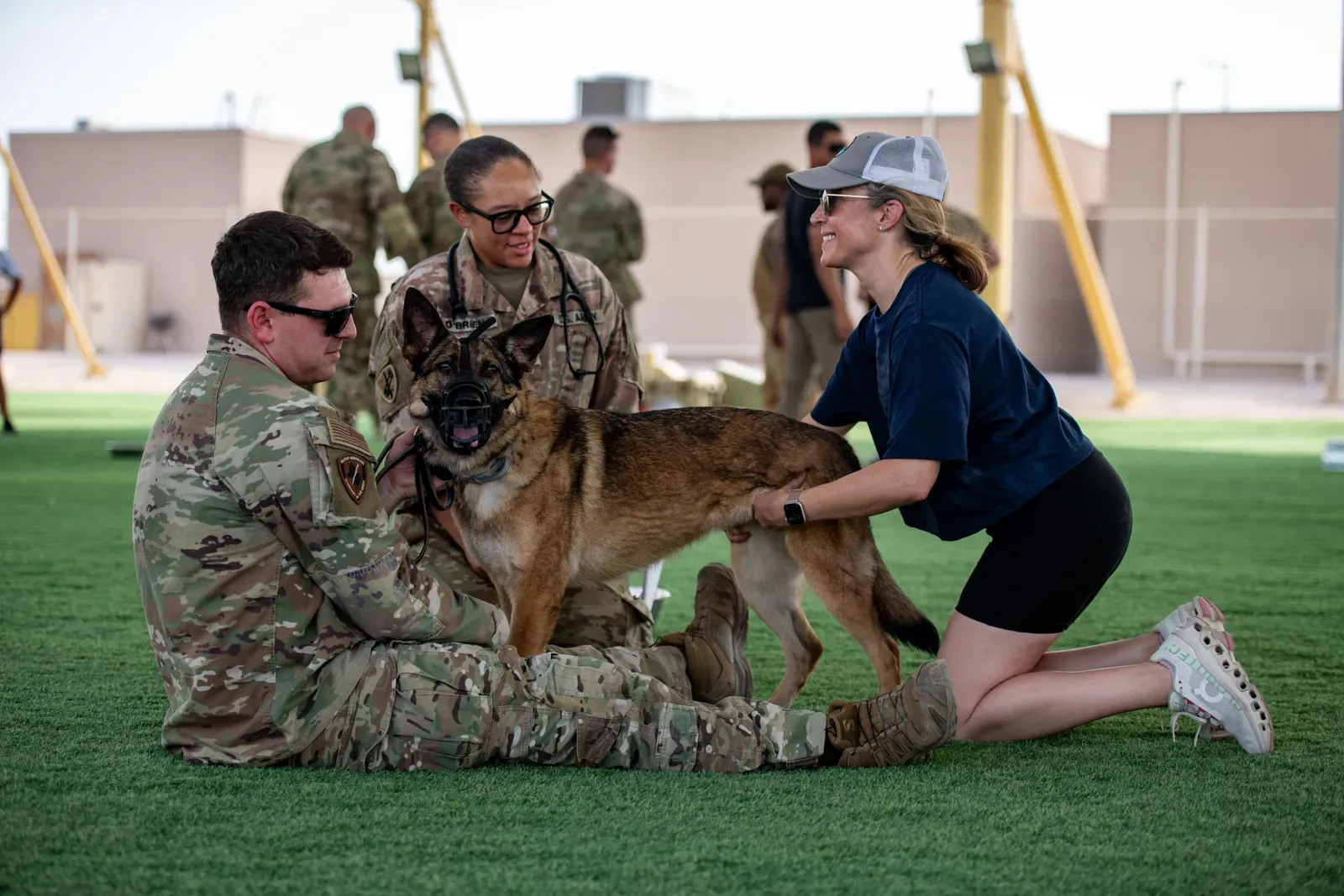
Neuroimaging work reveals that dogs show distinct patterns of brain activation when exposed to recordings of human crying or tense voices. Regions associated with attention and social processing light up more strongly than during neutral sounds. The response resembles patterns seen in human empathy circuits, though scaled to canine anatomy.
Heart rate and cortisol measurements in dogs often rise in tandem with their owner’s distress signals. This physiological mirroring suggests the animal experiences a form of emotional contagion rather than simple curiosity. The brain does not treat the moment as an opportunity for games but as a cue to offer presence.
The Toy as a Bridge Rather Than a Game
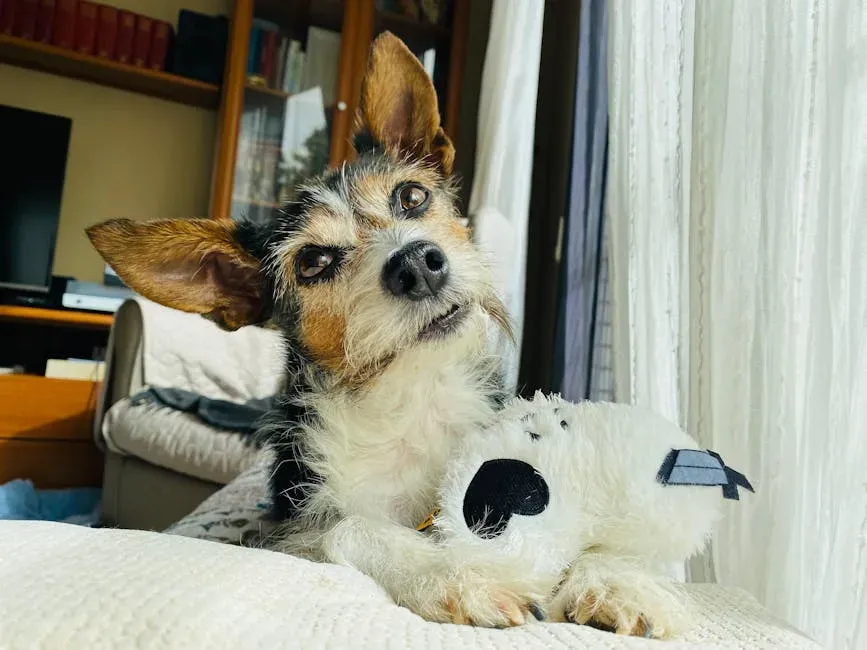
When a dog carries a toy to an upset person, the object serves as a familiar item that can lower the animal’s own tension. Holding or presenting something familiar releases calming endorphins, helping the dog stay composed while approaching its owner. The gesture creates a shared focus without demanding energetic play.
Owners frequently report that attempts to turn the moment into fetch fall flat. The dog may drop the toy and simply sit nearby instead. This pattern indicates the behavior stems from a desire to connect rather than initiate a round of exercise or entertainment.
Evidence From Controlled Observations
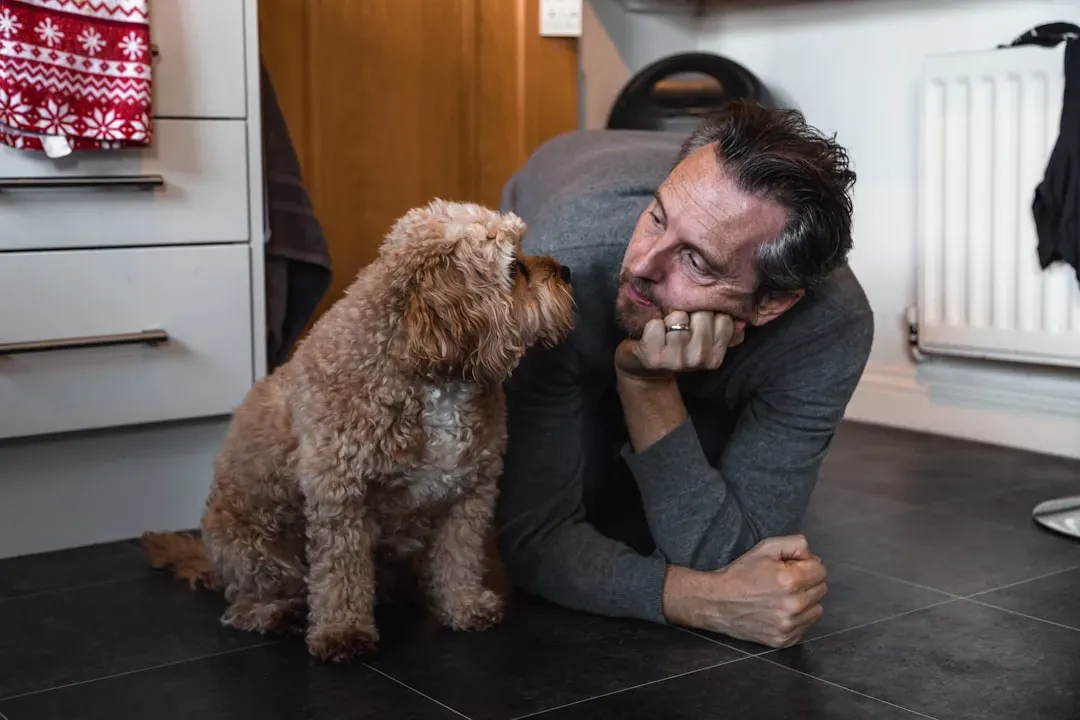
Researchers have documented dogs approaching crying individuals more readily than those laughing or remaining neutral. The animals often engage in gentle contact or present objects without the excited body language typical of play invitations. These responses appear across different breeds and living situations.
Physiological data collected during such encounters shows elevated stress markers in both species that ease once the dog settles close by. The sequence points to a functional understanding of the situation rather than random toy carrying. Over repeated trials the pattern holds steady.
Distinguishing Comfort From Play Signals
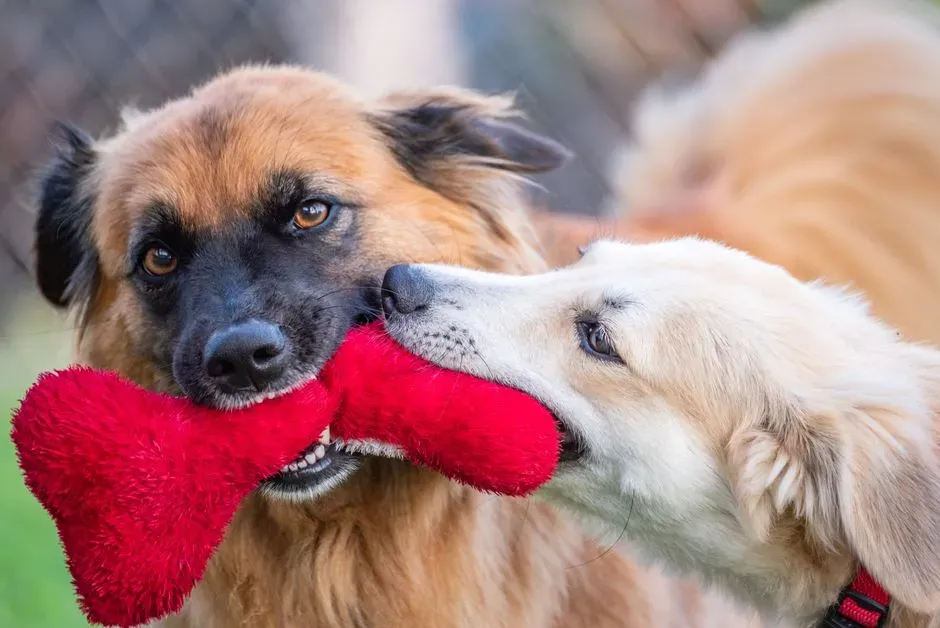
Play invitations usually involve loose body posture, rapid tail wags, and repeated retrieval even after the toy is ignored. In contrast, the comfort version features slower movements and a tendency to remain close after the toy is offered. The difference shows up clearly in video analysis of owner dog interactions.
Voice tone and facial expression further guide the dog’s choice. When the owner displays downturned features or quiet speech, the animal defaults to the calmer approach. This flexibility demonstrates an ability to read context that goes beyond simple conditioning.
Implications for Everyday Interactions
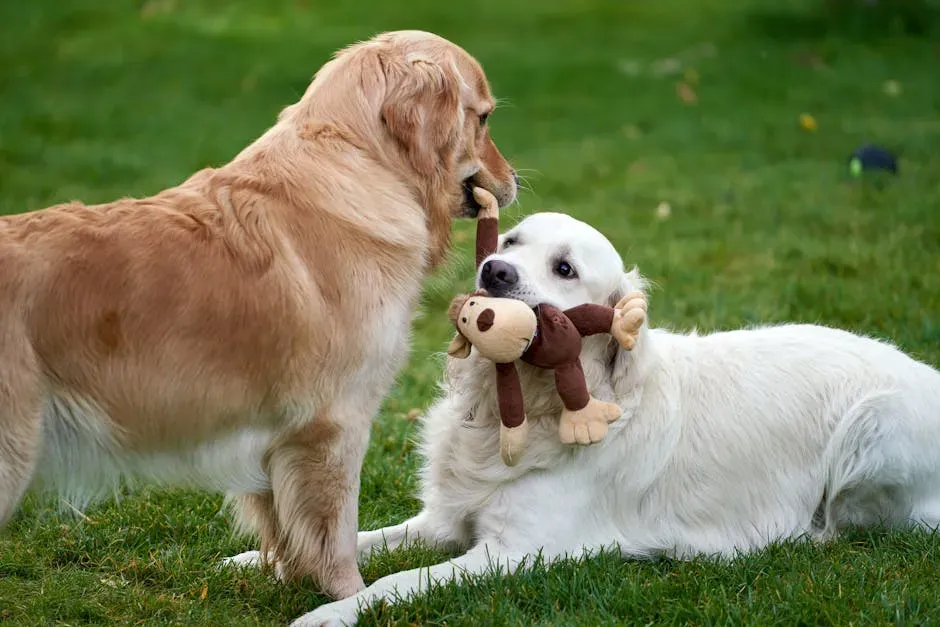
Recognizing the intent behind the toy changes how owners respond in the moment. A quiet acknowledgment or gentle petting often satisfies the dog’s effort more effectively than launching into a game. The interaction strengthens the sense of mutual awareness between the two.
Over time these small exchanges build a richer shared language. People learn to notice their own emotional shifts earlier because the dog has already flagged them. The relationship gains a layer of unspoken support that feels steady and reliable.
A Quiet Reminder of Shared Awareness
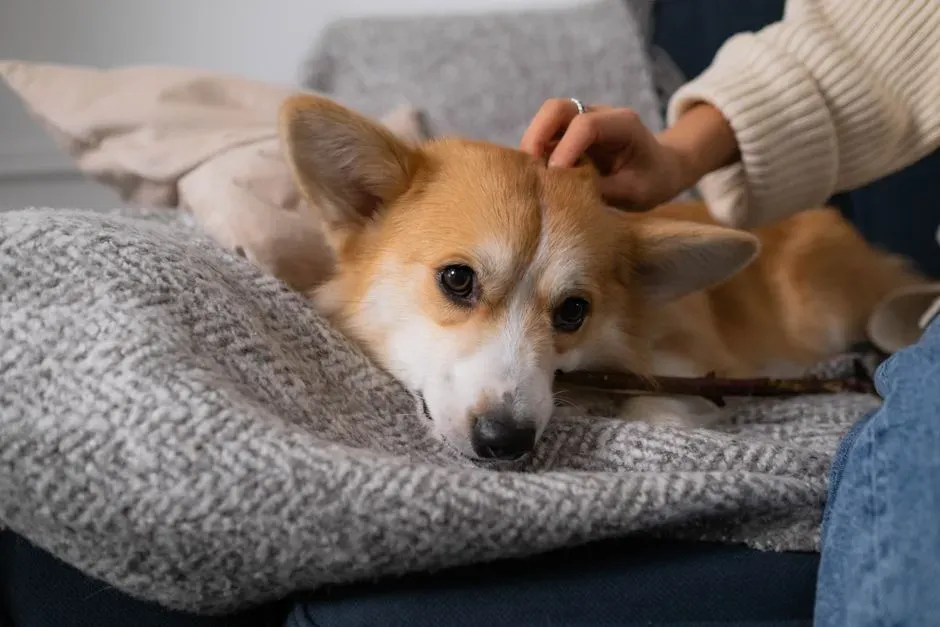
The next time your dog brings a toy during a low moment, consider what the brain on the other end of the leash has already registered. That simple action reflects a sensitivity tuned to signals most people overlook in themselves. It offers a gentle nudge toward noticing the shift before it grows larger.
Such moments underscore how deeply the two species have grown attuned to one another. The connection rests on chemistry, timing, and a willingness to respond without words. In the end the toy becomes less about play and more about presence, a small bridge across an emotional space that both sides now share.

- The Spirit Animals That Protect Each Zodiac Sign According to Native American Beliefs - July 29, 2026
- The Enduring Bonds: How Elephants Maintain Lifelong Family Connections - July 29, 2026
- 6 US States With the Most Wild Turkey - July 29, 2026