

Ever caught your dog fixating on a blank wall, seemingly entranced by something invisible? This behavior, while puzzling, is more common than you might think. Neuroscience reveals that when your dog stares at the wall without apparent reason, they might be detecting frequencies beyond human hearing, offering a glimpse into their unique sensory world.
Dogs’ Superior Auditory Perception
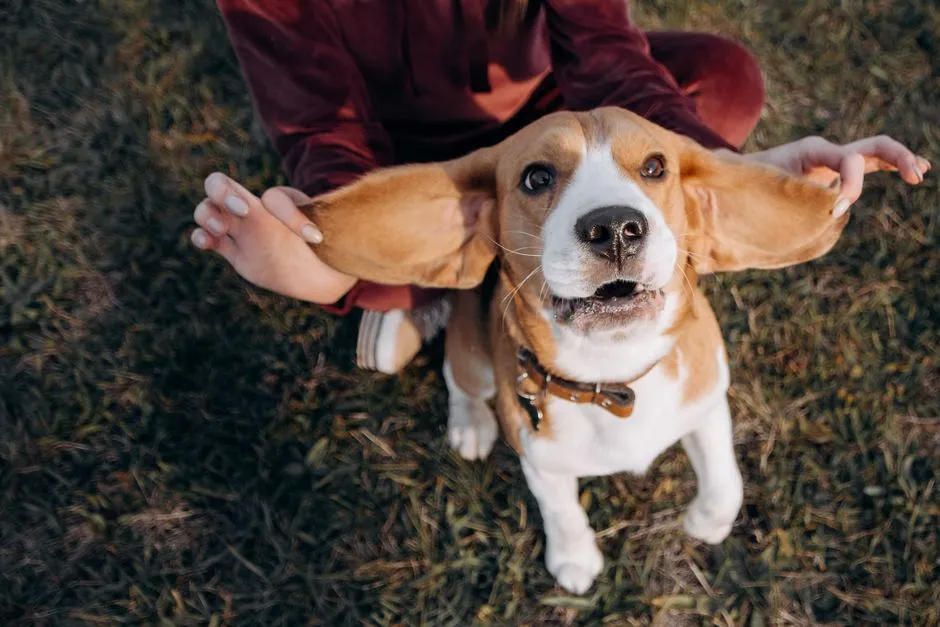
Dogs possess an extraordinary range of hearing, capable of detecting sounds between 40 Hz and 60,000 Hz, whereas humans typically hear between 20 Hz and 20,000 Hz. This means dogs can pick up on high-frequency noises imperceptible to us, such as the ultrasonic calls of rodents or the subtle hum of electronic devices. When your dog stares at a wall, they might be tuning into these hidden sounds, responding to stimuli that escape human detection.
Heightened Sensory Abilities

Beyond their acute hearing, dogs have a sense of smell estimated to be 10,000 to 100,000 times more sensitive than that of humans. This olfactory prowess allows them to detect scents emanating from within walls, such as those from pests or hidden food particles. Additionally, their vision is adapted to detect movement and see in low-light conditions, enabling them to notice subtle changes in their environment that we might overlook.
Environmental Factors and Hidden Stimuli

The walls of our homes can conceal various stimuli that dogs can perceive. Sounds from plumbing, electrical wiring, or even the movement of small creatures within the walls can capture a dog’s attention. Their ability to hear higher frequencies and detect faint noises means they might be responding to these hidden sounds, leading to prolonged staring at seemingly blank spaces.
Medical Considerations

While sensory perception often explains wall-staring, it’s essential to consider medical factors. In older dogs, staring at walls can be a sign of Canine Cognitive Dysfunction (CCD), akin to dementia in humans, characterized by disorientation and altered behaviors. Neurological issues, such as focal seizures, can also manifest as episodes of staring. If this behavior is frequent or accompanied by other concerning signs, consulting a veterinarian is advisable.
Behavioral Aspects

Sometimes, wall-staring is linked to behavioral factors. Dogs may develop compulsive behaviors due to stress, anxiety, or boredom. Environmental changes, lack of mental stimulation, or underlying anxiety disorders can lead to repetitive actions like staring at walls. Providing regular exercise, mental enrichment, and a stable environment can help mitigate such behaviors.
When to Seek Veterinary Advice

Occasional wall-staring is typically harmless, but if it becomes frequent, prolonged, or is accompanied by other symptoms like disorientation, pacing, or changes in behavior, it’s crucial to seek veterinary advice. Early detection of potential medical issues can lead to more effective management and improve your dog’s quality of life.
Understanding Your Dog’s Unique Perception

Recognizing that dogs experience the world differently due to their enhanced senses can deepen our appreciation for their behaviors. Their ability to detect sounds and smells beyond our perception means they are often aware of aspects of the environment we cannot perceive. By observing and understanding these behaviors, we can better cater to their needs and ensure their well-being.
In conclusion, when your dog stares at the wall, they might be responding to stimuli beyond human perception, highlighting the remarkable differences in how they experience the world. This behavior underscores the importance of understanding and respecting the unique sensory abilities of our canine companions.
