
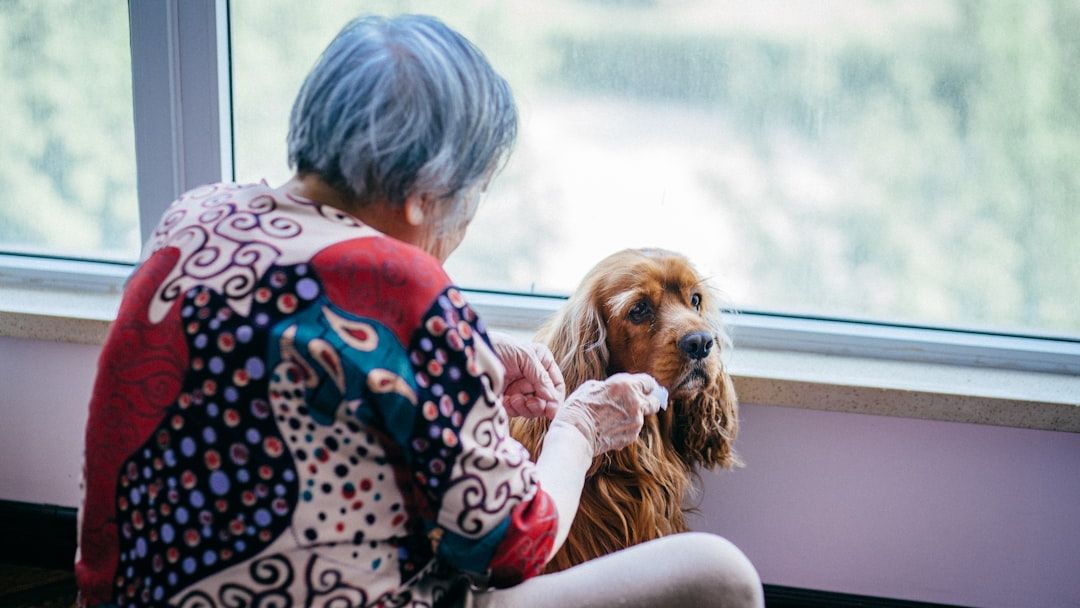
There’s something quietly profound about watching an older adult interact with a pet. The tension eases out of their shoulders, the conversation picks up, and something that looked like a routine Tuesday suddenly carries a little more weight. It doesn’t seem like much on the surface. Yet scientists have been paying close attention to exactly these moments, and the findings they’re returning with are more compelling than most people expect.
What researchers are discovering goes well beyond the familiar comfort of animal companionship. The benefits of pet ownership for older adults appear to touch nearly every dimension of health, from brain function and heart health to loneliness, daily routine, and even survival outcomes after serious illness. The picture isn’t perfectly simple, and the science still has room to grow. Still, what’s already on the table is worth understanding.
#1: Pets Are Slowing Cognitive Decline in Measurable Ways
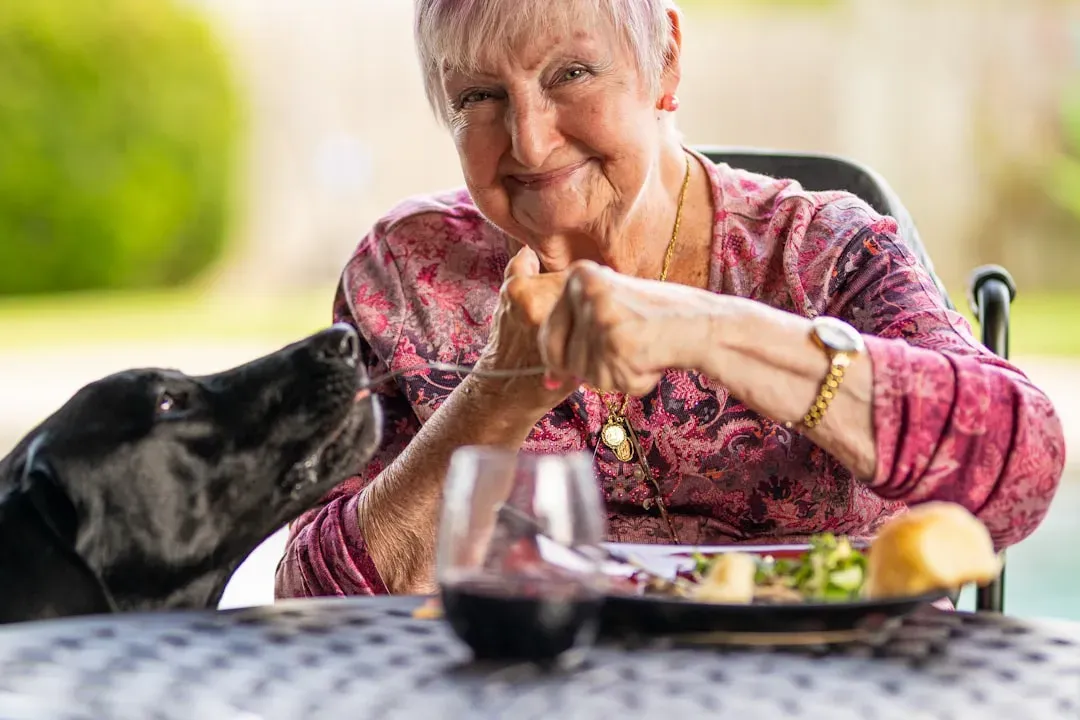
Perhaps the most striking finding in recent years involves the brain. Several recent studies have found that pet ownership can help slow cognitive decline in older adults, with one study of nearly 8,000 older adults published in JAMA Network Open finding that among those living alone, having a pet was associated with a slower rate of cognitive decline, specifically in composite verbal cognition, verbal memory, and verbal fluency.
In data drawn from the Baltimore Longitudinal Study of Aging, deterioration in cognitive function with age was slower for pet owners than non-owners across multiple domains, including recall, naming, and processing speed, and these differences held for both dog owners and cat owners. That’s a meaningful range of cognitive functions being protected, not just one isolated measure.
Researchers at the University of Florida found that adults aged 50 or older who had owned any kind of pet for more than five years showed slower decline in verbal memory over time compared to non-pet owners. The duration of ownership appears to matter, suggesting this isn’t a short-term effect but something that accumulates gradually over years of daily interaction.
Taking care of an animal requires an owner to remember to feed, walk, and groom them, and to engage in critical thinking, plan for the future, and practice self-regulation when exerting patience with a pet – all of which amounts to a kind of low-grade cognitive workout embedded in everyday life.
#2: The Heart Benefits Are Hard to Ignore

The strongest evidence linking pets to physical health comes from studies examining cardiac health, where older adults with hypertension had lower blood pressure in the presence of their pets, and in one analysis of 460 older adults who had experienced a myocardial infarction, pet ownership predicted better survival. Those are real, clinically significant outcomes.
The American Heart Association conducted a review of the existing evidence, carefully weighing all the results, and issued a statement that pet ownership, particularly dog ownership, probably plays a causal role in reducing the risk of cardiovascular disease.
Dog owners have lower blood pressure and healthier cholesterol levels, and a lower risk of heart disease, than non-owners. The largest study on dog ownership and human health, which took place in Sweden, found that owning a dog may reduce cardiovascular disease and cardiovascular disease death risks, and it was more than 12 years long and followed more than 3.4 million adults who did not have a history of heart disease.
Research showed that the presence of a pet dog or cat resulted in lower heart rate and blood pressure responses relative to the presence of a friend or spouse, in people exposed to both psychological and physical stressors. That finding, in particular, tends to surprise people. A pet’s calming effect on the cardiovascular system can actually outperform human social contact in acute stress situations.
#3: Fighting Loneliness from the Inside Out
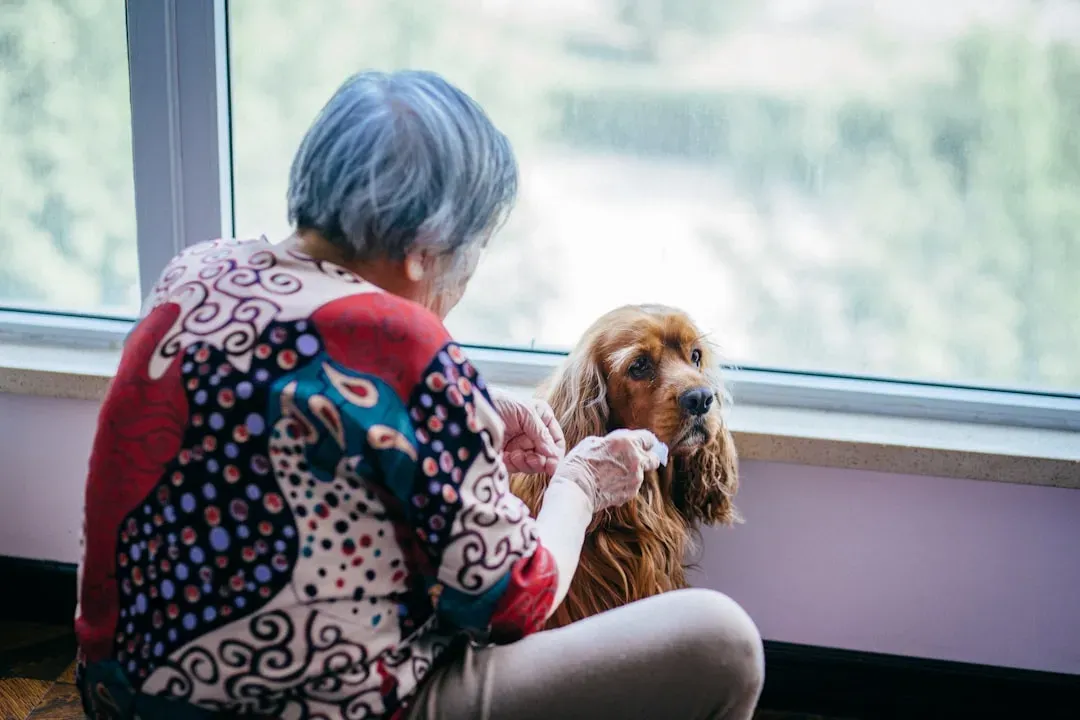
Loneliness among older adults is not a minor inconvenience. It’s increasingly recognized as a serious public health concern with consequences for both mental and physical health. Research has shown that pet ownership can provide important forms of social and emotional support for older adults that can reduce distress, loneliness, and improve overall quality of life.
Research findings suggest that pet ownership may benefit community-dwelling older adults by providing companionship, giving a sense of purpose and meaning, reducing loneliness, and increasing socialisation. These aren’t vague or anecdotal impressions. They emerged from structured interviews with older adults specifically about how pet ownership shaped their experience of daily life.
The differences in social isolation and loneliness according to pet ownership are most pronounced in socially isolated individuals, and socially isolated older adults often turn to their pets as sympathetic ears. For someone who lives alone and has limited daily contact with other people, that presence matters enormously.
The authors of the JAMA study note that while many older adults may not be able to or want to change their situation of living alone, adding a pet to the household may be a manageable or acceptable change for some. It’s a practical observation, and an important one.
#4: A Surprising Boost to Physical Activity

Getting older adults to move more is one of the persistent challenges in senior healthcare. Exercise recommendations are easy to issue and genuinely difficult to follow, especially when motivation is low and social accountability is missing. Pets, it turns out, are surprisingly good at solving this problem without anyone asking them to.
Dog walking was associated with lower body mass index, fewer activities of daily living limitations, fewer doctor visits, and more frequent moderate and vigorous exercise. Those outcomes represent the exact goals that most senior wellness programs are chasing, and dog ownership delivers them as a side effect of simply showing up each morning.
Compared with older adults who don’t own pets, dog walkers had lower body mass, said they could complete more activities of daily living, and made fewer visits to health care professionals. The increased physical activity that comes with pets can help individuals maintain a healthy weight, which can in turn reduce the risk of cancers, improve blood pressure, and lower the risk of heart disease.
A 2023 study found that dog owners who regularly walked their dogs and were not experiencing social isolation had a significantly lower risk of dementia. Movement and social connection, both bundled into a daily walk around the block. That’s a remarkable return on a modest investment of effort.
#5: Pets Give Seniors a Renewed Sense of Purpose
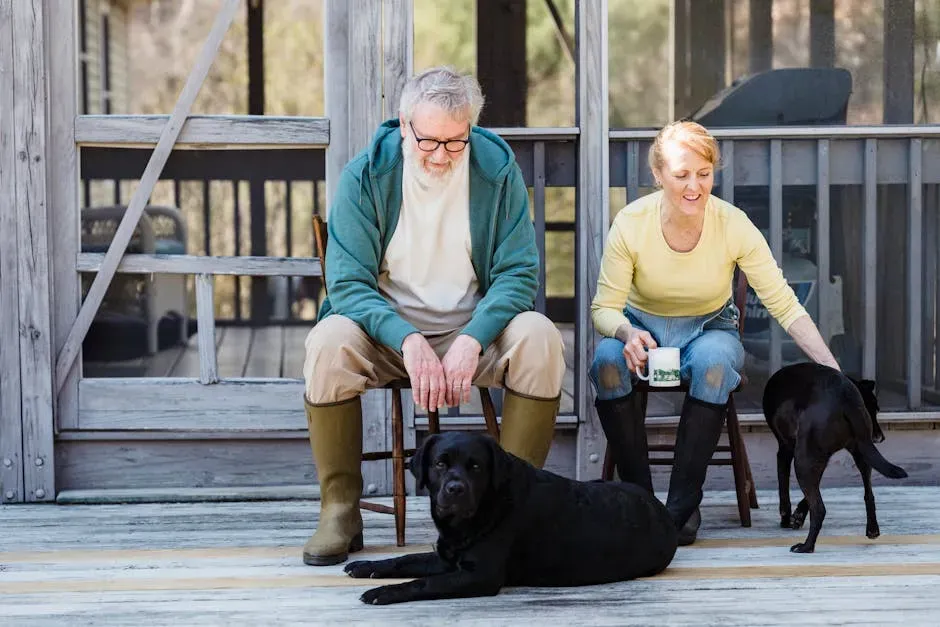
Purpose is an underrated ingredient in healthy aging. It shapes how people get out of bed in the morning, how they structure their days, and how they think about their own relevance in the world. The vast majority of pet owners age 50 and older, roughly four out of five, said their pets give them a sense of purpose, and more than seven in ten said their pets help them enjoy life.
Caring for a pet can instill a sense of responsibility and boost self-esteem in older adults, and whether it’s feeding, grooming, or simply spending quality time together, the daily interactions with a pet can provide a sense of fulfillment and purpose, leading to improved mental and emotional well-being.
One study found that strong attachment to a pet was associated with less depression among older adults. A University of Miami study led by researcher Allen R. McConnell found that pet owners had higher levels of self-esteem and were less fearful and preoccupied than non-pet owners. That kind of psychological grounding is not trivial in a life stage that often involves significant loss of role and identity.
#6: Social Connection and What Comes With It
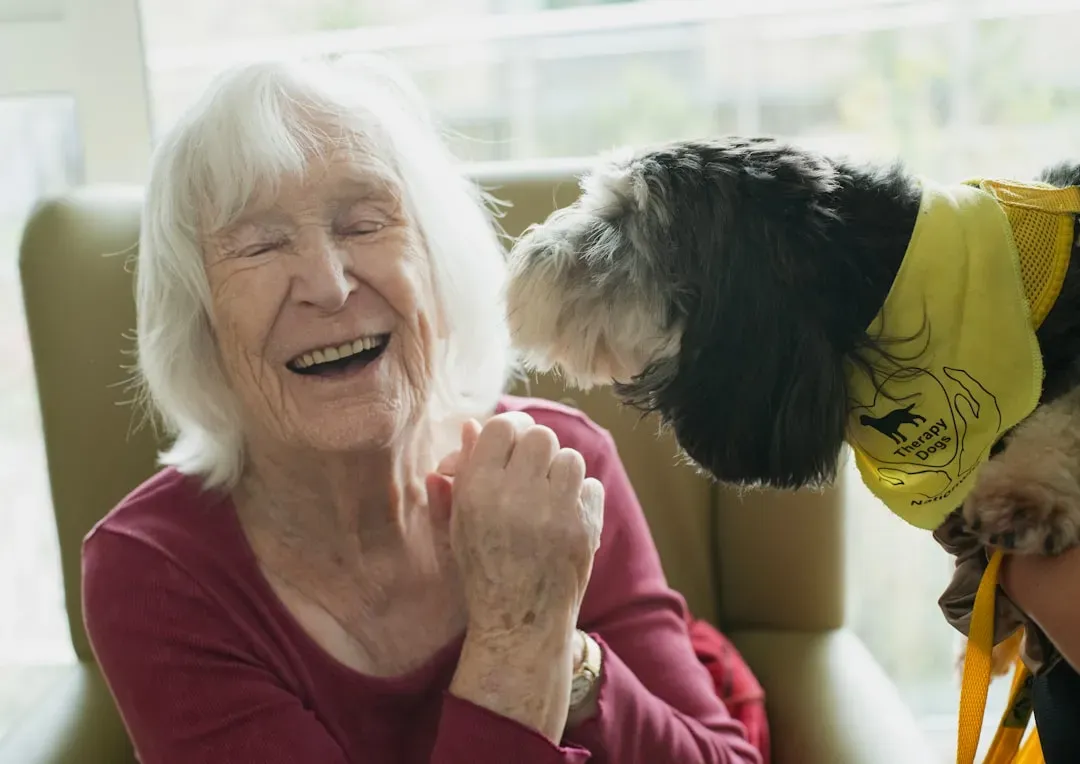
Pets don’t just connect seniors to the animals themselves. They open doors to the broader social world in ways that are genuinely difficult to replicate through other means. Pets can serve as powerful icebreakers and conversation starters, facilitating social interactions and fostering connections with others, whether it’s chatting with fellow pet owners at the park or participating in pet-related events and activities.
Ample evidence supports the notion that the presence of an animal encourages social interaction, with research showing that a dog catalyzes social interactions by increasing approaches by strangers even in unexpected circumstances. For an older adult whose social world has contracted over time, this kind of organic social catalyst can carry real weight.
Human-animal interaction can be conceptualized as an enhancement in the social realm, that in turn can improve psychological status through social support or other mechanisms, such as lower depression, stress, and anxiety, and may ultimately foster positive health outcomes.
Seniors with pets are better able to bridge generational gaps and strengthen intergenerational bonds, particularly in families where grandchildren are involved, and the shared experience of caring for and bonding with a pet can create lasting memories and strengthen familial ties. That might be the most quietly valuable benefit of all: something simple and alive sitting at the center of a family’s shared attention.
Conclusion

The evidence is now substantial enough that it deserves more than a polite nod. Pet ownership for older adults isn’t simply a lifestyle choice or a sentimental comfort. It operates, across a range of well-studied outcomes, as a genuine contributor to brain health, cardiovascular resilience, emotional wellbeing, and social vitality. Dismissing it as “just having an animal around” misses what the data is actually saying.
That said, the picture is not without nuance. Having a pet is a major commitment of time, money, and effort that can be especially difficult for people who have other care responsibilities or serious health concerns. The right pet for the right person matters, and not every senior is in a position to take on the full weight of ownership. But where it’s possible and well-matched, the upside is real.
What strikes me most about this body of research is how quietly revolutionary it is. We spend enormous resources searching for interventions that can slow cognitive decline, reduce cardiovascular risk, and lift older adults out of isolation. And here, padding around the living room, sleeping in a patch of afternoon sun, is one that’s been under our noses all along. Sometimes the most effective medicine doesn’t come in a bottle.

- 10 Ancient Civilizations That Mysteriously Vanished From History - July 20, 2026
- The Emotional Toll of Pet Loss: Coping When Your Best Friend Crosses Over - July 20, 2026
- 15 Dog Breeds That Make Older Adults Feel Young Again - July 20, 2026