

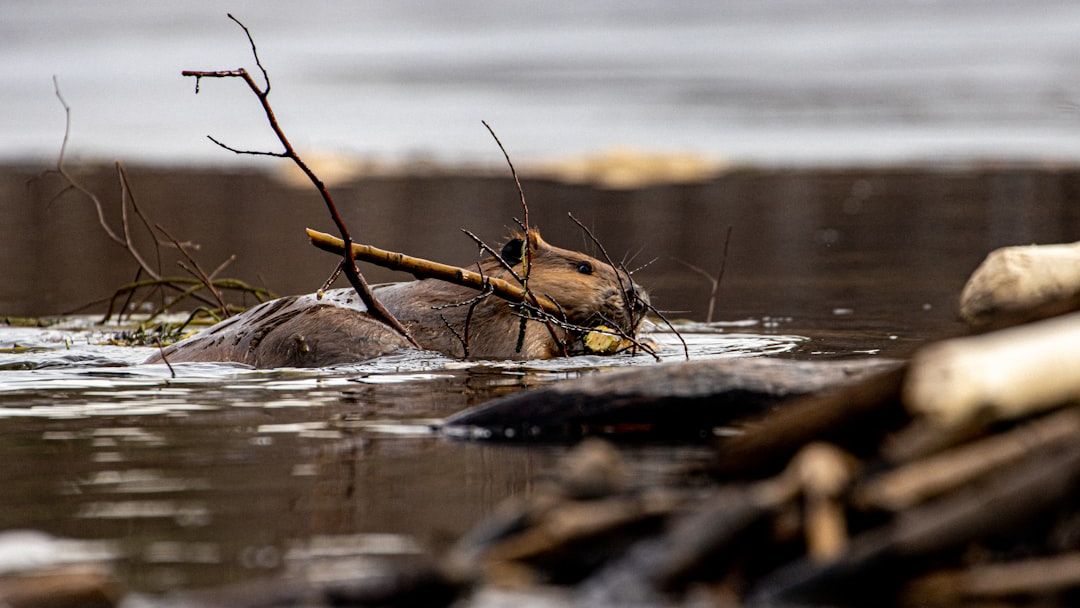
Nature has a way of humbling us. Just when we think we understand how ecosystems work, a rodent the size of a medium dog comes along and outperforms entire conservation teams with nothing but sticks, mud, and instinct. Honestly, it’s a little embarrassing – in the best possible way.
Beavers have been reshaping landscapes for millions of years, long before humans decided wetland conservation was a priority. Now, scientists are paying much closer attention to what these industrious animals actually accomplish, and the findings are reshaping how we think about biodiversity, water systems, and ecological restoration altogether. Let’s dive in.
The Beaver’s Comeback Story Is More Dramatic Than You’d Think
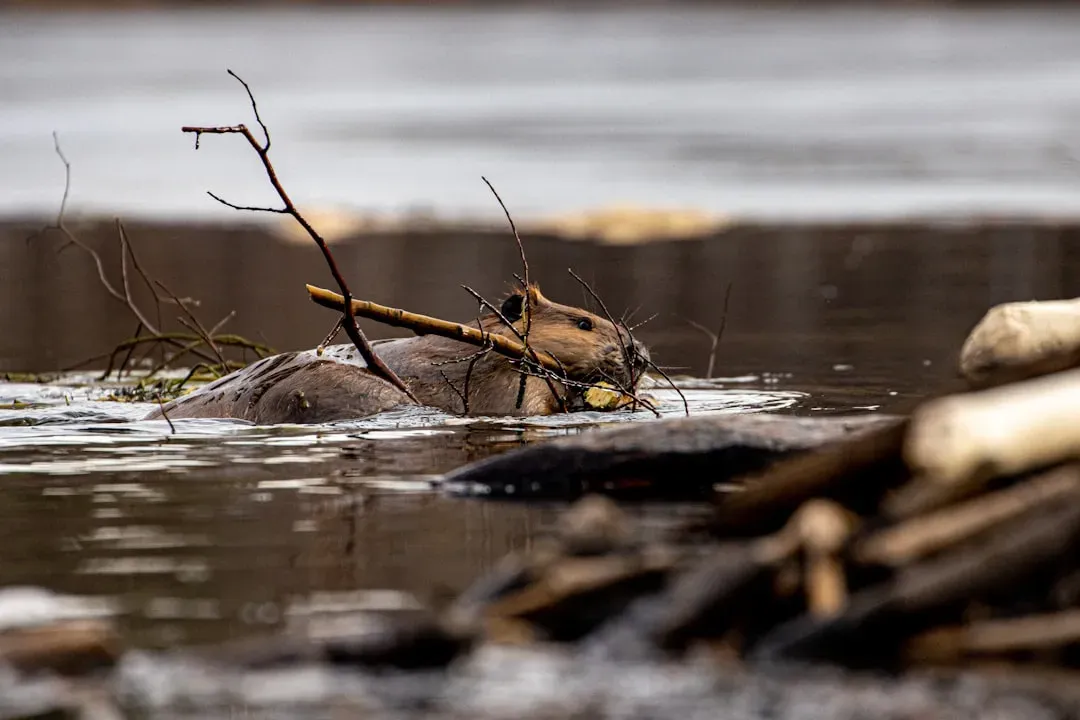
Centuries of trapping nearly wiped beavers off the map across Europe and North America. At their lowest point, populations had collapsed so severely that entire river systems were left without their most important engineer. The recovery effort has been slow, deliberate, and in many places, still ongoing.
What makes this comeback remarkable isn’t just the numbers. It’s the cascade of ecological effects that followed wherever beavers returned. Rivers that had run straight and shallow for decades began to slow, spread, and diversify almost immediately once beaver activity resumed. Wetlands that had dried out started holding water again. The ripple effect, quite literally, was extraordinary.
Wetland Creation at a Scale No Human Project Could Match
Here’s the thing about beaver dams: they’re not just barriers. They’re entire habitat manufacturing systems. A single beaver family can transform a narrow stream corridor into a sprawling wetland complex within just a few seasons, creating conditions that support an astonishing range of species.
Research highlighted by Phys.org confirms that beavers significantly increase the extent and quality of wetland habitats in the regions where they settle. The ponds they create raise local water tables, slow runoff, and trap sediment in ways that improve water quality downstream. Think of it like a beaver dam being nature’s own slow-release water filter combined with a wildlife hotel – all built for free and maintained continuously.
Biodiversity Explodes Where Beavers Move In
It’s hard to overstate how transformative beaver activity is for local wildlife. Studies have consistently shown that wetlands created or modified by beavers support far greater species diversity than comparable areas without them. From amphibians to birds to aquatic invertebrates, the numbers simply go up across the board.
The standing water and varied vegetation that beaver ponds produce create what ecologists call structural complexity – basically, lots of different microhabitats squeezed into a relatively small area. That complexity is exactly what biodiversity thrives on. Dragonflies, herons, otters, fish, frogs, water voles – the guest list for a healthy beaver pond is genuinely impressive, and it builds itself.
The Role of Beavers in Fighting Climate Change
Wetlands are among the most carbon-dense ecosystems on Earth, and beavers are some of the most effective wetland builders in existence. When beavers flood an area, organic matter accumulates in the waterlogged soil, locking carbon away instead of releasing it into the atmosphere. That’s a climate benefit that’s easy to underestimate but hard to replicate artificially.
There’s also the water retention angle, which matters enormously in a world facing increasingly erratic rainfall patterns. Beaver-modified landscapes hold water during dry spells and absorb excess flow during floods, essentially acting as natural sponges at a landscape scale. Some researchers argue that reintroducing beavers in strategic locations could meaningfully contribute to regional climate resilience. It’s hard to say for sure exactly how large that contribution is at scale, but the direction of the evidence is clear and encouraging.
Challenges and Controversies Around Beaver Reintroduction
Let’s be real: not everyone is thrilled about beavers moving back into the neighborhood. Farmers and landowners sometimes find that beaver dams flood agricultural fields, block drainage systems, or damage infrastructure in inconvenient ways. These are legitimate concerns, not just resistance to change.
Conservation programs working with beaver reintroduction across the UK, the Netherlands, and parts of North America have had to develop management strategies that balance ecological gains with human land use. In some areas, flow devices are installed within dams to control water levels. In others, compensation schemes are offered to landowners affected by flooding. The tension is real, but most experts working in this space believe the ecological benefits outweigh the costs – provided management is thoughtful and communities are genuinely involved from the start.
What the Science Actually Says About Beaver-Created Wetlands
The research base here is growing fast. Multiple recent studies have documented measurable improvements in water quality, increased macroinvertebrate abundance, and expanded riparian vegetation in beaver-influenced sites compared to control areas. The findings are consistent enough that the scientific community has largely shifted from curiosity to confidence about the beaver’s ecological value.
What’s particularly interesting is how quickly these changes can manifest. In some monitored sites, significant biodiversity gains were recorded within just a few years of beaver reestablishment. That’s a remarkably short timescale for ecological restoration, especially compared to the decades often required for tree planting or engineered wetland projects to deliver comparable results. Nature, when given the right agent, can move faster than we give it credit for.
Why Beavers Deserve a Central Role in Future Conservation Strategy
Rewilding is increasingly being taken seriously as a conservation strategy, and beavers are one of its most compelling poster species. Unlike some reintroduction projects that require ongoing human management to succeed, beavers are genuinely self-sustaining once established. They don’t need feeding, guiding, or constant monitoring – they just get to work.
Policy makers, land managers, and conservation organizations across Europe and beyond are starting to recognize this. Formal reintroduction programs are now active in England, Scotland, Germany, Belgium, and several other countries. The trajectory feels optimistic. If the ecological data continues to align with what early studies are already showing, beavers could become one of the most cost-effective tools in the conservation toolkit – not because of anything we do, but because of everything they do on their own.
A Quiet Revolution Happening in Our Waterways
There’s something deeply satisfying about a conservation story where the solution isn’t a technology or a policy framework but an animal that just needs the space to exist. Beavers don’t know they’re solving problems. They’re simply doing what they’ve always done – building, maintaining, and expanding their wetland homes with remarkable consistency.
The science is compelling, the ecological logic is sound, and the early results from reintroduction programs are genuinely exciting. What the beaver story really challenges us to reconsider is our instinct to engineer our way out of environmental problems. Sometimes the best intervention is knowing when to step back and let something wild take the lead.
What do you think – should beavers be at the heart of wetland restoration efforts everywhere? Drop your thoughts in the comments below.

- Urban Coyotes Show Remarkable Adaptability, Learning to Thrive in City Environments - July 22, 2026
- Beavers Are Nature’s Engineers, Creating Vital Habitats for Other Wildlife Species - July 21, 2026
- The Recovery of the California Condor Offers Hope for Other Critically Endangered Birds - July 21, 2026