

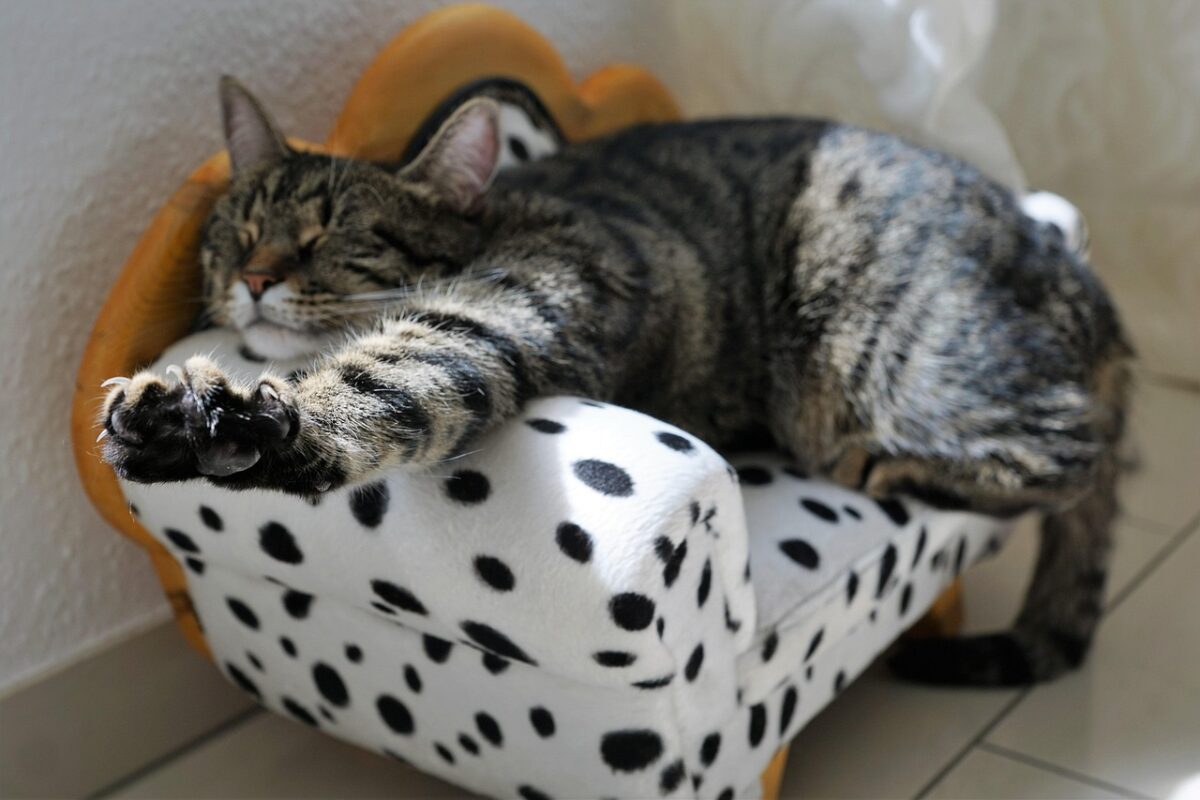

Grasp the Basics of Cat Claw Structure (Image Credits: Pixabay)
Many cat owners face the challenge of keeping their feline companions’ claws in check without turning grooming time into a battle of wills.
Grasp the Basics of Cat Claw Structure
Cat nails consist of a hard outer sheath surrounding a sensitive inner core known as the quick, which contains blood vessels and nerves. Trimming too close to this area can cause pain and bleeding, so owners must learn to identify it before starting. Light-colored nails often reveal the pink quick underneath, making it easier to spot, while darker ones require more caution and perhaps a magnifying tool for precision.
Experts recommend trimming just the tip of the nail, avoiding the curved portion where the quick begins. This approach prevents injury and helps cats maintain natural scratching behaviors without risking household damage. Regular observation during playtime can familiarize owners with their cat’s nail growth patterns over time.
Prepare Your Cat for Success
Begin grooming sessions during kittenhood to build positive associations, as young cats adapt more readily to handling. For adult cats, gradual desensitization proves effective; gently touch and massage their paws daily without clippers to reduce anxiety. Select a quiet, distraction-free room where your cat feels secure, perhaps after a meal when they remain relaxed and less likely to bolt.
Stock up on the right tools, such as guillotine-style clippers designed for cats, which slice cleanly through the nail. Avoid human nail tools, as they can split the claw. Pair preparation with treats or praise to transform the routine into a rewarding experience rather than a chore.
Master the Trimming Technique
Position your cat comfortably on your lap or a stable surface, using your body to gently restrain without force. Extend one paw at a time by pressing lightly on the toe pad, then trim small amounts from the front of the nail in a straight cut. Work slowly, pausing for breaks if your cat shows signs of stress, like twitching ears or attempts to pull away.
Most cats need trims every two to four weeks, depending on their activity level; indoor cats often require more frequent sessions since they scratch less on rough surfaces. If resistance builds, enlist a helper to distract with toys or food. This methodical process minimizes scratches and builds trust over repeated attempts.
Handle Common Challenges Effectively
Accidents happen, especially with dark nails where the quick hides. If you cut too short, apply styptic powder or cornstarch to staunch any bleeding, and comfort your cat immediately to reassure them. Persistent fear might stem from past negative experiences, so revert to shorter sessions focused solely on paw touching until comfort returns.
For particularly feisty cats, consider the towel wrap method, where you bundle them snugly, exposing one paw at a time. This technique limits movement while keeping the environment calm. Professional groomers note that patience often yields better results than rushing, preventing escalation into full-blown aversion.
Explore Alternatives and Long-Term Care
Besides clipping, scratching posts and pads encourage natural wear, reducing the need for frequent trims. Some owners opt for soft nail caps, which glue over the claws for weeks at a time and blunt sharpness without altering the nail itself. These options suit cats who tolerate adhesives but resist direct trimming.
Monitor for overgrowth, which can lead to ingrown nails or discomfort during walking. Veterinary check-ups provide an opportunity to observe technique and address any health issues affecting claw growth. Consistent care not only protects furniture but also safeguards your cat’s paws from painful complications.
Key Takeaways
- Start with desensitization to make paw handling routine and non-threatening.
- Trim only the nail tip to avoid the quick and prevent bleeding.
- Use distractions like treats to associate grooming with positive outcomes.
With these strategies, nail trimming evolves from a dreaded task into a manageable part of pet ownership that strengthens the bond between you and your cat. What challenges have you faced with cat grooming, and how did you overcome them? Share your experiences in the comments below.

- Urban Coyotes Show Remarkable Adaptability, Learning to Thrive in City Environments - July 22, 2026
- Beavers Are Nature’s Engineers, Creating Vital Habitats for Other Wildlife Species - July 21, 2026
- The Recovery of the California Condor Offers Hope for Other Critically Endangered Birds - July 21, 2026