

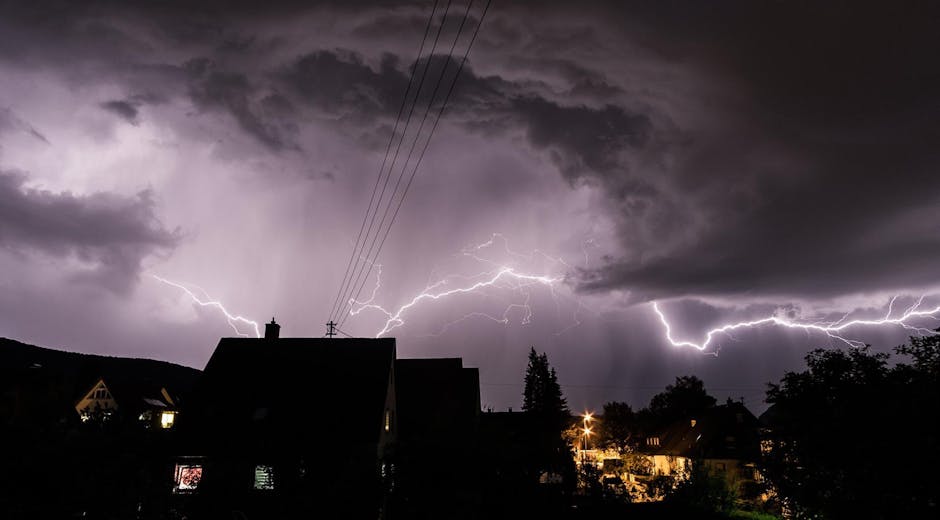
Damaging Winds and Isolated Tornado Potential (Image Credits: Pexels)
North Texas – Residents prepared for a conditional risk of severe weather on Sunday, April 12, 2026, as thunderstorms threatened to unleash ping-pong-sized hail and wind gusts up to 65 mph.[1][2] Western counties already recorded more than one inch of rain, while the Dallas-Fort Worth metroplex eyed potential storm development later in the afternoon.[1] Officials urged vigilance amid an active weather pattern fueling scattered strong storms across the region.[3]
Ping-Pong Hail Poses Major Vehicle Threat
Hail the size of ping-pong balls, measuring about 1.5 inches, emerged as a primary concern for Sunday’s storms.[1] Such stones could dent vehicles, shatter windows, and cause property damage if storms intensified. Forecasters highlighted a 15 percent probability for large hail in parts of North Texas.[4]
Scattered thunderstorms built through the morning, primarily packing gusty winds, before additional severe cells redeveloped in the afternoon.[3] The National Weather Service noted that any storms forming along the dryline posed risks for all hazards, including oversized hail.[3] Central Texas saw similar threats persist into the evening.
Damaging Winds and Isolated Tornado Potential
Wind gusts reaching 65 mph threatened to topple trees, down power lines, and create hazardous driving conditions.[1] A 15 percent chance of damaging winds accompanied the outlook, with some areas facing gusts up to 70 mph or higher.[4][5] These storms formed in an environment ripe for rotation, introducing a low but notable tornado risk around 2 percent.[4]
Morning showers transitioned into stronger activity by midday, with the peak severe window arriving in the afternoon and evening.[3] Portions of the DFW metro fell under marginal to slight severe risk levels, prompting weather watches in surrounding counties.[6] Officials activated emergency resources in anticipation of impacts.[7]
Heavy Rain Fuels Flooding Worries in West
Western North Texas counties absorbed over one inch of rain early Sunday, heightening flash flood concerns.[1] Additional rounds promised 1 to 2 inches more in isolated spots, exacerbating runoff on saturated grounds.[8] Low-lying areas and urban zones faced the greatest vulnerability.
Storms lined up along a steamy, wind-whipped front, carrying showers into the afternoon across DFW.[9] A 40 to 70 percent chance of thunderstorms persisted, with some producing heavy downpours.[10][11] River flood warnings lingered in select counties like Rockwall and Hunt.[12]
Preparation Steps for DFW Residents
Local authorities recommended securing outdoor items and avoiding flooded roads as storms approached.[13] The setup favored discrete supercells early, potentially evolving into lines overnight.
Key actions included:
- Monitor National Weather Service updates via weather.gov/fwd for real-time alerts.[3]
- Park vehicles in garages to shield from hail damage.
- Charge devices and prepare emergency kits with water and flashlights.
- Stay indoors during peak storm times, away from windows.
- Report hazards to local authorities without delaying safety.
- Avoid travel if heavy rain reduces visibility.
| Hazard | Probability | Potential Impact |
|---|---|---|
| Large Hail | 15% | Vehicle/property damage[4] |
| Damaging Winds | 15% | Power outages, downed trees[4] |
| Isolated Tornado | 2% | Localized destruction |
Key Takeaways
- Conditional severe risk peaks afternoon in DFW; western areas saw heavy rain early.
- Primary threats: ping-pong hail, 65 mph winds, flash flooding.
- Stay informed and prepared—conditions could shift rapidly.
As North Texas navigated this volatile setup, the focus remained on safety amid an unsettled weekend pattern. Quick action could prevent tragedies from hail, winds, or floods. What are your storm prep plans? Share in the comments below.

- Urban Coyotes Show Remarkable Adaptability, Learning to Thrive in City Environments - July 22, 2026
- Beavers Are Nature’s Engineers, Creating Vital Habitats for Other Wildlife Species - July 21, 2026
- The Recovery of the California Condor Offers Hope for Other Critically Endangered Birds - July 21, 2026