


The world of northern fur seals is a fascinating blend of the wild and the tactical. These marine mammals, with their fur-lined appearances and charismatic demeanor, harbor intriguing behaviors, especially when it comes to breeding. Understanding how male northern fur seals establish dominance in their breeding grounds provides insights into the complex social structures of these creatures and the challenges they face.
Introduction to Northern Fur Seals

The northern fur seal, scientifically named *Callorhinus ursinus*, is an iconic species that inhabits the North Pacific Ocean. Known for their rich fur and playful nature, these seals are a remarkable part of marine biodiversity. Their annual cycle, particularly the breeding season, offers a unique glimpse into their social fabric as males strive to secure reproductive opportunities.
Breeding Grounds and Their Importance

Breeding grounds for northern fur seals are predominantly on rocky shores and islands. These rookeries enable the congregation of males and females for the purpose of mating. Each rookery becomes a bustling hub of activity during the breeding season, usually from June to August, the time when struggles for dominance become most apparent.
The Arrival of Males

Males, known as bulls, are the first to arrive at the breeding grounds. They typically reach these locations weeks before the females to establish territories. This early arrival is crucial as it provides them with the opportunity to claim prime sections of the rookery, which is vital for attracting females.
Establishing Territories
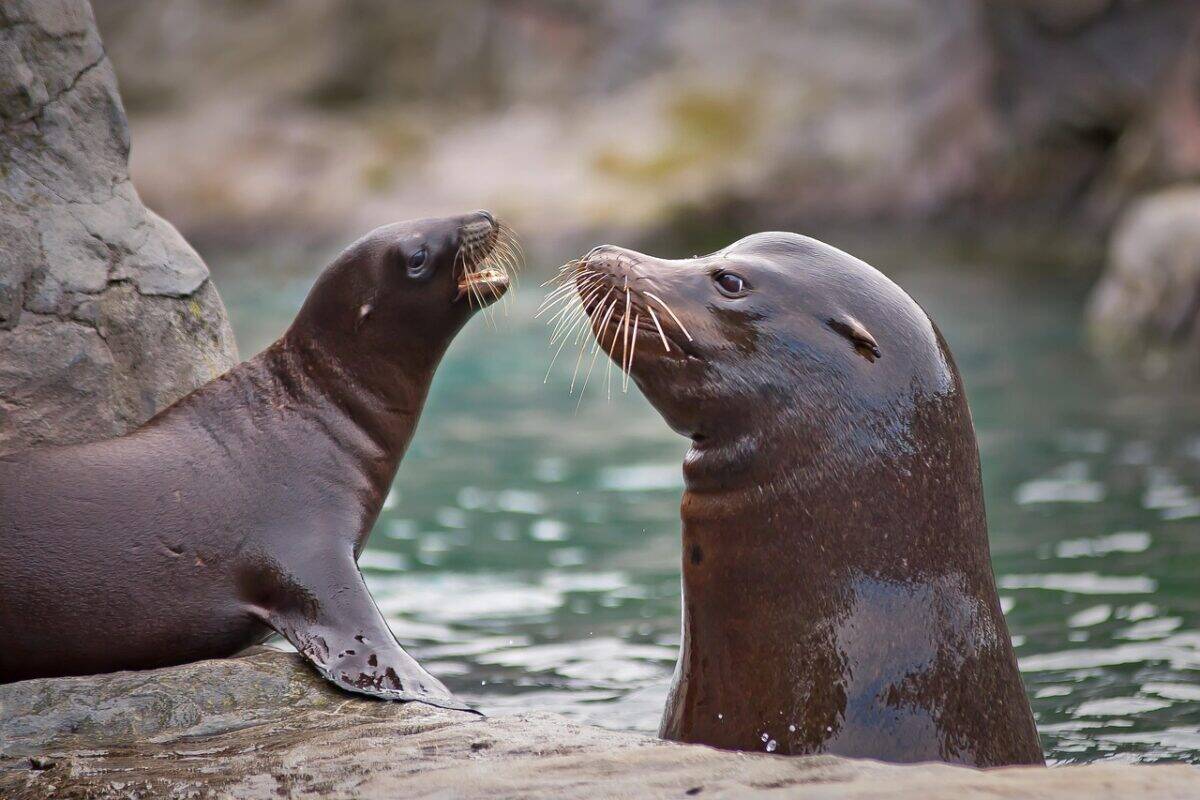
Upon arrival, males engage in fierce battles to establish and defend territories. These confrontations often appear aggressive and involve displays of size, strength, and vocal prowess. The primary goal is to mark boundaries and drive away rivals, ensuring a commanding position in the rookery.
The Role of Size and Strength

Size and strength are significant factors in determining dominance among northern fur seals. Larger bulls often have the advantage in physical confrontations, allowing them to maintain control over more desirable territories. These attributes are crucial for a male’s success in breeding as they correlate with his ability to fend off intruders and retain his harem of females.
Vocalizations and Displays

Cape fur seals. Image by © Hans Hillewaert via Wikimedia Commons.
Vocalizations play a pivotal role in how males establish dominance. Bulls emit powerful and resonant calls that serve to intimidate rivals and attract females. These vocal displays are complemented by physical gestures such as head thrusts and posturing, further showcasing a bull’s strength and readiness to defend his territory.
Strategic Alliances

In addition to physical prowess, some males employ strategic alliances to maintain their dominance. Forming coalitions with neighboring bulls can help them control larger territories and protect against encroachments. Such alliances are not common but can be a significant advantage when individual strength alone is insufficient.
The Role of Hormones
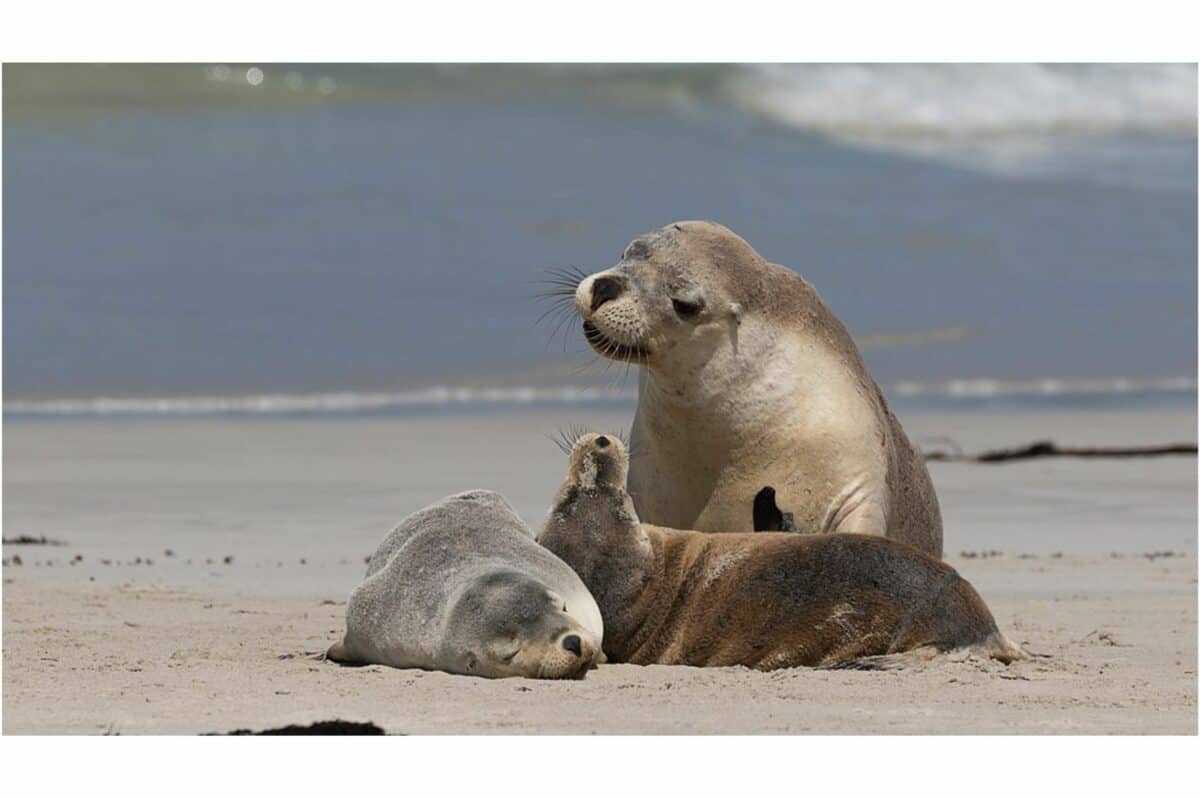
Hormones, specifically testosterone, play a crucial role in the aggressive behaviors exhibited by male northern fur seals. During the breeding season, elevated testosterone levels increase territoriality and aggression, equipping bulls for the challenges of maintaining their status and attracting mates.
Challenges and Threats

While physical confrontation is a primary means of establishing dominance, male northern fur seals face several challenges. Environmental changes, human activities, and predation all pose threats that can impact their ability to successfully govern their territories and reproduce.
Maintaining Dominance and Its Effects

Maintaining dominance requires continuous vigilance. Bulls must constantly patrol their territories, fend off rivals, and ensure the presence of females within their domain. This constant state of alertness can be physically taxing, often resulting in males losing significant weight by the end of the breeding season.
The Impact on Breeding Success
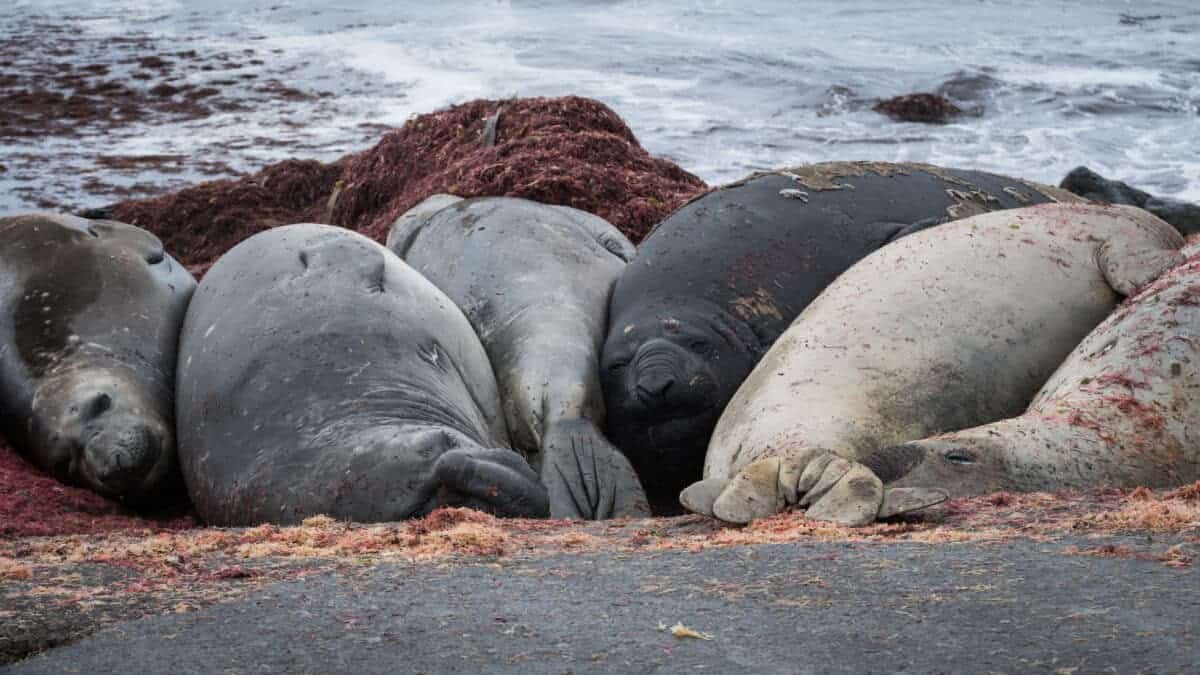
A male’s ability to establish and maintain dominance directly influences his breeding success. Those who control the most advantageous territories in the rookery can attract multiple females, thus increasing their chances of siring offspring. The genetic legacy of dominant males thus shapes the future populations of northern fur seals.
Conclusion: The Complexity of Northern Fur Seal Breeding
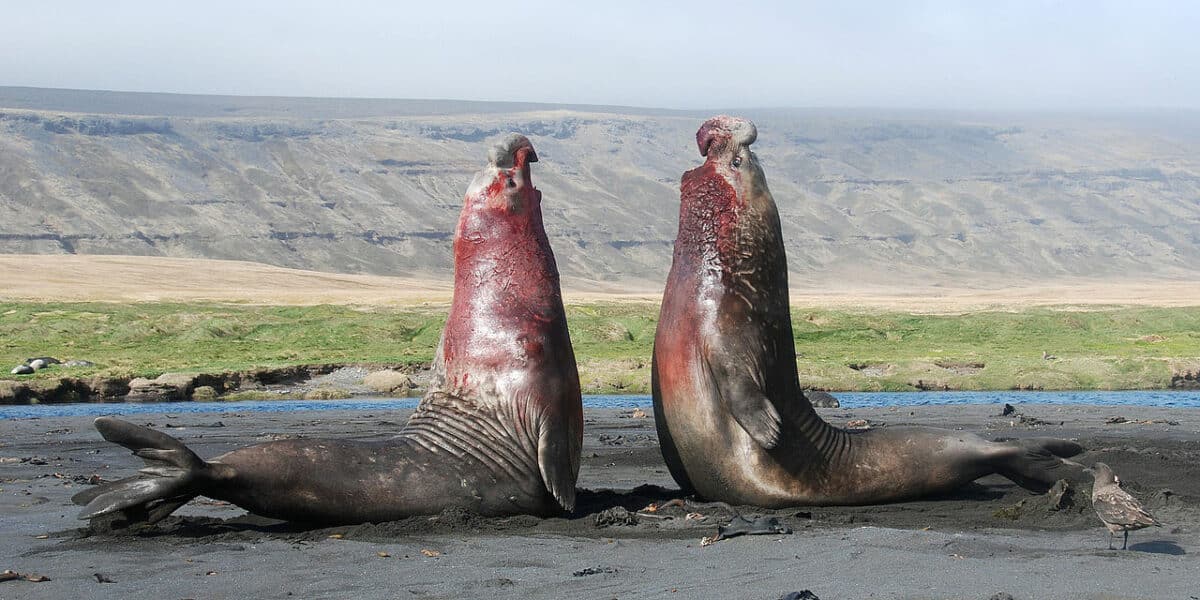
The process of establishing dominance within northern fur seal breeding grounds is a complex interplay of strength, strategy, and survival. It speaks to a broader narrative about the evolutionary behaviors that drive these marine mammals. Understanding these dynamics not only enriches our knowledge of northern fur seals but also underscores the intricate balance within marine ecosystems.

As a little kid, I fell in love with nature, wildlife, and animals. Living in the USA, South Africa, Italy, China and Germany gave me the opportunity to discover the world's Wildlife. My favorite animals are Mountain Gorillas, Siberian Tigers, and Great White Sharks.
I'm a certified PADI Open Water Diver, went to Everest Base Camp and Trekked Gorillas in Uganda. I hold a Master of Science in Economics and Finance.
Please send any feedback to feedback@animalsaroundtheglobe.com
- 11 Most Endangered Insects Buzzing in America Today - July 22, 2026
- 10 Most Frequently Googled Animal Birth Facts - July 22, 2026
- 10 Incredible Migration Journeys in the Animal Kingdom - July 22, 2026