


The northern white rhino—a subspecies of the white rhino—is nearly extinct. Only two remain: Najin and her daughter Fatu, both living under 24-hour armed guard in the Ol Pejeta Conservancy in Kenya. And here’s the kicker—neither of them can reproduce naturally. That makes this more than just a conservation issue. It’s a race against extinction.
Rhinos once roamed widely across Central Africa. But heavy poaching for their horns, habitat loss, and years of civil conflict decimated their numbers. By 2008, wild northern white rhinos had vanished. The last male, Sudan, died in 2018. Since then, the only hope has rested in science.
A New Frontier: Rhino IVF and Embryos
Since natural breeding is no longer an option, scientists have turned to in-vitro fertilization (IVF)—using eggs harvested from Fatu and frozen sperm from deceased males. As of 2025, 36 viable embryos have been created and stored in labs in Germany and Italy.
The plan is to implant these embryos into southern white rhino surrogates, a close relative. This would allow the embryos to develop in a living animal, offering a chance to bring northern white rhinos back from the brink.
In early 2024, a surrogate southern white rhino became pregnant with one of the test embryos, but the pregnancy tragically ended after the fetus died from infection. Still, the attempt proved the technique can work.
Trying Stem Cells and Genetic Engineering

The next step is even more ambitious. Scientists are working on turning skin cells from deceased rhinos into egg and sperm cells through a process called induced pluripotent stem cells (iPSCs). This could drastically increase the genetic pool—and that’s critical.
With only two females and a few preserved males, genetic diversity is dangerously low. Without it, even if calves are born, inbreeding could cause long-term problems. So the team is not just trying to make rhinos. They’re trying to make a healthy population.
What Makes Rhinos So Important?
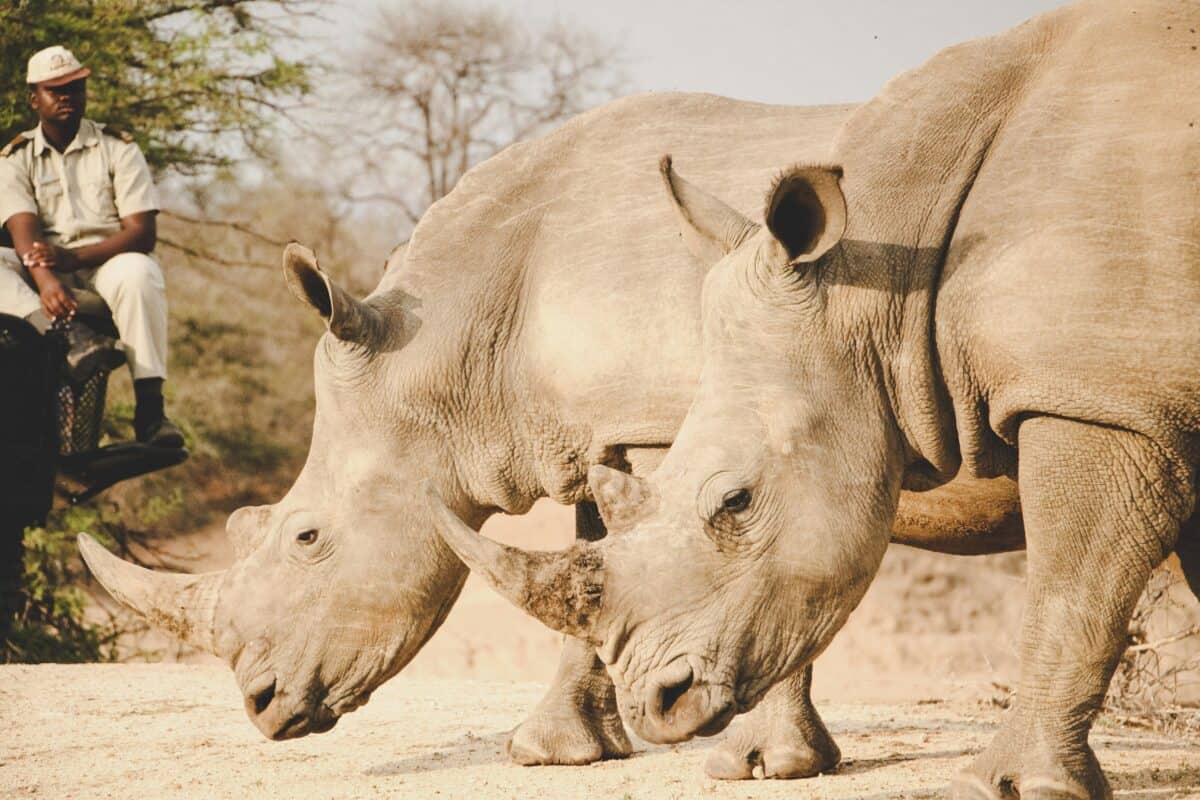
Northern white rhinos aren’t just big animals with horns. They’re keystone species—meaning their presence shapes the entire ecosystem. As mega-herbivores, they help maintain African grasslands by clearing vegetation, creating space for other animals to thrive.
Their extinction wouldn’t just be a loss of a species—it would disrupt ecosystems and erase millions of years of evolutionary history. That’s why the global scientific community is pulling together on this.
Can Science Save Them?
This is a high-risk, high-reward effort. Creating embryos is only the beginning. Implanting them successfully, ensuring the surrogates carry to term, and then raising calves with the proper behavior and diet is a whole other challenge. And it all needs to happen quickly—Najin and Fatu are getting older.
Still, this is one of the most promising efforts ever attempted to bring a large mammal species back from the brink. It’s not just about saving rhinos. It’s about proving that when science and conservation come together, we can undo some of the damage we’ve caused.
A Message of Hope
The northern white rhino’s story isn’t over yet. While extinction looms, the science isn’t giving up—and neither are the people fighting for these animals. If a calf is born in 2025, it could mark one of the greatest wildlife comeback stories in human history.

- Texas Ranchers Injured and Horses Killed in Aggressive Bee Attack - July 19, 2026
- Cougar Attack on Cyclists Shakes Washington Wilderness - July 19, 2026
- Snake Found in Arizona Toilet Shocks Homeowner - July 19, 2026