
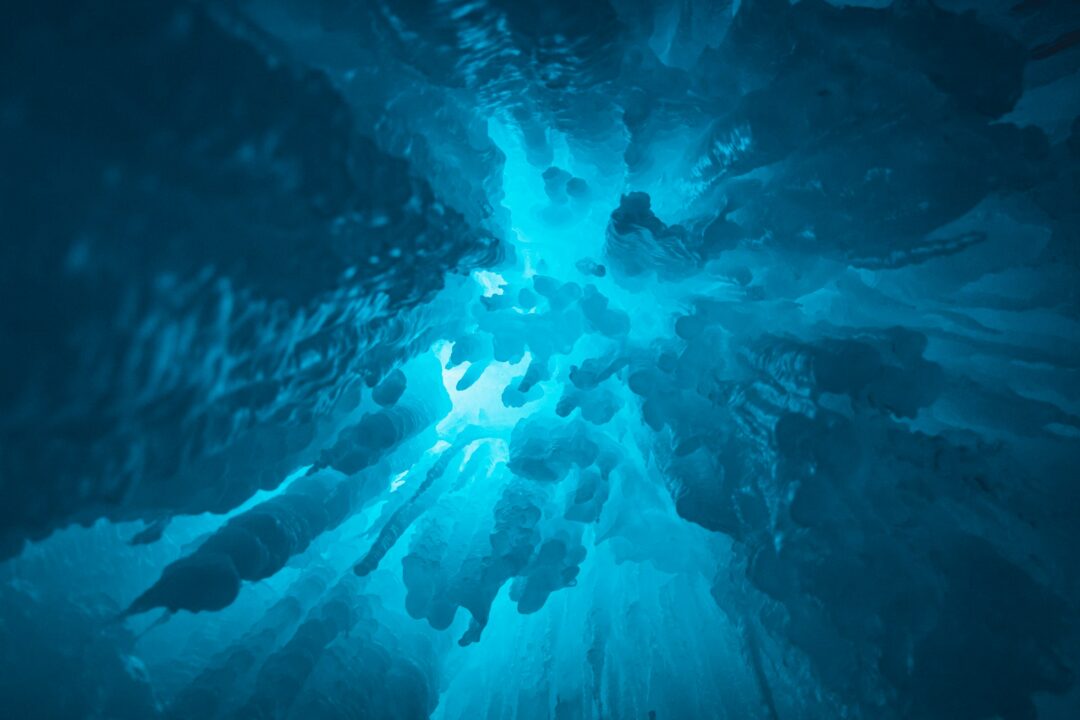
Picture a remote control submersible creeping across a dark seafloor, its lights picking out mud, a few drifting particles and not much else. Then the camera finds a shoreline. There’s a glassy surface, a pale rim of mussels, and ripples that look just like a lake in a forest, except that this one sits thousands of feet under the Gulf of Mexico.
These features are real, and scientists call them brine pools. They’re not metaphors or sci-fi props. They raise a fair question: how can a body of water exist inside the ocean and still stay separate from it, and who on earth would choose to live beside it?
What a Lake on the Seafloor Actually Is
🔥 Would you like to save this?
We'll email this post to you, so you can come back to it later!
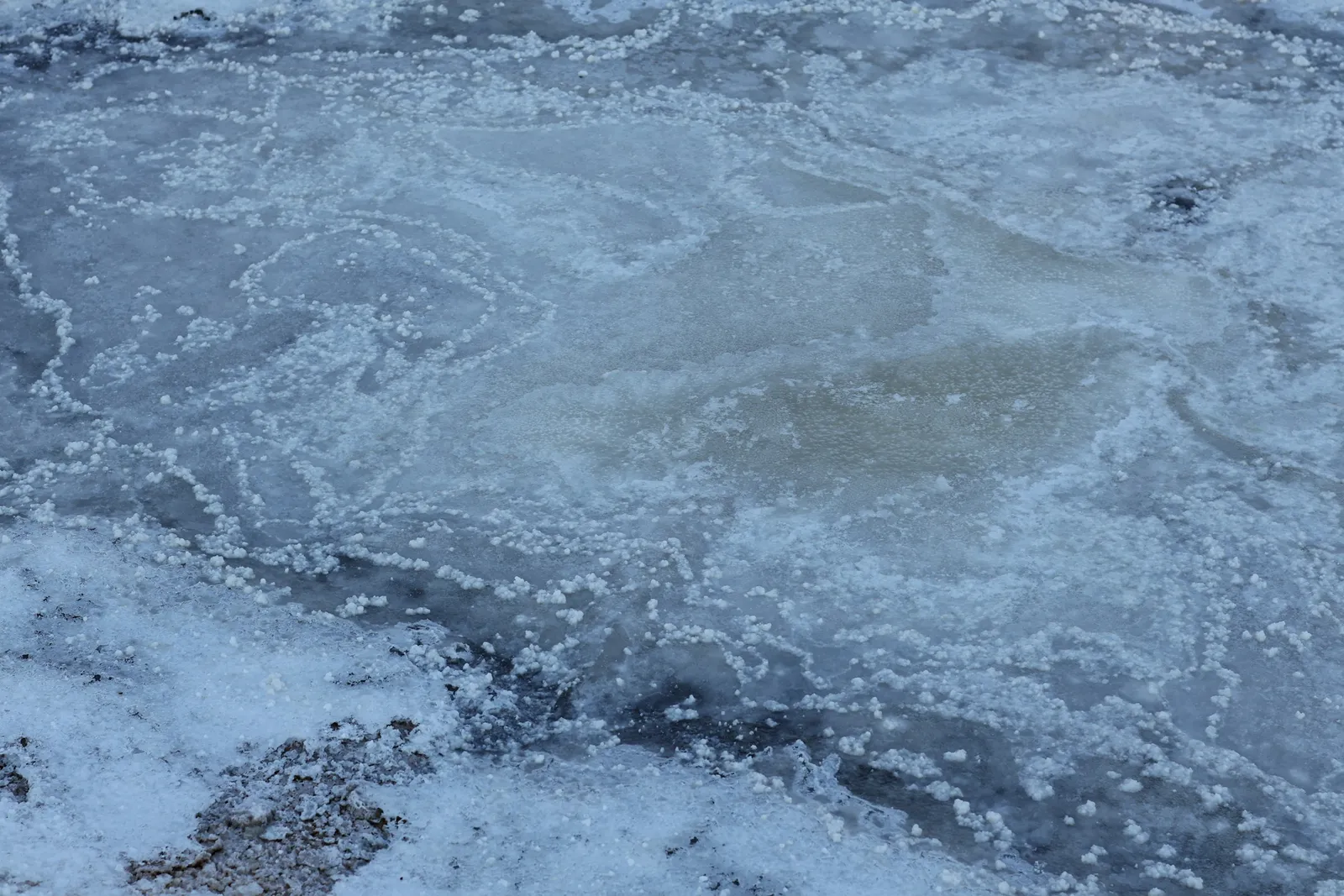
A brine pool is a patch of seafloor, usually in a depression, filled with water that’s far saltier than normal seawater. Typical ocean water is salty enough already, yet the brine in these pools can be several times saltier. That extra salt makes the water much denser, so it sinks into low spots and stays there like soup in a bowl.
The boundary between the pool and the water above is called a halocline, or sometimes a chemocline. It’s surprisingly sharp. Because the heavy brine sits beneath lighter seawater, the two layers barely mix, and the surface of the pool can look like a real water line with waves moving across it.
Some of these pools are small, only a few meters wide. Others are huge basins that stretch for kilometers. They’ve turned up in the Gulf of Mexico, the Red Sea, the Mediterranean and other places where the geology is right.
A few quick facts help frame what makes them special:
- The water is much saltier and heavier than the sea around it.
- The pool stays layered, with very little mixing at the boundary.
- The brine often holds little or no oxygen.
- Many pools contain methane, hydrogen sulfide or both.
Where All That Salt Comes From
🔥 Would you like to save this?
We'll email this post to you, so you can come back to it later!
The salt isn’t added by the ocean above. It comes from deep underground, and the story usually starts millions of years ago. In places like the northern Gulf of Mexico, thick layers of ancient salt were laid down when old seas dried up and were later buried under sediment.
Over time, the weight of that sediment pressed on the salt and made it move, a bit like very slow toothpaste. As the salt shifts, it fractures the rock around it and creates pathways. Seawater trickles down, dissolves the salt, and the resulting brine gets pushed back up toward the seafloor.
When that brine seeps out, it collects in any dip it can find. In many Gulf locations, it comes with methane and other hydrocarbons, which is why brine pools are often tied to what scientists call cold seeps. The fluids are cold in the sense that they aren’t hot like hydrothermal vents, though that doesn’t make the place friendly.
The Red Sea is a different case. Some of its deep basins are linked to evaporite layers and to geothermal activity, so the brines there can be extremely hot as well as salty. That’s one reason researchers treat each brine pool as its own little natural experiment rather than a copy of the others.
Why Life Shouldn’t Work Here (and Sometimes Doesn’t)
🔥 Would you like to save this?
We'll email this post to you, so you can come back to it later!
On paper, a brine pool is a terrible address. High salt pulls water out of cells, which is a big problem for most animals and microbes. Add the lack of oxygen and the presence of toxic hydrogen sulfide, and the pool becomes a place where a typical fish or crab would be in serious trouble.
Ocean exploration teams have filmed what happens to animals that wander in. Some become stunned or die after contact with the brine, and the pool edges can end up lined with the remains of creatures that made the wrong turn. That’s partly why one well known Gulf pool picked up a grim nickname among researchers and the press.
Some pools are tougher than others. Research on a Mediterranean brine lake called Discovery Basin, which is rich in magnesium chloride, suggested the chemistry there can be hostile enough to stop biological activity in parts of the brine. It’s a useful reminder that salty doesn’t just mean one thing, since the type of salt matters as much as the amount.
So the honest summary is mixed. Many brine environments host life, while the harshest ones may sit near or past the limits of what cells can tolerate. Scientists are still mapping where those limits are.
The Mussels, Microbes and Other Residents of the Shoreline
🔥 Would you like to save this?
We'll email this post to you, so you can come back to it later!
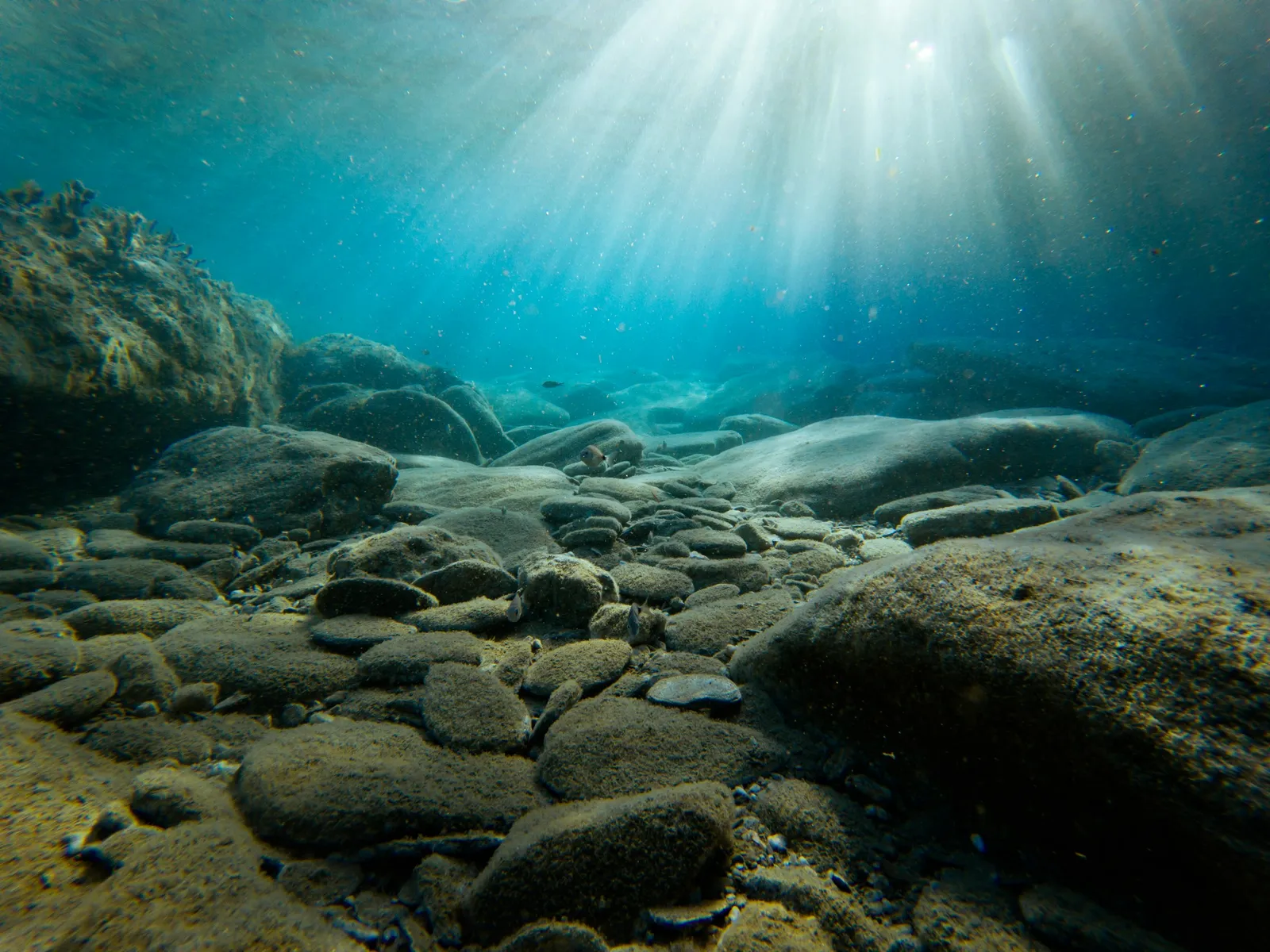
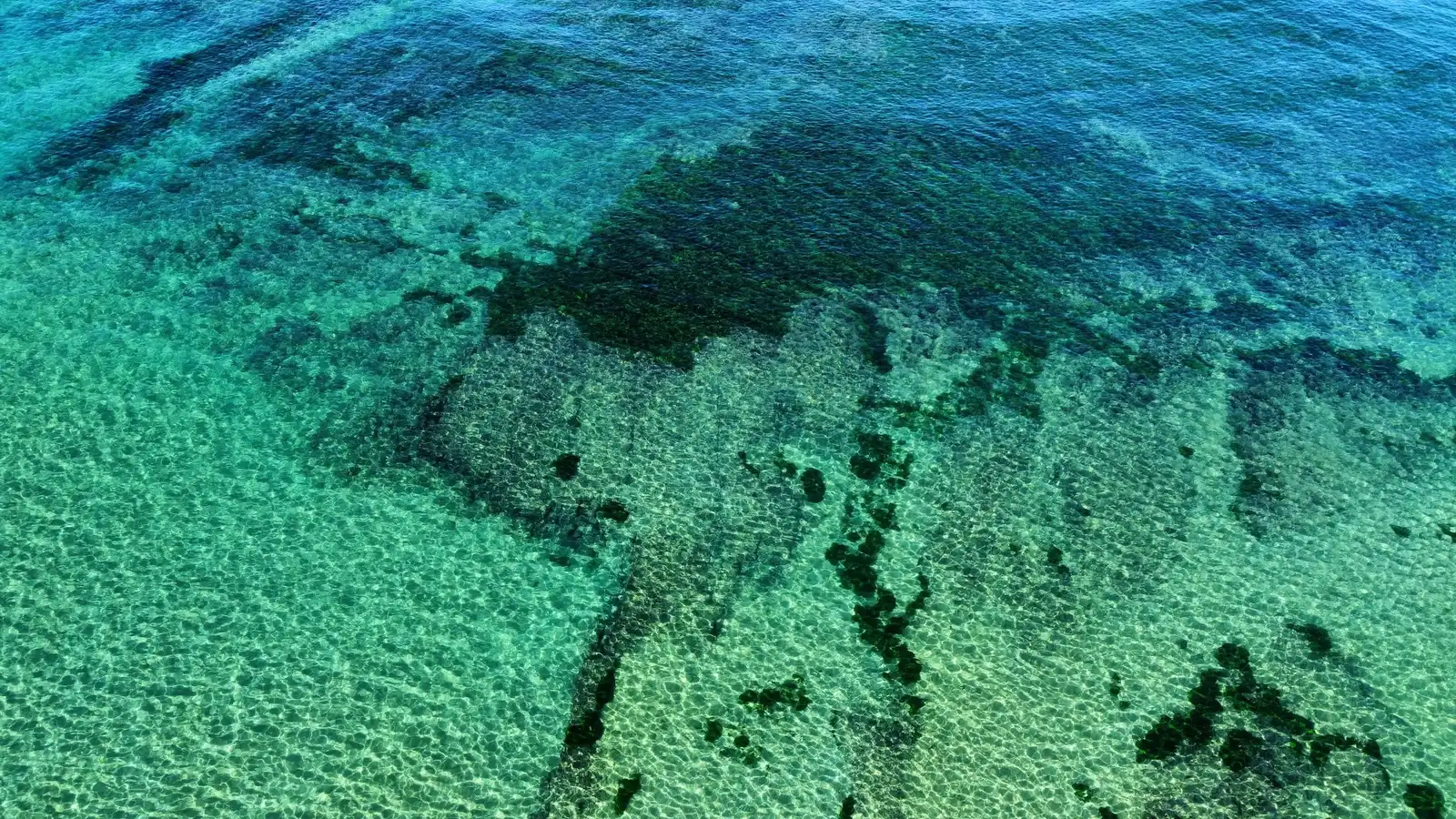
The most striking residents are the mussels. In Gulf of Mexico brine pools, dense beds of deep sea mussels often form a ring along the pool edge, almost like a garden fence. They aren’t swimming in the brine itself. They sit at the margin, where they can reach both the seawater above and the chemical fluids leaking from below.
Their trick is teamwork. These mussels host bacteria inside their gills, and those bacteria can use methane as an energy source. The mussel provides a home, the bacteria turn seeping gas into food, and the whole arrangement works without sunlight.
This process is called chemosynthesis, and it’s the same basic idea that powers life around hydrothermal vents. Sunlight doesn’t reach these depths, so the food web starts with chemistry instead of photosynthesis. Tube worms, snails, shrimp and other animals can show up around seeps too, feeding on the microbes or on the animals that host them.
Deep inside and just beneath the pools, microbes do even stranger work. Researchers have found communities that can cope with high salt, little oxygen and unusual chemistry. Some of them cycle sulfur and methane in ways that scientists are still working to understand.
Why Scientists Care About These Hidden Lakes
🔥 Would you like to save this?
We'll email this post to you, so you can come back to it later!
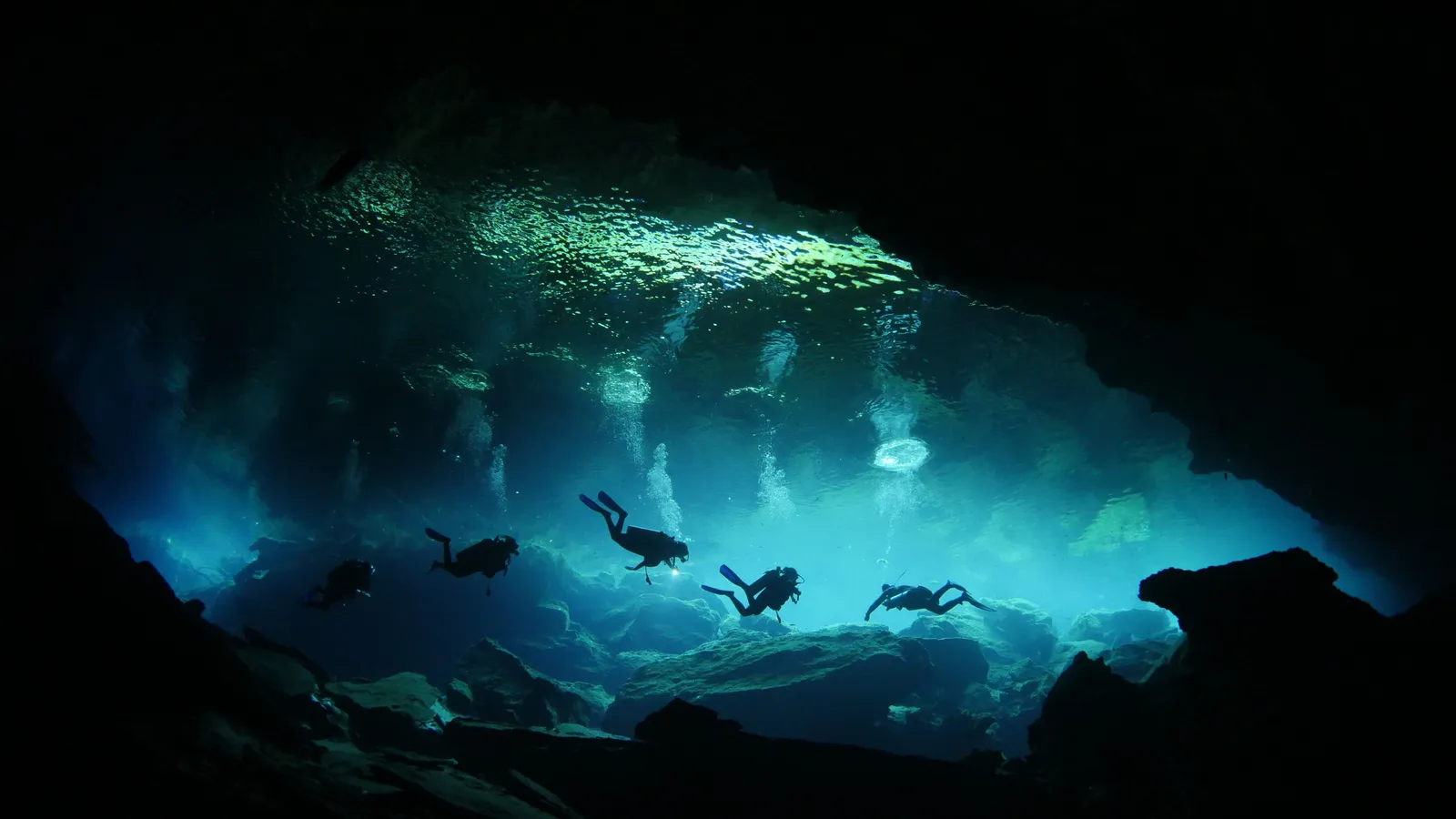
It’s tempting to file brine pools under weird ocean trivia, but they matter for real science. They show how life can persist under multiple extremes at once, which is useful when researchers think about the limits of biology on Earth. They also feed into the search for life elsewhere, since salty liquid water may exist beneath the surfaces of other worlds.
That last point deserves some caution. Brine pools are interesting analogs, meaning they help scientists form better questions, not that they prove anything about other planets. Still, studying how microbes survive in dense salty fluids gives astrobiologists a practical reference point.
There are also earthly reasons to pay attention. Brine pools tend to appear near places where oil and gas are present, so they overlap with areas of human interest. Mapping and protecting seep communities is part of responsible deep sea management, especially since many of these ecosystems grow slowly and recover slowly.
And the exploration is far from finished. Only a small share of the deep seafloor has been mapped in fine detail, which means new pools can still turn up. Each one offers a chance to learn something about chemistry, geology and survival.
Final Thoughts: The Ocean Still Has Secrets Worth Being Humble About
🔥 Would you like to save this?
We'll email this post to you, so you can come back to it later!
My view is simple. Brine pools should be as famous as coral reefs or whale migrations, because they challenge an assumption most of us carry around, that the ocean is one big, mixed, uniform body of water. It isn’t. It has layers, borders and pockets so extreme that they act like separate worlds.
I also think the mussels deserve more credit than they get. They don’t fight the harsh conditions so much as find the narrow strip where the conditions become useful, and that’s a smarter strategy than brute toughness. Life doesn’t need comfort, it just needs a clever edge to stand on.
The bigger lesson is humility. If a lake can hide on the seafloor for thousands of years, with its own shoreline and its own residents, then we clearly haven’t finished reading the map. The deep sea still has plenty of pages left.

- 7 Everyday Habits That Can Make Your Senior Dog Happier - November 5, 2026
- 10 Enigmatic Structures That Continue to Puzzle Scientists Today - November 5, 2026
- 10 Strange Ruins in the Americas That Challenge What We Know About Early History - November 5, 2026