

Deep within the lush rainforests of Borneo and Sumatra, one of our closest genetic relatives exhibits a behavior so remarkably human-like that it continues to astonish primatologists worldwide. Orangutans, those gentle red-haired apes, have been observed using makeshift umbrellas during rainstorms, demonstrating not just their ingenuity but their sophisticated understanding of tool use. This fascinating behavior bridges the gap between human innovation and animal adaptation, offering a window into the cognitive capabilities of these critically endangered great apes. Far from being simply a curious anecdote, this behavior represents a significant example of animal tool use and provides crucial insights into orangutan cognition, problem-solving abilities, and their capacity for cultural learning.
The Discovery of Umbrella Use in Wild Orangutans

The first documented observations of orangutans using natural objects as rain shields occurred in the early 1990s when primatologist Biruté Galdikas recorded several instances of wild orangutans in Borneo selecting large leaves to cover their heads during rainstorms. These observations were initially considered rare occurrences, but as field research expanded, more scientists began documenting this behavior across different orangutan populations. By the early 2000s, researchers from the Tuanan Orangutan Research Station in Central Kalimantan had collected dozens of documented cases, establishing that this was not anomalous behavior but a consistent pattern among wild orangutans. The discovery challenged previous assumptions about the limits of great ape cognition and opened new avenues for understanding how these primates interact with their environment.
How Orangutans Craft Their Natural Umbrellas

Orangutans typically select large, broad leaves from plants like the Licuala palm or certain fig species, which naturally form bowl-like shapes that effectively repel water. These natural umbrellas measure approximately 30-60 centimeters in diameter, providing significant coverage for the orangutan’s head and upper body. In more elaborate cases, orangutans have been observed breaking small leafy branches, sometimes adjusting them by removing smaller stems or positioning them at optimal angles over their heads. The selection process demonstrates clear intention—orangutans have been filmed testing different leaves before choosing the most suitable one, sometimes discarding options that are too small or damaged. This selective behavior indicates not just opportunistic use but a deliberate evaluation of materials based on their effectiveness as rain protection.
The Science Behind Orangutan Tool Use

Orangutan umbrella use represents a sophisticated form of tool utilization that meets all scientific criteria for true tool use as defined by primatologists. This behavior involves the manipulation of an unattached environmental object (the leaf), the proper orientation of the tool (positioning it over the head), and its use to achieve a specific goal (staying dry). Neurologically, this ability stems from the orangutan’s highly developed prefrontal cortex and motor cortex, which enable complex problem-solving and fine manipulation. Compared to other non-human primates, orangutans demonstrate exceptional tool-using capabilities, with umbrella use being just one example in their repertoire. Research has shown that their tool-using abilities closely rival those of chimpanzees, despite the evolutionary distance between these ape species, suggesting that advanced tool use may have deeper evolutionary roots than previously thought.
Cultural Transmission of Umbrella Knowledge
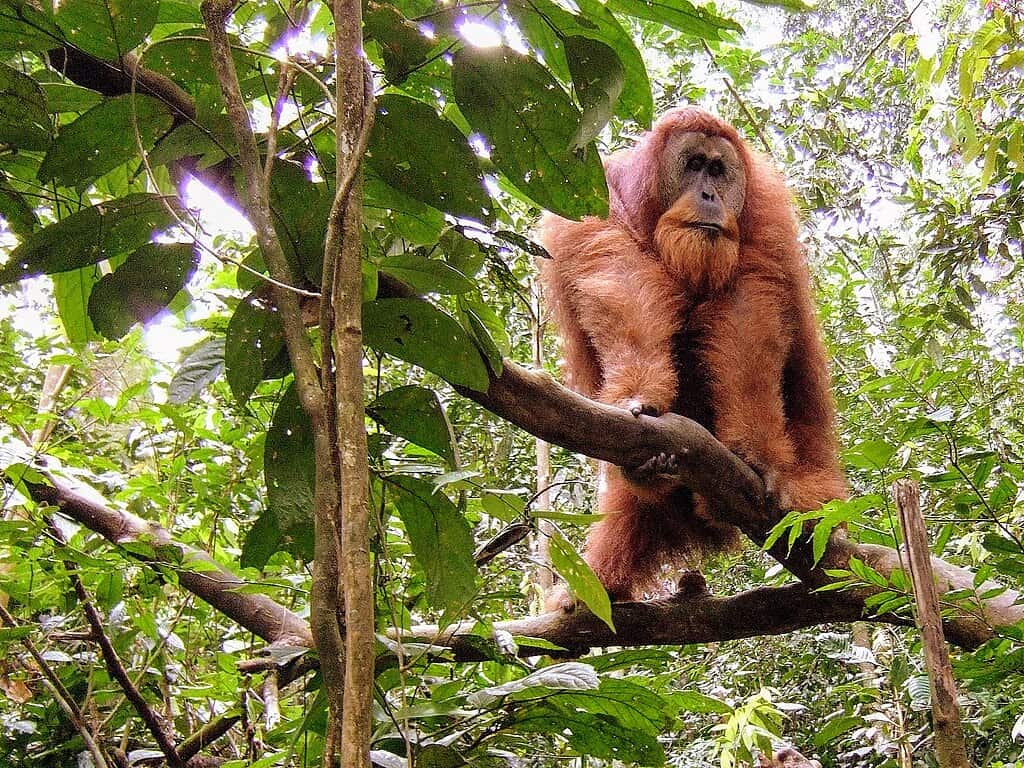
One of the most fascinating aspects of orangutan umbrella use is evidence suggesting this behavior is culturally transmitted rather than purely instinctual. Young orangutans learn this skill by observing their mothers, with researchers noting distinct differences in umbrella use techniques between different orangutan populations. For example, orangutans in Suaq Balimbing, Sumatra, tend to use larger leaves positioned in a specific manner, while those in Tuanan, Borneo, more frequently use clusters of smaller leaves. These regional variations constitute what scientists call “cultural variants”—behaviors that are learned rather than genetically determined. Long-term studies have documented juveniles watching their mothers intently during rainstorms, then attempting to mimic the behavior, often with comically poor results at first before mastering the technique, typically by age four or five. This pattern of observation, practice, and mastery aligns perfectly with cultural learning processes observed in human children.
Why Orangutans Dislike Rain
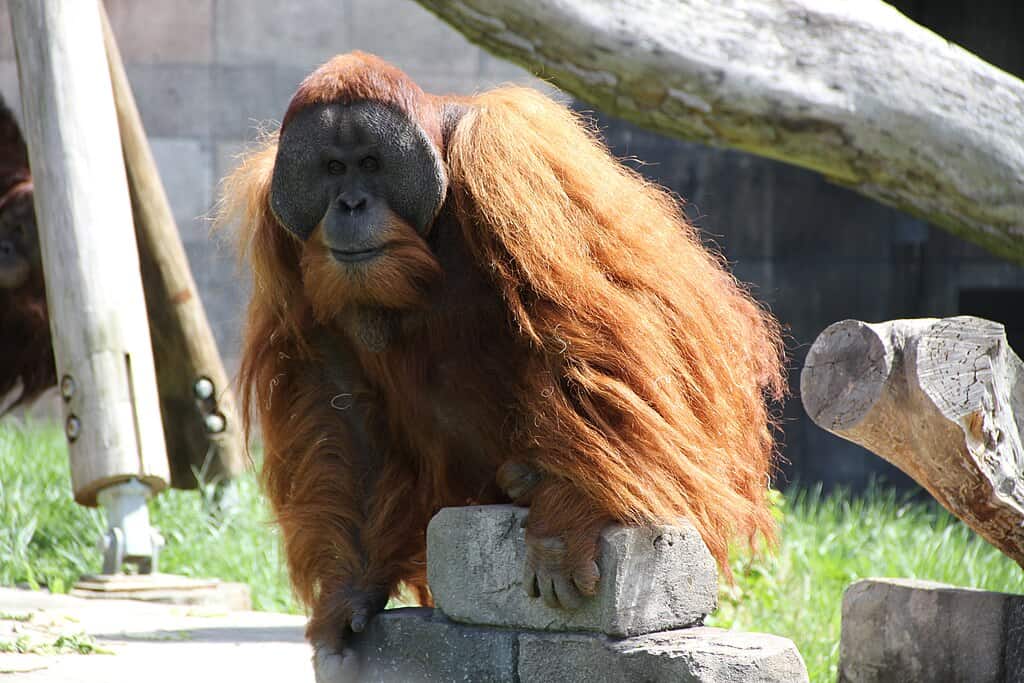
Orangutans’ aversion to getting wet has both physiological and behavioral foundations. Their thick, long fur, while excellent for keeping warm during cool rainforest nights, becomes extremely heavy when saturated with water. A fully soaked adult orangutan may carry several kilograms of additional water weight, significantly increasing energy expenditure during movement. Moreover, wet fur loses much of its insulating properties, potentially leading to hypothermia during extended exposure, especially at night or during unusually cool weather. From a behavioral perspective, wet conditions make arboreal travel more hazardous, as rain-slicked branches become treacherously slippery. Given orangutans’ substantial body weight (adult males can exceed 90 kg) and their predominantly arboreal lifestyle, falling represents a serious risk of injury or death. This constellation of factors creates strong evolutionary pressure for rain-avoidance behaviors, with umbrella use representing an innovative solution to this environmental challenge.
Comparison with Human Umbrella Development

The parallel between orangutan leaf umbrellas and human umbrella development presents a fascinating case of convergent problem-solving. Early human umbrellas, dating back to ancient Egypt around 3500 BCE, were similarly fashioned from large leaves and palm fronds before evolving into more sophisticated designs. Like orangutans, early humans recognized the utility of broad, water-repellent natural materials as rain protection. However, human umbrellas rapidly evolved through technological innovation, incorporating frames, handles, and eventually mechanisms for opening and closing. Orangutan umbrellas, while effective for their purpose, remain at the “natural material” stage of development. This comparison illuminates both the similarities in how different species approach similar environmental challenges and the unique human capacity for cumulative technological development. The orangutan’s solution, while less complex, is remarkably efficient within the constraints of their abilities and available materials.
Other Weather Adaptations in Orangutans

Beyond umbrella use, orangutans display an impressive array of weather-related adaptations. During heavy rainstorms, they often construct special “rain nests”—more densely woven than their standard sleeping nests—that include a protective roof-like structure of overlapping branches and leaves. These shelters can repel significant amounts of water, allowing the orangutan to wait out downpours in relative comfort. Researchers have also documented orangutans using hollow tree trunks as rain shelters and positioning themselves under dense canopy during light rain. In extremely wet conditions, some orangutans minimize movement entirely, assuming a hunched posture that protects their vulnerable facial areas from driving rain. During extended rainy seasons, orangutans adjust their ranging patterns to prioritize areas with natural cover or particularly large-leaved tree species that can provide impromptu umbrella materials. These multifaceted adaptations highlight the orangutan’s sophisticated understanding of their environment and remarkable problem-solving abilities.
Cognitive Abilities Behind Tool Innovation

The cognitive foundation for orangutan umbrella use encompasses several sophisticated mental capabilities. First, it requires causal understanding—the recognition that a leaf positioned above the head will block falling rain. Second, it demonstrates means-end reasoning, with the orangutan undertaking a series of actions (finding, selecting, and positioning the leaf) to achieve a desired outcome (staying dry). Third, it shows mental representation—the ability to hold in mind a solution to a problem before executing it. Fourth, it displays innovation, as each orangutan must adapt its umbrella use to the specific materials available and current weather conditions. Neuroimaging studies of captive orangutans have revealed activation patterns in the prefrontal cortex similar to those seen in humans during problem-solving tasks, suggesting similar underlying neural mechanisms. These cognitive abilities place orangutans among the most intellectually sophisticated non-human animals and highlight the evolutionary continuity of mental processes between humans and our closest primate relatives.
Differences Between Bornean and Sumatran Orangutan Umbrella Use

Intriguing differences exist in how the two orangutan species—Pongo pygmaeus (Bornean) and Pongo abelii (Sumatran)—employ their rain protection strategies. Sumatran orangutans generally display more sophisticated and frequent umbrella use, with studies from the Ketambe Research Station documenting umbrella use in approximately 53% of observed rain encounters, compared to 41% among Bornean orangutans. Sumatran orangutans also tend to select larger leaves and maintain them in position for longer periods, sometimes up to 25 minutes during sustained rainfall. Additionally, Sumatran orangutans more frequently modify their leaf umbrellas by folding or layering multiple leaves together. These differences align with broader cognitive distinctions between the species, as Sumatran orangutans consistently demonstrate more complex tool use across multiple domains. These variations likely reflect both ecological differences—Sumatra experiences higher annual rainfall—and the longer history of island separation, with genetic studies suggesting the species diverged approximately 400,000 years ago, allowing ample time for distinct cultural and behavioral traditions to develop independently.
Captive Orangutans and Umbrella Behavior

Zoo-housed orangutans have demonstrated fascinating adaptations of umbrella behavior, often using provided materials in creative ways. In several zoos, including the San Diego Zoo and Singapore Zoo, orangutans have been observed using burlap sacks, blankets, and even discarded human clothing as rain protection during outdoor access in wet weather. At the Indianapolis Zoo, a female orangutan named Knobi became locally famous for her habit of draping towels over her head during light rain showers in the outdoor enclosure. Remarkably, some captive orangutans with no previous exposure to wild populations have spontaneously invented umbrella use, suggesting the behavior has some instinctual foundation. Zoo researchers have intentionally provided large, artificial leaves to some orangutan groups during rainfall, resulting in immediate and appropriate umbrella use. These observations provide valuable insights into the flexibility of orangutan cognition and their ability to adapt behaviors to novel contexts and materials, reinforcing findings from wild populations about their remarkable problem-solving capabilities.
Conservation Implications of Orangutan Intelligence

The sophisticated umbrella use demonstrated by orangutans has significant implications for conservation efforts. First, it underscores the remarkable cognitive complexity of these endangered primates, highlighting what would be lost if they were to become extinct. With both orangutan species classified as critically endangered—fewer than 120,000 individuals remain across both species combined—preserving their unique behavioral adaptations becomes as crucial as maintaining their genetic diversity. Second, understanding orangutans’ sensitivity to rainfall helps inform habitat protection priorities, emphasizing the need to preserve diverse forest types that provide both food resources and shelter options during inclement weather. Third, the cultural transmission aspect of umbrella use demonstrates why conservation must preserve not just individual orangutans but intact social groups where knowledge can be passed between generations. Finally, public fascination with orangutan umbrella use has proven valuable for conservation outreach, with videos of this behavior generating millions of views online and creating new support for orangutan protection initiatives. The Indonesian government has incorporated images of orangutans using leaf umbrellas in conservation education materials, effectively leveraging this charismatic behavior to build public support for habitat protection efforts.
Similar Behaviors in Other Great Apes

While orangutans show the most consistent and sophisticated umbrella use among great apes, similar rain-avoidance behaviors have been documented in other species. Chimpanzees in Kibale National Park, Uganda, occasionally use large leaves as temporary head coverings during heavy downpours, though they employ this strategy less systematically than orangutans. A few instances of gorillas using vegetation as rain shields have been reported from the Virunga Mountains, though this appears to be extremely rare. Bonobos in the Congo Basin have been observed increasing their nest density during rainy seasons, but direct umbrella use has not been reliably documented. This variation likely reflects different evolutionary pressures—orangutans’ fully arboreal lifestyle creates greater risks from wet and slippery conditions than for the more terrestrial gorillas and somewhat terrestrial chimpanzees. Additionally, orangutans’ slower, more deliberate movement patterns and their exceptional upper-body strength make holding objects above their heads for extended periods more practical than for other apes. These differences highlight how each great ape species has developed unique adaptive strategies shaped by their specific ecological niches and physical capabilities.
Conclusion: What Orangutan Umbrellas Teach Us

The phenomenon of orangutans using umbrellas in the rain represents far more than a charming animal anecdote—it constitutes a profound window into the cognitive evolution of our closest living relatives. Through this seemingly simple behavior, we witness the integration of complex mental processes: foresight, innovation, tool selection, and cultural learning. These abilities challenge traditional notions about the cognitive divide between humans and other animals, suggesting instead a continuum of mental capabilities across the primate order. For conservation efforts, the sophistication demonstrated through umbrella use provides compelling evidence of what stands to be lost if orangutan populations continue to decline due to deforestation and habitat fragmentation. As we protect orangutan habitats, we preserve not just a species but libraries of cultural knowledge and behavioral adaptations accumulated over generations. Perhaps most importantly, when we observe an orangutan sheltering under a leaf during a tropical downpour, we’re reminded of our shared evolutionary history and the remarkable ways intelligence manifests throughout the natural world.

- Could Cross-Species Friendships Help Us Understand Empathy? - August 7, 2026
- What Scientists Are Learning From “Immortal” Animals - August 7, 2026
- These Reptiles Show Signs of Affection — Here’s How - August 7, 2026