

In recent years, European waters have witnessed a startling series of encounters between orcas (killer whales) and vessels, with numerous boats being damaged and some even sunk. These interactions, primarily concentrated around the Iberian Peninsula, have bewildered scientists, alarmed sailors, and captured public imagination worldwide. What began as isolated incidents has evolved into a pattern of behavior that challenges our understanding of these intelligent marine predators. This article explores the facts behind these encounters, potential explanations, and the implications for both maritime safety and orca conservation.
The Rising Pattern of Orca-Vessel Interactions

Since 2020, more than 500 interactions between orcas and vessels have been documented in the waters between Gibraltar and Portugal. These encounters typically involve pods of orcas approaching boats, deliberately targeting rudders, and in some cases causing sufficient damage to sink vessels. The frequency of these incidents has increased dramatically, with 207 interactions reported in 2022 alone, compared to 52 in 2020. Marine biologists note that the behavior appears to be spreading within the local orca population, suggesting a form of cultural transmission. Most interactions follow a similar pattern: orcas approach from behind, make contact with the vessel’s rudder, and sometimes work in coordinated groups to disable the steering mechanism.
Geographic Distribution of Incidents
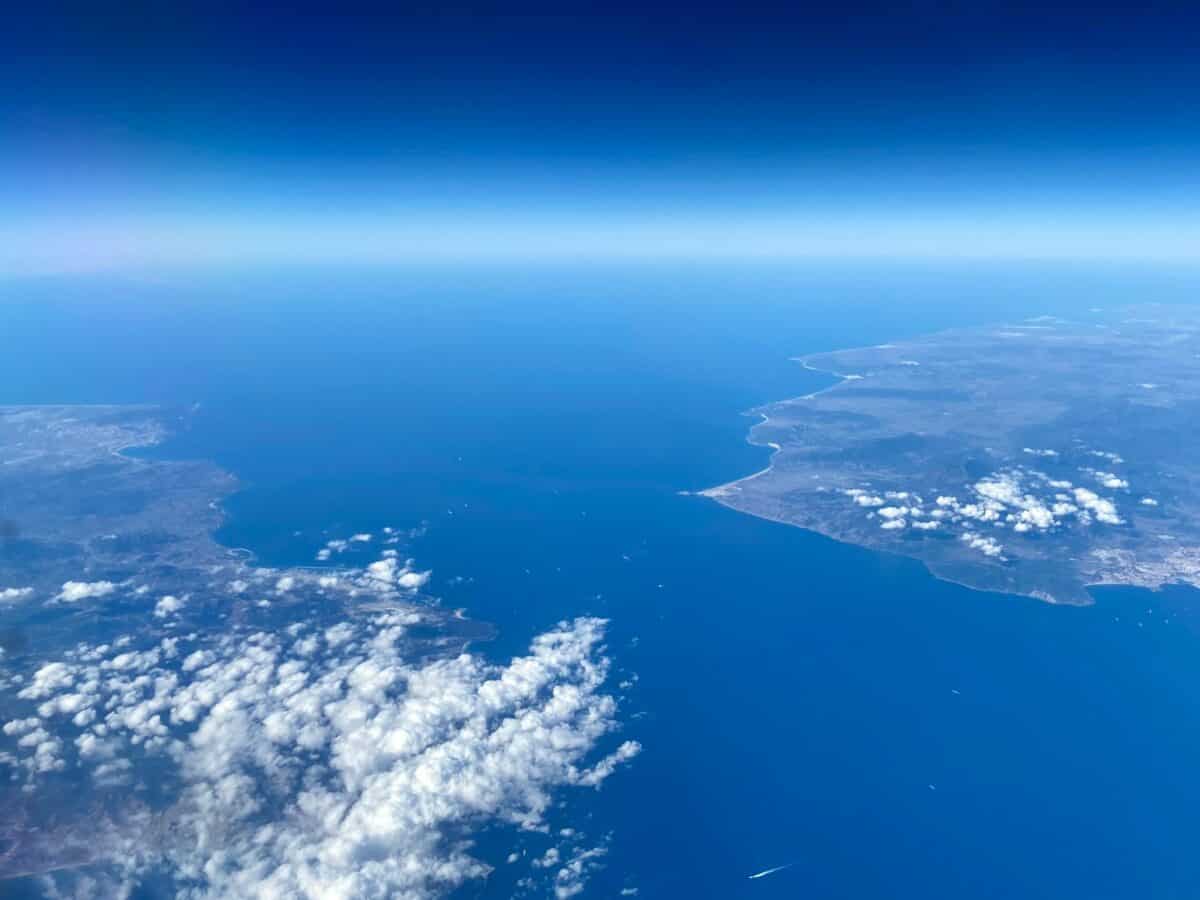
The majority of orca-vessel interactions have occurred in specific geographic areas: the Strait of Gibraltar, the Portuguese coast (particularly around Cape St. Vincent), and the coast of Galicia in northwestern Spain. This region represents the territory of the endangered Iberian orca subpopulation, which numbers fewer than 50 individuals.
The pattern of incidents shows seasonal variations, with more encounters reported during spring and summer months when these orcas are known to follow tuna migrations through these waters. Some researchers have noted a gradual northward expansion of the behavior, with incidents now being reported as far north as France’s Atlantic coast, suggesting this phenomenon may be spreading.
Profile of the Iberian Orca Population

The orcas involved in these incidents belong to a critically endangered subpopulation known as the Iberian or Southern killer whales. Genetic studies confirm these animals are distinct from other orca populations, with an estimated 39 individuals remaining. These orcas have traditionally specialized in hunting bluefin tuna using a sophisticated technique called “thresher hunting,” where they exhaust the tuna before consuming them.
Research indicates that the individuals involved in boat interactions are primarily juvenile and subadult males, although some adult females have also been identified. Scientists can identify specific individuals through distinctive markings, revealing that a core group of orcas appears responsible for initiating most interactions.
Notable Incidents and Vessel Damage

Several dramatic incidents have captured international attention. In May 2023, the yacht “Alboran Cognac” sank off Morocco after orcas damaged its rudder, forcing the crew to be rescued. In November 2022, a sailing vessel with four crew members sank near Viana do Castelo, Portugal, following an hour-long interaction with orcas.
The sailing yacht “Mustique” reported extensive damage after orcas repeatedly rammed its rudder in July 2021. Commercial vessels have not been immune; in April 2022, a fishing trawler reported significant damage that required towing to port. The pattern of damage is remarkably consistent across incidents: orcas target the rudder assembly, often bending or breaking the metal components and causing water ingress through the compromised hull integrity around the steering mechanism.
Scientific Theories Behind the Behavior

Marine biologists have proposed several theories to explain this unprecedented behavior. The leading hypothesis suggests these interactions may have begun as a defensive response to a traumatic encounter with a vessel. Dr. Renaud de Stephanis, a leading orca researcher, proposes that a female orca may have had a negative experience with a boat that was then imitated by her offspring. An alternative theory posits that the behavior represents a form of play that has spread culturally through the population.
Scientists have largely dismissed earlier speculation about aggressive or vengeful motivations, as orcas have shown no direct hostility toward humans during these encounters. Brain imaging studies reveal that orcas possess advanced emotional processing capabilities, suggesting complex motivations may be at work. The behavior’s rapid spread points to the orcas’ sophisticated social learning abilities, with young orcas potentially adopting behaviors they observe from others.
The “White Gladis” Theory

One compelling explanation proposed by researchers is the “White Gladis” theory, named after a specific female orca believed to have initiated the behavior. According to this hypothesis, this orca experienced a “critical moment of agony” – possibly a collision with a vessel or entanglement in fishing gear – that triggered a behavioral change.
This traumatic event may have caused her to associate boats with danger or pain, leading to a defensive response that was subsequently learned by other members of her pod. Researchers have identified “White Gladis” in multiple interaction events, often accompanied by younger orcas who appear to be learning the behavior. This theory aligns with documented cases of cultural transmission in other orca populations, where specific techniques for hunting or social behaviors have spread throughout communities.
Conservation Context and Human Impacts

The Iberian orca population faces numerous anthropogenic threats that provide important context for understanding these interactions. Overfishing of bluefin tuna, their primary prey, has dramatically reduced food availability, potentially increasing stress on the population. These orcas also face risks from vessel strikes, noise pollution, and occasional entanglement in fishing gear.
Between 1996 and 2015, at least three orcas from this population died from interactions with vessels or fishing equipment. Maritime traffic in the Strait of Gibraltar is among the busiest in the world, with approximately 300 vessels passing through daily, creating an environment of constant human-orca interaction. These stressors may contribute to behavioral changes in a population already struggling for survival.
Maritime Safety Responses and Guidelines
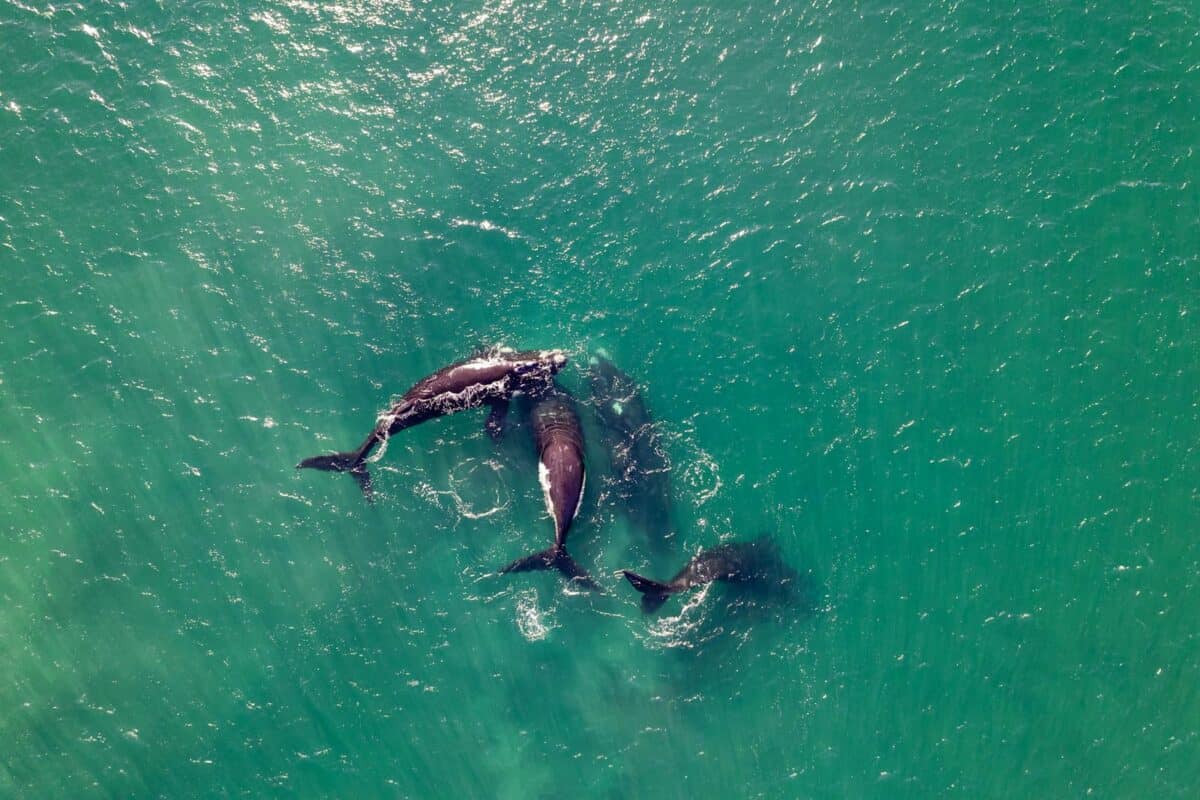
Maritime authorities have implemented various safety measures in response to the orca interactions. The Spanish and Portuguese coast guards have established protocols for vessels encountering orcas, including shutting off engines, lowering sails, dropping anchor if possible, and avoiding touching the animals if they approach. The Spanish Transport Ministry has designated certain high-risk areas where sailing vessels under 15 meters are temporarily prohibited during peak interaction seasons.
A joint scientific-maritime task force now monitors incidents and provides real-time warnings to vessels in affected areas. Safety equipment manufacturers have begun developing specialized rudder protection devices designed to withstand orca interactions. Mariners are encouraged to report all encounters through the Atlantic Orca Working Group’s dedicated app, which helps track the movement and behavior patterns of the involved orcas.
The Historical Context of Orca-Human Relations

What makes these interactions particularly remarkable is their departure from historical patterns of orca-human relations. Despite their “killer whale” moniker, there are no verified records of wild orcas deliberately attacking humans. Traditional maritime cultures, from the Indigenous peoples of the Pacific Northwest to Basque whalers, often revered orcas and reported cooperative hunting relationships rather than antagonistic interactions.
The current situation represents an anomaly in this historical context. Some anthropologists note that fishing communities along the Iberian coast have folklore describing orcas guiding them to fish stocks, suggesting a previously cooperative relationship. This historical perspective raises questions about what factors may have altered this traditional relationship between humans and orcas in these waters.
Ethical and Legal Considerations

The situation presents complex ethical and legal questions. Orcas are protected under various international agreements including the European Habitats Directive and CITES (Convention on International Trade in Endangered Species). However, maritime safety regulations also obligate authorities to protect human life and property at sea. This tension has created debate about appropriate responses, with some calling for intervention to stop the behavior while others argue for adaptation by mariners.
Spanish and Portuguese authorities have explicitly prohibited any retaliation against the orcas, with substantial penalties for harming them. The European Commission has funded research aimed at developing non-harmful deterrent technologies, seeking balance between conservation and safety concerns. The situation highlights broader questions about managing human-wildlife conflicts in increasingly crowded marine environments.
Media Coverage and Public Perception

Media portrayal of these incidents has significantly shaped public perception. Initial reports often used sensationalistic language like “attacks” and “rampages,” contributing to misconceptions about orca behavior. More nuanced coverage has emerged as scientific understanding has developed, though public fascination with the phenomenon continues. Social media has amplified both scientific information and misinformation about the incidents.
Some coverage has drawn parallels to popular culture representations of orcas, particularly referencing the film “Free Willy” or suggesting “revenge” narratives reminiscent of “Jaws.” Marine mammal experts have worked to counter these anthropomorphizing tendencies, emphasizing the complexity of orca cognition and the importance of evidence-based discussion. Public interest has inadvertently created educational opportunities about orca conservation and the challenges facing marine mammals in human-dominated seas.
Future Research Directions
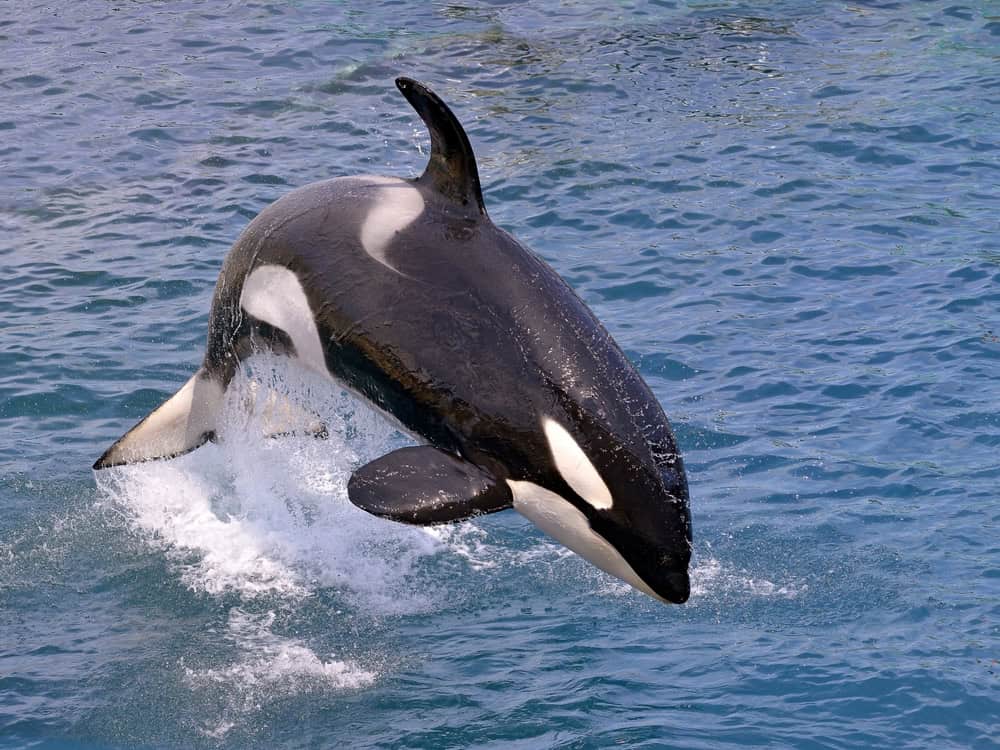
Scientists are pursuing multiple research avenues to better understand this phenomenon. Acoustic studies aim to determine if there are specific sound signatures from vessels that might trigger the behavior. Genetic and toxicological investigations are examining whether environmental contaminants might be affecting orca behavior or neurological function. Drone-based observation programs are documenting interactions in unprecedented detail, providing insights into the precise mechanics of how orcas approach vessels.
Satellite tagging of identified individuals involved in interactions is helping track movement patterns and social groupings. Several universities are conducting comparative studies with other orca populations worldwide to determine if similar behaviors might be emerging elsewhere. Advanced behavioral models incorporating artificial intelligence are being developed to predict potential interaction hotspots, allowing for preventative measures.
Conclusion: Navigating Uncharted Waters

The phenomenon of orcas sinking boats in European waters represents a fascinating intersection of marine biology, maritime safety, conservation ethics, and human-wildlife conflict management. As we continue to share increasingly crowded oceans with these intelligent marine predators, understanding their behavior becomes not just a scientific endeavor but a practical necessity for coexistence.
The situation highlights both our growing scientific understanding of cetacean cognition and the limits of that understanding when confronted with novel behaviors. Moving forward, solutions will require collaborative approaches that balance human safety concerns with protection for an endangered orca population. These interactions remind us that even in the age of advanced technology, the natural world continues to surprise us, challenging our assumptions and calling for humility as we navigate our relationship with the ocean’s most intelligent inhabitants.

- The Perfect Pet for Each Zodiac Sign - July 7, 2026
- The Wild Animal That Embodies Your Zodiac Sign’s Spirit - July 6, 2026
- 7 Steps to Planting Admirably Beautiful Bluebonnets - July 6, 2026