

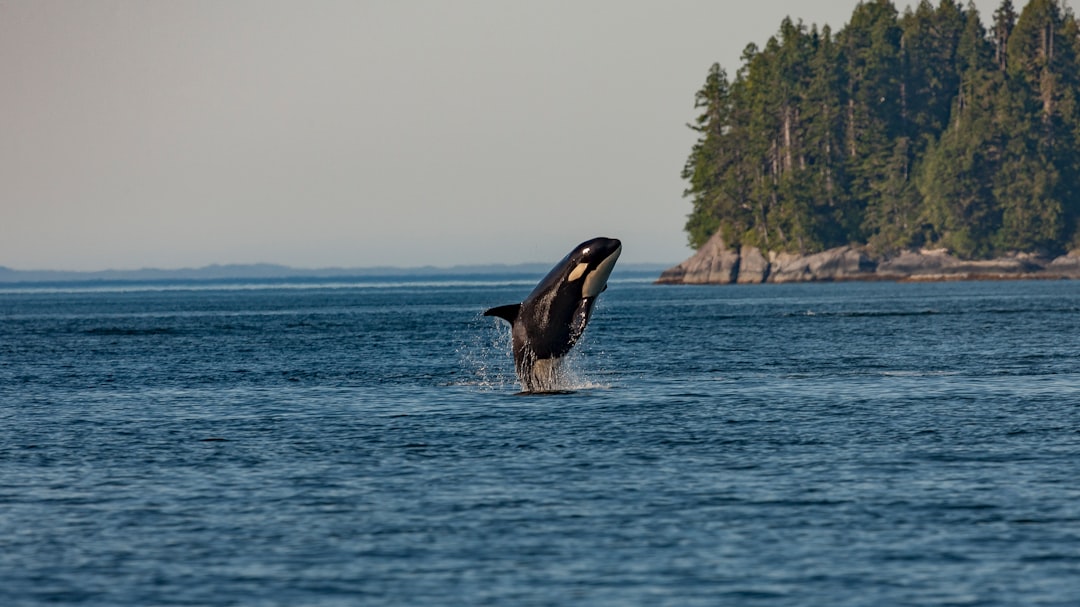

A Thrilling Sighting Sparks Hope (Image Credits: Unsplash)
Salish Sea – The endangered Southern Resident killer whales recently delighted observers with an unexpected return to their traditional summer grounds, highlighting both the beauty of these marine icons and the urgent need for stronger protection measures.
A Thrilling Sighting Sparks Hope
Local wildlife enthusiasts and researchers reported multiple pods of Southern Resident killer whales surfacing in the Salish Sea during late fall, a deviation from their typical offshore migrations. This surprise appearance came after months of sparse sightings in the inland waters, drawing crowds to coastal viewpoints from the San Juan Islands to the Strait of Georgia. Experts noted the whales’ synchronized movements and vocalizations, signs of a healthy social structure amid declining numbers.
The population, estimated at around 73 individuals as of recent assessments, faces precarious odds, yet such gatherings offer a glimmer of resilience. Organizations like the Center for Whale Research confirmed the pods’ presence through dedicated surveys, emphasizing how these events underscore the whales’ deep ties to the region. While the visit lasted only a few weeks, it reignited public interest in their plight.
Persistent Threats to These Ocean Ambassadors
The Salish Sea’s waters, once teeming with life, now pose significant risks to the Southern Residents. Chinook salmon, their primary prey, have dwindled due to overfishing, habitat loss from development, and changing ocean conditions. Vessels from commercial shipping and recreational boating generate noise that disrupts the whales’ echolocation, making it harder for them to hunt effectively.
Pollution adds another layer of danger, with contaminants like PCBs accumulating in the food chain and affecting reproduction rates. Recent studies from the U.S. Environmental Protection Agency revealed elevated toxin levels in the whales’ blubber, contributing to low calf survival. Climate change exacerbates these issues by altering salmon runs and water temperatures. Key threats include:
- Declining salmon populations from dams and habitat degradation.
- Underwater noise from increased maritime traffic.
- Chemical pollutants entering the ecosystem via runoff.
- Disturbances from whale-watching tours that encroach on critical foraging areas.
- Shifts in ocean currents due to warming waters.
Cross-Border Efforts to Safeguard the Pods
Federal agencies on both sides of the U.S.-Canada border have ramped up initiatives to protect the Southern Residents. NOAA Fisheries leads recovery plans that involve reducing vessel speeds in high-traffic zones and enhancing salmon restoration projects in rivers feeding the Salish Sea. Environment and Climate Change Canada collaborates on similar fronts, focusing on noise reduction protocols for ferries and cargo ships.
The Marine Mammal Commission advocates for policy changes, including expanded marine protected areas that limit industrial activities. Recent surveys in Olympic Coast National Marine Sanctuary used advanced tagging technology to track whale movements, revealing more time spent near busy shipping lanes. These findings inform regulations aimed at minimizing collisions and acoustic interference. A pending environmental review for a proposed terminal in Ferndale, Washington, could further impact shipping routes, prompting conservation groups to push for stricter oversight.
Public Actions Driving Real Change
Individuals play a vital role in bolstering these efforts through everyday choices. Supporting sustainable seafood options helps preserve salmon stocks, while choosing eco-friendly products reduces pollutant runoff into coastal waters. Joining citizen science programs, such as reporting whale sightings to research centers, provides valuable data for monitoring.
Advocacy remains crucial; contacting lawmakers about harmonizing U.S. and Canadian whale protection rules addresses regulatory gaps in the shared Salish Sea. Community-led cleanups along shorelines prevent plastics and debris from reaching the ocean. Education spreads awareness, encouraging boaters to maintain safe distances – at least 400 yards – from the whales.
In the face of mounting challenges, the Southern Resident orcas remind us of the interconnectedness of ocean health and human actions. Their graceful returns to the Salish Sea signal potential for recovery if protections intensify.
Key Takeaways
- Prioritize Chinook salmon recovery to ensure food security for the pods.
- Reduce vessel noise through speed limits and quiet zones in the Salish Sea.
- Support bilateral policies to align conservation across borders.
What steps will you take to support the Southern Residents? Share your thoughts in the comments below.

- Urban Coyotes Show Remarkable Adaptability, Learning to Thrive in City Environments - July 22, 2026
- Beavers Are Nature’s Engineers, Creating Vital Habitats for Other Wildlife Species - July 21, 2026
- The Recovery of the California Condor Offers Hope for Other Critically Endangered Birds - July 21, 2026