

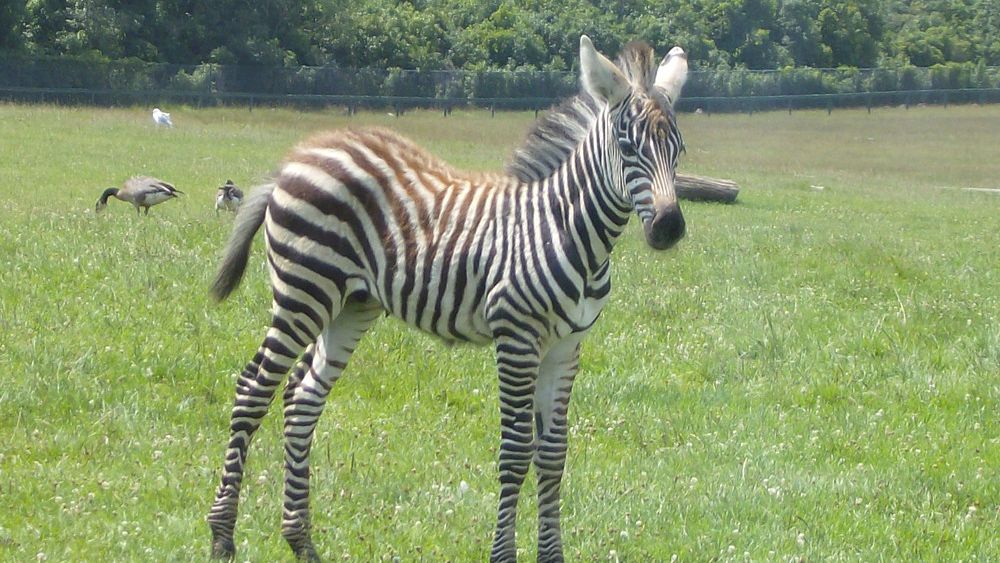
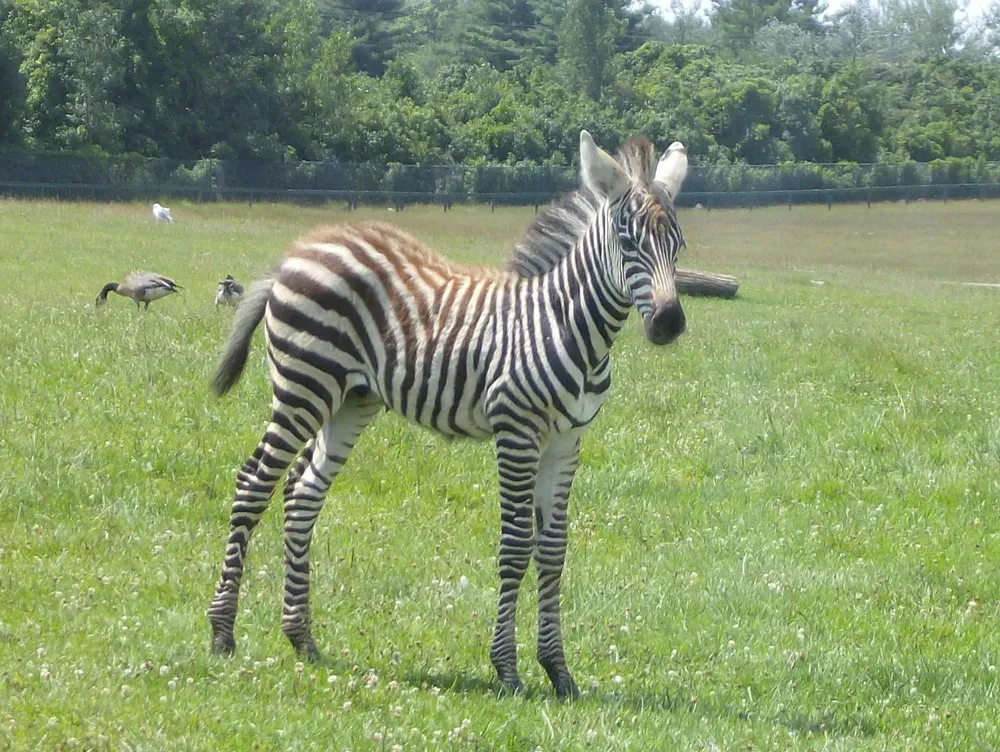
In the rugged landscapes of northern Kenya, a fragile zebra foal’s fight for survival has become a symbol of resilience. Abandoned mere days after birth, she teetered on the edge of starvation and predators without her mother’s care. Rescuers at Reteti Sanctuary acted fast, turning her desperate plight into a tale of hope and human dedication.
This young orphan’s path to acceptance reveals the raw dynamics of wildlife rehabilitation. What started as round-the-clock nurturing evolved into tense herd introductions. Her story, highlighted in recent coverage, underscores the challenges and triumphs of reintegrating vulnerable animals.
A Miraculous Rescue from the Savanna
Wildlife teams spotted the orphaned foal in dire straits on the African savanna, weak and exposed to every threat. Swift intervention brought her to safety, where bottle-feeding stabilized her fragile state within days. The keeper stepped in as her lifeline, forging an instant, unbreakable bond through constant care.
This connection proved vital, showcasing how human touch can bridge the gap for abandoned young. Conservationists note such rescues highlight the urgent need for rapid response in remote areas. Her rapid improvement set the stage for bigger challenges ahead.
From scrawny beginnings, specialized care kickstarted her growth, proving the power of dedicated intervention.
Herd Rivalries Test the Newcomer
Not every resident welcomed the foal with open hooves. Established zebras showed jealousy, shoving her aside at feeding spots and snorting warnings. Dominant mares kicked to claim territory, echoing natural herd hierarchies where newcomers earn their keep.
Veterinarians kept close watch to avoid injuries during these spats. Patient introductions over weeks helped her learn the social ropes. This tension mirrored real-world dynamics, demanding resilience from the young survivor.
Gradually, she pushed back, navigating the push-and-pull of acceptance.
The Keeper’s Tireless Surrogate Role
Beyond milk bottles, the keeper provided grooming sessions mimicking a mare’s touch, building profound trust.
“She’s like my own child,” the keeper shared, revealing the emotional weight of nonstop vigilance.
Custom milk formulas fueled her transformation from 40 kilograms to a sturdy 80 in months.
This intimate care not only healed her body but primed her for herd life. Such bonds speed up rehab, experts observe, blending affection with practical prep. Her progress validated the hands-on strategy.
Daily rituals turned survival into thriving.
Navigating Reintroduction Hurdles
Shifting to a larger herd brought fresh obstacles, with the foal clinging to her keeper initially. Gradual playdates under supervision taught foraging and evasion skills. Success rates for these programs top 70 percent, conservation data shows.
Experts balanced attachment against wild instincts carefully. Her adaptability shone through persistent efforts. This phase marked her shift from dependent to independent.
Patience paid off as survival lessons took root.
Acceptance and a Vast New Home
Months in, rivals grazed beside her, a quiet victory during a dawn check. Her playfulness melted resistance, securing companions from skeptics. Tracking collars now monitor her in the 500-acre restored plains mimicking the wild.
Watering holes and acacias dot the sustainable space, protected by anti-poaching teams. Rotational grazing keeps it thriving for all. Officials call it her forever sanctuary, joining over 200 rehabilitated orphans.
This relocation crowns the program’s achievements.
Conservation Lessons from One Foal’s Journey
Zebra numbers dropped nearly 20 percent in key areas over the last decade, IUCN reports warn, driven by poaching and habitat loss. Her success spotlights effective rehab models amid the crisis. Tied campaigns spiked donations 35 percent.
Funding calls grow for wider replication across Africa. Local schools engage through her story, fostering support. She embodies hope for iconic species.
Resilience like hers fuels broader action.
Final Thought
As she gallops with her herd, this foal’s arc from orphan to integral member inspires. Keepers eye her breeding future for genetic boosts. What hurdles would you expect in such a rehab? Share in the comments.
Source: Original YouTube Video

- Urban Coyotes Show Remarkable Adaptability, Learning to Thrive in City Environments - July 22, 2026
- Beavers Are Nature’s Engineers, Creating Vital Habitats for Other Wildlife Species - July 21, 2026
- The Recovery of the California Condor Offers Hope for Other Critically Endangered Birds - July 21, 2026