

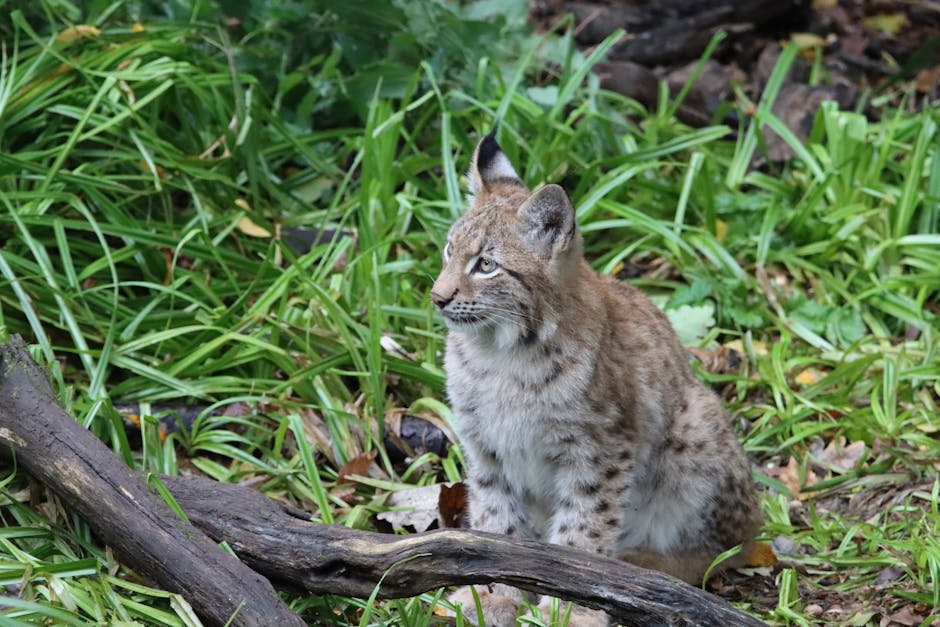
Tiny Survivors Face Uncertain Odds (Image Credits: Pexels)
Rhode Island – Two orphaned bobcat kittens named Bravo and Tango emerged stronger and ready for the wild after eight months under the care of the Wildlife Clinic of Rhode Island. Rescued last summer, the brothers arrived separately but quickly became inseparable during their rehabilitation. Their release marks a key moment in local conservation efforts, as they now contribute data to a statewide study on bobcat populations.[1][2]
Tiny Survivors Face Uncertain Odds
The first bobcat kitten arrived at the Wildlife Clinic last summer in need of immediate care. He perked up quickly, showing the resilience typical of his species. Weeks later, his brother joined him, turning a solo rehabilitation into a sibling adventure.[1]
Orphaned under circumstances linked to habitat disruption, the pair represented the vulnerabilities young wildlife face in a changing landscape. The clinic staff provided round-the-clock attention, focusing on their growth from helpless kittens to capable hunters. This hands-on approach ensured they developed essential survival skills.
Eight Months of Dedicated Rehabilitation
Rehabilitation began in earnest upon their arrival. The kittens received specialized nutrition, medical checkups, and enrichment activities designed to mimic natural conditions. Over time, they grew into robust juveniles ready for independence.[3]
Staff at the Wildlife Clinic monitored their progress closely, adjusting care as the brothers matured. By the end of their stay, which spanned from July to late March, they exhibited strong hunting instincts and physical health. This period highlighted the clinic’s expertise in preparing wild animals for release.
- Initial assessment and stabilization upon arrival.
- Gradual introduction to whole prey for hunting practice.
- Enlarged enclosures to build strength and agility.
- Health screenings to prevent common rehabilitation setbacks.
- Behavioral observations to confirm wild readiness.
GPS Collars Fuel Critical Research
On March 30, the brothers received temporary GPS collars before their release into suitable Rhode Island habitat. These devices will track their movements, providing valuable insights for the University of Rhode Island’s bobcat project.[3][2]
The collars enable researchers to study home ranges, hunting patterns, and interactions with human areas. This data supports broader efforts to understand bobcat expansion in the state. The Wildlife Clinic collaborated closely with project leads to outfit the cats safely.
Rhode Island’s Bobcat Revival Gains Momentum
The URI Bobcat Project, launched in September 2025, has already amassed over 1,000 public sightings by early 2026. Led by researchers Kathleen Carroll and Christopher Hickling, it partners with the Rhode Island Department of Environmental Management and the Wildlife Clinic.[4]
Camera traps and additional collars complement citizen reports, revealing bobcats’ adaptability near developed areas. Females typically produce litters of two to four kittens in spring, hidden in dens. Bravo and Tango’s tracked journey adds to this growing body of knowledge.[4]
Lessons from a Successful Return
Releases like this one underscore the impact of wildlife rehabilitation on species recovery. Bobcats, once scarce, now thrive across Rhode Island thanks to habitat protection and public awareness. The brothers’ story inspires continued support for such initiatives.
Key Takeaways:
- Rehabilitation success hinges on mimicking natural behaviors.
- GPS tracking reveals bobcats’ wide-ranging habits.
- Public sightings drive forward momentum in research.
As Bravo and Tango explore their new territory, their data will shape future conservation strategies. What role can you play in protecting Rhode Island’s wildlife? Share your bobcat sightings or thoughts in the comments.

- Urban Coyotes Show Remarkable Adaptability, Learning to Thrive in City Environments - July 22, 2026
- Beavers Are Nature’s Engineers, Creating Vital Habitats for Other Wildlife Species - July 21, 2026
- The Recovery of the California Condor Offers Hope for Other Critically Endangered Birds - July 21, 2026