

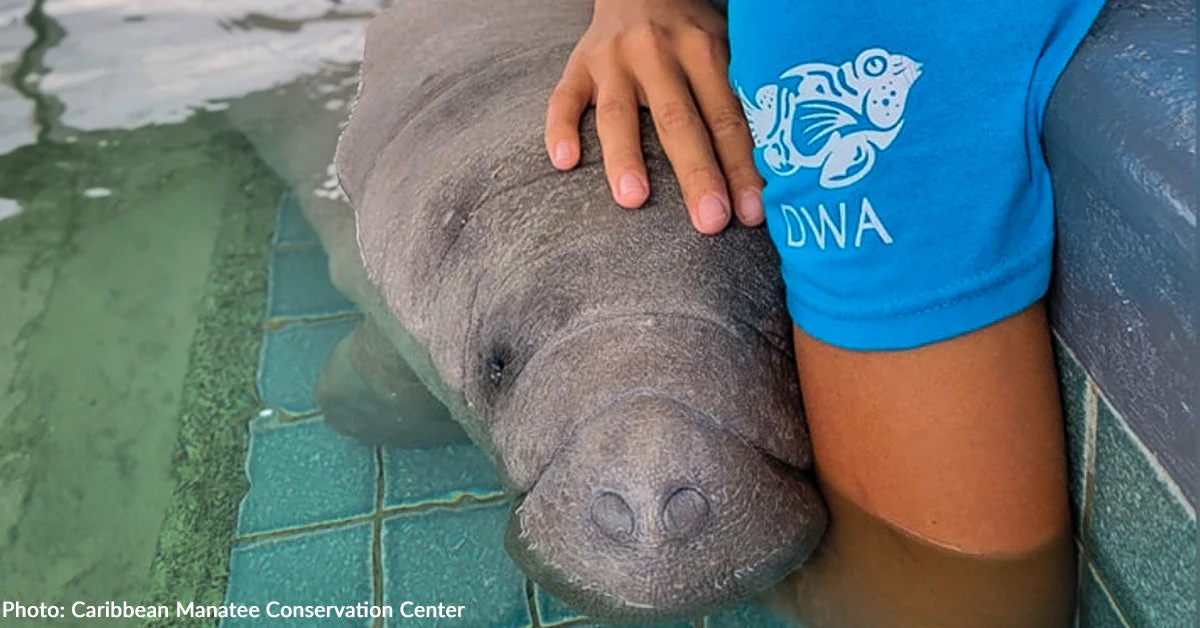
A Desperate Rescue from Coastal Tragedy (Image Credits: Caribbean Manatee Conservation Center)
Puerto Rico – Two young Puerto Rican Antillean manatees rescued as orphans now stand strong after years of rehabilitation, offering hope for their critically endangered species.[1]
A Desperate Rescue from Coastal Tragedy
Rescuers discovered Taiku clinging to her mother’s lifeless body just four days after birth. The adult manatee had suffered a fatal strike from a Jet Ski in shallow coastal waters.
Dakiti faced a similar ordeal days later. Alone and vulnerable, the calf received timely intervention before starvation set in. Both incidents highlighted the peril of watercraft in manatee habitats.[1]
Staff from the Caribbean Manatee Conservation Center acted swiftly. They transported the calves to the facility for immediate care. Such rescues underscore the urgency in regions where these gentle giants navigate crowded waterways.
From Fragile Infants to Robust Juveniles
Caretakers initiated round-the-clock bottle feedings for the dehydrated orphans. Every few hours, the calves received specialized formula to build their strength.
Veterinarians monitored growth closely while introducing saltwater pools and seagrass diets. This gradual acclimation mirrored natural conditions. Over three years, Taiku and Dakiti transformed dramatically.[1]
Rehabilitation programs boast a 96 percent success rate. Tracking belts will follow the duo’s first year post-release, ensuring safe adjustment to the wild. Their progress signals effective conservation efforts.
Watercraft Strikes Imperil a Fading Population
Fewer than 700 Puerto Rican Antillean manatees survive in the wild. Speeding boats and personal watercraft pose the greatest danger, especially in nearshore areas.
These collisions not only kill adults but orphan calves unable to survive independently. Conservationists stress habitat protection amid rising recreational boating.
- Shallow coastal zones serve as prime manatee foraging grounds.
- Jet Skis and motorboats often exceed safe speeds in these areas.
- Orphan rates climb with unchecked vessel traffic.
- Critical habitat spans Puerto Rico and surrounding waters.
- Population recovery hinges on reduced human impacts.
Release Preparations and Calls for Action
Experts prepare Taiku and Dakiti for freedom soon. Satellite tracking will chart their movements and health.
Donations fund food, medical care, and monitoring gear. Boaters play a vital role too. Center staff advise specific precautions:
“Navigate slowly near the shore and in manatee habitats. Wear polarized glasses to spot manatees. If you see a manatee, slow down, avoid creating waves, and give it space. Always respect posted speed limits of 5 knots or less in nearshore areas. Together, we can prevent tragedies like Taiku’s and give these gentle giants a chance to survive.”[1]
Key Takeaways
- Manatee rehab success reaches 96 percent with dedicated care.
- Watercraft strikes remain the top killer; slow boating saves lives.
- Donations and awareness protect the under-700 remaining Antillean manatees.
Stories like Taiku and Dakiti’s remind us that targeted intervention restores hope to endangered species. Small changes in boating habits yield profound results. What steps will you take to safeguard these ocean treasures? Share in the comments.

- Urban Coyotes Show Remarkable Adaptability, Learning to Thrive in City Environments - July 22, 2026
- Beavers Are Nature’s Engineers, Creating Vital Habitats for Other Wildlife Species - July 21, 2026
- The Recovery of the California Condor Offers Hope for Other Critically Endangered Birds - July 21, 2026