


In the silent shadows of twilight, as temperatures drop and winter winds howl, owls engage in one of nature’s most endearing behaviors – they snuggle. These magnificent nocturnal predators, often portrayed as solitary and stoic creatures, reveal a surprisingly tender side when it comes to surviving harsh weather. Pair-bonded owls have developed intimate physical connections that serve both practical survival purposes and strengthen their lifelong partnerships. Through their close physical contact, these birds of prey demonstrate that even the most formidable hunters in the avian world rely on the fundamental warmth of companionship to thrive in challenging environments.
The Biology of Owl Body Temperature

Like all birds, owls are endothermic, meaning they generate their own body heat through metabolic processes. Their normal body temperature typically ranges between 104-108°F (40-42°C), which is higher than human body temperature. This elevated temperature requires significant energy to maintain, especially during cold winter months when food may be scarce. Owls have evolved several physiological adaptations to conserve heat, including their remarkable feather structure. Their feathers provide exceptional insulation by trapping air close to the body, creating a thermal barrier against the cold. However, despite these adaptations, extreme weather conditions can still pose serious challenges to maintaining optimal body temperature without excessive energy expenditure.
Pair Bonding in Owl Species

Most owl species practice monogamy, forming pair bonds that often last for life. This deep connection between mates extends beyond mere reproduction to include complex social behaviors that enhance survival. Species like Barn Owls (Tyto alba), Great Horned Owls (Bubo virginianus), and Snowy Owls (Bubo scandiacus) demonstrate particularly strong pair bonds. These relationships involve various bonding rituals, mutual grooming, food sharing, and, notably, physical closeness. Research has shown that these pair bonds are reinforced through regular physical contact, especially during challenging environmental conditions. The strength of these bonds can be observed in the synchronized behaviors of mated pairs, from hunting to nesting activities, and most tenderly, in their snuggling behavior during cold periods.
The Mechanics of Owl Snuggling
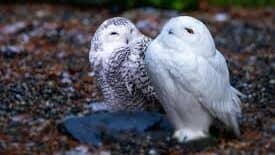
Owl snuggling follows distinct patterns that maximize heat conservation. When owls snuggle, they typically position themselves side by side, pressing their bodies together to minimize exposed surface area. This position allows them to share body heat efficiently. Sometimes, one owl may partially extend a wing over its mate, creating an additional insulating layer. Their feet, which lack the dense feathering that covers the rest of their bodies, are often tucked up into their feathers or pressed against their mate’s body. During particularly cold weather, pairs might huddle even more closely, with their heads sometimes tucked against each other’s bodies. This physical arrangement allows them to maintain critical body temperature while reducing the metabolic energy required for individual thermoregulation.
Seasonal Variations in Snuggling Behavior

The intensity and frequency of snuggling behaviors vary significantly with seasonal changes. During winter months, when temperatures plummet, owl pairs spend considerably more time in physical contact. Studies of Great Horned Owls have shown that pairs may spend up to 60% of daylight hours in direct physical contact during severe winter conditions, compared to less than 20% during warmer seasons. In northern regions where some owl species face subzero temperatures, this behavior becomes even more pronounced. Interestingly, snuggling behaviors don’t disappear entirely during warmer months but rather transform into less intensive forms of physical contact that continue to reinforce pair bonds while addressing reduced thermoregulatory needs.
Energy Conservation Through Shared Warmth
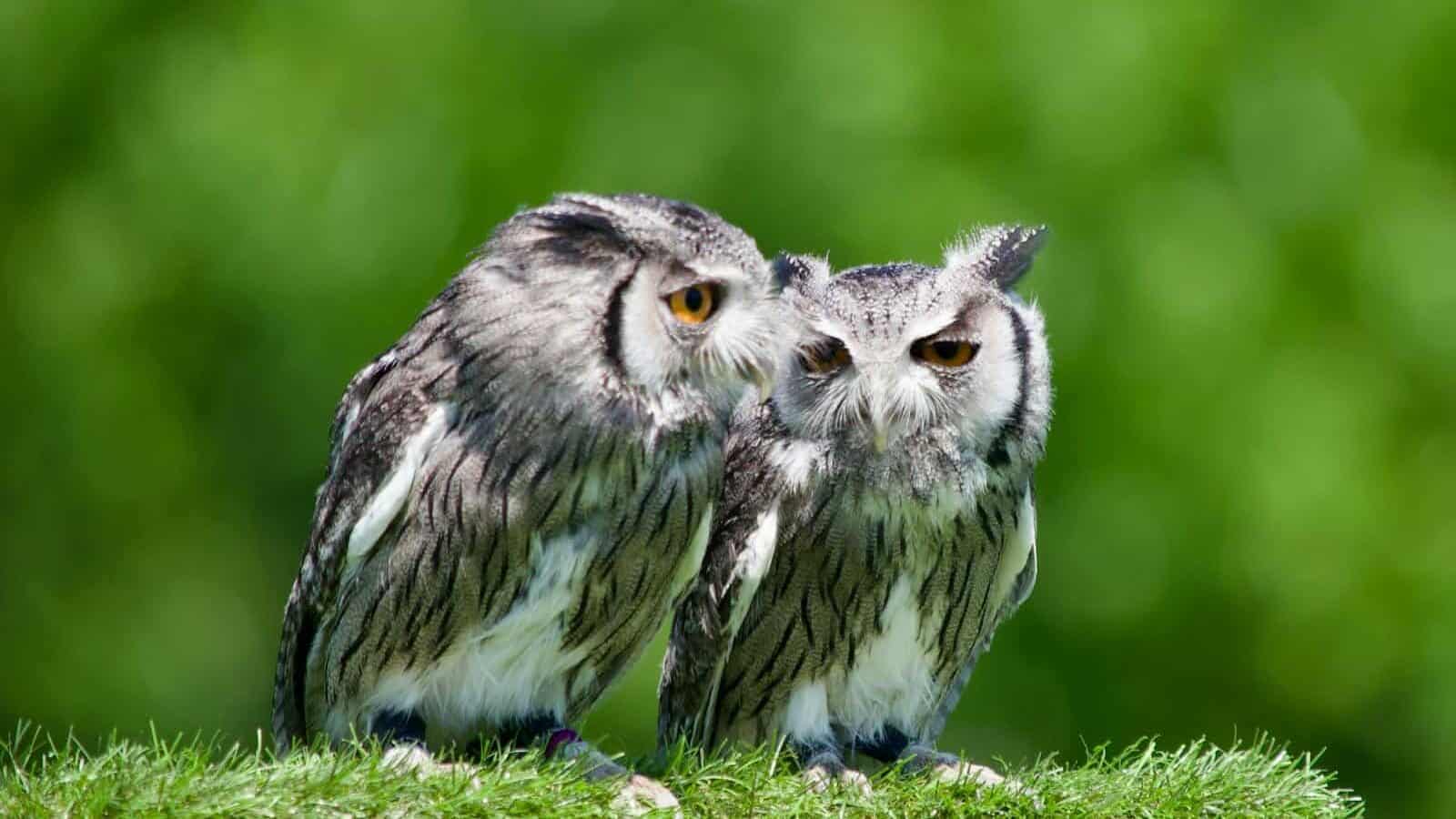
The energy economics of snuggling make it a highly advantageous survival strategy. Research has demonstrated that pair-bonded owls in physical contact can reduce their individual metabolic rates by up to 30% during cold weather. This significant energy saving allows owls to conserve precious calories during winter months when prey may be less abundant or harder to locate. By sharing body heat, owls reduce the calories needed for maintaining their high body temperature, effectively extending their energy reserves. Ornithologists have calculated that this energy conservation could mean the difference between survival and starvation during particularly harsh winter conditions, especially for smaller owl species with higher surface-area-to-volume ratios.
Variations Among Different Owl Species
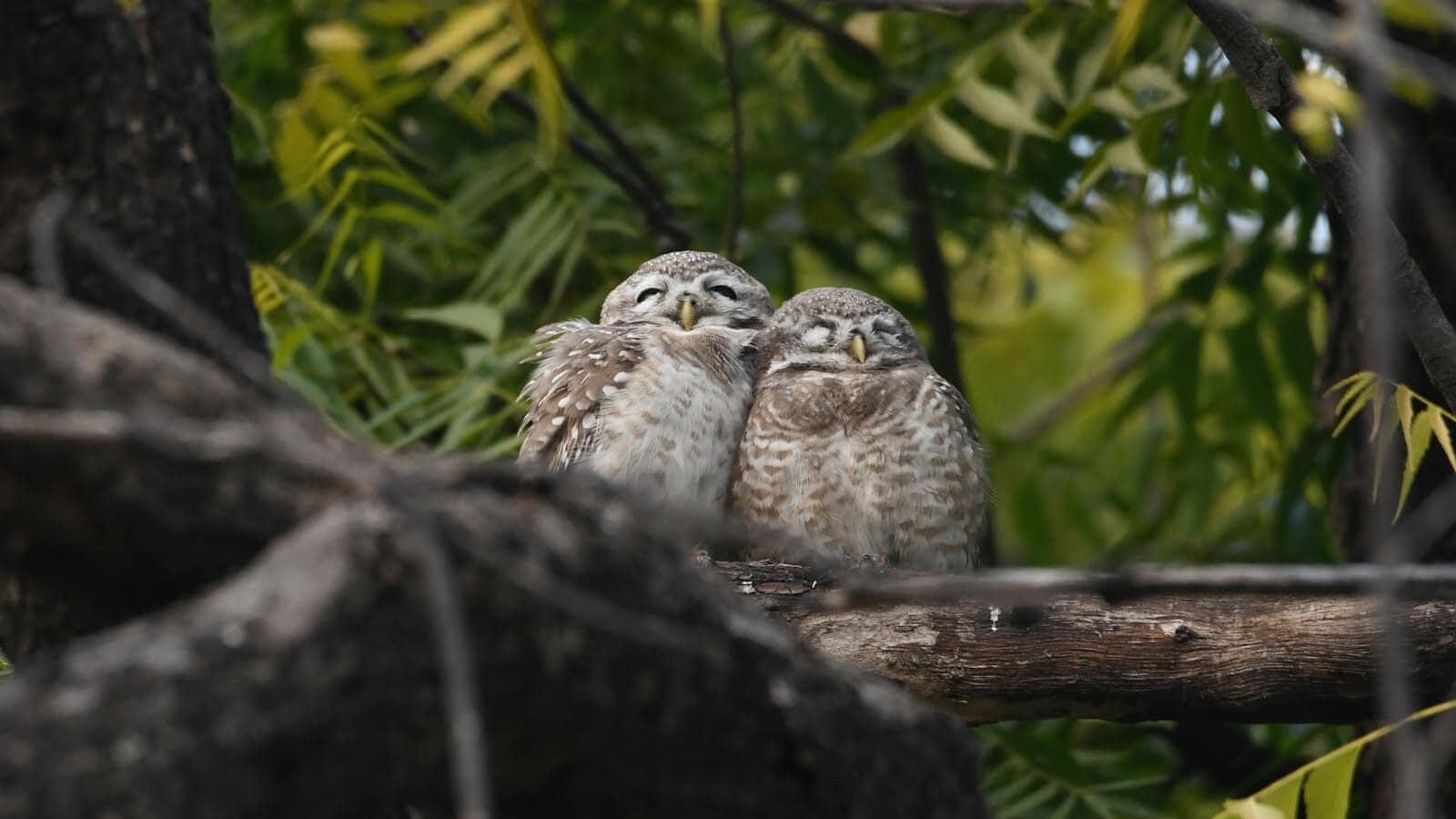
The intensity and style of snuggling behaviors vary considerably across the 200+ owl species worldwide. Smaller species like the Northern Saw-whet Owl (Aegolius acadicus) demonstrate more prolonged and intimate snuggling behaviors than larger species, likely due to their greater vulnerability to heat loss. Arctic specialists like Snowy Owls have developed particularly advanced snuggling techniques, sometimes creating small depressions in snow where pairs huddle together, using the snow itself as an additional insulating barrier. Forest-dwelling species like the Barred Owl (Strix varia) often seek sheltered tree cavities where pairs can press against each other in confined spaces that further reduce heat loss. These species-specific variations reflect both evolutionary adaptations to particular environments and the unique social dynamics of each owl type.
Beyond Warmth: The Social Aspects of Snuggling

While the thermoregulatory benefits of snuggling are clear, research suggests this behavior serves important social functions beyond mere warmth. Physical contact between owl mates releases hormones like oxytocin, often called the “bonding hormone,” which strengthens their pair bond. These close interactions provide opportunities for mutual grooming, where mates help maintain each other’s feather condition by removing parasites and aligning feathers for optimal insulation. Ornithologists have observed that owl pairs that engage in regular physical contact demonstrate better coordination in parental duties and territory defense. The intimate knowledge of a partner gained through physical closeness may contribute to the impressive longevity of owl pair bonds, with some species maintaining relationships for 10-15 years in the wild.
Snuggling During Nesting Season
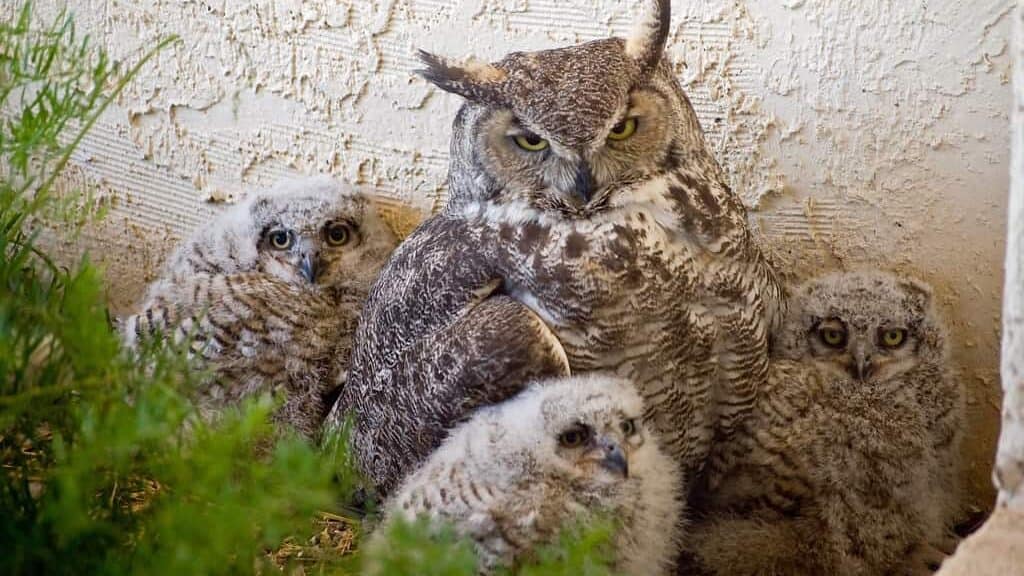
During the breeding season, snuggling takes on additional significance beyond temperature regulation. As owl pairs prepare for nesting, physical closeness becomes part of their courtship ritual and reinforces the partnership that will be essential for successful reproduction. In many species, males bring food gifts to females while snuggling, demonstrating their ability to provide for offspring. Once eggs are laid, the female typically handles most incubation duties, but her mate often remains in close physical contact when not hunting, particularly during cold nights. This behavior helps maintain optimal egg temperature and allows the incubating parent brief respites to stretch and maintain their own condition. After hatching, parent owls continue to snuggle with their young, teaching the next generation this essential survival strategy.
Human Observations and Research Methods

Studying owl snuggling behaviors presents unique challenges for researchers. The nocturnal nature of most owl species, combined with their often remote habitats, makes direct observation difficult. Modern research utilizes infrared cameras, satellite tracking, and temperature-sensing devices to monitor these intimate behaviors without disturbing the birds. Citizen science has also contributed valuable data, with birdwatchers and wildlife photographers documenting snuggling behaviors across different regions and conditions. Some notable research programs, such as The Owl Research Institute in Montana, have conducted long-term studies of pair-bonded owls, revealing intricate patterns in their physical interactions. These studies have transformed our understanding of owl social dynamics, moving beyond the stereotypical image of owls as solitary hunters to recognize the complex relationships they maintain.
The Role of Vocalizations During Snuggling

Owl snuggling sessions are rarely silent affairs. Pairs often engage in soft vocalizations that differ markedly from their territorial calls or hunting sounds. These intimate communications include gentle hoots, purrs, bill-clacking, and what researchers describe as “whisper calls” – vocalizations so quiet they can only be heard at extremely close range. These sounds appear to serve multiple functions: coordination of movement during position adjustments, expression of contentment, and reinforcement of the pair bond. Acoustic analysis has revealed that some mated owl pairs develop unique duet patterns during these close encounters, with precisely timed vocalizations that may be unique to each pair. These vocal exchanges, combined with physical contact, create multi-sensory bonding experiences that strengthen their partnership.
Climate Change Impacts on Snuggling Behavior
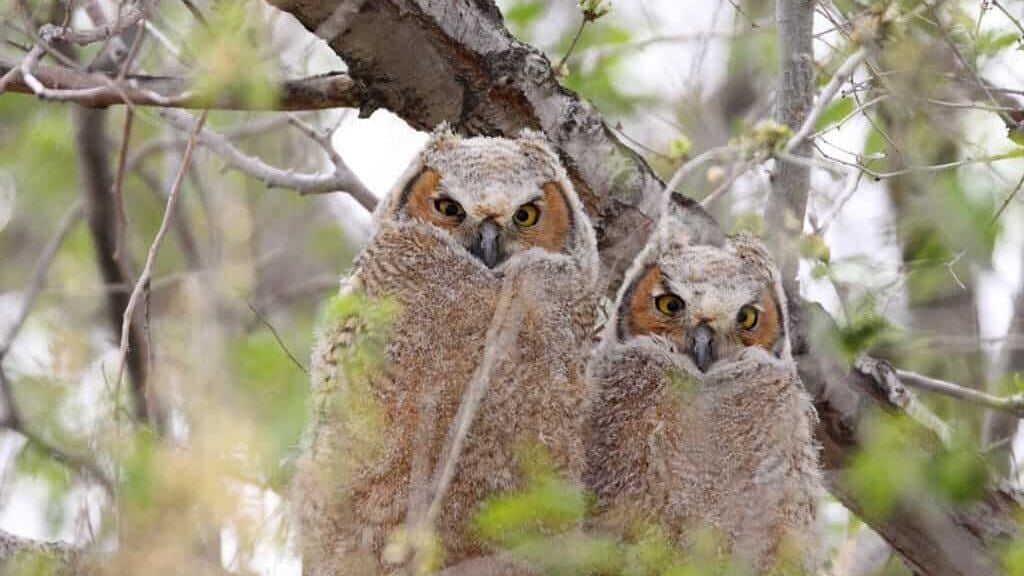
As global climate patterns shift, researchers are documenting changes in owl snuggling behaviors. In regions experiencing milder winters, some owl species are demonstrating reduced snuggling duration and frequency, potentially impacting their pair bond strength. Conversely, in areas experiencing more extreme weather fluctuations, some owl populations show increased reliance on this behavior to survive unexpected cold snaps. These changes may have long-term implications for breeding success and population dynamics. Climate researchers and ornithologists are collaborating to understand how these behavioral adaptations might influence owl population resilience in the face of continuing environmental changes. Some species appear more adaptable than others, with generalist species like Great Horned Owls showing more flexibility in their snuggling patterns compared to specialist species with narrower environmental tolerances.
Conservation Implications of Understanding Owl Snuggling
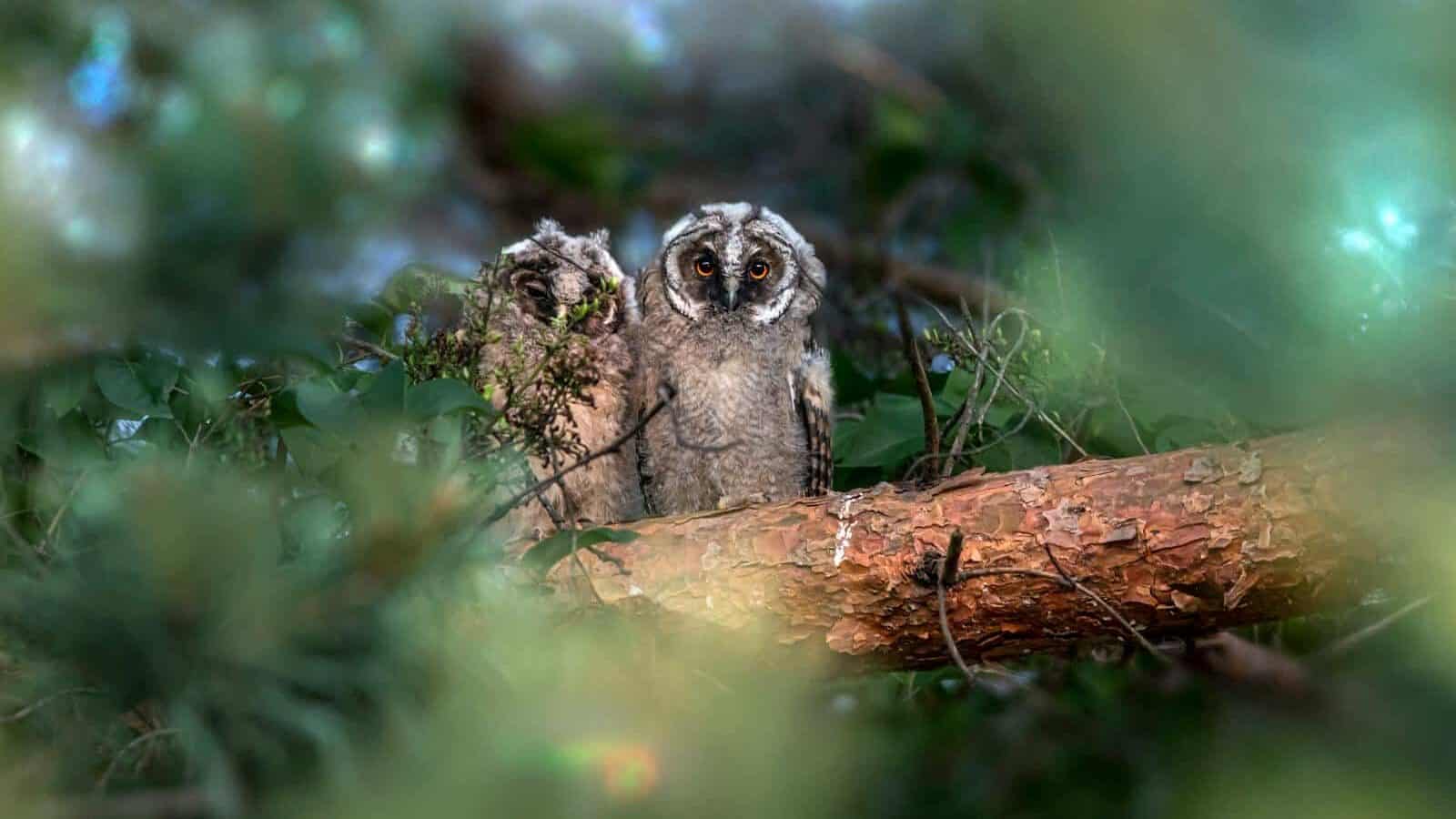
Understanding the critical role of snuggling in owl survival has important conservation implications. Habitat preservation efforts now consider not just hunting territories but also the availability of protected roosting sites where pairs can engage in this essential behavior. Captive breeding programs for endangered owl species have incorporated opportunities for physical contact between mates, significantly improving breeding success rates. Wildlife rehabilitators working with injured owls now consider the potential stress of separating bonded pairs during treatment and recovery. By recognizing that owls are not merely solitary hunters but socially complex creatures with strong pair bonds maintained through physical contact, conservation programs can better address the full spectrum of needs these magnificent birds require to thrive in changing environments.
The snuggling behavior of owl pairs reveals a profound truth about nature – even the most formidable predators rely on connection and companionship for survival. This intimate behavior, which serves both practical thermoregulatory functions and deeper social needs, offers a glimpse into the complex emotional lives of these remarkable birds. As we continue to study and understand these behaviors, we gain not just scientific knowledge but also a deeper appreciation for the delicate balance between independence and interdependence in the natural world. In the silent embrace of a pair of owls, pressed together against the winter cold, we can recognize a universal truth that transcends species boundaries – sometimes survival itself depends on the simple, profound act of drawing close to those we trust.

- Owls and Other Forest Dwellers of the Cascades - July 19, 2026
- What Happens When a Python Eats Something Too Big? - July 19, 2026
- Baby Koalas Hug Their Moms for Safety and Comfort - July 19, 2026