
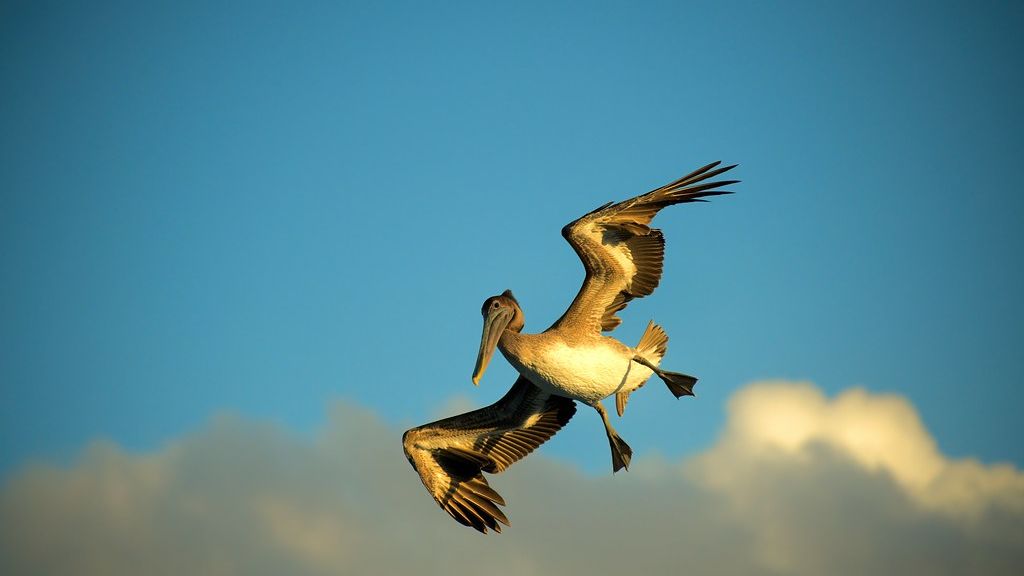
Imagine standing on a jagged outcrop along California’s Central Coast, watching the ocean boil with activity. The sky fills with thousands of massive brown pelicans, their wings slicing through salt air. They dive, they soar, they crowd the rocks like rush hour commuters jostling for space. It’s a spectacle straight out of a nature documentary.
This kind of gathering would’ve been nearly impossible to witness just a few decades back. These birds were once teetering on the brink of extinction, victims of pesticides and human carelessness. So when pelicans mass together like this, it raises an important question. Is this truly a sign that these magnificent creatures have bounced back for good? Or are we seeing a fleeting moment of success before the next challenge arrives?
A Feeding Frenzy That Turned Heads
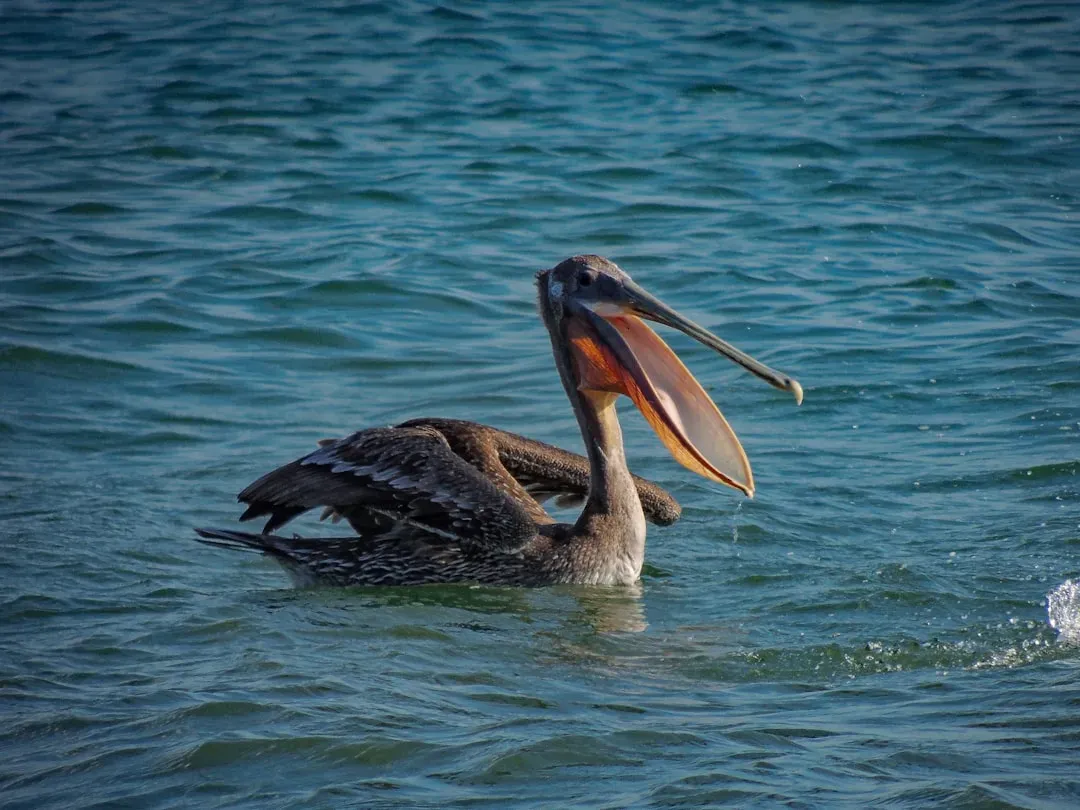
Last month, thousands of brown pelicans descended on Morro Bay in Central California, clustering on rocky shorelines in a remarkable feeding frenzy. The ocean churned as seabirds plunged headfirst, hunting for anchovies, sardines, and mackerel. Cormorants and gulls joined the feast, but it was the pelicans that dominated the scene.
Marine ornithologist Tammy Russell called the gorging seabirds a “good sign for the marine environment”. When pelicans gather in these numbers to feed, it typically means fish stocks are abundant. That’s encouraging news considering the struggles these birds have faced in recent years, from food shortages to toxic algae blooms.
The Dark Days of DDT
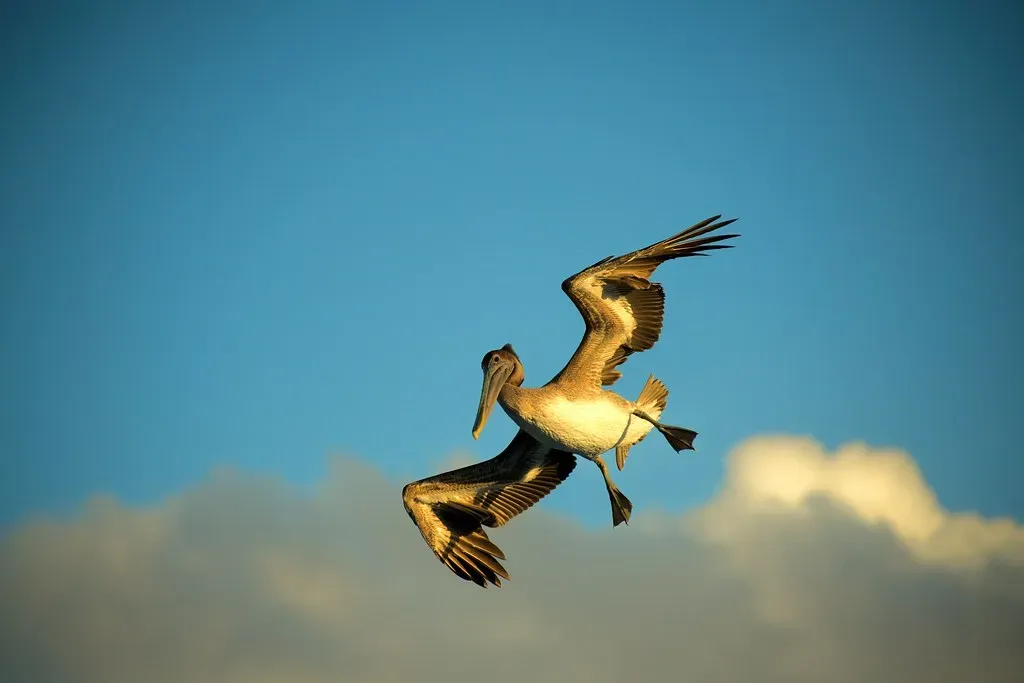
Brown pelicans were severely impacted by organochlorine pesticides such as DDT, which was used extensively in the U.S. during the 20th century. The chemical didn’t kill them outright. Instead, it did something more insidious. DDT caused eggshell thinning, and parent birds unknowingly crushed their own eggs while trying to incubate them.
In 1970, on West Anacapa Island, 552 nesting attempts were made, with only one chick surviving. The situation was dire. Louisiana, known as the Pelican State, lost the species entirely by the early 1960s. The federal government listed the brown pelican as endangered in 1970, California followed in 1971, and DDT was eventually banned in 1972.
A Slow but Steady Recovery
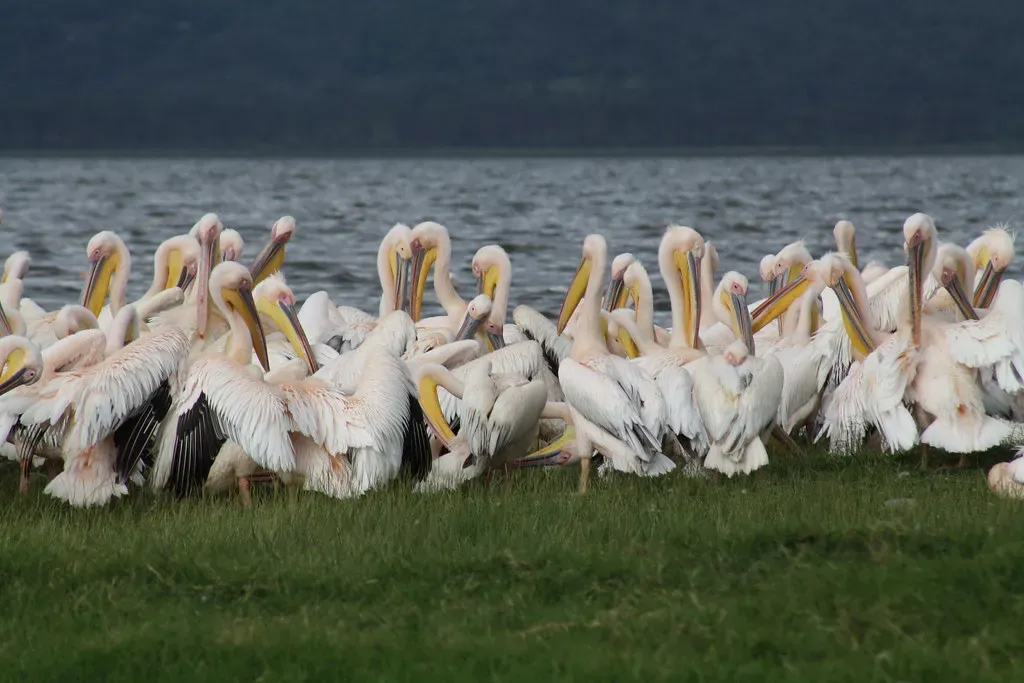
After the DDT ban took effect, something remarkable happened. Slowly, pelicans started coming back. The breeding population at Channel Islands steadily increased, with an average of 4,600 nests annually from 1985 to 2006. That’s a staggering turnaround from the single surviving chick in 1970.
Brown pelicans were delisted from the federal Endangered and Threatened Species list in 2009 after a decades-long recovery. Conservation groups celebrated. The birds were back, proof that environmental protections and species recovery programs could work when given the chance. It felt like a victory worth savoring.
The Comeback Hits a Wall
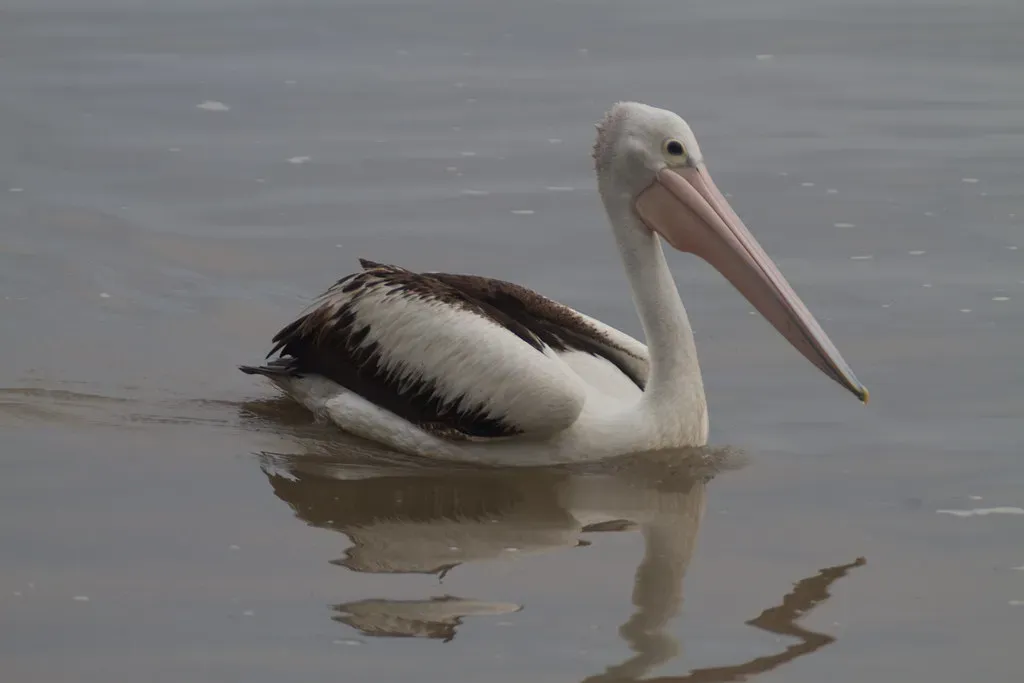
Here’s the thing, though. Recovery isn’t always linear. Soon after delisting, the Channel Islands pelican population declined dramatically when their primary food sources, particularly northern anchovy, crashed. Ocean conditions shifted, fish moved, and suddenly pelicans were struggling again.
In 2022, hundreds of pelicans were found sick along the California coasts, arriving at rehab centers emaciated and frequently with secondary injuries or broken wings. Nearly 800 sick pelicans were admitted to California rehab centers in 2022. Scientists discovered the birds had experienced starvation. When fish populations falter, pelicans pay the price quickly.
Fish Are the Key to Everything
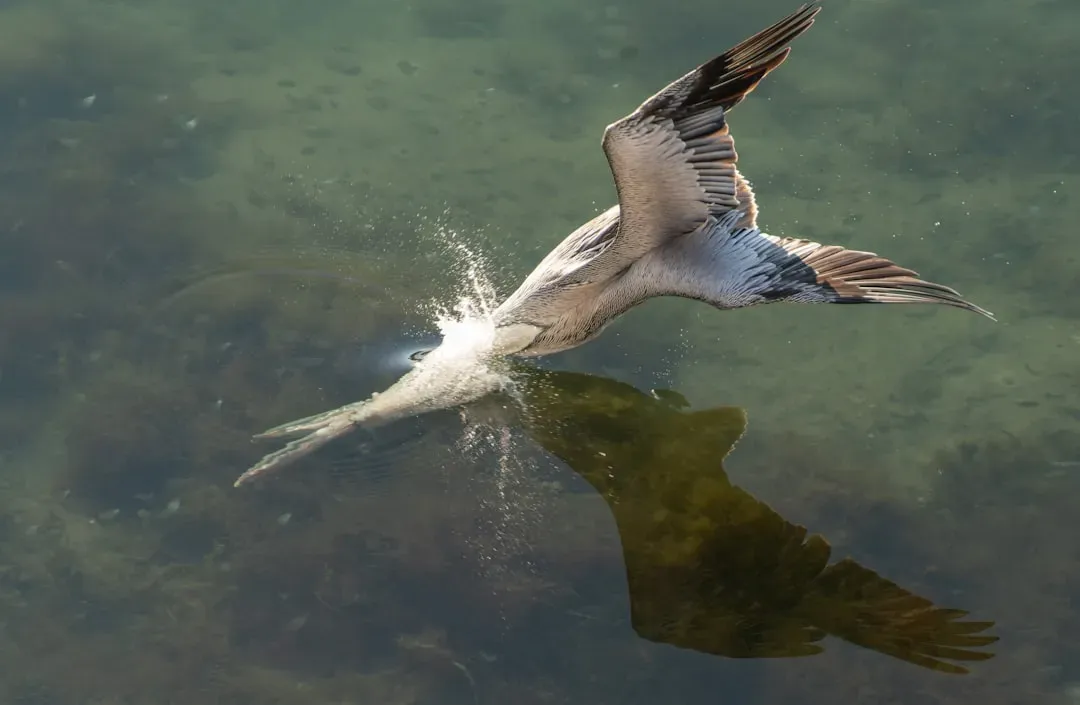
Pelicans need fish, lots of it. They’re not picky eaters, but they depend on forage fish like anchovies and sardines to survive. The increase in pelican productivity was correlated with a rise in the abundance of anchovies, a forage fish essential to the success of many seabird species.
When ocean temperatures warm or currents shift, fish populations can crash or move to deeper, colder waters. If the water warms, fish can move into deeper, colder water, making it more difficult for the birds to feed. Climate change is making these shifts more frequent and unpredictable, which means pelicans face an uncertain future tied directly to the health of the ocean.
What Scientists Are Saying Now
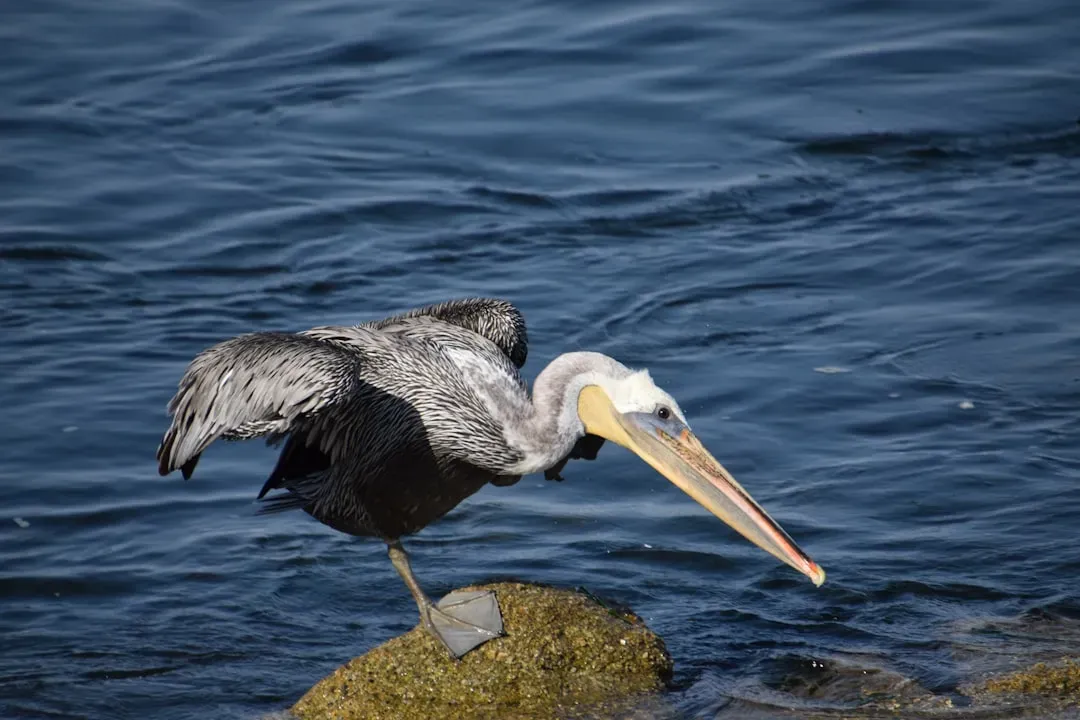
Researchers describe the populations as somewhat stable, though some events are concerning. That’s a careful, measured assessment. It avoids declaring total victory while acknowledging progress has been made. The pelican gatherings off California are encouraging, no doubt about it. They suggest fish are available and conditions are decent, at least for now.
Still, recent history teaches caution. Last year, scores of sick and starving pelicans were found in coastal California communities, and in 2022, wildlife authorities were baffled when large numbers were found sick and dying. Earlier this year, a toxic algae bloom poisoned pelicans and other marine animals along the coast. These kinds of events are reminders that pelican survival remains vulnerable.
Threats Beyond Pesticides
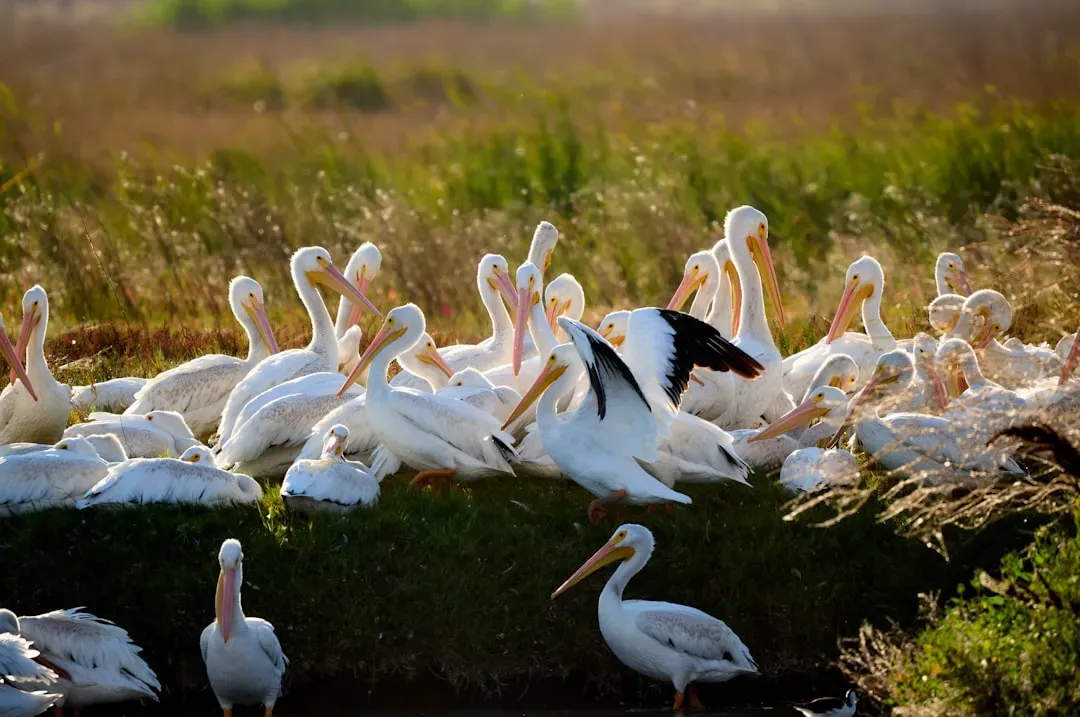
DDT is gone, but pelicans face new challenges. Climate change is altering ocean ecosystems in ways scientists are still trying to understand. Harmful algal blooms produce toxins that sicken seabirds. Oil spills remain a persistent danger. Fishing gear entangles and injures pelicans. Human development destroys nesting habitats.
Populations were troubled by poor reproductive output and nesting effort, as well as unusual mortality events, impacts that lined up with decreases in Northern Anchovy and the broader collapse of the Pacific Sardine fishery in 2015. When humans overfish or mismanage fisheries, pelicans suffer the consequences. Their fate is intertwined with ours in ways we’re only beginning to grasp.
Are Pelicans Really Back?
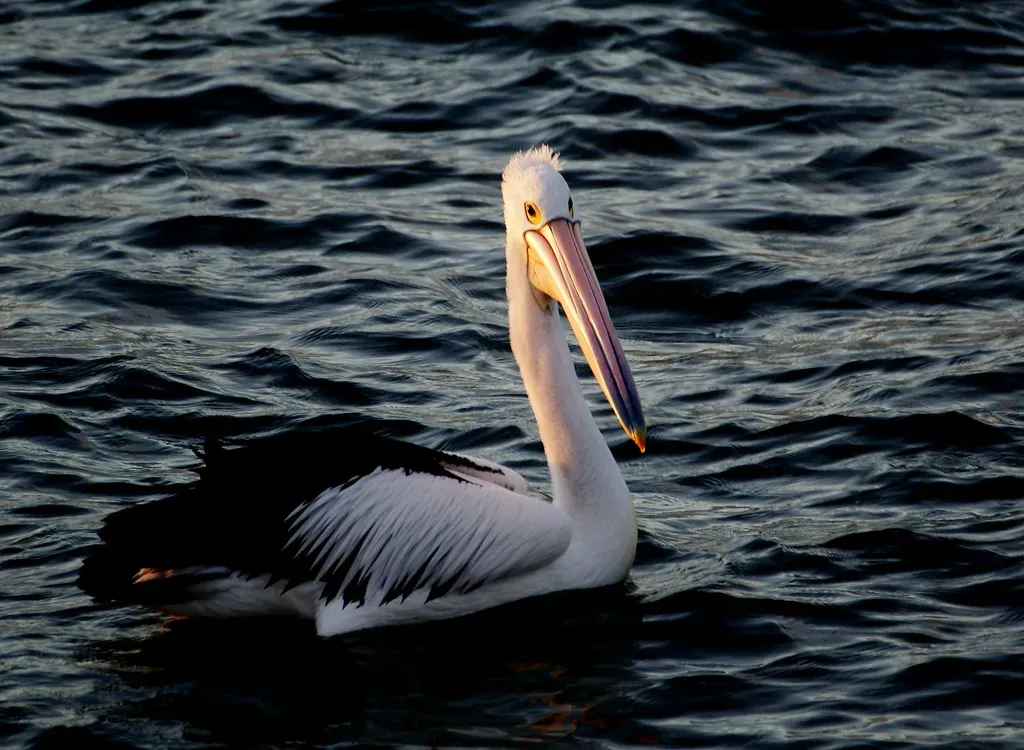
So does the recent gathering off California signal a true comeback? The honest answer is complicated. Yes, pelicans have recovered from the catastrophic lows of the DDT era. Their populations are stable in many areas, and recent feeding frenzies suggest conditions are improving. That’s worth celebrating.
Yet they remain vulnerable to environmental changes, food shortages, and human impacts. Since the 1970s, they have been gradually rebounding, but with some setbacks in recent years. The pelican’s story isn’t finished. It’s an ongoing saga of resilience tested repeatedly by the changing world around them. What we’re seeing now might be a hopeful chapter, but the next one hasn’t been written yet. Whether pelicans continue thriving depends on choices we make about ocean health, climate action, and habitat protection. Their comeback is real, but fragile. That’s the truth we need to hold onto.
