


When a massive loggerhead sea turtle named Lenny was found injured off the coast of Florida, it marked the beginning of an extraordinary journey of rescue, rehabilitation, and release. Lenny’s story is a testament to the dedication of marine conservationists and the resilience of wildlife.
A Giant in Distress
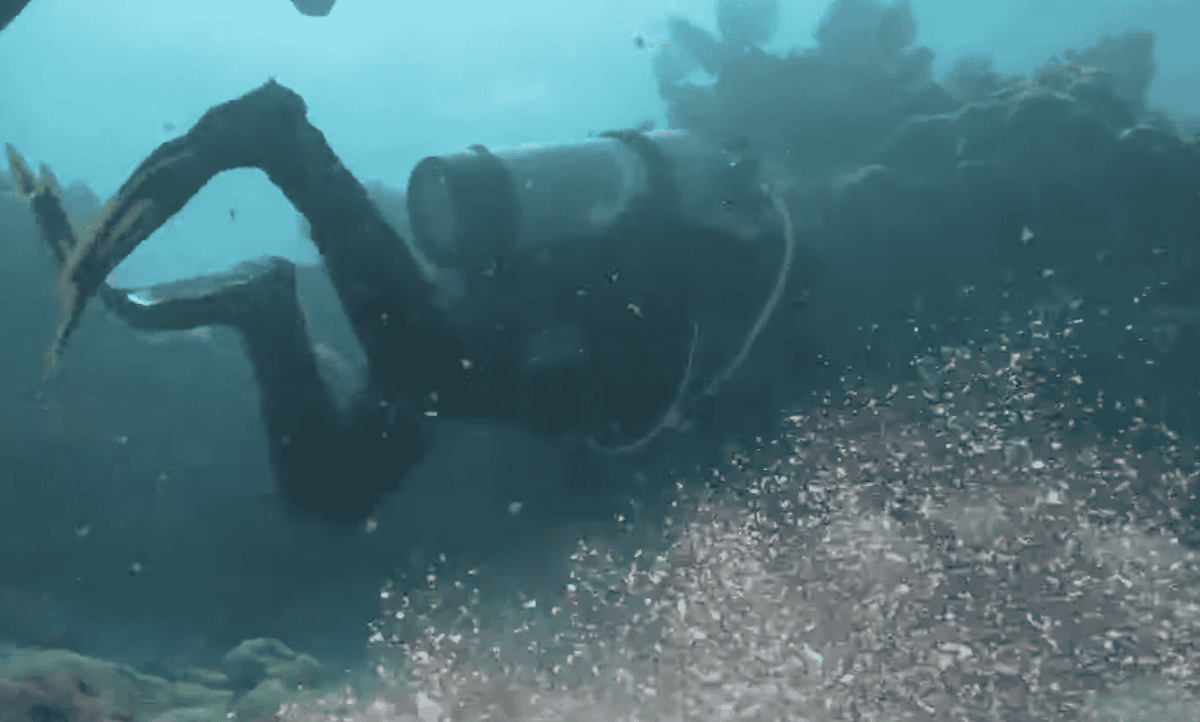
Lenny, a mature loggerhead turtle, was discovered with severe injuries, including a badly damaged shell and flippers, believed to be the result of a shark attack. His size and age indicated he had navigated the oceans for decades, making his injuries particularly concerning.YouTube
Emergency Intervention
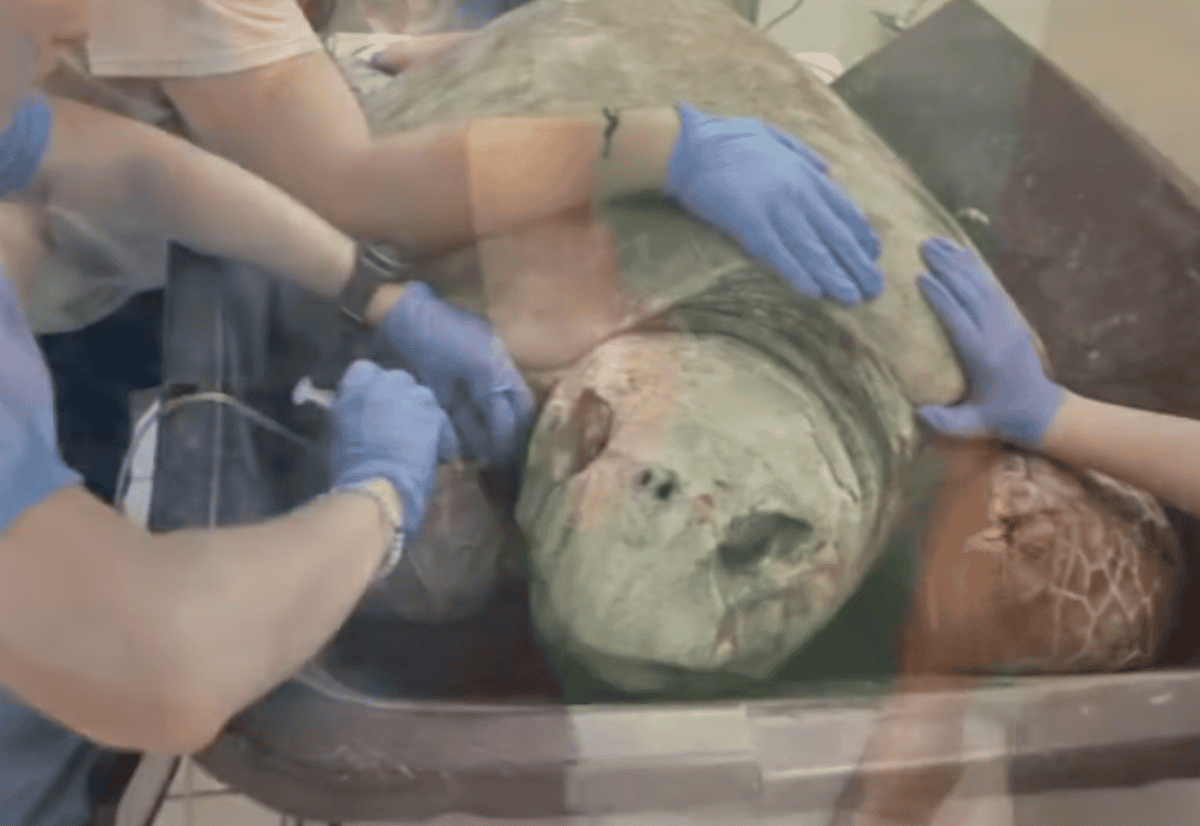
Upon discovery, marine biologists and rescue teams quickly mobilized to transport Lenny to a specialized rehabilitation center. Given his substantial size, moving him required coordinated efforts and specialized equipment to ensure his safety and minimize stress.YouTube
Comprehensive Rehabilitation
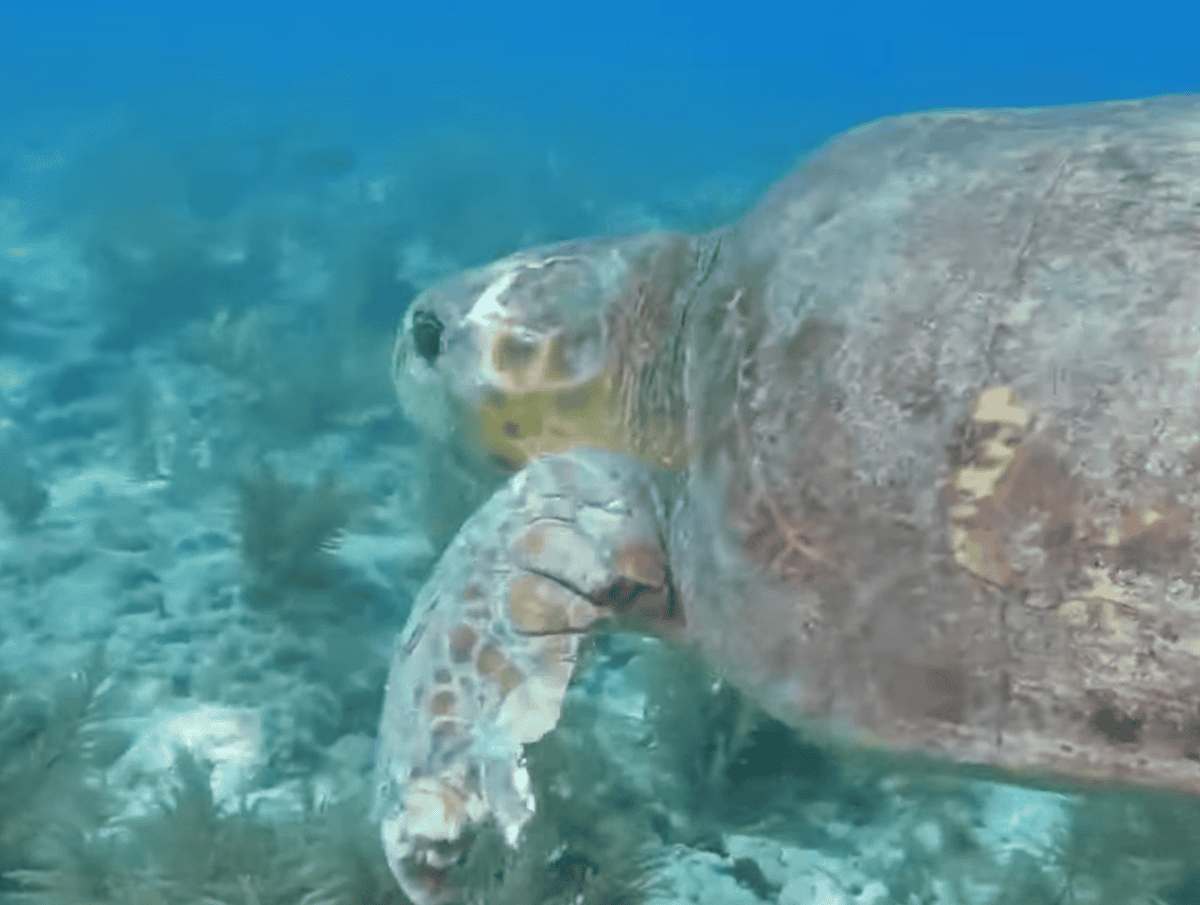
At the facility, Lenny received intensive medical care. Veterinarians treated his wounds, administered antibiotics to prevent infection, and provided supportive therapies to aid in his recovery. His treatment regimen included regular monitoring and adjustments based on his healing progress.
A Triumphant Return to the Sea
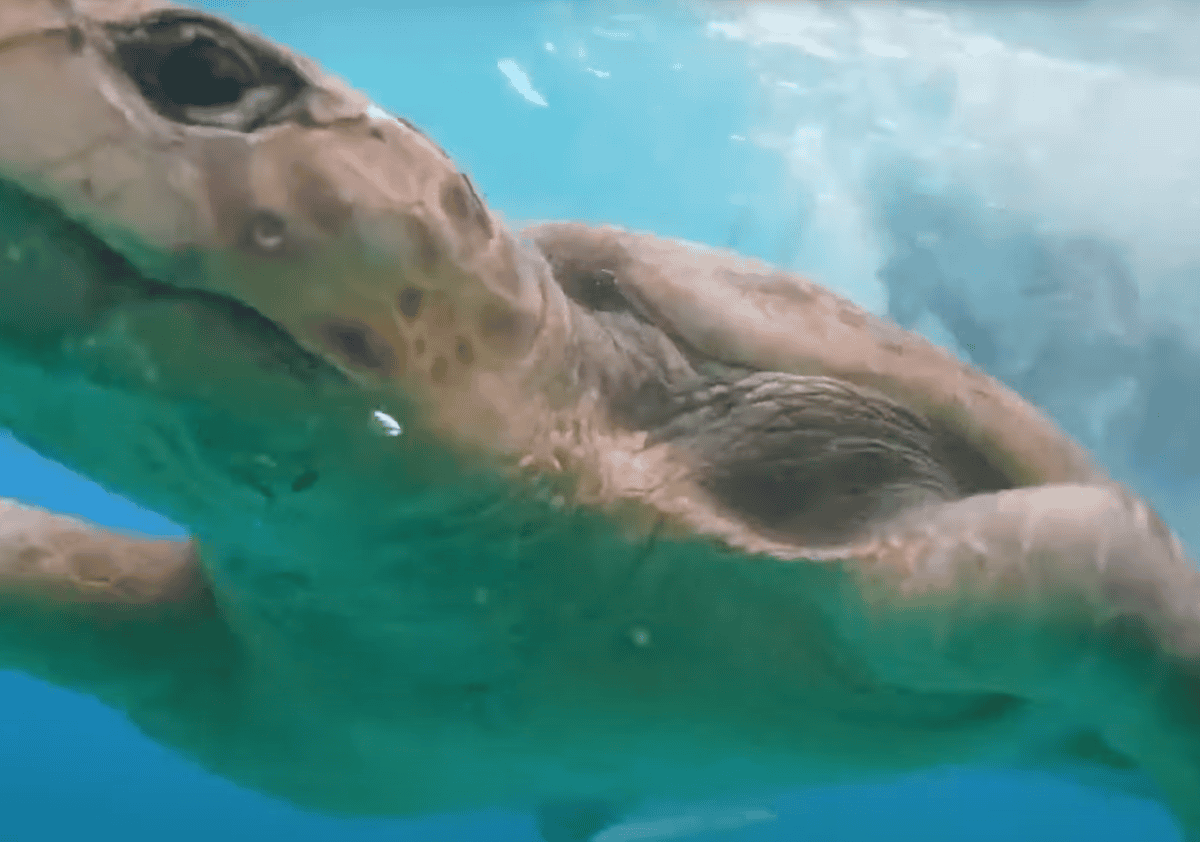
After months of dedicated care, Lenny showed significant improvement and was deemed ready for release. On the day of his return, a group of conservationists and supporters gathered to witness the moment. Lenny was carefully transported to the shoreline, where he made his way back into the ocean, symbolizing a successful collaboration between humans and nature.
The Importance of Marine Conservation
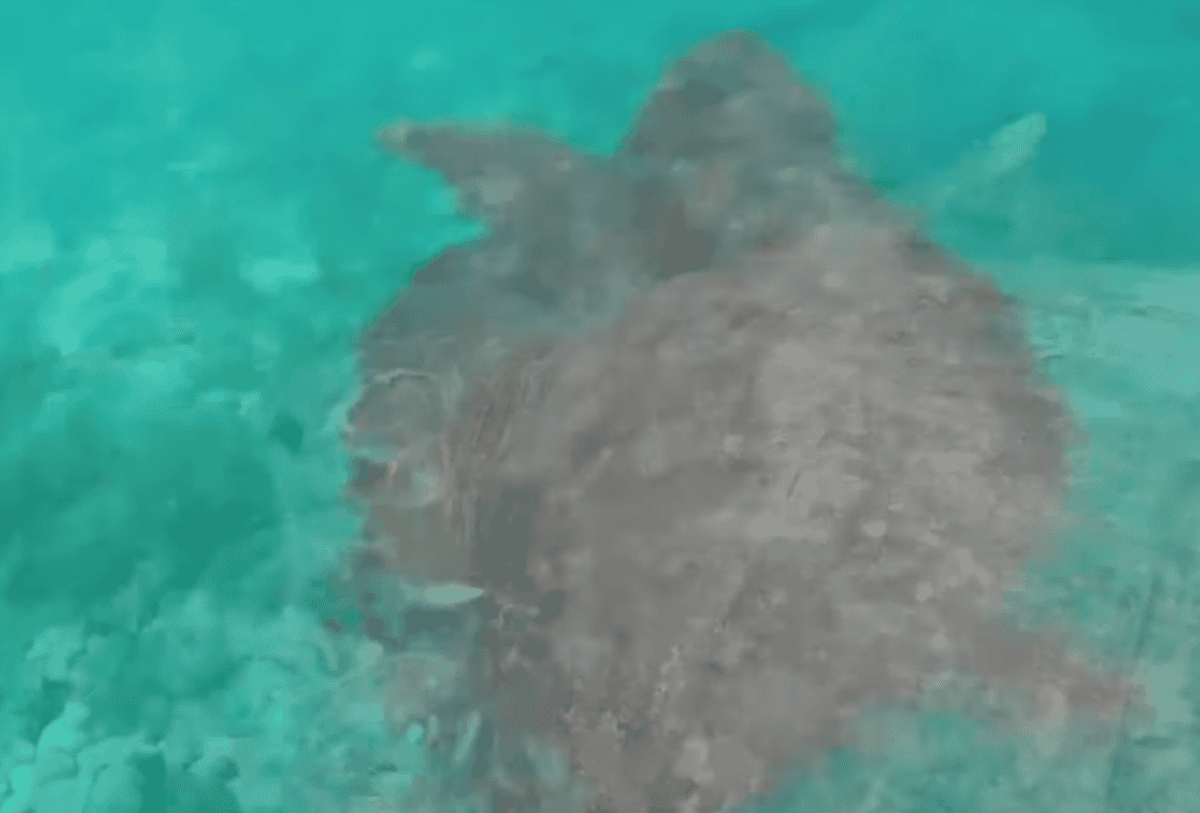
Lenny’s journey highlights the critical role of marine conservation efforts in protecting endangered species. It underscores the impact of human intervention in rescuing and rehabilitating wildlife, as well as the importance of preserving natural habitats to ensure the survival of such majestic creatures.
A Symbol of Hope and Resilience
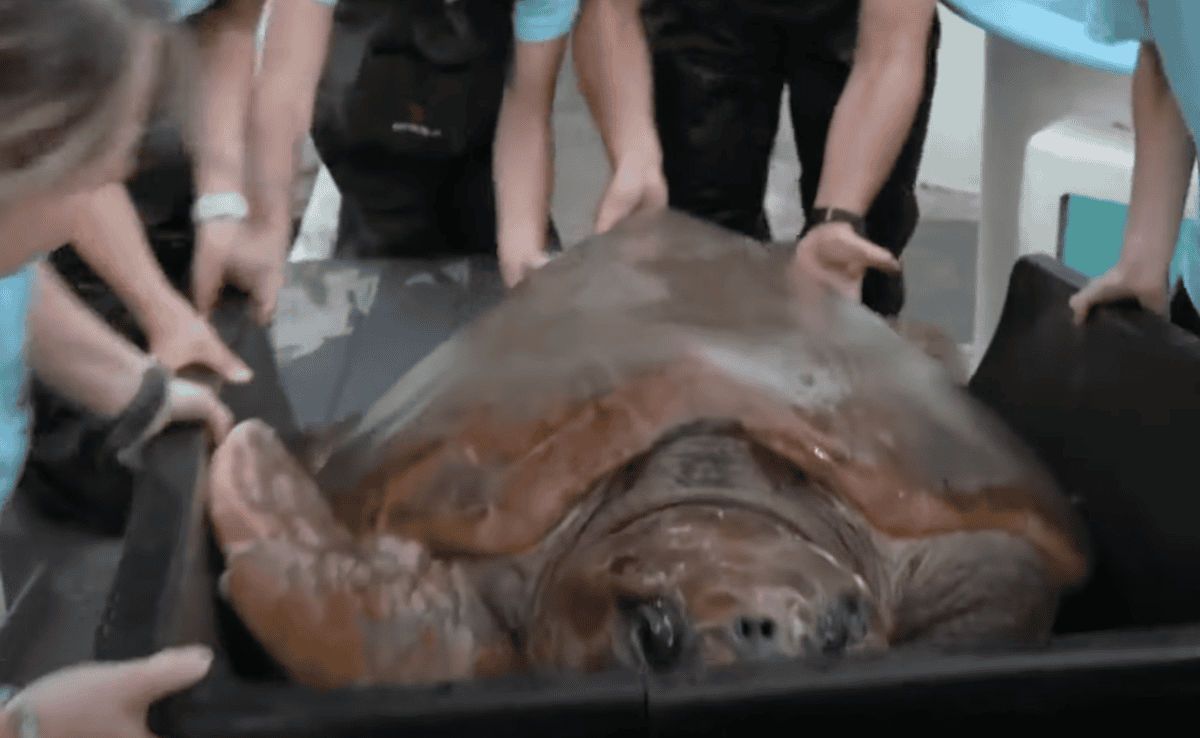
Lenny’s story serves as an inspiring reminder of the resilience of wildlife and the profound impact of compassionate conservation efforts. His successful rehabilitation and return to the ocean stand as a beacon of hope for ongoing and future initiatives aimed at preserving marine life for generations to come.

adventuring, photography and videography. I am currently working towards a BSc in Biodiversity and Ecology at Stellenbosch University to go on to specialise in Marine Sciences one day.
Please send any feedback to Feedback@animalsaroundtheglobe.com
- Are South Australia’s Toxic Algal Blooms to Blame For Sharks Coming on Shore? - July 18, 2026
- How Wildlife is Helping Track Human Impact - July 18, 2026
- Zoo Keeper Suffers Serious Arm Injury in Shocking Animal Attack - July 18, 2026