

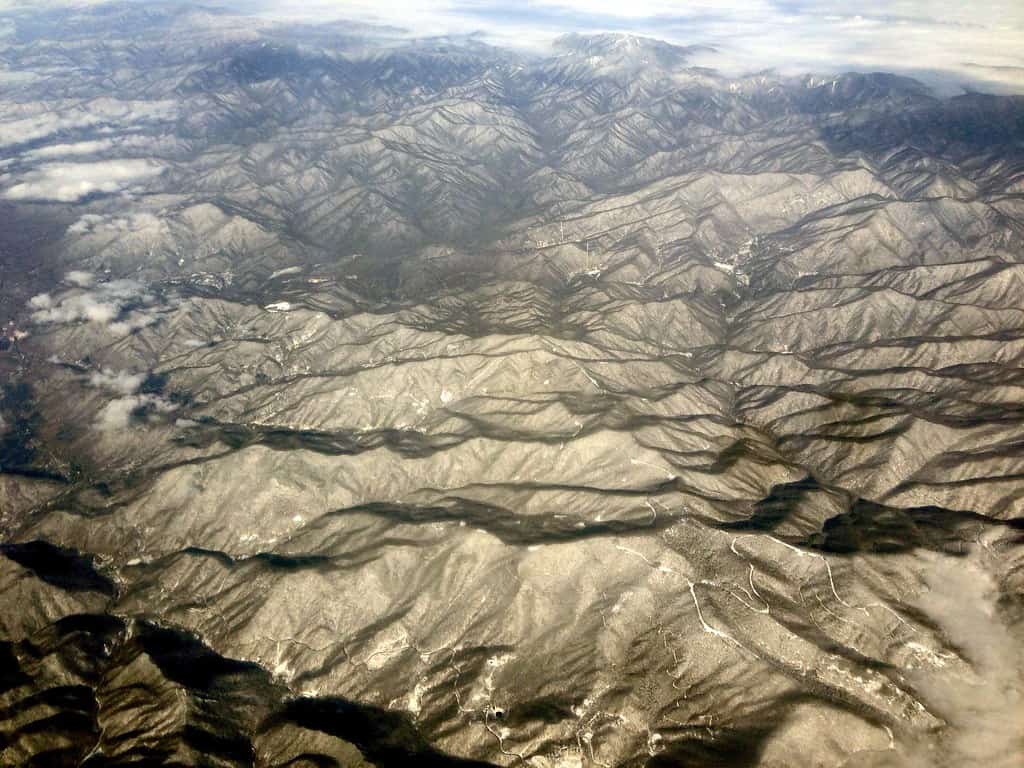
Long before dinosaurs or even complex life, Earth’s surface was a turbulent and dynamic world of oceans, volcanoes and violent geological forces, according to new analysis of some of the planet’s oldest bedrock found in South Africa’s Makhonjwa Mountains and neighboring Eswatini. These rocks — part of a geological record stretching back more than three-quarters of Earth’s 4.6-billion-year history — act like a window into a primordial world in which life and geological chaos coexisted.
Scientists studying these ancient formations report evidence of intense underwater volcanic activity, massive earthquakes and even giant asteroid impacts, yet life persisted — suggesting that Earth’s earliest ecosystems were forged in environments far harsher than those of today. By decoding the signals preserved in metal-rich chimneys, mudstone layers and fossil traces, researchers are reshaping our understanding of how life and the planet’s surface coevolved.
Oceans Filled with Fire and Water
The oldest bedrock reveals a landscape dominated by a mix of extensive early oceans and explosive volcanic activity on the sea floor. Deep beneath Earth’s crust, heat and pressure generated molten magma and super-heated water that gushed from underwater vents, creating towering chimneys of mineral-rich deposits and volatile conditions ripe for chemical reactions.
Volcanic islands rose from the ocean depths, surrounded by pools of boiling mud and frequent ash eruptions, creating a volatile coastal zone that was both dangerous and chemically rich — a setting that likely stimulated organic chemistry crucial for early life. Microbial mats, representing some of Earth’s earliest life forms, thrived in the shallow waters near these shores, pointing to life emerging alongside geological violence.
Quakes, Avalanches and Asteroid Strikes
The bedrock also preserves evidence of frequent, powerful earthquakes that shook the young planet, triggering submarine landslides and avalanches of sediment into the deep ocean. These catastrophic sea-floor disruptions scattered vast jumbles of rock across ancient basins, shaping early seascapes and influencing ocean chemistry.
In addition, ancient asteroid impacts left their mark on these geological archives. While such collisions were violent enough to disturb the world’s surface, they did not extinguish early life — suggesting that life’s resiliency was present even under repeated cosmic stress.
Land Rises and Early Continents Form
Beneath these tumultuous seas, deep-seated tectonic forces were already at work, pushing rock upward to form the earliest continental landmasses. The bedrock record shows evidence of new land emerging from the oceans, with coastlines defined by sandy beaches, estuaries, lagoons and rivers, much like modern environments but shaped by far more extreme processes.
These early landforms were in flux, with mountainous headwaters feeding floodwaters into the sea, and cloud-shrouded landscapes hinting at weather systems not unlike today’s, but on a planet still finding its geological balance.
Blue Planet Under a Toxic Sky
Despite its violent origins, Earth was already a blue planet at this early stage — its oceans scattering sunlight much as they do today. Yet the atmosphere was a toxic mix of methane and carbon dioxide, with negligible oxygen, creating conditions suitable for liquid water but hostile to oxygen-dependent life. The greenhouse gases helped keep the surface warm even though the young Sun was less powerful.
In these harsh conditions, Earth’s earliest life forms were anaerobic microbes, possibly exhibiting bright colors such as pink or purple, reflecting the unusual biochemistry of primordial ecosystems. These ancient organisms flourished in environments shaped by chemical and thermal extremes.
A Living Record of Earth’s First Half-Billion Years
The geological record preserved in rocks from the Makhonjwa Mountains is one of the few places where scientists can read Earth’s earliest chapters, telling a story of oceans, fire, impact and life at a time before atmospheric oxygen and before life diversified into complex forms.
This ancient bedrock shows that Earth became the world we know — blue, dynamic and life-bearing — within the first 10 percent of its history, long before the rise of visible life in the fossil record. These findings help explain not only our planet’s resilience but also why Earth, unlike Mars or Venus, has remained capable of supporting life.
Understanding Earth by Studying Its Oldest Stones
The violent beginnings of our planet — revealed through ancient African bedrock — provide a powerful reminder that Earth’s history was forged under conditions far removed from our modern experience. Submarine volcanoes, great quakes, meteor strikes and toxic skies were not obstacles to life’s emergence, but the very crucible in which it took hold.
This deep geological record challenges simplistic views of early Earth as a gentle cradle of life and highlights the interplay between chaos and creation that has shaped our world. As scientists continue to decode these rocks, they not only uncover the story of our planet’s earliest years but also remind us that resilience and persistence are woven into the fabric of life itself — a lesson as relevant today as it was billions of years ago.

- Urban Coyotes Show Remarkable Adaptability, Learning to Thrive in City Environments - July 22, 2026
- Beavers Are Nature’s Engineers, Creating Vital Habitats for Other Wildlife Species - July 21, 2026
- The Recovery of the California Condor Offers Hope for Other Critically Endangered Birds - July 21, 2026