

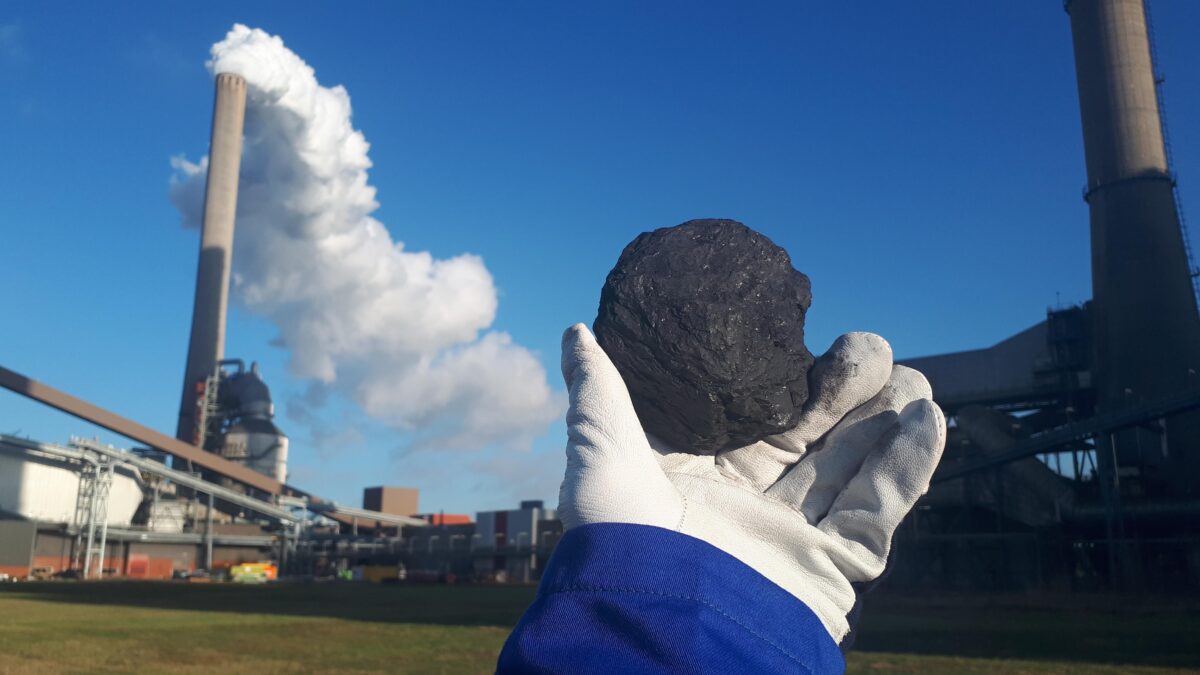
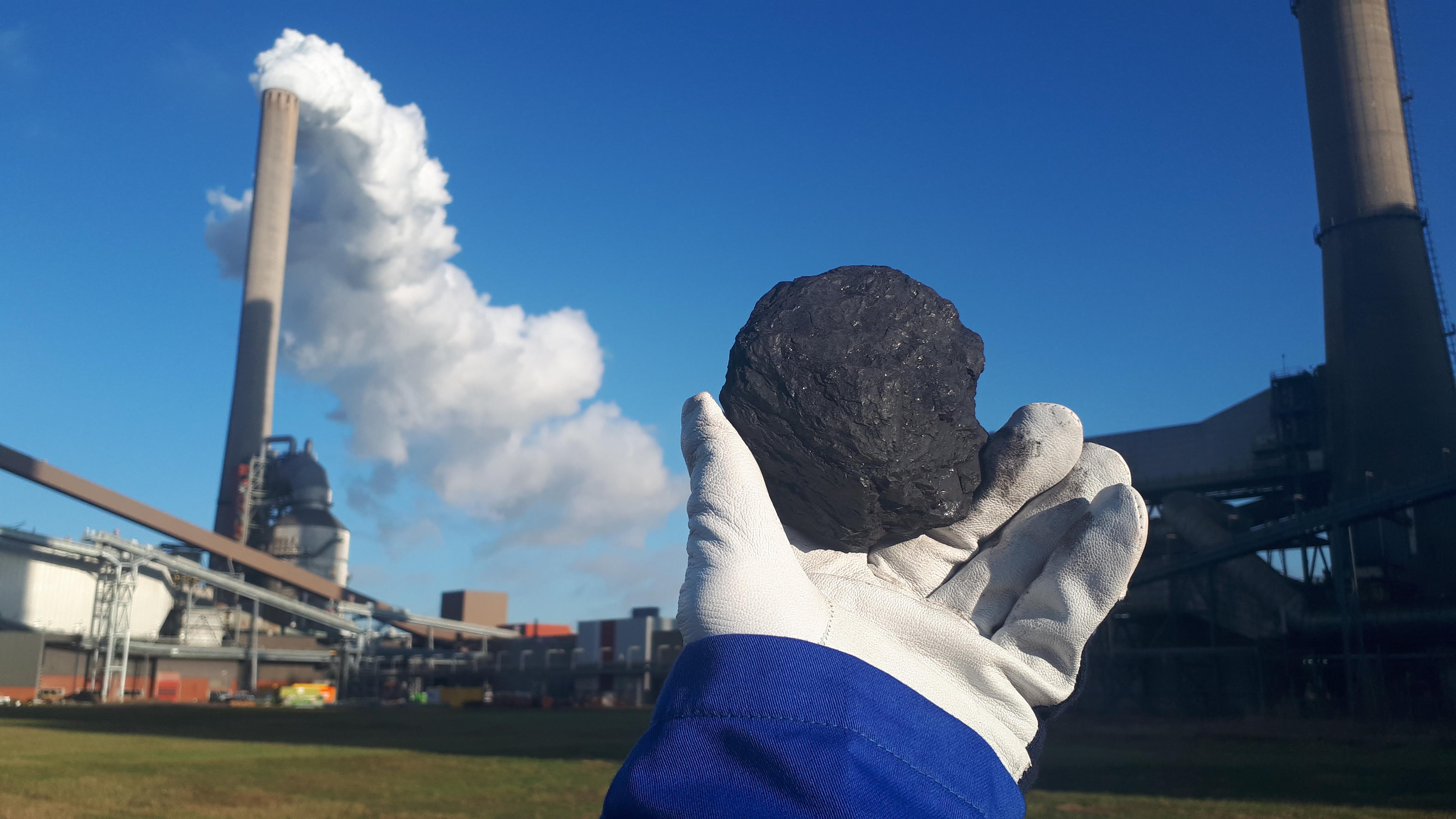
A Lifeline for Struggling Facilities (Image Credits: Upload.wikimedia.org)
The U.S. Environmental Protection Agency has proposed a significant delay in the closure requirements for unlined coal ash impoundments at several facilities, potentially allowing continued operation of aging power plants beyond their scheduled retirements.
A Lifeline for Struggling Facilities
Eleven coal-fired power plants across the country stand to gain an unexpected extension under the EPA’s latest proposal. These facilities, many facing imminent shutdowns, would receive until October 2031 to comply with federal rules on closing unlined surface impoundments used for toxic coal ash disposal. Without this change, operators would have needed to cease operations or relocate waste by 2028, a deadline that environmental advocates argue protects communities from hazardous leaks.
The proposal emerged amid broader efforts to support coal infrastructure, particularly as demand for reliable power grows with emerging technologies like data centers. Critics contend that the extension undermines safeguards established after years of litigation and spills that contaminated water sources. Plant owners have argued that immediate compliance would accelerate closures, threatening energy supply in certain regions. The EPA acknowledged receiving adverse comments on an earlier version of the rule, prompting a review and public input extension until late January 2026.
The Hidden Dangers of Coal Ash
Coal ash, a byproduct of burning coal for electricity, contains heavy metals such as arsenic, mercury, and lead that pose serious risks when stored in unlined ponds. These impoundments, often larger than 40 acres, allow contaminants to seep into groundwater and nearby waterways over time. Historical incidents, including major breaches in Tennessee and North Carolina, have led to widespread pollution affecting drinking water for millions.
Federal regulations from 2015 aimed to address these threats by mandating closures for unlined units, but loopholes persisted for older sites. The Legacy Coal Combustion Residuals rule extended monitoring to legacy dumps, yet enforcement has varied. Environmental groups have long pushed for stricter timelines, citing studies that link coal ash exposure to health issues like cancer and neurological damage in nearby residents.
Which Plants Face the Extended Deadline?
The affected facilities include a mix of large-scale operations in states like Kentucky, West Virginia, and Indiana, where coal remains a key energy source. For instance, sites operated by major utilities would benefit from the three-year reprieve, enabling them to continue generating power while planning ash relocation or pond lining.
Under the proposal, these plants must still meet groundwater monitoring standards, but the delay effectively postpones full cleanup. Here’s a breakdown of key implications:
- Extended operations could sustain jobs in coal-dependent communities, at least temporarily.
- Potential for increased ash accumulation raises leak risks during the interim period.
- Utilities may invest in alternative disposal, though costs could pass to ratepayers.
- Alignment with state programs in places like North Dakota and Wyoming, where EPA recently approved partial waivers.
- Broader impact on retirement schedules, as plants weigh economic viability against regulatory pressure.
Opposition Mounts from Advocates and Experts
Environmental organizations, including Earthjustice, have decried the proposal as a violation of existing law, arguing it prioritizes industry interests over public health. In a recent press release, advocates highlighted how the extension would stall cleanups at some of the largest ash ponds, leaving communities vulnerable longer. Public comments have flooded in, with many urging the EPA to uphold the original 2028 deadline.
The timing coincides with the Trump administration’s push to bolster coal amid rising energy needs, including for AI infrastructure. However, opponents point to the coal sector’s declining role in the U.S. energy mix, now overshadowed by renewables and natural gas. Legal challenges loom, as past lawsuits forced the EPA to strengthen rules in the first place. State regulators in areas like Colorado have faced similar scrutiny over plans to phase out coal, underscoring national tensions.
Key Takeaways
- The proposal affects 11 plants, delaying unlined pond closures from 2028 to 2031.
- Coal ash pollution risks persist, with heavy metals threatening water supplies.
- Public opposition grows, with comments due by late January 2026.
As the EPA weighs finalizing this rule, the balance between energy reliability and environmental protection remains precarious. The decision could set precedents for how the agency handles legacy pollution in a shifting energy landscape. What implications do you see for local communities or the push toward cleaner power? Share your thoughts in the comments.

- 23 Dog Breeds Trainers Say First-Time Owners Regret - July 29, 2026
- 18 Horse Breeds Farriers Say Are Hard on Hooves - July 29, 2026
- 21 Horse Breeds Equine Vets Wish Auction Buyers Would Research First - July 29, 2026