
Picture scrolling through your phone and pausing on a video of a wobbly kitten or a fluffy duckling. Something shifts inside, a warm pull that makes you smile without thinking. That reaction feels almost automatic, yet it runs deeper than simple preference.
Psychologists trace this response to an ancient mechanism that once helped ensure the survival of vulnerable young. The same pull that draws us to baby animals may have shaped how early humans cared for their own offspring. Understanding it reveals why certain features captivate us so reliably across time and cultures.
The Baby Schema That Captures Attention
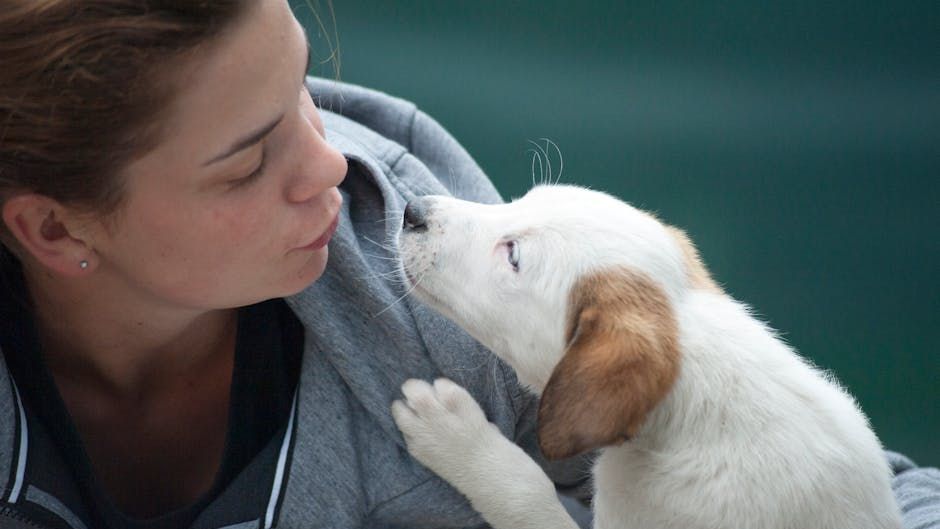
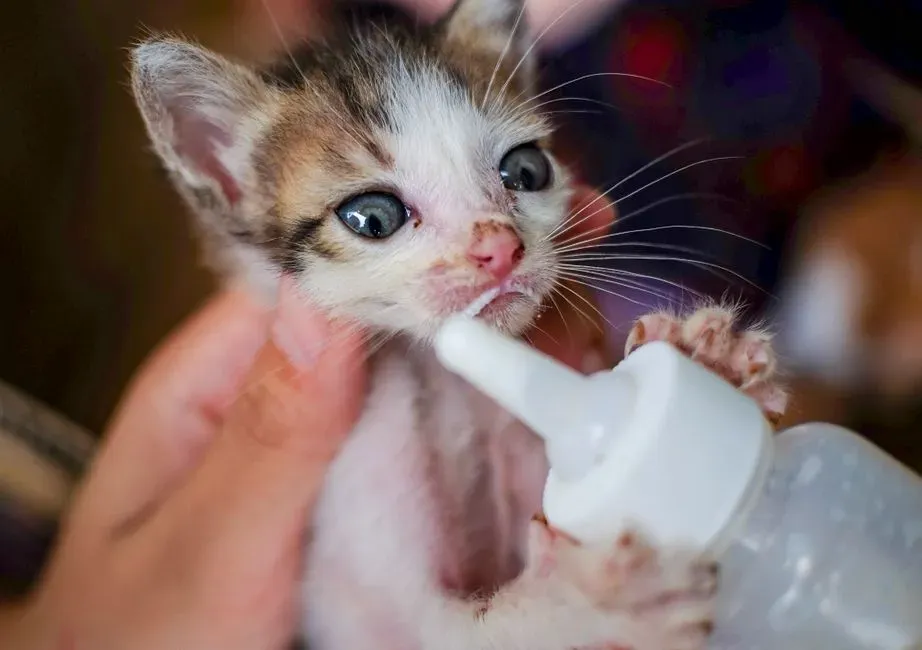
Researchers describe a set of physical traits known as the baby schema. These include large eyes set low on a round face, a small nose and mouth, and plump cheeks. When these features appear together they create an immediate sense of vulnerability that stands out from adult proportions.
People consistently rate images with stronger baby schema features as cuter and more deserving of protection. The effect shows up quickly, often within fractions of a second of viewing. It operates even when viewers know the animal is not their own species or responsibility.
Roots in Human Evolutionary History
Early human groups faced high infant mortality, so any trait that encouraged adults to approach and care for helpless young offered a survival edge. Responding warmly to rounded faces and big eyes likely increased the chances that babies received food, warmth, and defense from predators. Over generations this sensitivity became wired into the species.
The same wiring extends beyond our own infants. Baby animals display many of the same visual cues, so the ancient caregiving system activates for them as well. This broad response may have helped humans form bonds with domesticated species that later proved useful for hunting, herding, or companionship.
How the Brain Processes Cuteness
Brain imaging studies show that viewing baby faces or baby animals lights up reward centers and areas linked to empathy and motivation. The response resembles the neural activity seen when people look at their own children. Dopamine pathways appear involved, creating a pleasant feeling that encourages further engagement.
At the same time, regions associated with caregiving and protection become more active. The combination produces both a positive emotional tone and a drive to act. This dual activation helps explain why the sight of a baby animal can shift someone from neutral to attentive in moments.
Consistency Across Cultures and Species
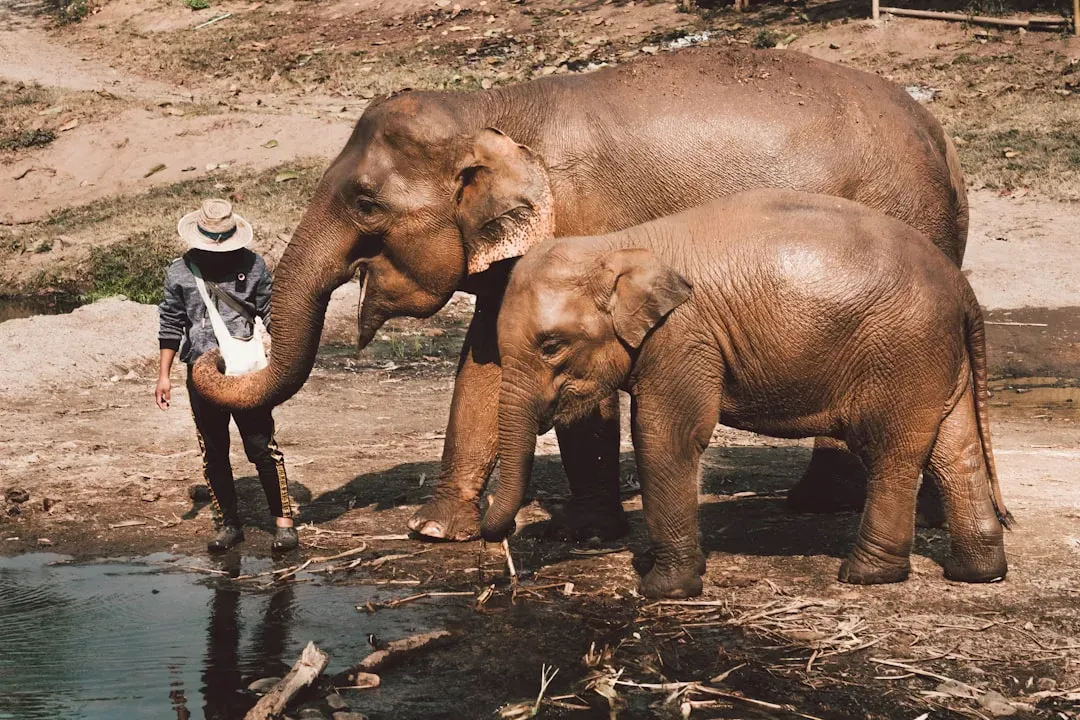
Experiments conducted in different countries find similar patterns of preference for baby schema features. Participants from varied backgrounds rate the same images as cuter when the traits are exaggerated. The response does not require prior exposure to specific animals or media portrayals.
Even young children show the effect before extensive cultural learning occurs. When shown paired images, they reach for the version with larger eyes and rounder features more often. This early emergence supports the idea of a built in mechanism rather than one shaped entirely by experience.
Links to Everyday Human Behavior
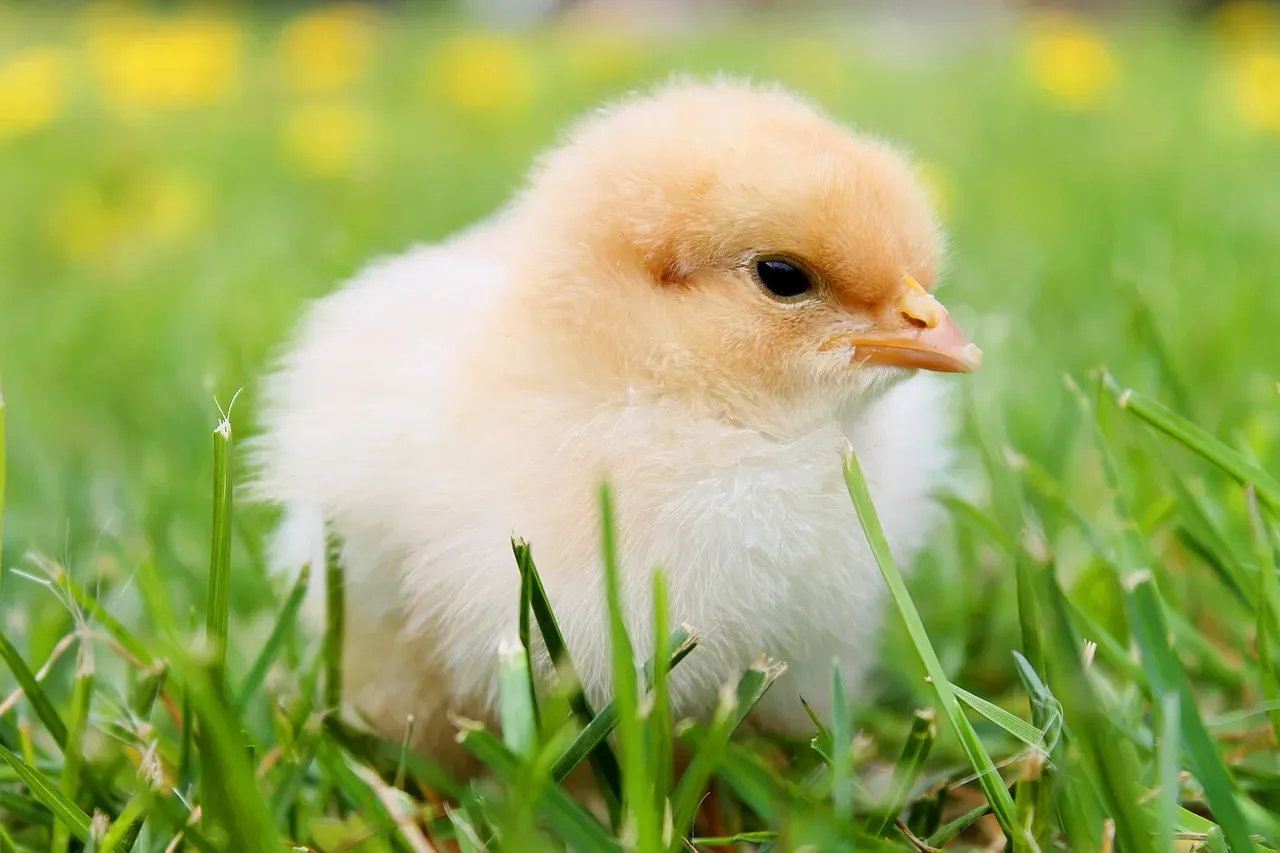
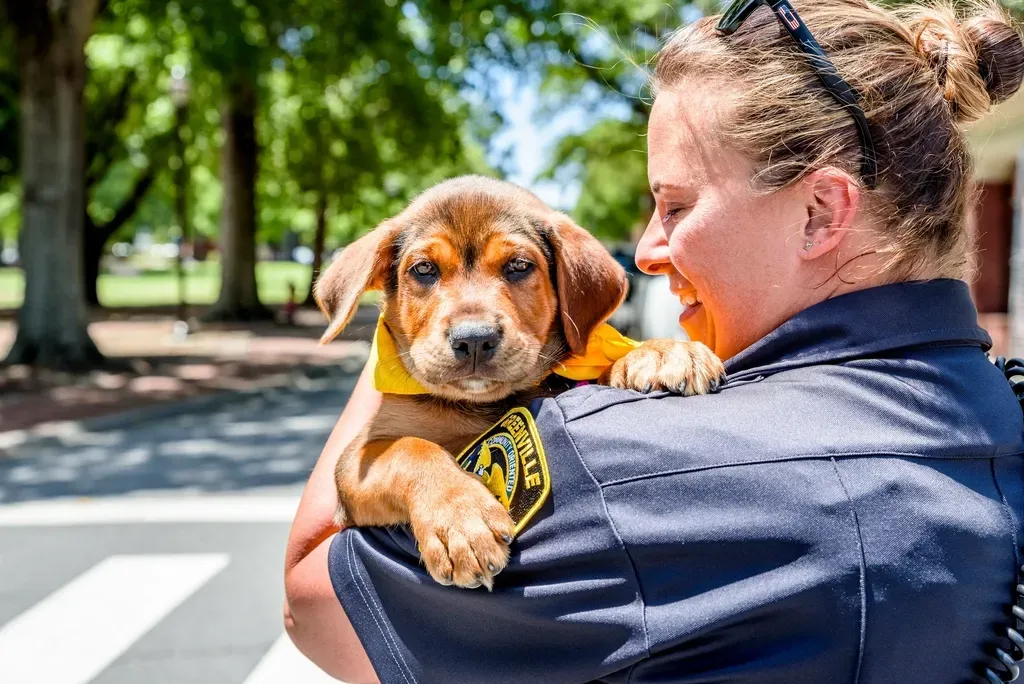
The instinct influences choices in daily life, from selecting pets to reacting to online content. Shelters often highlight animals with prominent baby features because they attract more visitors and faster adoptions. Content creators know that clips featuring puppies or kittens reliably gain wider shares than those showing adult animals.
Parents sometimes notice the same pull when comparing their own infants to baby animals in books or videos. The overlap suggests the system treats the visual signals as broadly relevant rather than limited to one category. This flexibility may have supported cooperative child rearing in ancestral groups.
Modern Media and Marketing Leverage
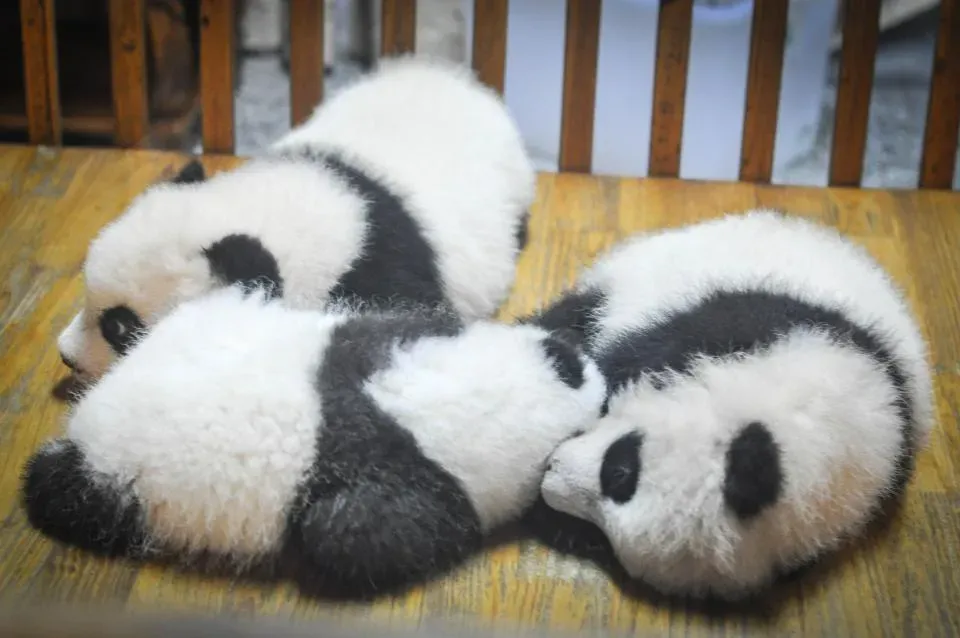
Advertising frequently uses baby animals to create positive associations with products. The images bypass conscious resistance because the response feels instinctive rather than calculated. Viewers report feeling more favorably toward brands that pair their messages with cute animal footage.
Social platforms amplify the effect through endless loops of baby animal videos. Algorithms favor content that holds attention, and these clips perform well because they trigger the nurturing response repeatedly. The result is a feedback loop that keeps such material prominent in feeds worldwide.
Conservation and Ethical Considerations
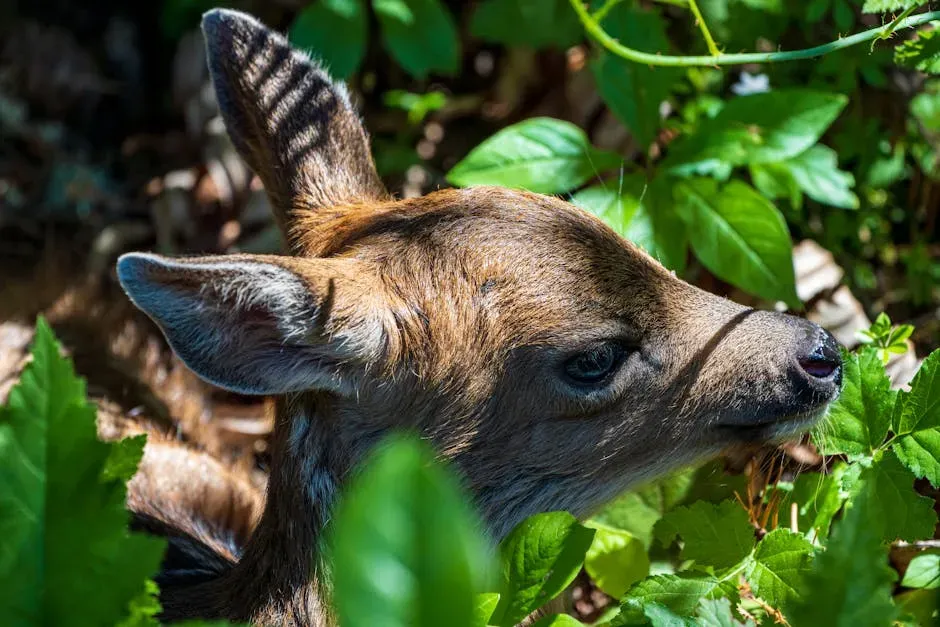
Wildlife organizations sometimes use baby animal imagery to raise awareness and funds. The approach works because it taps the same ancient sensitivity that once protected human infants. Yet it can also create unrealistic expectations about the ease of caring for wild species.
Over time the instinct may encourage protective attitudes toward endangered animals that share baby like traits. This can translate into support for habitat preservation when people feel emotionally connected. The challenge lies in channeling the response into sustained action rather than fleeting affection.
The ancient nurturing instinct continues to shape how humans interact with the animal world today. Recognizing its influence allows for more thoughtful choices about which appeals deserve attention and which deserve deeper commitment. In the end the pull toward baby animals reminds us of a shared vulnerability that crosses species lines and still guides quiet moments of care.
