
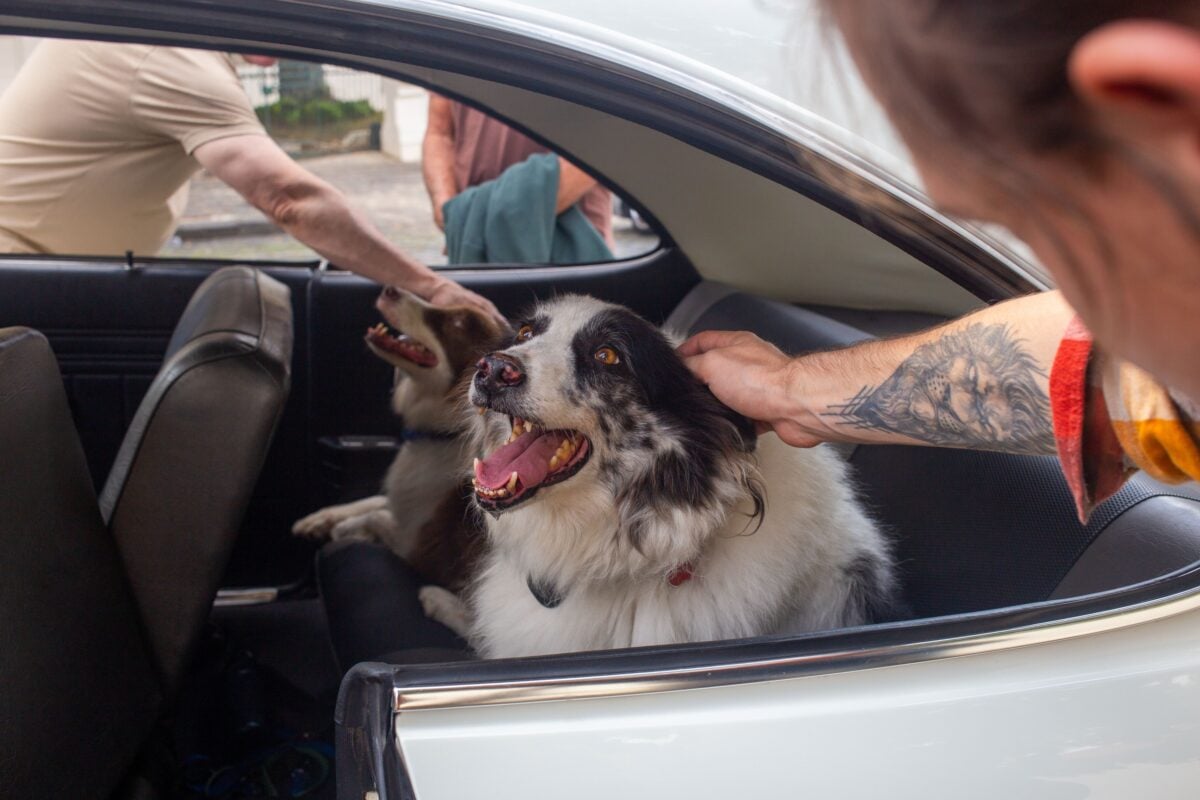
There is something almost suspiciously powerful about the way a dog can calm you down. One moment your chest is tight and your thoughts are racing, and ten minutes later, after running your fingers through warm fur and listening to soft breathing, everything feels quieter inside. That shift is not just in your head in the casual sense; it is in your head in the literal, biological sense. Your brain chemistry is changing in real time.
What almost never gets mentioned, though, is that your dog’s brain is changing too. While you are feeling less anxious and more grounded, your dog is also experiencing measurable shifts in stress hormones, bonding chemicals, and emotional state. This is not a one-way comfort transaction; it is a two-way neurochemical feedback loop. Once you see it that way, the idea of a “therapy dog” stops sounding cute and starts sounding like a quietly radical form of medicine that works in both directions.
Why Ten Minutes of Petting Can Feel Like a Tiny Dose of Calm
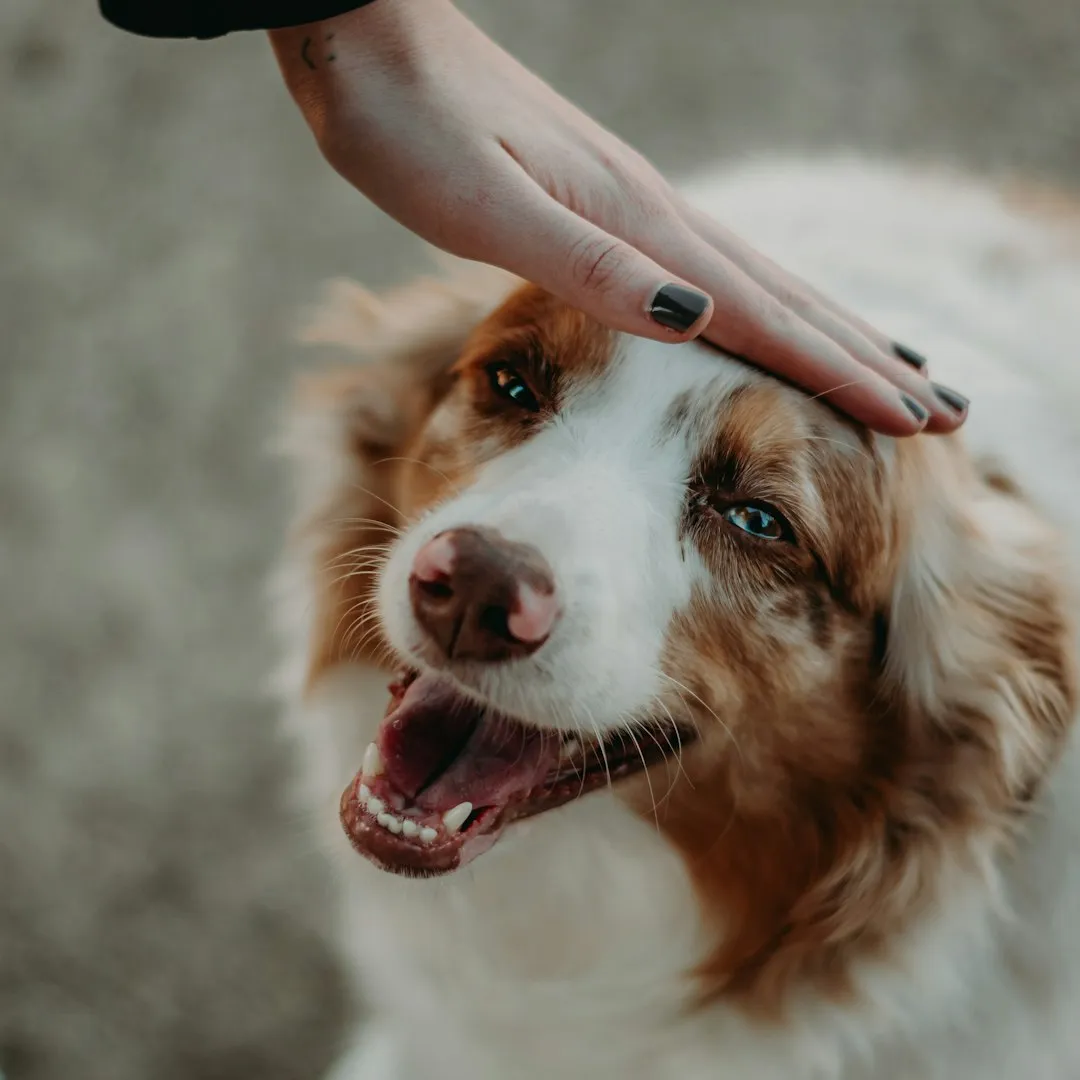
It sounds almost too simple: ten minutes of gently petting a dog and your nervous system starts to look different on a lab test. Yet controlled studies with college students and stressed adults show that even brief, structured interactions with calm, friendly dogs are linked to lower levels of the stress hormone cortisol and self-reported drops in anxiety. In other words, your body is not just emotionally soothed; it is chemically shifting out of threat mode.
At the same time, your brain is nudged toward a more relaxed, socially open state. Gentle touch and eye contact with a dog can increase oxytocin, a hormone often associated with bonding, trust, and feeling safe, while potentially supporting reductions in physical symptoms like muscle tension or elevated heart rate. This is one reason the experience can feel surprisingly similar to taking a fast-acting anti-anxiety medication: the subjective relief matches measurable biological changes, even though the “pill” is a living, breathing animal resting under your hand.
The Overlooked Side: What Happens Inside the Dog’s Brain
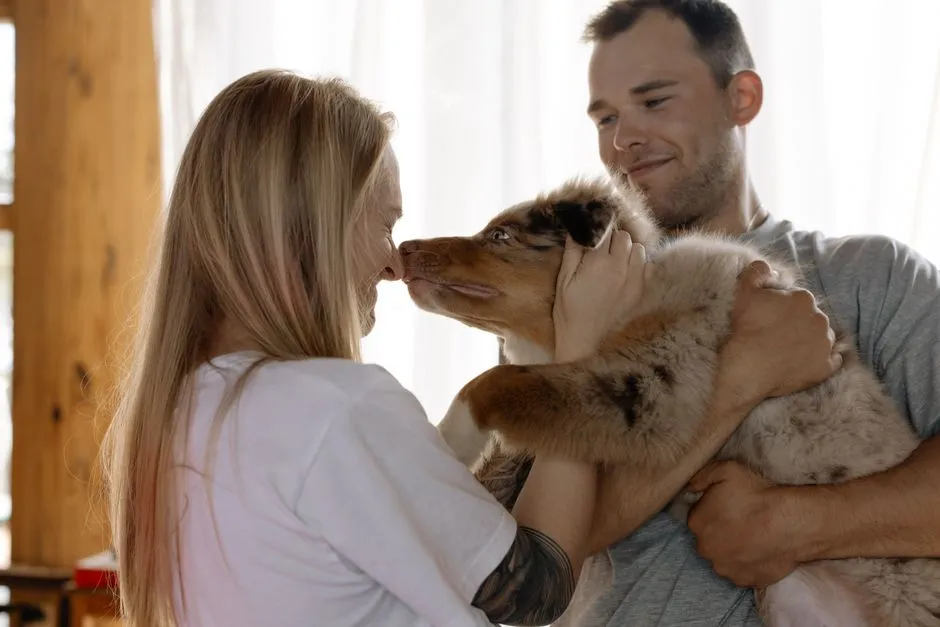
Here is the part we almost never talk about: your dog is not a passive emotional sponge soaking up your stress. When you pet your dog for ten minutes, their body is also running a whole cascade of chemical changes. Research has found that during positive human–dog interactions, dogs can show increases in oxytocin and, in some cases, reductions in cortisol, especially when the interaction is calm, predictable, and familiar.
Think of it like a shared emotional elevator ride: as your stress goes down, your dog’s sense of safety and contentment can go up. A dog that is gently stroked, spoken to softly, and allowed to approach on their own terms tends to show more relaxed body language, softer eyes, looser muscles, and a different hormonal profile than a dog that is ignored or handled roughly. So that moment where you think “my dog always makes me feel better” often has a hidden underside: in that same moment, you are also making your dog feel better, right down to their biochemistry.
Oxytocin: The Quiet Bonding Chemical You and Your Dog Share
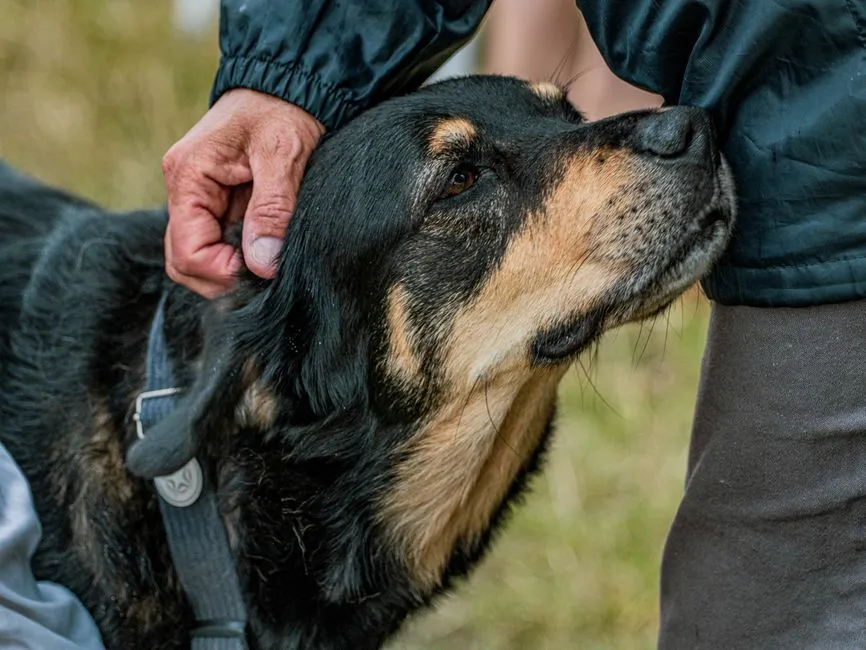
If there is a star of this story, it is probably oxytocin. This hormone is deeply involved in social bonding across many species and is sometimes described as the brain’s social glue. When humans interact positively with dogs, especially with eye contact and gentle touch, both species can show rising oxytocin levels. That is not just a cute detail; it is a biochemical sign that both brains are moving into a more connected, trusting state.
From a psychological point of view, this matters because anxiety often thrives in states of isolation and hypervigilance. Oxytocin tends to counter that by supporting feelings of connection and safety, which may be one reason some people find it easier to be emotionally open with a dog than with another human. On the dog’s side, higher oxytocin is linked to greater social interest, more affiliative behavior, and stronger attachment, which helps explain why your dog may seek out your lap or your hand when they want comfort just as strongly as you seek them out when you are stressed.
Stress, Cortisol, and Why Dogs Sometimes “Absorb” Your Bad Day
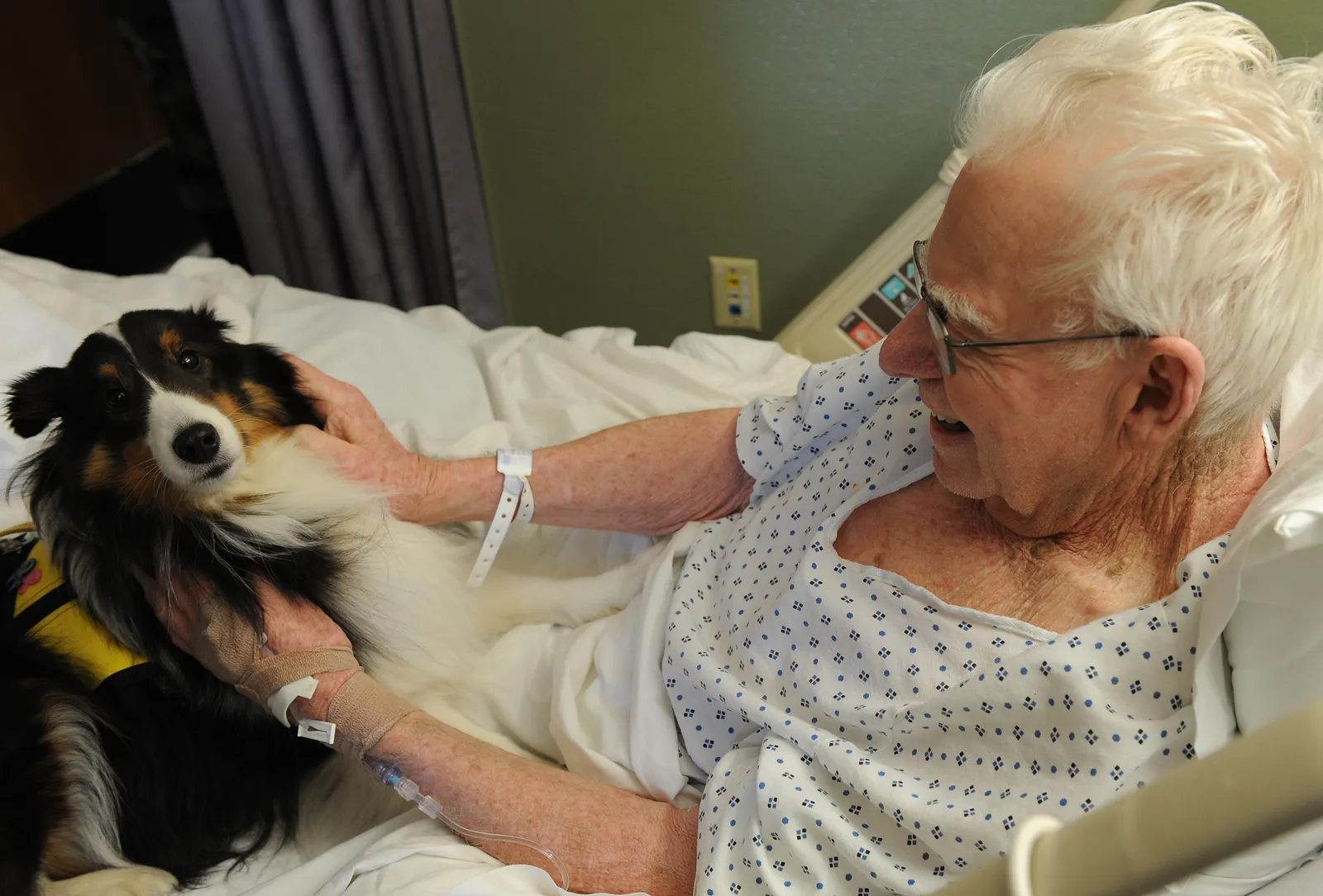
Cortisol is often called the stress hormone, and in short bursts it is essential for helping both humans and dogs respond to challenges. The problem comes when cortisol stays elevated for too long, fueling chronic anxiety, restless sleep, irritability, and health issues. Studies of people interacting with therapy dogs in hospitals, workplaces, and universities repeatedly find that even relatively short dog sessions can coincide with lower cortisol compared to control conditions without dogs.
Dogs, however, are not immune bystanders. They, too, produce cortisol under stress, and some research suggests that long-term patterns of owner stress can be reflected in dogs’ stress hormones over time. That does not mean your dog is ruined by one bad day, but it does hint that in tight relationships, emotional climates tend to sync. Paradoxically, this makes your ten-minute calm-down session even more meaningful: if you genuinely relax while petting your dog, you might be breaking a shared stress cycle for both of you, like turning down the emotional volume in the room for two nervous systems at once.
Why It Can Feel a Bit Like Taking an Anti-Anxiety Medication
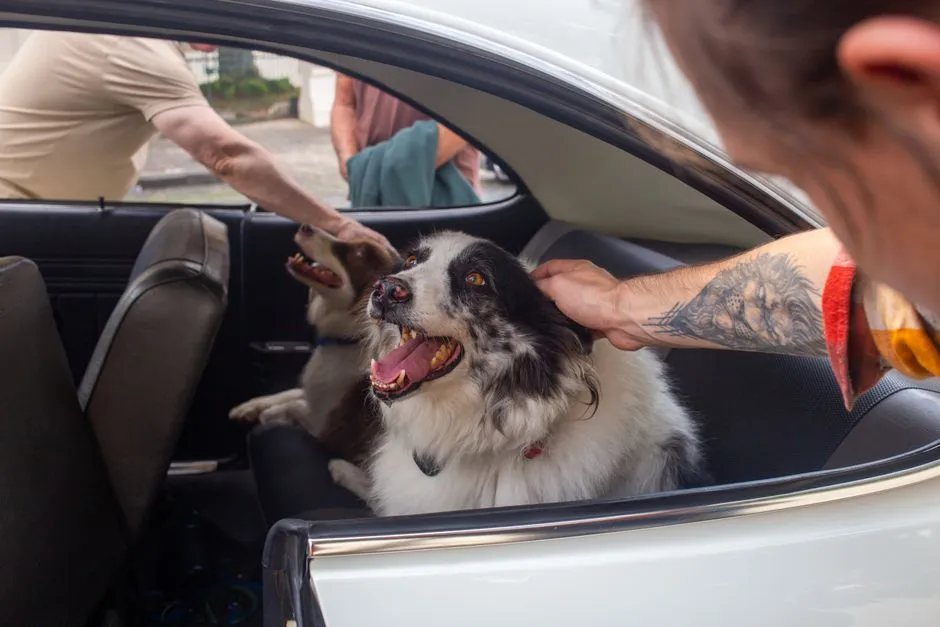
Comparing dog petting to anti-anxiety medication might sound dramatic, but there is a kernel of scientific truth in the analogy. Many anti-anxiety drugs work by dampening hyperactive stress circuits in the brain or shifting the balance of certain neurotransmitters that affect arousal, fear, and calm. While petting a dog does not deliver a precisely dosed, targeted pharmacological effect, it can trigger multiple systems at once: lower cortisol, higher oxytocin, changes in heart rate, and a shift in attention away from rumination toward sensory grounding.
The experience feels a lot like a whole-body exhale. Your thoughts may slow down simply because you are focused on the texture of fur, the rhythm of breathing, and the warmth of contact instead of running worst-case scenarios in your head. You could think of it as a natural, side-by-side intervention: instead of swallowing a pill alone, you are co-regulating with another living creature. The key difference is that, unlike a medication, the “dose” affects your dog too, which creates a feedback loop of calm rather than a one-sided chemical adjustment.
Touch, Eye Contact, and the Subtle Language of Safety

Underneath all the chemistry is something more basic: signals of safety being exchanged between two mammals. When you stroke a dog slowly, speak softly, and meet their gaze in a relaxed way, you are broadcasting that there is no immediate threat. Your nervous system picks up on the same cues from the dog: loose body, soft eyes, steady breathing. This mutual reassurance lets both of your bodies switch out of fight-or-flight mode and into a more restorative, rest-and-digest state.
In my own life, I have noticed that on days when my anxiety is sky-high, my dog will not fully relax until I start to breathe more steadily and slow down my movements. It is as if he is waiting for a green light from my body that says, “We are safe now.” The moment I sit, put a hand on his chest, and really stay present, you can feel both of us letting go a little. That is the neurobiology of safety rendered in everyday behavior: two nervous systems quietly negotiating peace through touch and attention rather than words.
Not Every Dog, Not Every Human, and Why Consent Matters
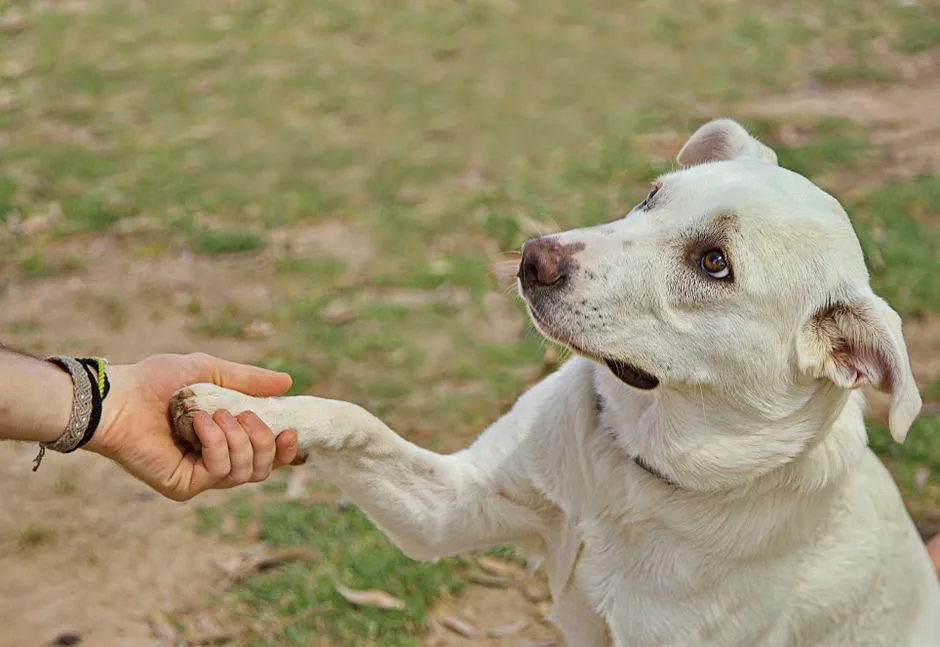
It is tempting to treat these findings like a universal prescription: ten minutes of any dog, any time, and your anxiety melts away. Real life is messier. Some people are allergic, fearful, or simply not comfortable around dogs, and for them, forcing an interaction would likely raise stress, not lower it. The same is true on the canine side: not every dog enjoys being petted by every person, and nervous or poorly socialized dogs may actually experience touch from strangers as overwhelming rather than soothing.
This is where consent and respect become part of the science. The studies showing beneficial effects usually involve well-trained, calm, and carefully selected dogs, along with structured guidelines for how people should approach and handle them. At home, it means paying attention to your dog’s signals: leaning in, relaxed posture, and seeking contact usually say yes; turning away, stiffening, or lip-licking often say no. The brain changes we are talking about emerge from real comfort and safety, not just the physical act of putting a hand on fur.
Living With a Dog as Long-Term Emotional Co-Regulation

Ten minutes is a useful laboratory window, but living with a dog is more like a long-running experiment in shared emotional regulation. Over months and years, your routines with a dog – walks, play, quiet evenings on the couch – can shape your baseline levels of activity and calm. Regular movement is built into your day, and social contact is guaranteed, even if it is nonverbal. For many people, this quietly nudges their entire lifestyle in a more protective direction against anxiety and low mood.
From the dog’s point of view, a stable, responsive human who provides affection, predictable routines, and gentle interaction is a powerful buffer against stress. Dogs that feel secure in their homes tend to display more exploratory behavior, better sleep, and more flexible responses to new situations, all of which are tied to healthier stress regulation. So while the image of petting a dog for ten minutes is a vivid snapshot, the bigger picture is an ongoing relationship in which both your nervous systems are training each other over and over in what safety and connection feel like.
Conclusion: Dogs Are Not Just Comfort Objects – They Are Emotional Partners
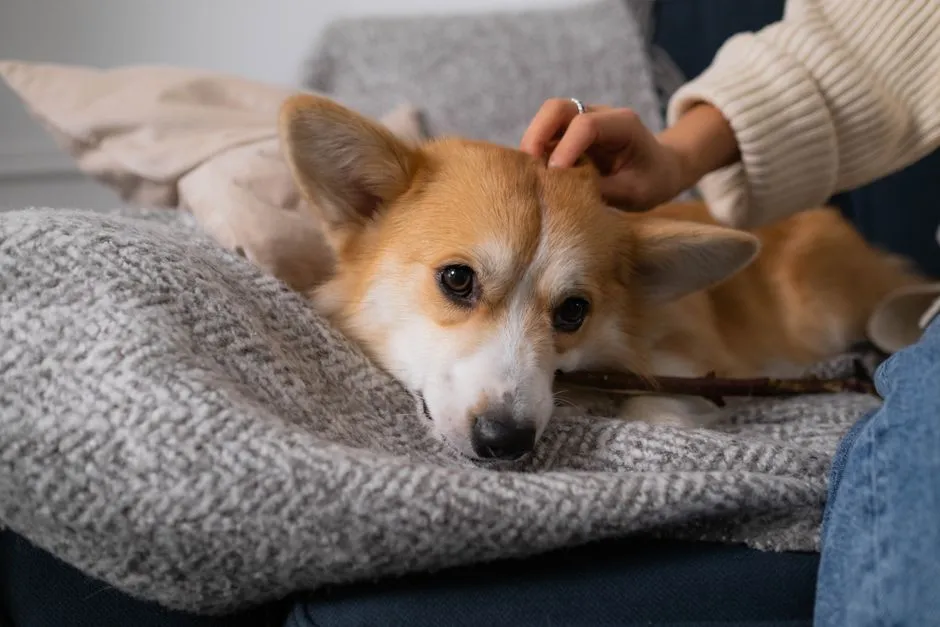
I think we do dogs a disservice when we talk about them only as emotional support devices for humans, as if they are furry machines built to absorb our anxiety without being changed themselves. The science tells a more interesting story: when you sit down and pet your dog, both of you are stepping into an invisible exchange of hormones, signals, and feelings that can leave you calmer, less stressed, and more connected. Your dog is not simply fixing you; you are, in a very real sense, medicating each other through touch and presence.
That is why I lean toward an opinionated take: if we are going to celebrate how good dogs are for our mental health, we should be equally serious about how we show up for theirs. The ten minutes that feels like a small miracle at the end of your terrible day is also a critical piece of their well-being, shaping how safe and loved they feel in their own body. Maybe the real headline is less about dogs as living anti-anxiety pills and more about the quiet power of two nervous systems learning to calm down together. Knowing that, how will you treat your next ten minutes of dog time – like a quick fix, or like a shared, living therapy session you both deserve?

- Psychology Says Petting a Dog for Ten Minutes Changes Your Brain Chemistry in Ways That Mirror Anti-Anxiety Medication – Except the Dog's Brain Changes Too and That Is the Part That Almost Never Gets Mentioned - July 27, 2026
- Animal Psychology Says When Birds Suddenly Go Silent in Your Yard They Are Not Resting – Every Species in That Space Has Received a Signal You Almost Certainly Missed - July 27, 2026
- 10 Things Hummingbirds Notice About Your Yard Before They Stay - July 27, 2026