Psychology Says When Your Dog Refuses to Enter a Specific Room They're Detecting a Threat Humans Evolved to Ignore-feature image/Pexels
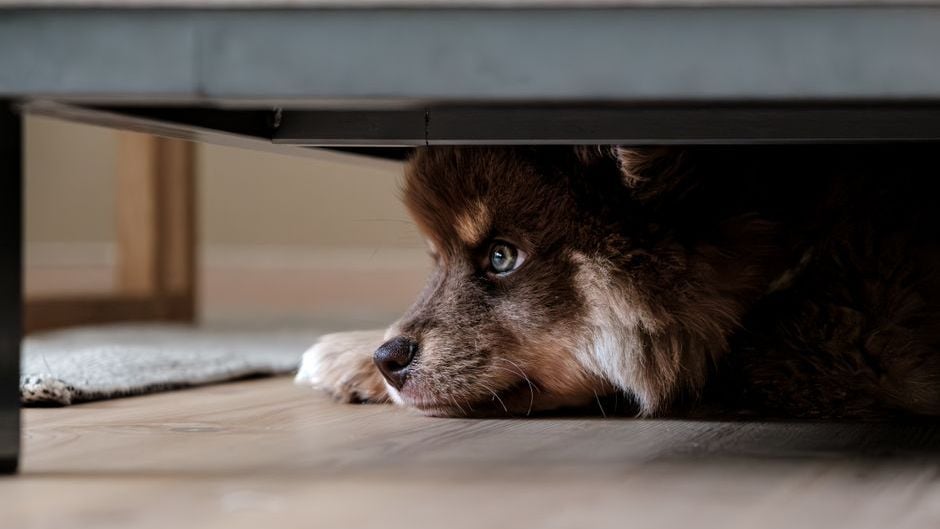
Ever noticed your dog hesitating at the threshold of a particular room, refusing to step inside no matter how much you coax? It’s not just stubbornness or a quirky preference. Psychologists suggest that when dogs avoid certain spaces, they might be sensing threats that our human faculties overlook. This behavior isn’t about canine caprice; it’s a window into their heightened sensory world and a reminder of the instincts we’ve dulled over time.
Dogs’ Superior Sensory Perception
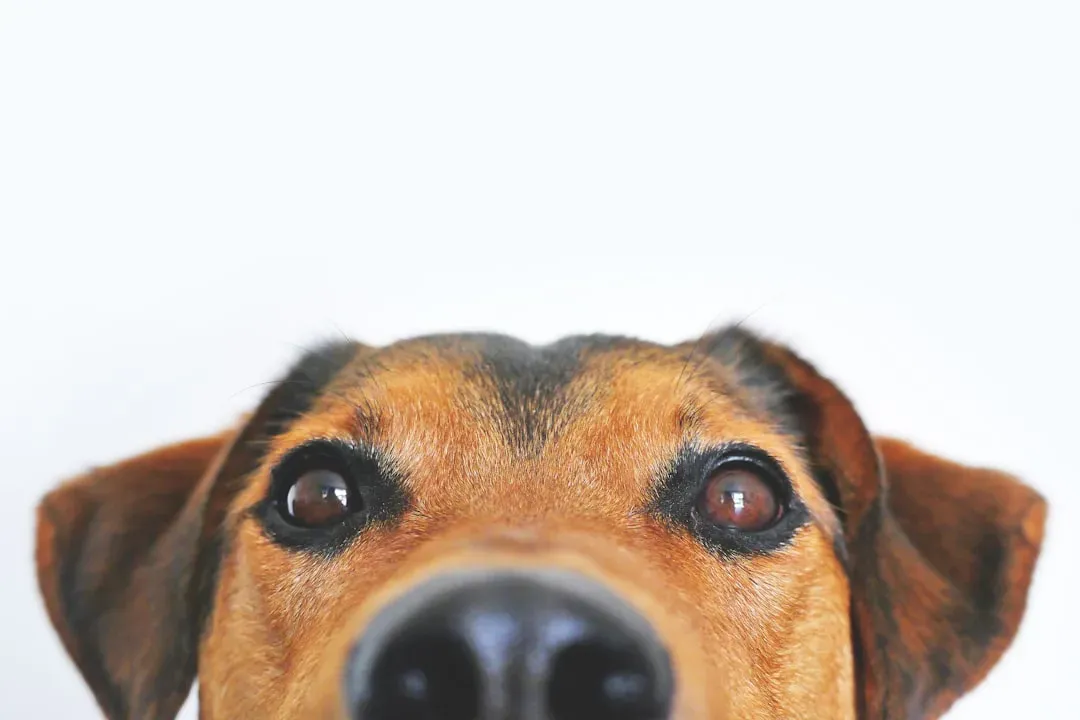
Dogs’ Superior Sensory Perception (Image Credits: Unsplash)
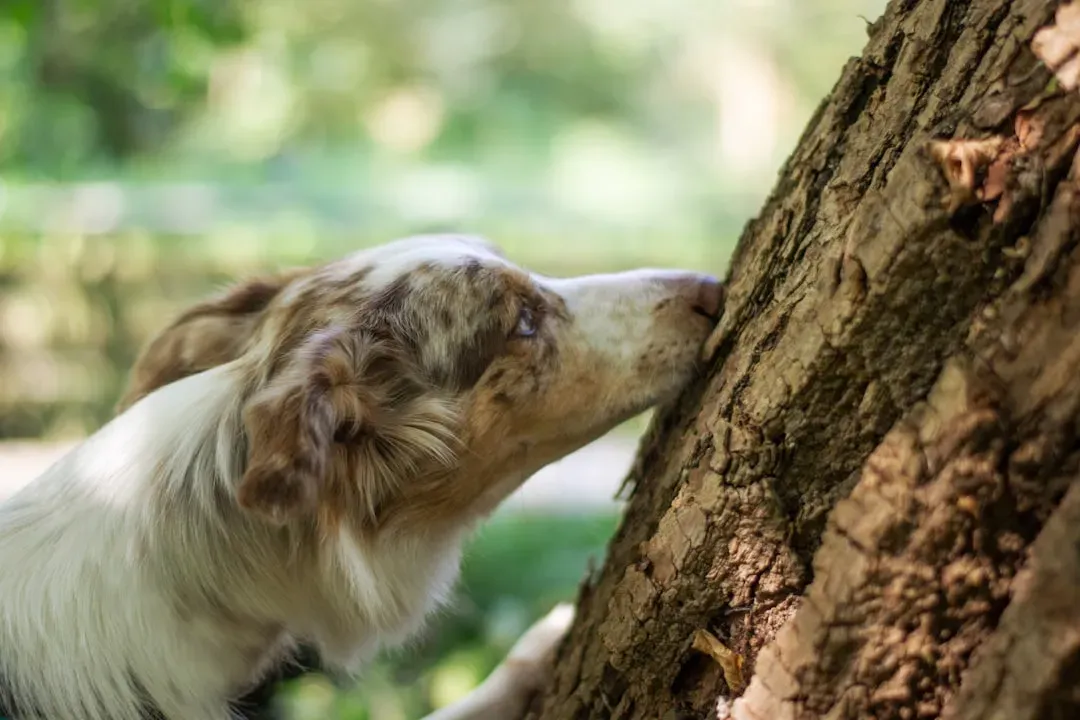
Dogs experience the world through a sensory lens far more acute than ours. Their olfactory capabilities are estimated to be tens of thousands of times more sensitive than humans’, allowing them to detect subtle chemical changes in the environment. Similarly, their hearing spans frequencies beyond our range, picking up sounds imperceptible to us. This heightened perception means that a room that seems ordinary to us might be a cacophony of scents and sounds to a dog, some of which could signal danger.
For instance, a faint gas leak or the high-pitched whine of malfunctioning electronics might go unnoticed by humans but could be alarming to a dog. Their refusal to enter a room could be a protective measure, an instinctual response to avoid potential harm.
Associative Learning and Negative Experiences
Associative Learning and Negative Experiences (Image Credits: Pexels)
Dogs are adept at forming associations between experiences and environments. A single negative incident in a particular room – like a loud noise from a dropped pan or a sudden slip on a slick floor – can imprint a lasting aversion. Even if the event seems trivial to us, it can create a strong negative association for the dog.
This learned avoidance is their way of steering clear of perceived threats. It’s not about being difficult; it’s about self-preservation. Understanding this can help us address their fears with empathy and patience.
Environmental Factors and Physical Discomfort
Environmental Factors and Physical Discomfort (Image Credits: Pexels)
Sometimes, the issue isn’t psychological but physical. Factors like cold drafts, slippery floors, or even the presence of certain cleaning chemicals can make a room uncomfortable or even painful for a dog. Their avoidance might be a response to these environmental discomforts rather than an unseen threat.
Addressing these factors – like adding rugs to slippery areas or ensuring the room is comfortably heated – can make the space more inviting for your canine companion.
Human Misinterpretation of Canine Behavior
Human Misinterpretation of Canine Behavior (Image Credits: Unsplash)
Humans often misread or overlook the subtle cues dogs give us. Behaviors like yawning, lip licking, or turning away are often signs of stress or discomfort in dogs. When we fail to recognize these signals, we might inadvertently expose them to situations they find threatening.
By educating ourselves on canine body language, we can better understand and respect their boundaries, leading to a more harmonious coexistence.
Instinctual Responses to Unseen Threats
Instinctual Responses to Unseen Threats (Image Credits: Unsplash)
Dogs’ evolutionary history has equipped them with instincts to detect and avoid dangers, even those that are invisible or imperceptible to humans. Their acute senses can pick up on subtle environmental changes, like the presence of mold or pests, prompting them to avoid certain areas.
This instinctual behavior is a survival mechanism, honed over thousands of years, ensuring they steer clear of potential hazards.
Rebuilding Trust and Positive Associations
Rebuilding Trust and Positive Associations (Image Credits: Pexels)
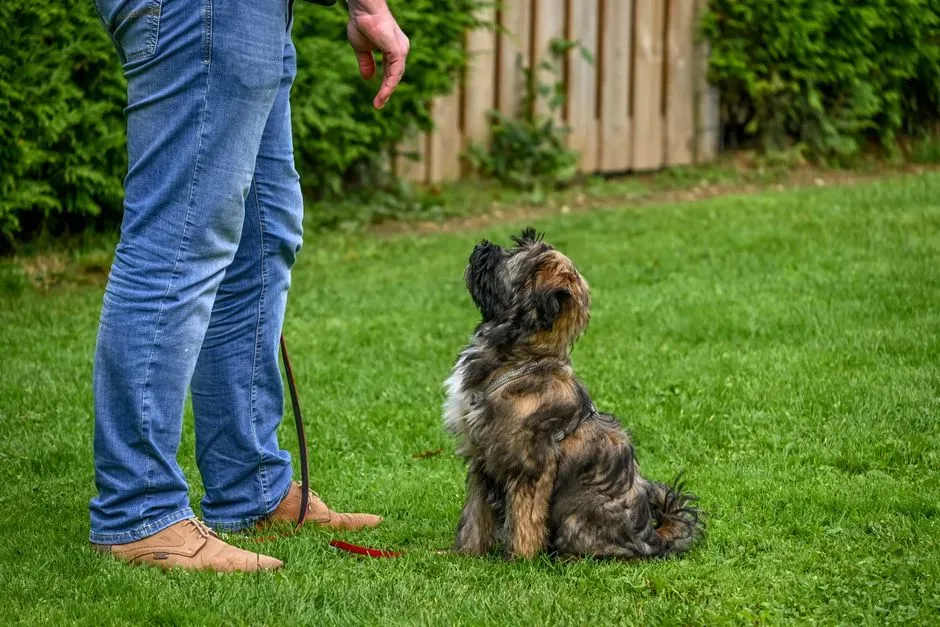
If your dog is avoiding a specific room, it’s essential to rebuild positive associations with that space. Start by spending time near the room with your dog, offering treats and engaging in play. Gradually move closer to the entrance, always ensuring the experience remains positive and stress-free.
Patience is key. Forcing a dog into a space they fear can exacerbate the issue. Instead, allow them to approach at their own pace, reinforcing their confidence with each step.
When to Seek Professional Help
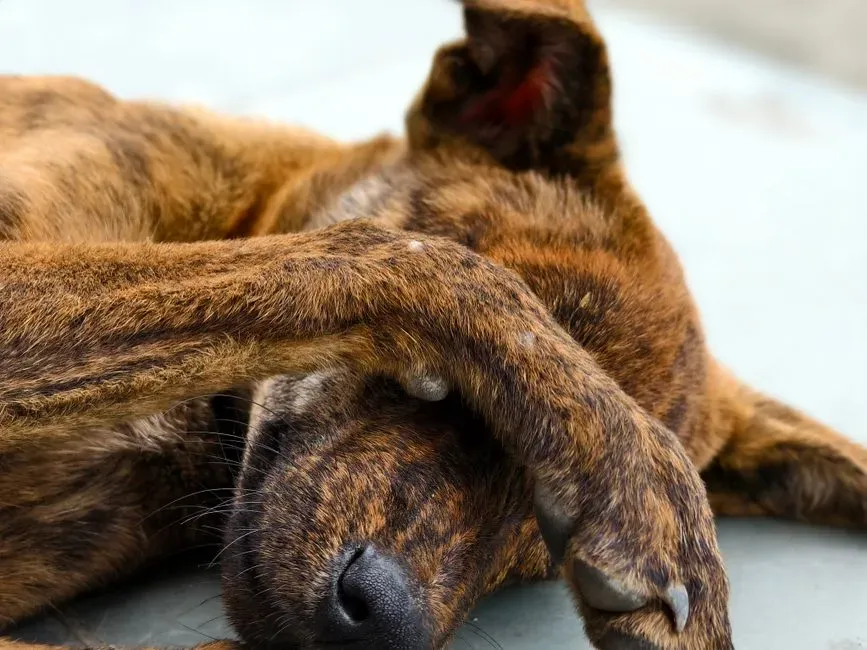
When to Seek Professional Help (Image Credits: Pexels)
If your dog’s avoidance behavior persists despite your efforts, it might be time to consult a professional. Veterinarians can rule out medical issues, while animal behaviorists can provide tailored strategies to address and alleviate your dog’s fears.
Remember, understanding and addressing your dog’s behavior is a journey. With empathy, patience, and the right guidance, you can help your furry friend feel safe and comfortable in every corner of your home.
In conclusion, when your dog refuses to enter a specific room, it’s not mere stubbornness. It’s a signal, a communication rooted in their acute senses and instincts. By paying attention and responding thoughtfully, we not only ensure their well-being but also deepen the bond we share. After all, isn’t understanding and trust the foundation of any great relationship?
Did you find this helpful? Share it with a friend who’d love it too!
Gargi is an MA in History and a B.Ed graduate from India, with a deep passion for animals and wildlife awareness. As an article writer and editor at Animals Around The Globe, she combines her love for storytelling with her dedication to educating readers about animals, conservation, and responsible pet care. A devoted dog lover, Gargi enjoys creating engaging and informative content that inspires compassion and awareness toward the natural world.