

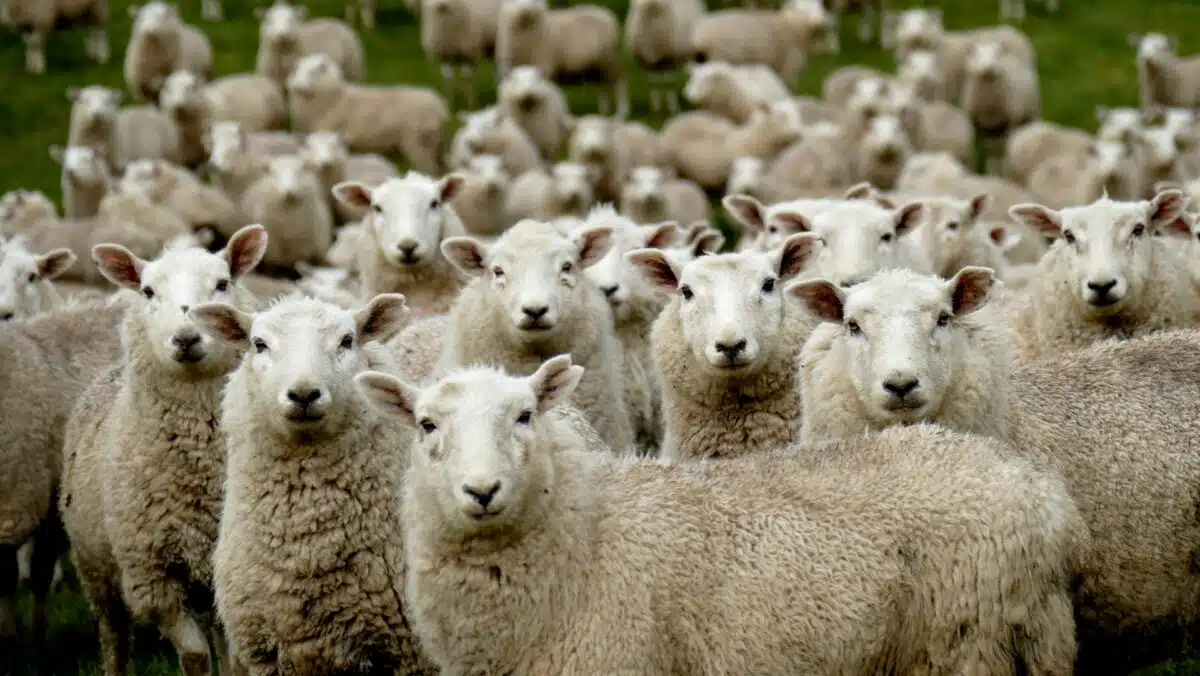
When a major disease outbreak strikes, public concern for animal welfare rises sharply. Many people worry about how farm animals are treated during such crises. Beyond the immediate health risks, outbreaks expose gaps in disaster preparedness, leading to calls for improved policies.
The Link Between Pandemics and Animal Welfare

During past outbreaks, such as avian influenza and COVID-19, millions of animals were culled to prevent disease spread. While these measures protect public health, they often raise ethical questions. Public attitudes suggest growing discomfort with large-scale culling, highlighting the need for alternative strategies.
Public Support for Stronger Regulations
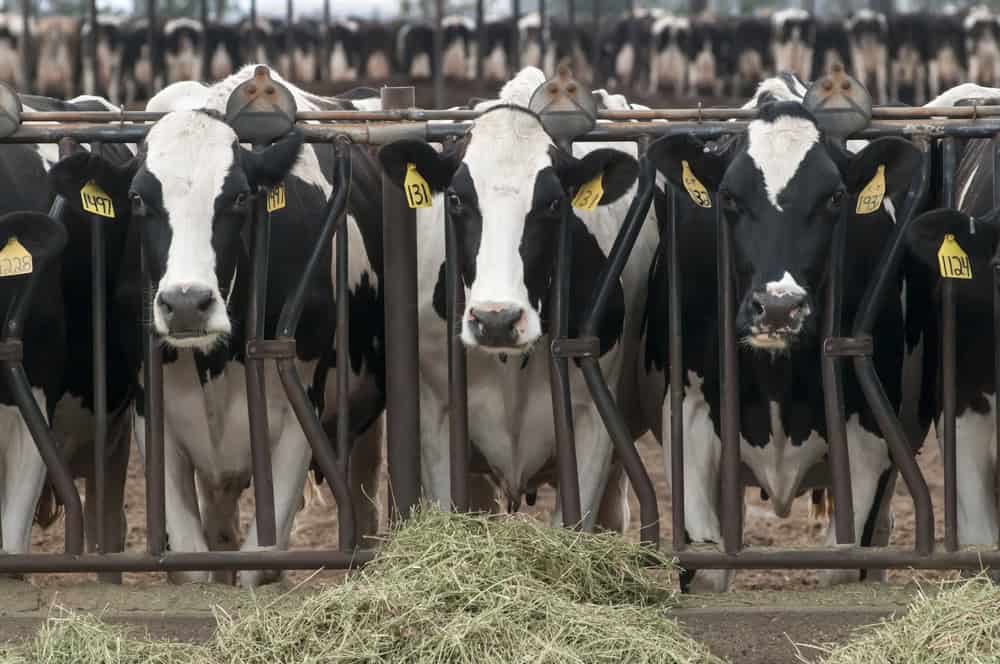
Surveys show that most Americans support stricter animal welfare regulations during outbreaks. People want better conditions for farm animals, particularly in the poultry and dairy industries. Many also believe that improving animal welfare could help prevent future pandemics.
Factory Farming and Disease Risks
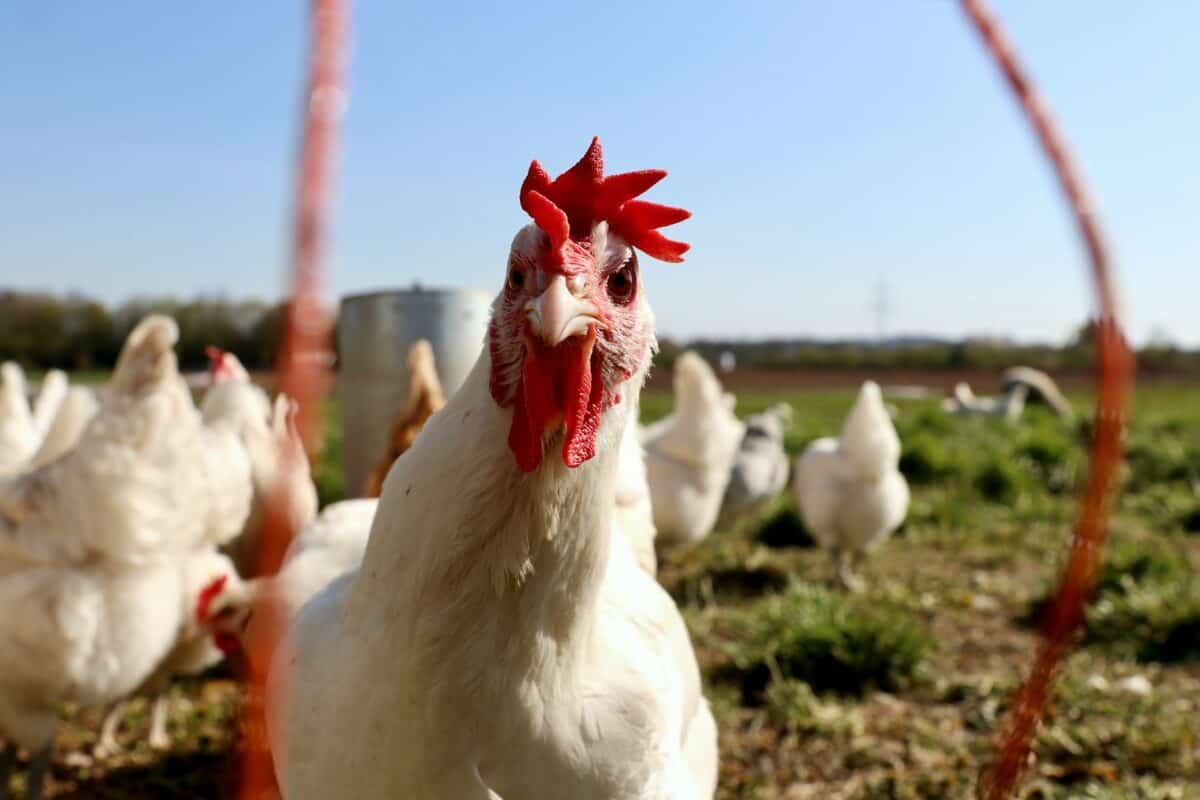
High-density farming environments create ideal conditions for disease transmission. The close confinement of animals increases the likelihood of outbreaks, making prevention difficult. Experts argue that reducing crowding and improving sanitation could lower the risk of zoonotic diseases.
The Need for Better Pandemic Preparedness
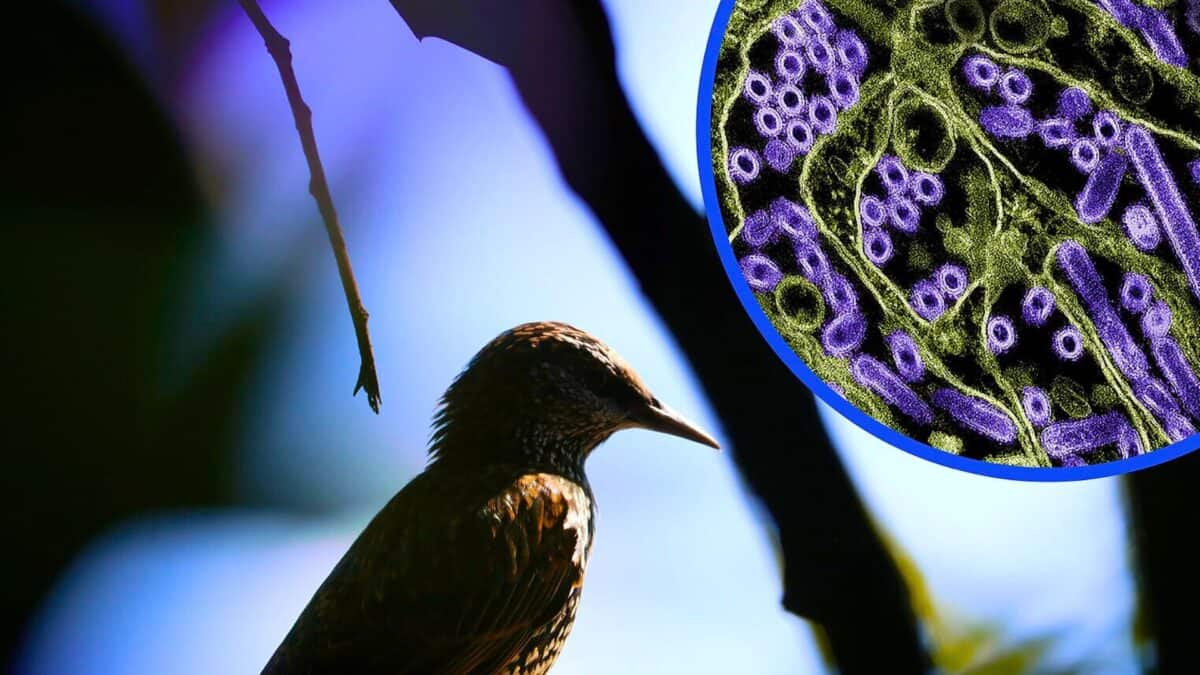
The COVID-19 pandemic revealed weaknesses in disease response systems. Similarly, recent outbreaks of bird flu have shown that the agricultural sector needs stronger biosecurity measures. Investing in early detection and humane disease control strategies could reduce future threats.
Moving Toward a More Sustainable Future
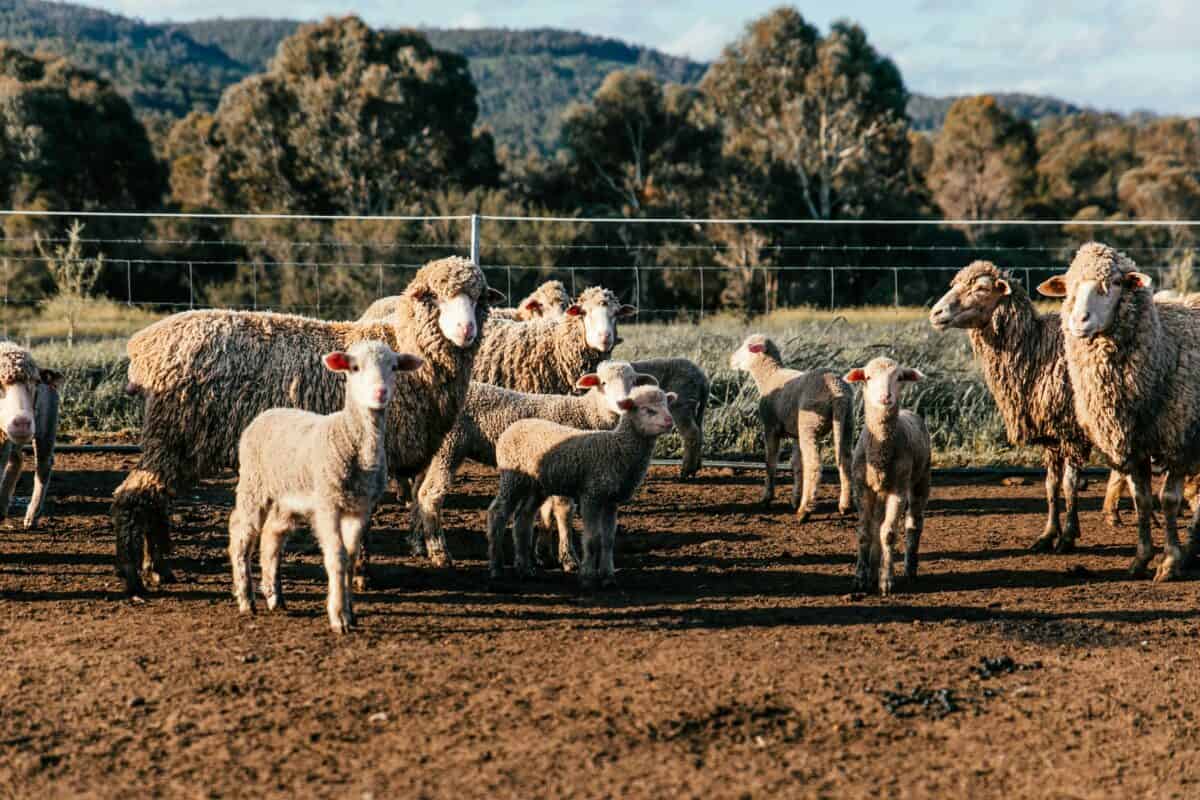
Public attitudes toward animal welfare are shifting, especially in the wake of recent health crises. People are demanding changes in how livestock is raised and how outbreaks are managed. By balancing public health, animal welfare, and sustainability, the U.S. can build a more resilient agricultural system.
adventuring, photography and videography. I am currently working towards a BSc in Biodiversity and Ecology at Stellenbosch University to go on to specialise in Marine Sciences one day.
Please send any feedback to Feedback@animalsaroundtheglobe.com
- Italy Mourns Hero Police Dog Killed by Food Laced with Nails - July 20, 2026
- Pigeon Turns into Fashionista and Wears Bread - July 19, 2026
- Cat Gives An Unsuspecting Deer A Fright - July 19, 2026