


The ocean harbors many secrets and wonders, among which the great white shark stands out. Recently, a rare video captured a young great white shark pup swimming alone. This fascinating moment offers a unique peek into the life of one of the ocean’s most mysterious inhabitants.
The Discovery
🔥 Would you like to save this?
We'll email this post to you, so you can come back to it later!
A video shared online shows a great white shark pup in its natural habitat. This sighting is rare and special. Great white sharks are often elusive, making such encounters precious to researchers and ocean lovers alike.
Characteristics of the Pup

🔥 Would you like to save this?
We'll email this post to you, so you can come back to it later!
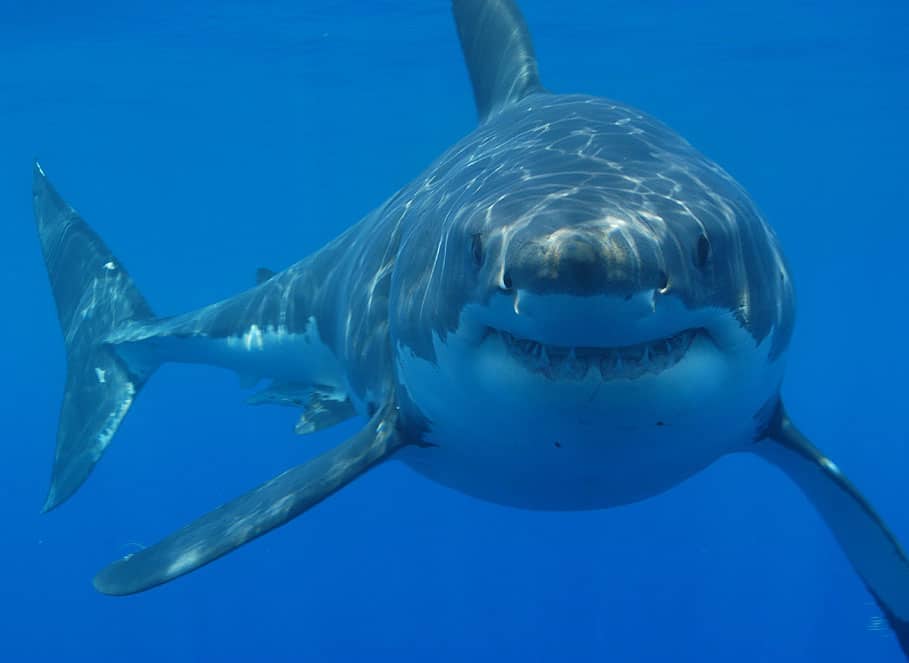
Great white shark pups are born fully developed. They can swim and hunt right away. Despite their independence, these pups face many challenges. The video highlights the pup’s size, agility, and exploratory behavior, offering insights into its early life stages.
Habitat and Survival
🔥 Would you like to save this?
We'll email this post to you, so you can come back to it later!
Great white shark pups prefer coastal waters. These areas offer plenty of food and opportunities to learn and grow. However, they must quickly adapt to avoid predators and navigate their environment successfully.
Importance of Early Life
🔥 Would you like to save this?
We'll email this post to you, so you can come back to it later!
The early life of a great white shark is crucial. It shapes their development and survival skills. Observing a pup in the wild helps researchers understand more about these magnificent creatures’ growth patterns and behaviors. Not much data is recorded regarding the birth and rearing of great white shark pups, making this video extraordinarily special!
Conservation Efforts

🔥 Would you like to save this?
We'll email this post to you, so you can come back to it later!
Great white sharks are vital to marine ecosystems. Yet, they face threats from human activities and climate change. Videos like this underline the importance of protecting these animals and their habitats.
Let’s explore the Physical Features of the Great White Shark…
Q: What is the average size of a great white shark?

🔥 Would you like to save this?
We'll email this post to you, so you can come back to it later!
A: Great white sharks measure between 11 to 16 feet in length, with some individuals reaching over 20 feet! Additionally, they can weigh up to 5,000 pounds.
Q: How would you describe the body shape of a great white shark?

🔥 Would you like to save this?
We'll email this post to you, so you can come back to it later!
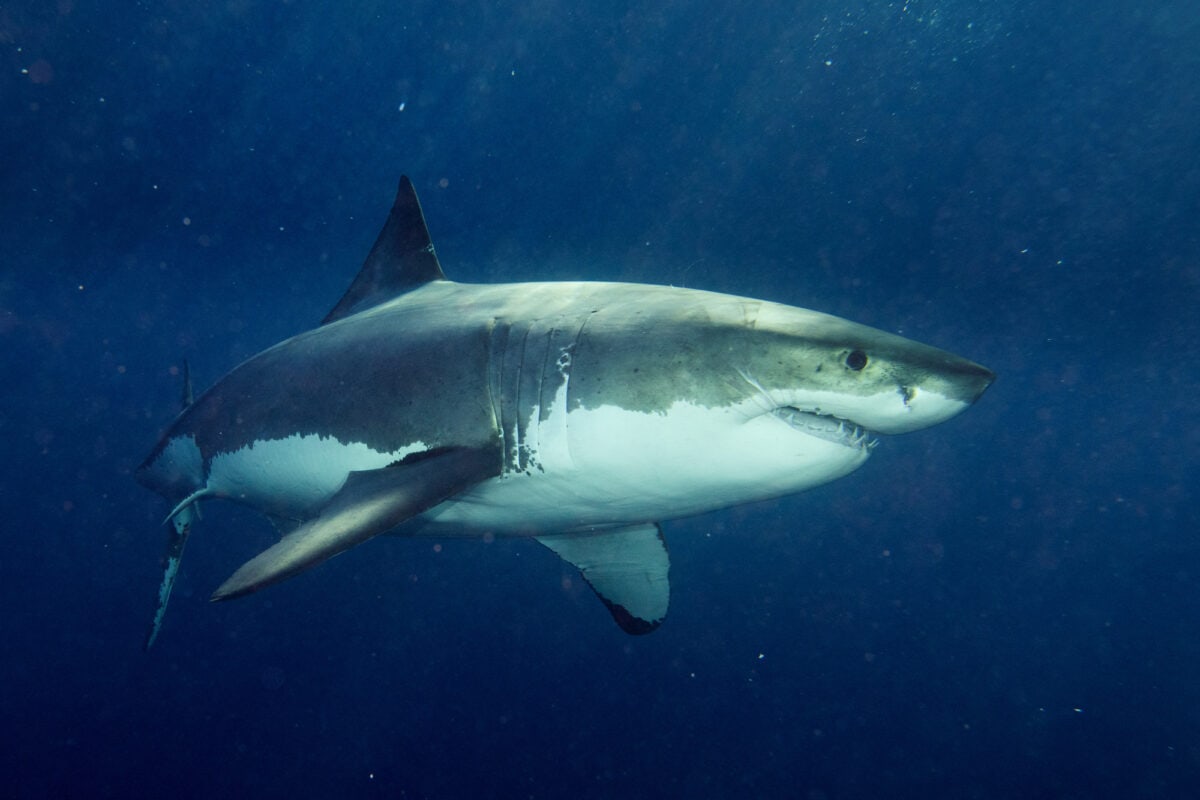
A: Great white sharks have a streamlined, torpedo-shaped body that reduces water resistance and lets them swim efficiently at high speeds.

🔥 Would you like to save this?
We'll email this post to you, so you can come back to it later!
Q: How powerful is a great white shark’s bite?

🔥 Would you like to save this?
We'll email this post to you, so you can come back to it later!
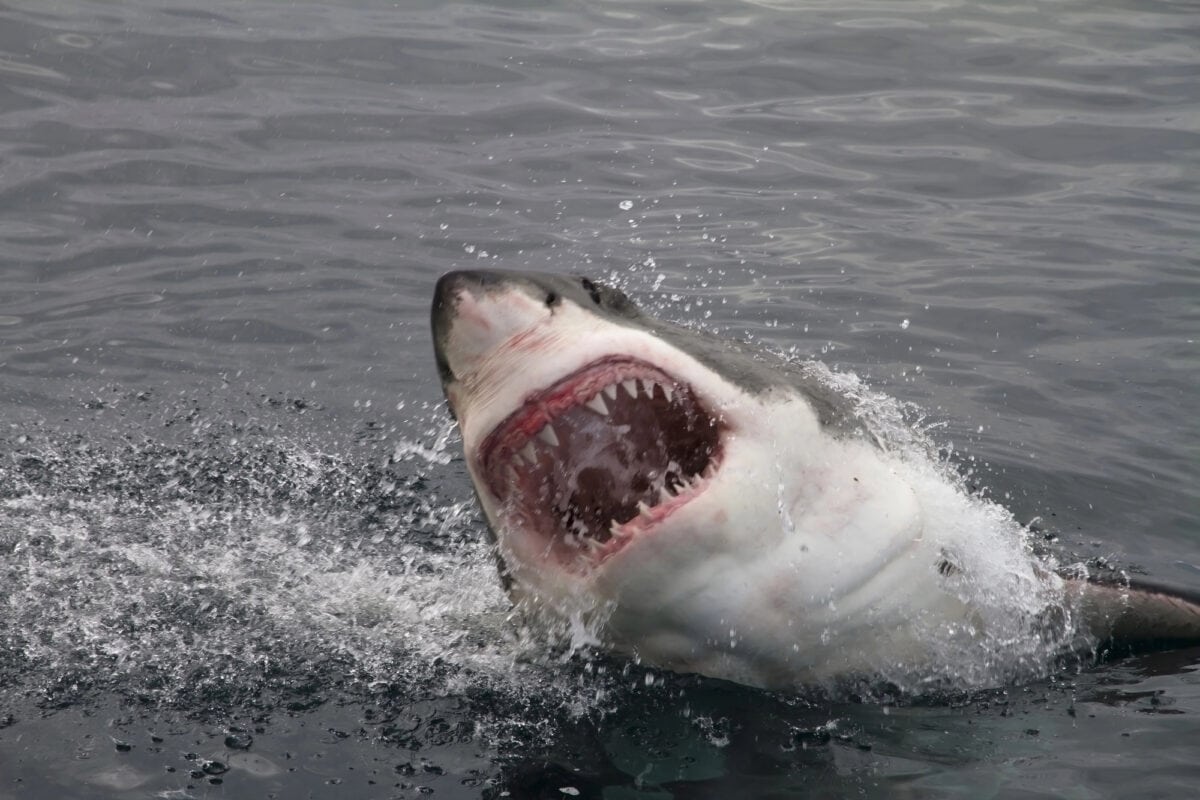
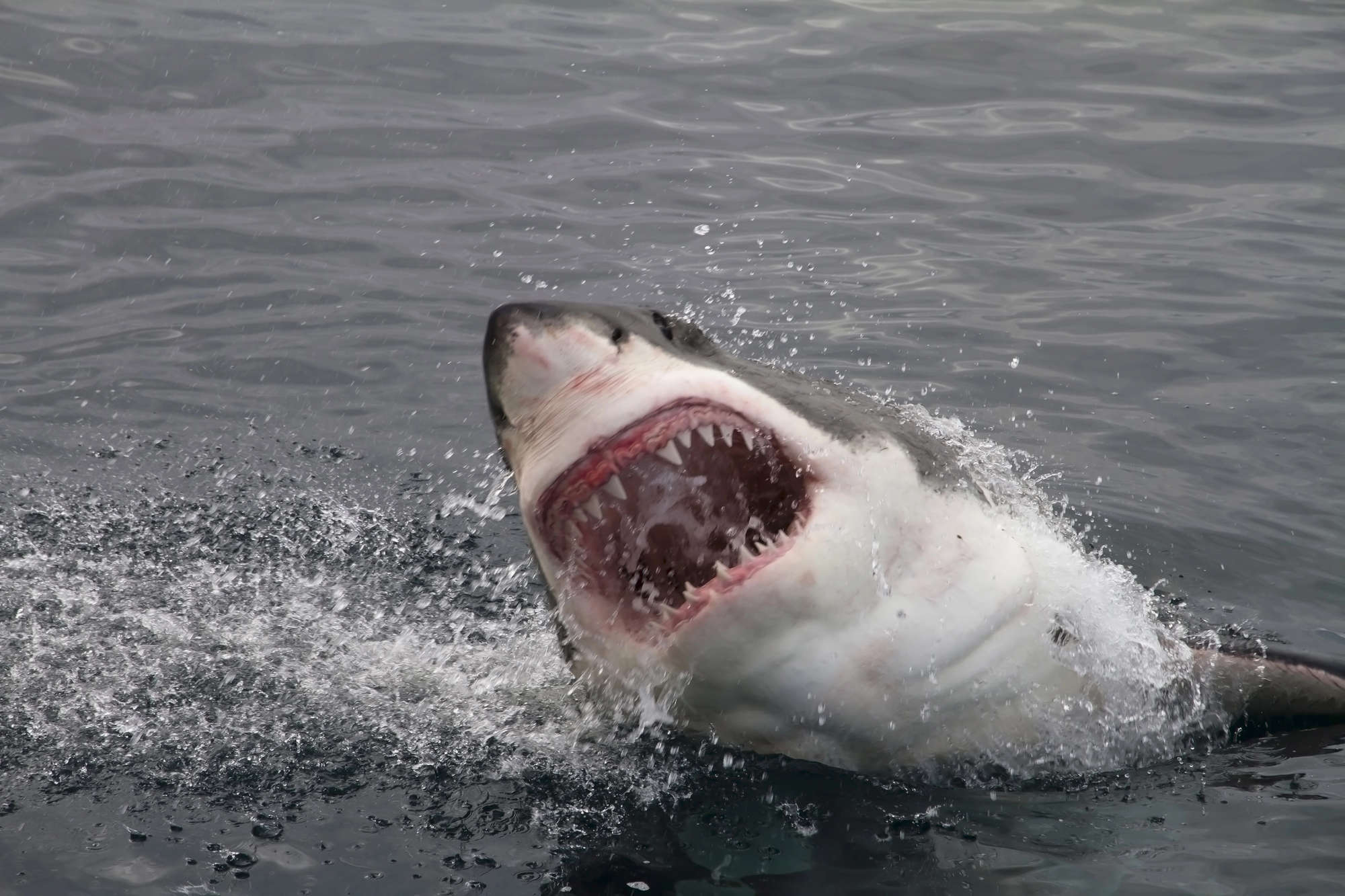
A: Great white sharks have a powerful bite. They have a bite force of up to 4,000 pounds per square inch.
Q: Describe a great white shark’s teeth.

🔥 Would you like to save this?
We'll email this post to you, so you can come back to it later!
A: Great white sharks have up to 300 sharp, serrated teeth arranged in several rows.
Q: What is unique about a great white shark’s eyes and vision?
🔥 Would you like to save this?
We'll email this post to you, so you can come back to it later!
A: Great white sharks have large, black eyes that provide great vision. They can see well in low-light conditions. Additionally, they have a reflective layer behind the retina called the tapetum lucidum.
Q: How does a great white shark’s sense of smell work?

🔥 Would you like to save this?
We'll email this post to you, so you can come back to it later!
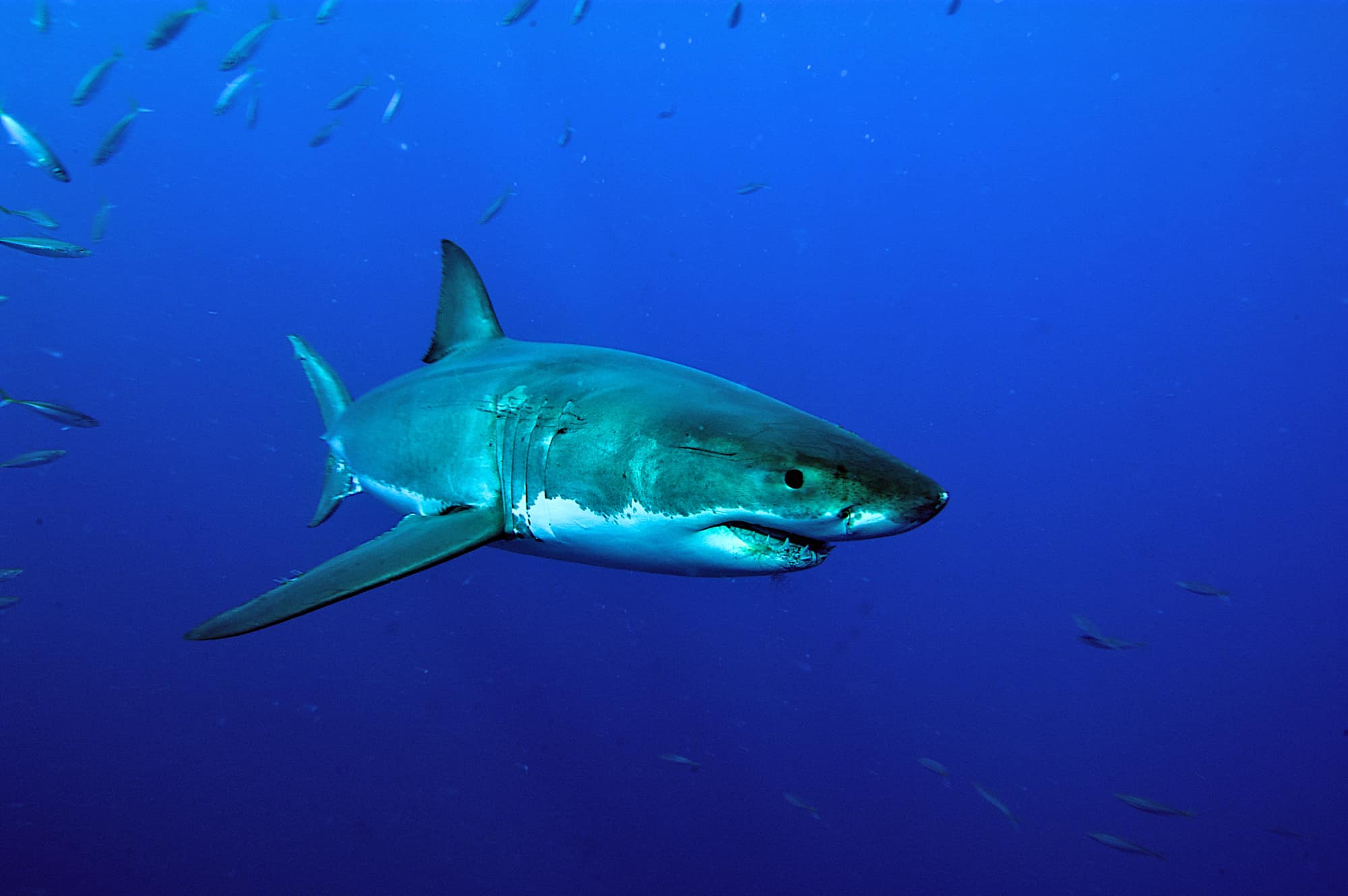
A: Great white sharks have an acute sense of smell. They can detect blood in the water from miles away.
Q: What is the function of the ampullae of Lorenzini in great white sharks?
🔥 Would you like to save this?
We'll email this post to you, so you can come back to it later!
A: The ampullae of Lorenzini are specialized sensory organs located around the shark’s snout that detect electrical fields produced by the movements of other animals.
Q: How do great white sharks breathe?
🔥 Would you like to save this?
We'll email this post to you, so you can come back to it later!
A: Great white sharks breathe by forcing water over their gills, which extract oxygen. They must keep swimming to beable to breathe.
Q: Describe a great white shark’s fins.

🔥 Would you like to save this?
We'll email this post to you, so you can come back to it later!
A: Great white sharks have a prominent dorsal fin, paired pectoral fins, pelvic fins, an anal fin, and a crescent-shaped caudal fin (tail fin) that gives them the force to thrust and have stability in the water.
Q: How does a great white shark’s skin contribute to its swimming efficiency?
🔥 Would you like to save this?
We'll email this post to you, so you can come back to it later!
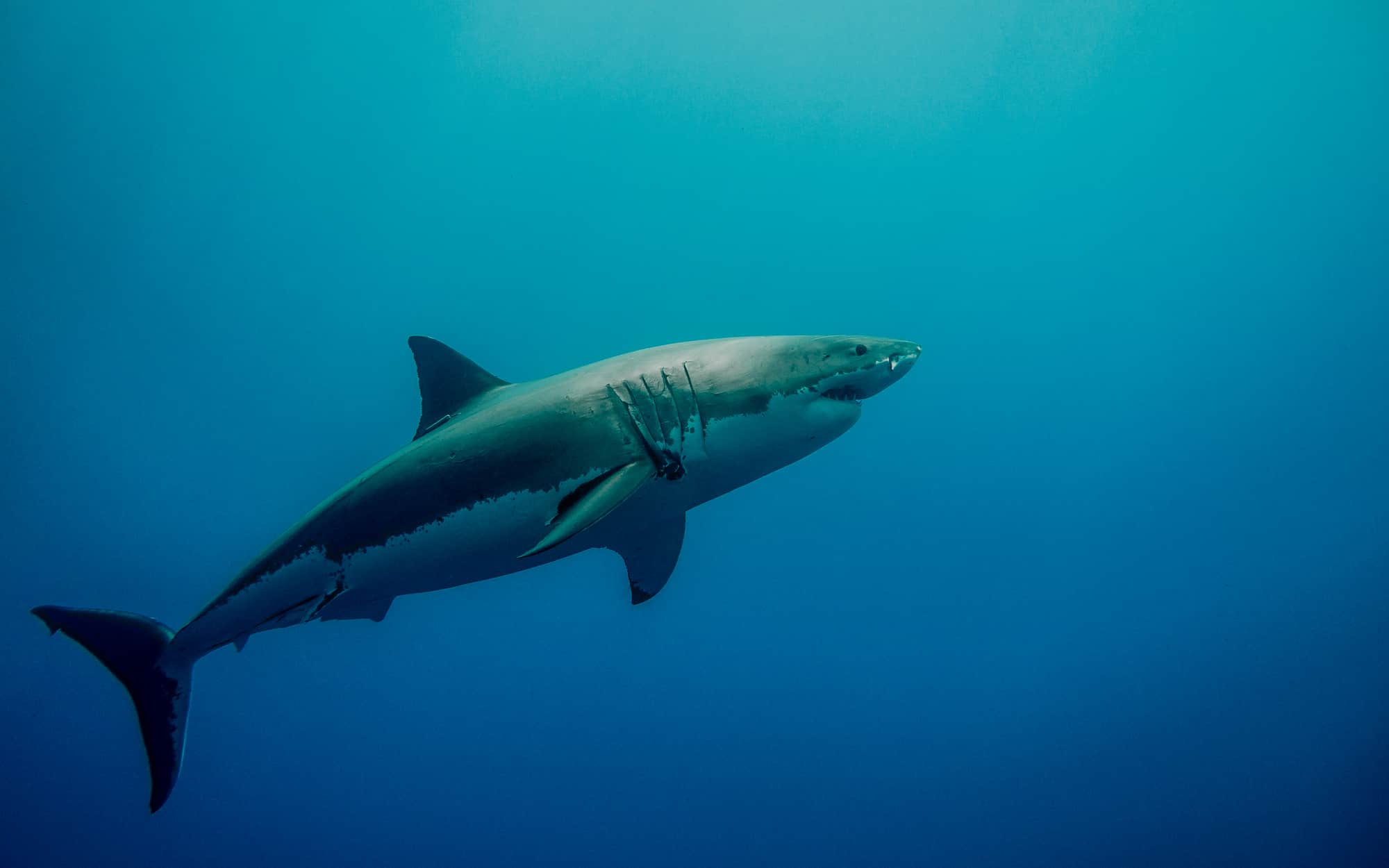
A: The skin of a great white shark is covered in tiny, tooth-like structures called dermal denticles that reduce drag and turbulence.
Q: What role does a great white shark’s tail play in its movement?
🔥 Would you like to save this?
We'll email this post to you, so you can come back to it later!
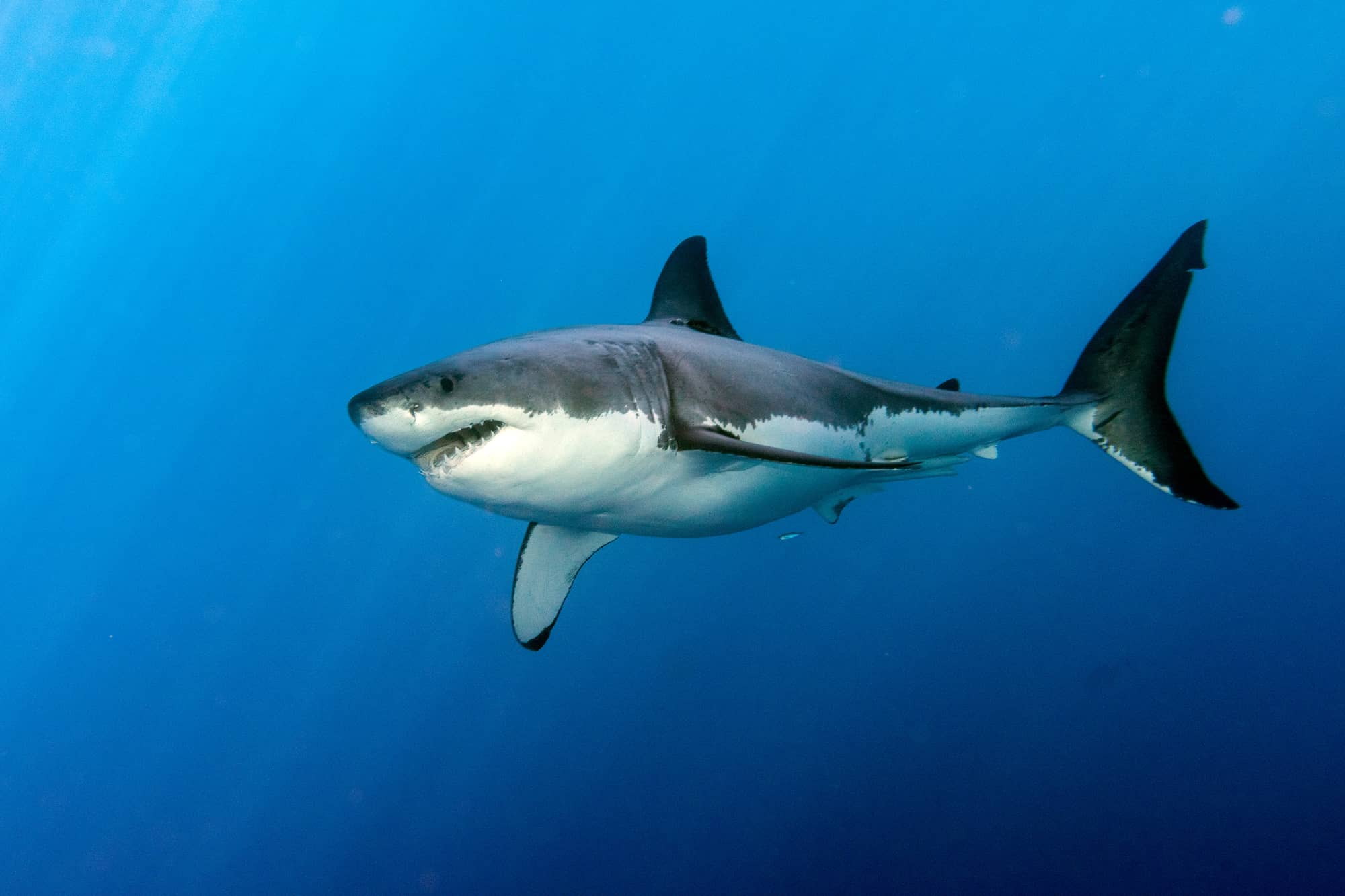
A: The powerful, crescent-shaped tail fin of a great white shark provides propulsion.
Q: How does a great white shark’s liver function?

🔥 Would you like to save this?
We'll email this post to you, so you can come back to it later!
A: The liver of a great white shark is large and filled with oil, which provides buoyancy and energy storage.
Q: What adaptations help great white sharks regulate their body temperature?
A: Great white sharks have a specialized blood vessel structure called a countercurrent heat exchanger that helps maintain a body temperature higher than the surrounding water.
Q: How do great white sharks communicate and interact with each other?

🔥 Would you like to save this?
We'll email this post to you, so you can come back to it later!
A: Great white sharks use body language, such as arching their bodies or opening their mouths, to communicate and establish dominance. Addiotnally, they may also use chemical signals and body postures during social interactions.
Conclusion

🔥 Would you like to save this?
We'll email this post to you, so you can come back to it later!
This special video provides crucial information regarding great whites and the pup rearing season. I hope you enjoyed reading about this rare great white shark pup encounter. To read more about great white sharks, check out the articles below:
- Watch: Man Jumps Into Water with Great White Shark
- Watch The Biggest Great White Shark Ever Recorded of Hawaii Coast
- Discover: Surfer Touches Great White Shark And Doesn’t Realize It

adventuring, photography and videography. I am currently working towards a BSc in Biodiversity and Ecology at Stellenbosch University to go on to specialise in Marine Sciences one day.
Please send any feedback to Feedback@animalsaroundtheglobe.com
- 26 Most Dangerous Snakes Found in North America - October 19, 2026
- 21 Things Not to Feed Your Pet Dog - October 18, 2026
- 10 Sacred Native American Sites in North America - October 16, 2026