

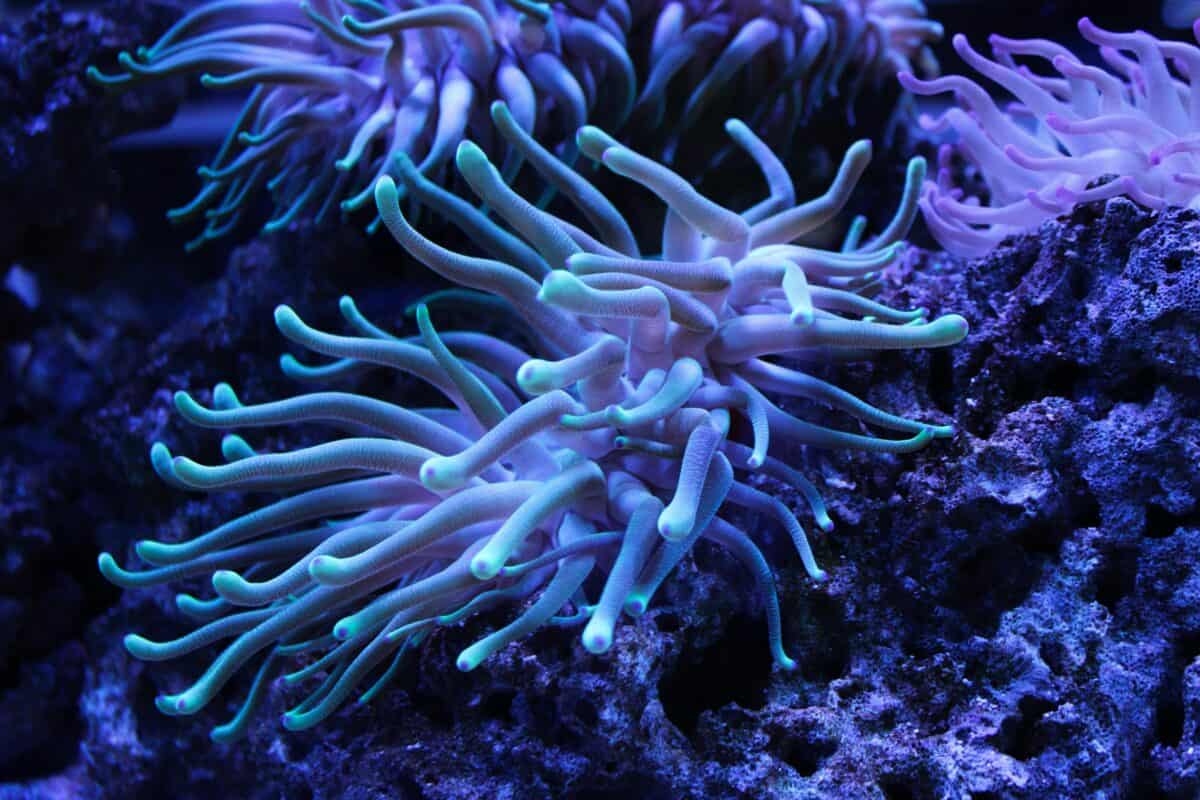
Beachgoers in Corpus Christi, Texas, got more than just sun and sand last week—they got an unexpected marine biology lesson. Dozens of rare sea anemones, usually found far offshore, were spotted washed up along the beach, puzzling locals and sparking interest among marine scientists.
From a distance, the small, blob-like creatures looked more like bird droppings than sea life. But a closer look revealed their vibrant, tentacled bodies clinging to pieces of seaweed or sitting alone in the sand. Some families with kids assumed they were jellyfish and kept their distance. Others pulled out their phones, posting photos online with captions like “Alien blobs hit Texas!”
Why Are They Showing Up Now?
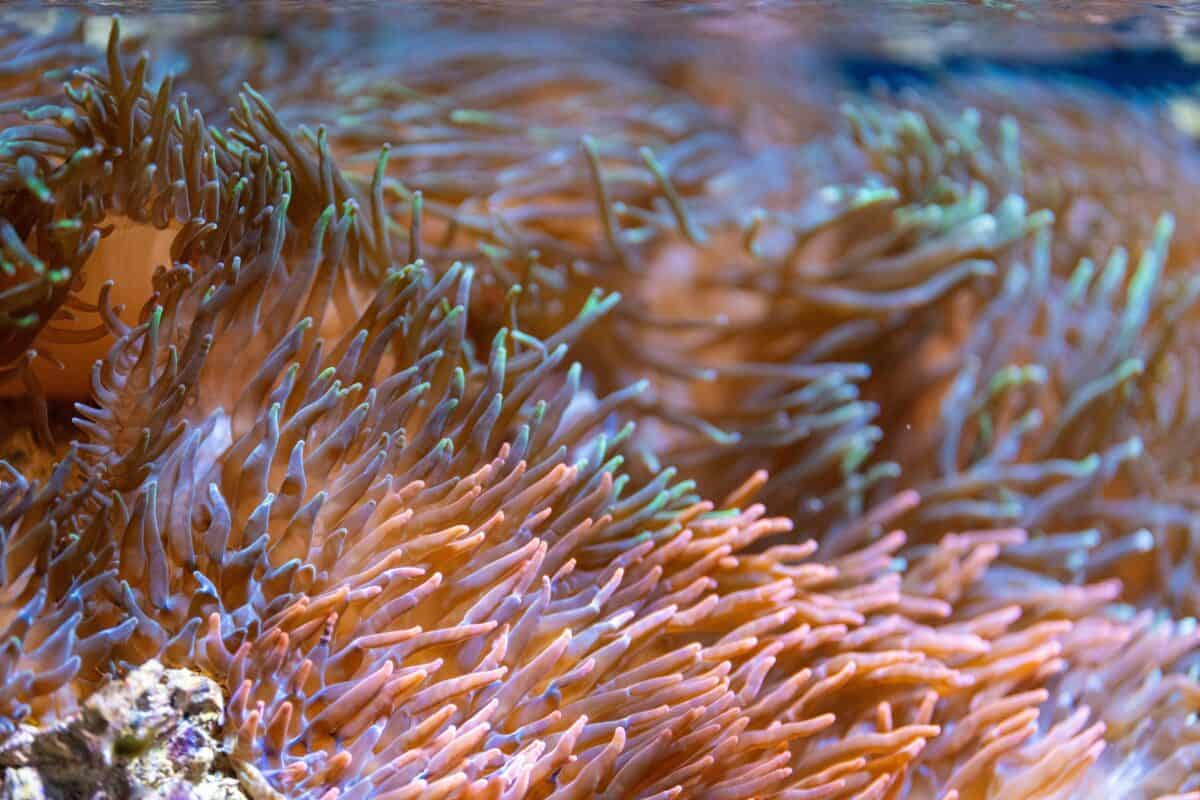
According to Jace Tunnell of the Harte Research Institute for Gulf of Mexico Studies, this isn’t completely unheard of—it’s just rare enough to cause a stir. The sea anemones likely traveled hundreds of kilometers (miles) attached to sargassum, a brown seaweed that floats into the Gulf of Mexico from the Atlantic.
Every spring and early summer, changes in water temperature and ocean currents—specifically something called the loop current—help push rafts of sargassum toward the Texas coastline. Hitchhiking along for the ride are all kinds of marine creatures: shrimp, crabs, tiny fish, and occasionally, these strange and squishy sea anemones.
Not Dangerous—But Don’t Poke Them
Although sea anemones have stinging cells, they’re not considered harmful to humans. Still, local wildlife officials are urging people to admire them without touching. While a mild skin irritation is the worst-case scenario for people, the bigger concern is protecting the anemones themselves.
“These animals are delicate,” said a Texas Parks and Wildlife spokesperson. “Even just picking them up can cause damage. Best to take a photo and leave them be.”
If you see one that’s still alive and moist, you can gently nudge it back into the surf with a stick—but only if you’re careful. Most will likely perish once stranded, but scientists say their arrival is still an opportunity to learn more about their migration and the health of Gulf ecosystems.
Fun Facts: Sea Anemones Are Stranger Than You Think
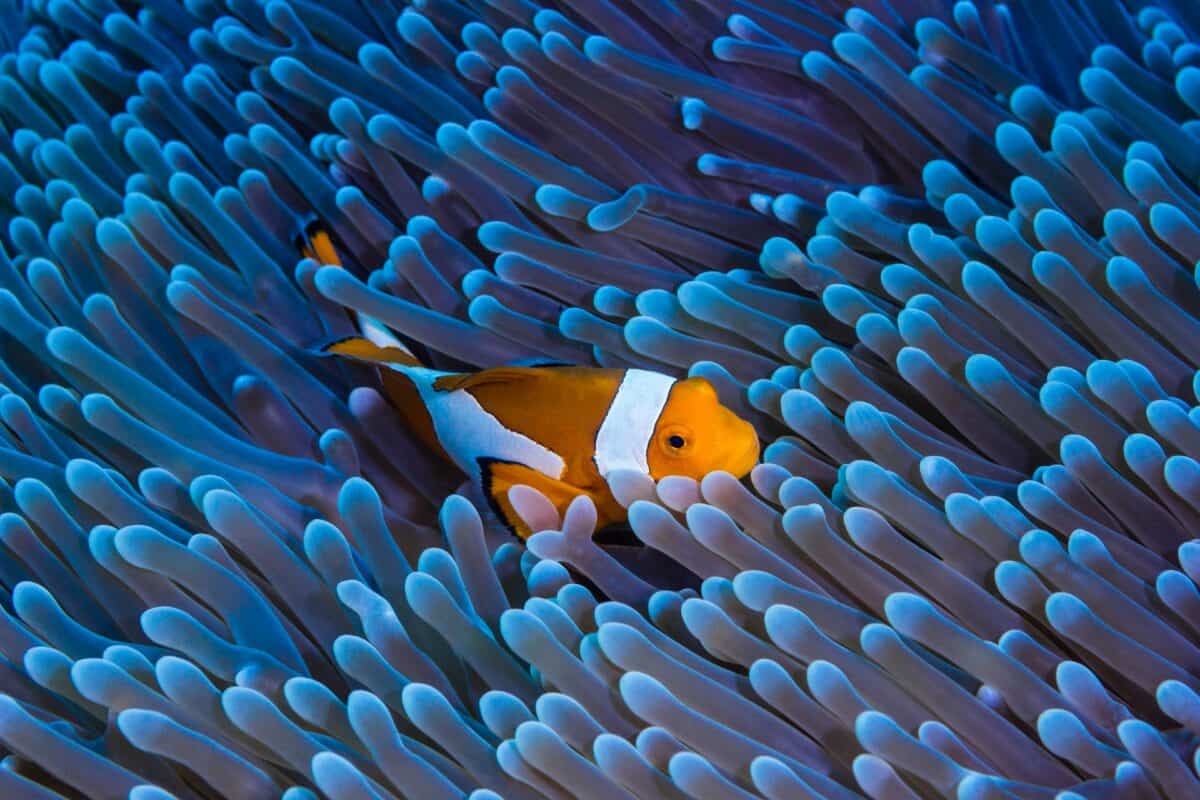
Think sea anemones are just sea blobs? Think again. These creatures are actually related to jellyfish and corals, and they have some wild biology. For starters, they eat and expel waste from the same opening. Yep—mouth and exit, all in one.
They use tiny stinging tentacles to catch prey like small fish and plankton, and some species can even move slowly across the ocean floor using a kind of muscular foot. Others, like the ones found in Texas, spend most of their lives attached to floating seaweed.
Nature’s Reminder
While this event isn’t dangerous, it’s a reminder that the ocean is full of surprises. What’s routine for marine biologists can be headline-worthy for the rest of us—and that’s not a bad thing. Events like these get people curious, especially kids, and spark conversations about the incredible wildlife just offshore.
So next time you’re walking the beach and spot something odd and blobby—don’t assume it’s trash. It might just be a visitor from the deep.

- Texas Ranchers Injured and Horses Killed in Aggressive Bee Attack - July 19, 2026
- Cougar Attack on Cyclists Shakes Washington Wilderness - July 19, 2026
- Snake Found in Arizona Toilet Shocks Homeowner - July 19, 2026