
The Nature of Signature Whistles

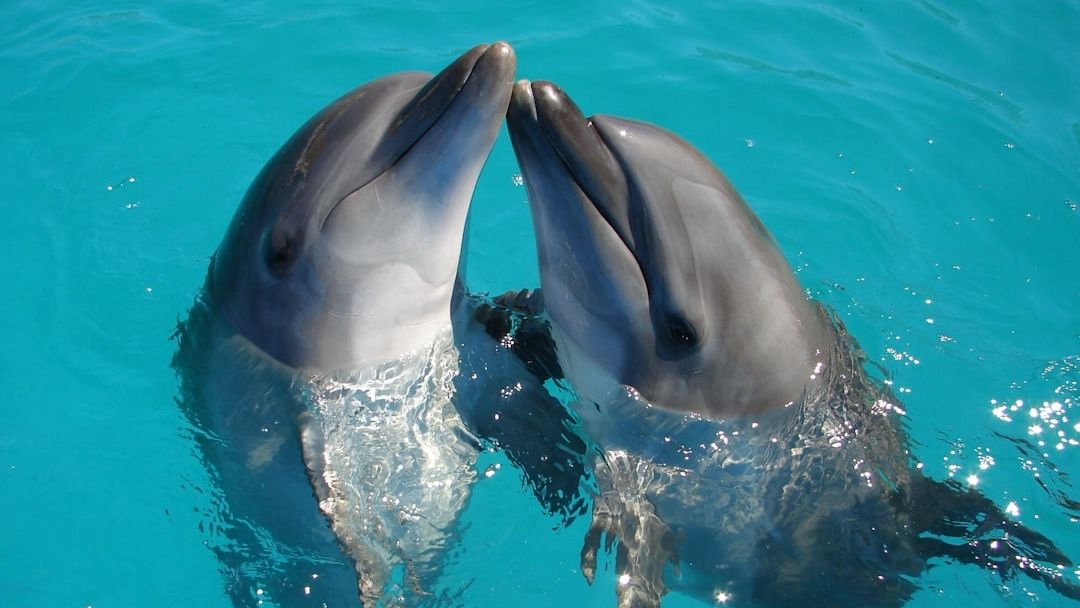
Bottlenose dolphins produce distinctive frequency patterns known as signature whistles. Each one develops early in life and stays remarkably consistent over years. These sounds serve as reliable markers that set one animal apart from others in the pod.
Unlike random noises, the whistles carry enough detail for recognition even when stripped of other vocal traits. Dolphins emit them during separations or when groups merge. The pattern acts almost like a fixed label that travels through water without needing visual confirmation.
How Dolphins Acquire Their Unique Calls
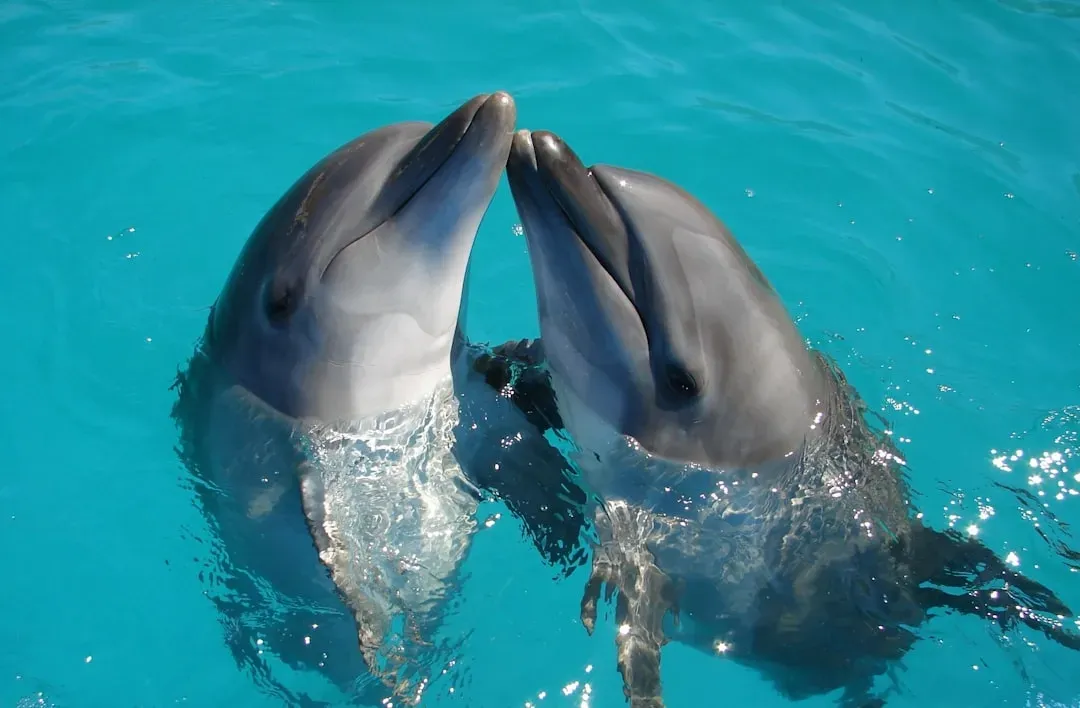
Young dolphins listen to the sounds around them and craft their own version within the first few months. They tweak and refine the contour until it becomes distinctly theirs. This process shows a level of vocal learning that few other species match.
Once established, the whistle rarely changes much. Mothers and calves often exchange these calls to stay connected. The stability allows long term memory of who belongs to which sound, even after years apart.
Playback Studies That Confirmed Recognition

Scientists recorded whistles from known individuals and played them back through underwater speakers. Dolphins turned toward the source when they heard their own signature sound. They showed little reaction to unfamiliar patterns from distant groups.
Further tests removed voice like features and still produced responses. This isolation proved the shape of the whistle itself carries the identity information. Such controlled experiments built a strong case for deliberate use rather than coincidence.
Copying Calls to Reach Specific Companions

Dolphins sometimes repeat another animal’s whistle when trying to reunite. Mothers and calves do this frequently during separations. Allied males also copy calls to locate partners in fluid social settings.
The copied sound functions like an address. It draws the intended listener without broadcasting to the entire group. This targeted approach reveals an understanding of who needs to hear the message.
Role in Maintaining Complex Social Ties

Dolphin groups shift constantly as individuals join or leave. Signature whistles help navigate these changes by keeping identities clear. They support cooperation during foraging or protection from threats.
Close associates rely on these calls more than distant ones. The system fosters bonds that last across seasons and migrations. Without such markers, coordination in murky waters would prove far harder.
Comparisons to Human Naming Practices
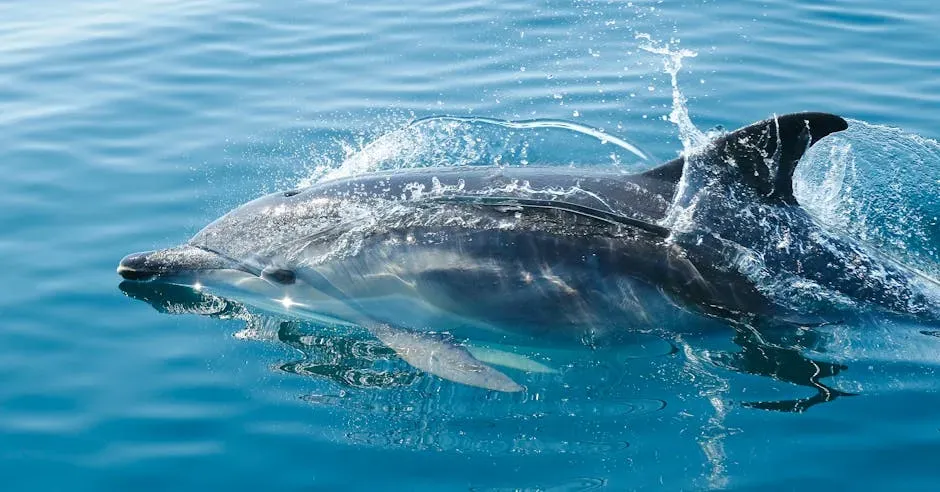
Human names label people independently of voice or appearance. Dolphin whistles achieve something similar through sound alone. Both systems allow reference to an absent individual in a representational way.
No other animal has shown this combination of self invention and consistent use for identification. The parallel stops short of full language but points to shared cognitive ground. It challenges assumptions about what separates human identity from the rest of the animal kingdom.
Future Questions and Lasting Significance

Recent work explores whether whistles carry extra layers like emotional state or context. Stability remains key for identity while subtle variations add nuance. Researchers continue tracking wild populations to map these patterns over time.
The findings underscore how much remains unknown about minds in the sea. They invite careful observation rather than quick conclusions about consciousness. In the end, these sounds remind us that personal identity may emerge in unexpected places when social demands are high enough to shape it.

- 10 Common Myths About Coyotes That Aren’t True - July 23, 2026
- The Largest Salmon Run Ever Seen in U.S. Rivers - July 23, 2026
- 8 Things You Should Never Do When You See a Wolf - July 23, 2026