

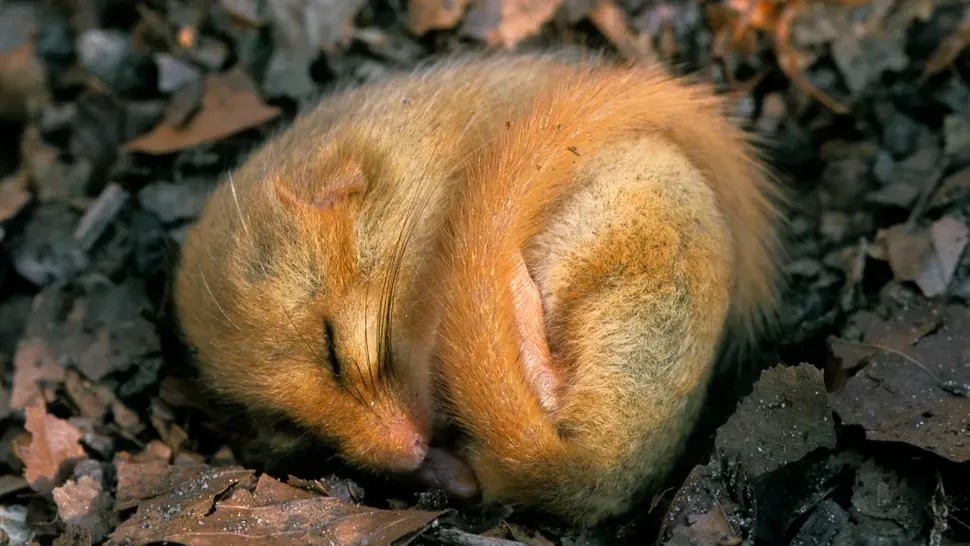
For centuries, the animal kingdom felt neatly divided. Warm-blooded mammals and birds on one side, cold-blooded reptiles and fish on the other. Clean, simple, done. Except science has a funny habit of making things messier the more you look.
It turns out, some creatures are quietly breaking all the rules. A growing number of animals once considered slaves to their environment are showing surprising abilities to regulate their own internal temperatures. Honestly, the more researchers dig into this, the stranger and more fascinating it gets. Let’s dive in.
The Discovery That Reshuffled Everything We Thought We Knew
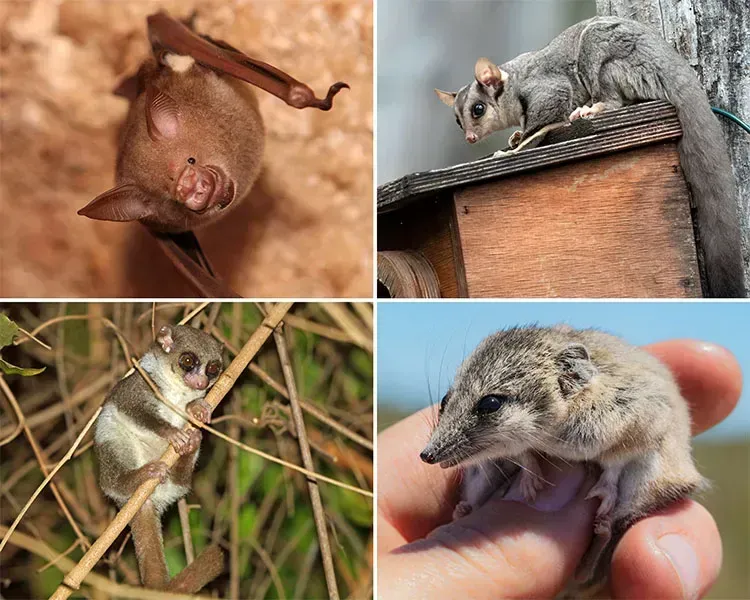
Here’s the thing about scientific certainty: it rarely survives long contact with nature. Researchers have been uncovering evidence that certain fish, insects, and even some reptiles possess a far more nuanced relationship with body heat than anyone previously suspected. These animals don’t fit neatly into the old “ectotherm” box we’ve kept them in for decades.
The term scientists now use is “mesothermy,” a kind of middle ground between full warm-blooded regulation and complete dependence on external heat. Think of it like a dimmer switch instead of a simple on or off. Some animals can crank up their internal heat temporarily, strategically, and surprisingly effectively.
This isn’t just a curiosity. It fundamentally reshapes how biologists understand the evolution of temperature regulation across life on Earth.
Tuna and Sharks: The Ocean’s Unlikely Heat Machines
If someone told you that certain fish are effectively part warm-blooded, you’d probably do a double take. Yet bluefin tuna and several shark species, including the great white, have been known for a while to retain metabolic heat in their muscles and brains. What’s newer is how sophisticated this ability actually is.
These fish use a system called a countercurrent heat exchanger, where warm blood flowing from the muscles passes closely alongside cool blood coming from the gills. The heat transfers across, keeping vital tissues significantly warmer than the surrounding ocean water. It’s an elegant biological engineering solution, frankly more impressive than anything we’d build on purpose.
The practical payoff is enormous. Warmer muscles contract faster, meaning these animals can swim faster and hunt more effectively, even in frigid deep waters where prey might assume they’re safe.
Bees That Shiver Their Way to Warmth
Insects are supposed to be textbook cold-blooded creatures. Nobody told the bees. Bumblebees, in particular, have a remarkable ability to generate their own body heat by shivering their flight muscles, even when they’re not flying at all. The temperature difference between a bee’s thorax and the cold air around it can be striking.
This internal heat generation is not just a survival trick for the individual bee. It’s deeply tied to colony function. Honeybee colonies famously maintain their hive at a stable, warm temperature by clustering together and collectively generating heat through muscle activity. The hive becomes, in a very real sense, a superorganism with its own thermostat.
What surprises many people is just how precise this control can be. Worker bees actively monitor temperature and adjust their activity in response. That’s not reflexive behavior; it’s something closer to active regulation.
Brooding Pythons Pull Off Something Remarkable
Pythons are reptiles, definitively ectothermic by any classical measure. Except when they’re brooding eggs. Female pythons that are incubating their clutches can generate body heat by rhythmically contracting their muscles, essentially shivering continuously for weeks to keep the eggs warm in cooler environments.
This is a genuine, measured, documented phenomenon. A brooding python’s body temperature can exceed the surrounding air temperature by several degrees Celsius, sustained through muscular effort. The metabolic cost is enormous; females lose a significant portion of their body mass during this period.
It’s one of those facts that makes you stop and think. Here is an animal that everyone would categorize as cold-blooded, temporarily performing one of the core functions we associate with warm-blooded life. Nature, it seems, doesn’t particularly care about our categories.
The Opah: A Fish That Stays Warm All Over
Most fish with any heat-retention ability only keep certain tissues warm. The opah, a large deep-sea fish also called the moonfish, does something far more unusual. It keeps its entire body warm, making it the first fully warm-blooded fish ever documented. Researchers confirmed this not that long ago, and the find genuinely stunned the marine biology community.
The opah achieves this through a specialized gill structure where warm blood from the body core continuously heats the cool, oxygenated blood returning from the gills. This whole-body warmth makes the opah a relentlessly active predator in the cold, deep ocean, where most competitors are sluggish by comparison.
It’s a perfect example of why the old categories keep crumbling. The opah wasn’t supposed to exist according to how we’d drawn the physiological map. Yet there it is, warm all the way through, hunting in waters that would slow nearly anything else down.
Why Evolution Keeps Reinventing This Trick
The fact that heat regulation has evolved independently in so many unrelated animal groups is genuinely astonishing. Tuna, sharks, bees, pythons, and opah share no recent common ancestor with this ability. It evolved separately, multiple times, because the survival advantages are simply that powerful.
Warmer bodies mean faster reactions, more efficient enzymes, and the ability to remain active in conditions that sideline competitors. From an evolutionary perspective, any mutation that inches an animal toward better thermal control is likely to be strongly selected for. Nature, you could say, has been running the same experiment over and over and getting the same answer.
I think what this really tells us is that the boundary between warm-blooded and cold-blooded was always more of a human convenience than a biological truth. Evolution doesn’t read textbooks. It just finds what works, and apparently, controlling your own body heat works extraordinarily well.
What This Means for Our Understanding of Life on Earth
The discovery of widespread, varied thermoregulation across the animal kingdom has real implications beyond satisfying scientific curiosity. It changes how researchers model animal behavior, migration patterns, and responses to climate change. An animal that can partially regulate its body temperature might respond very differently to a warming ocean or shifting seasons than one that cannot.
It also invites a rethink of prehistoric life. If living fish and reptiles can manage internal heat generation, what does that suggest about ancient creatures like ichthyosaurs or even some dinosaur lineages? The evolutionary story of temperature regulation is now far more complex and far more interesting than a simple split between mammals and everyone else.
The honest takeaway here is that we’re still at the beginning of understanding just how widespread these abilities might be. Researchers, as one recent report put it, are starting to find a lot more weirdness out there. The animal kingdom is full of surprises, and frankly, that’s exactly what makes biology endlessly worth paying attention to.
A Final Thought Worth Considering
The neat categories we learned in school have a comforting clarity to them. Warm-blooded. Cold-blooded. Simple. The reality, though, is messier and far more wonderful. Life keeps finding unexpected solutions to the same old challenges, and the more carefully we look, the more we realize how much we’ve been oversimplifying.
Let’s be real: it’s a little humbling that a fish or a python can quietly challenge assumptions that biologists held for generations. These animals weren’t waiting for our permission to be physiologically interesting. They’ve been out there doing it all along.
What other assumptions about the natural world are quietly waiting to be overturned? Tell us what you think in the comments.

- Beavers Are Nature’s Engineers, Creating Vital Habitats for Other Wildlife Species - July 21, 2026
- The Recovery of the California Condor Offers Hope for Other Critically Endangered Birds - July 21, 2026
- Bats Play a Crucial Role in Controlling Insect Populations Across the United States - July 21, 2026