


When Ronan, a young California sea lion, was rescued and brought to a marine mammal center, no one could have predicted what made her truly special. Not only did she recover and thrive—but she also stunned scientists by doing something no one thought sea lions could: keeping the beat to music. And not just any beat—Ronan has rhythm that rivals even the most talented human dancers.
Rescued and Rehabilitated

Ronan’s story began when she was found stranded and in poor health, likely abandoned by her mother. She was brought to the University of California, Santa Cruz’s Pinniped Cognition and Sensory Systems Lab. There, under the care of animal cognition researcher Peter Cook and his team, Ronan received a second chance. What started as a rehabilitation turned into groundbreaking research.
Discovering Her Inner Dancer

It all began with simple head-bobbing exercises. Researchers played rhythmic audio tracks and noticed Ronan naturally began to move in time with the beat. Unlike other animals that only mimic rhythm after extensive training, Ronan picked it up fast—and she kept improving. Her favorite track? “Boogie Wonderland” by Earth, Wind & Fire. With every bounce of her head, she shattered assumptions about animal rhythm perception.
Smarter Than She Looks

Ronan’s ability was not just cute—it was cognitive gold. Scientists believed beat synchronization was limited to vocal learners like parrots. But Ronan, who doesn’t mimic sounds, proved otherwise. Her success challenged long-held theories about the brain’s rhythm systems and opened new questions about how beat perception evolved. Ronan became more than a sea lion—she became a scientific icon.
A Bond Built on Trust and Training

Training Ronan wasn’t just about science—it was about relationship. The researchers worked patiently with her, building trust through consistent care and positive reinforcement. Ronan wasn’t forced to perform; she enjoyed the process. Her willingness to bop along to the beat came from a place of curiosity and connection with her human caretakers, mirroring the cooperative bond seen in some of the most intelligent animals.
A Star in the Scientific World
Videos of Ronan grooving to music quickly spread, captivating the public and academic communities alike. She’s appeared in research papers, documentaries, and headlines around the world. Beyond her fame, Ronan’s abilities have fueled further research into how animals perceive and interact with sound—and how we might have more in common with them than we thought.
Dancing Her Way Into History
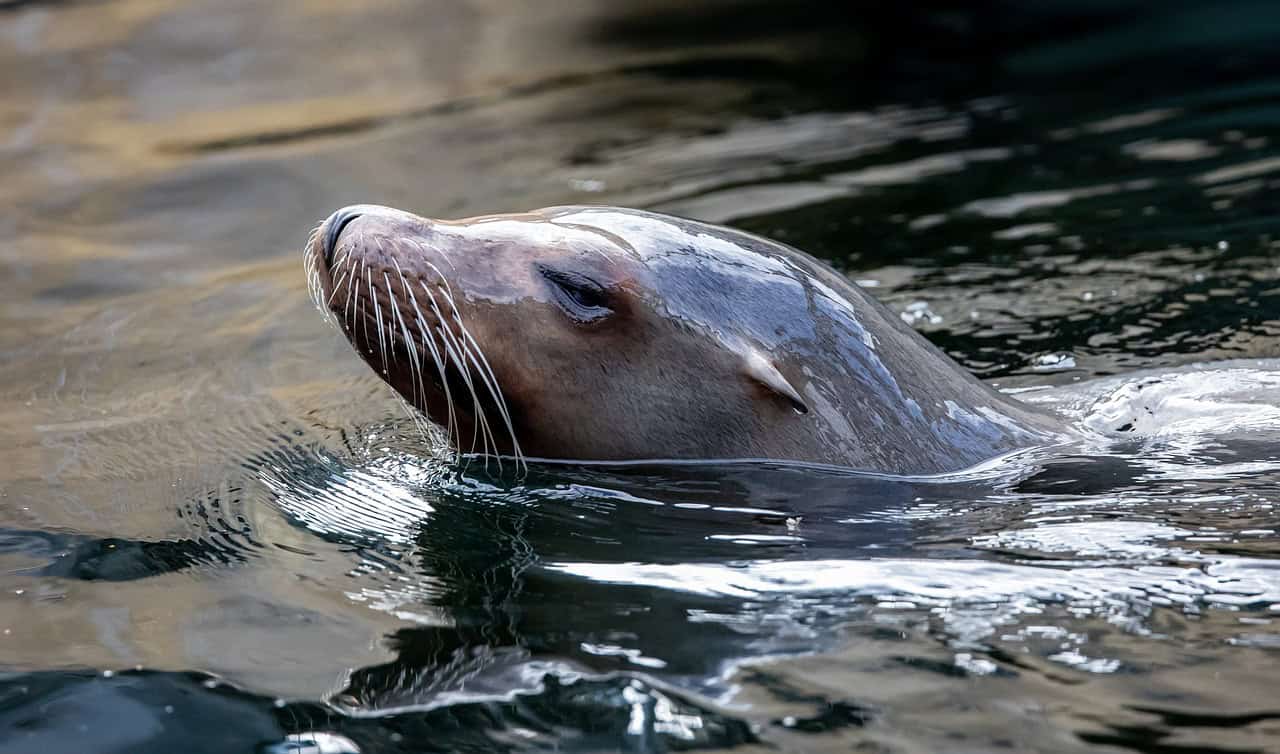
Ronan’s journey from a struggling pup to a rhythm-keeping trailblazer is a story of resilience, intelligence, and joy. She didn’t just survive—she thrived, and in doing so, helped rewrite the way scientists think about rhythm in the animal kingdom. While she may live in a research facility, Ronan’s beat bounces far beyond its walls—into classrooms, laboratories, and hearts across the globe.

adventuring, photography and videography. I am currently working towards a BSc in Biodiversity and Ecology at Stellenbosch University to go on to specialise in Marine Sciences one day.
Please send any feedback to Feedback@animalsaroundtheglobe.com
- Top 10 Dog Breeds Most Prone to Severe Anxiety - August 14, 2026
- Bee Chaos Unleashed as 14 Million Honeybees Escape in Highway Incident - August 13, 2026
- Sunny the Eaglet Takes Her First Flight - August 13, 2026