


The crocodile is a marvel of nature, perfectly adapted to its environment with features that have scarcely changed over millions of years. Among these, its jaw strength stands out as one of its most formidable assets, granting it unparalleled predatory power. This article delves into the mechanics and implications of the crocodile’s jaw strength, offering insights into why these ancient reptiles remain such fearsome hunters.
The Evolution of Crocodile Jaws

Crocodiles have roamed the Earth for over 200 million years, and their jaw structure is a testament to their evolutionary success. These reptiles possess a jaw that is a product of adaptive refinement, enabling them to capture and consume a wide range of prey. Their skulls are robust, with specially designed muscles that flow around cavities, enabling powerful closure without compromising on speed.
Anatomy of a Powerful Bite

The crocodile’s jaw is a masterclass in biological engineering. Its jaw muscles are incredibly strong, yet the opening muscles remain weak, a unique adaptation that maximizes their bite force while conserving energy. This strength allows them to clamp down on prey with brutal efficiency.
The Science Behind Their Bite Force
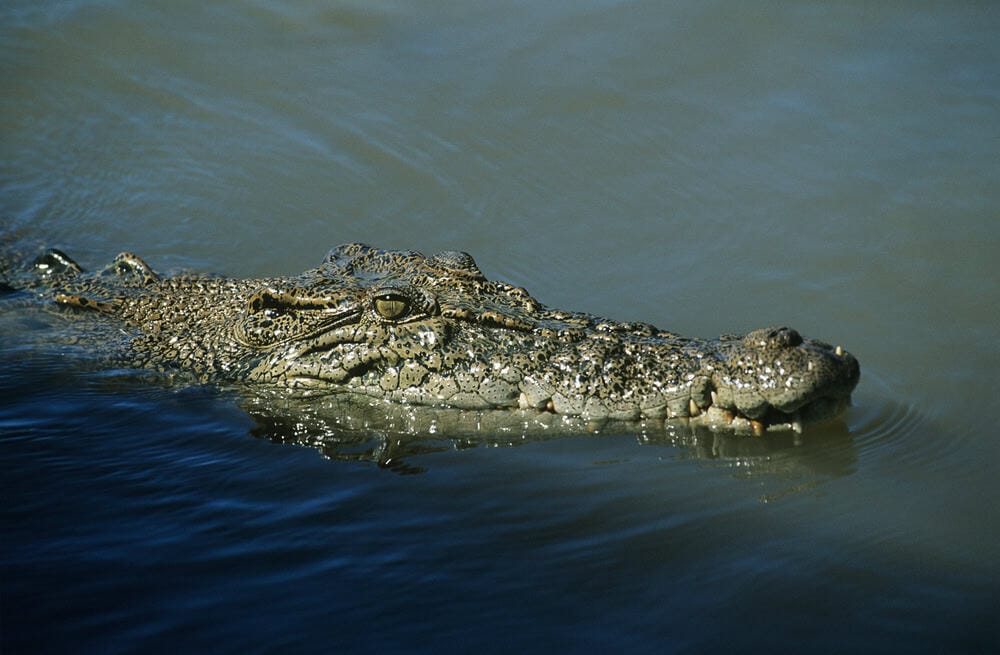
The bite force of a crocodile is among the most powerful in the animal kingdom, with some species capable of exerting a force of over 3,700 pounds per square inch (psi). This incredible pressure is generated by the intricate muscle arrangement and the leverage provided by their jaw shape.
Comparison with Other Predators

While large cats and sharks are renowned for their predatory prowess, few can match the raw power of a crocodile’s bite. For instance, a lion’s bite force is dwarfed by that of a crocodile, highlighting the reptile’s dominance in the realm of sheer strength.
Role in Feeding and Hunting Strategies

Crocodiles employ their jaw strength in various hunting strategies. They are ambush predators, often lying in wait before suddenly lunging at prey. Once captured, a crocodile’s grip is near-impossible to break, thanks mainly to its powerful jaws.
Adaptations for Different Environments
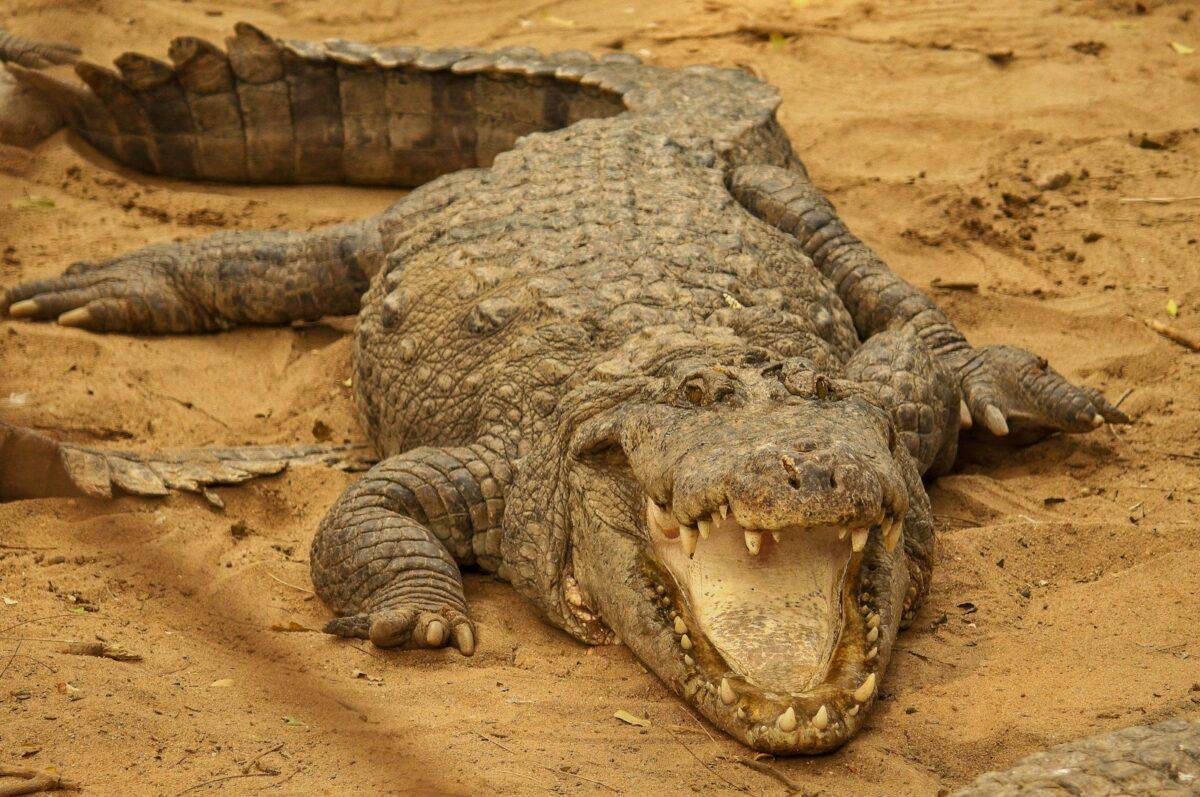
Different species of crocodiles have adapted their jaw strength to suit their respective habitats. For instance, the saltwater crocodile uses its exceptional jaw force to tackle larger prey, while the Nile crocodile’s jaws are adapted for both aquatic and terrestrial hunting.
Biomechanics and Jaw Movement

The biomechanics of a crocodile’s jaw provides stability and precision. While opening, the jaws move rapidly with little force, but the closure is a massive expenditure of energy, efficiently used during the hunt. This ability showcases the crocodile’s balance between power and conservation.
Research and Studies
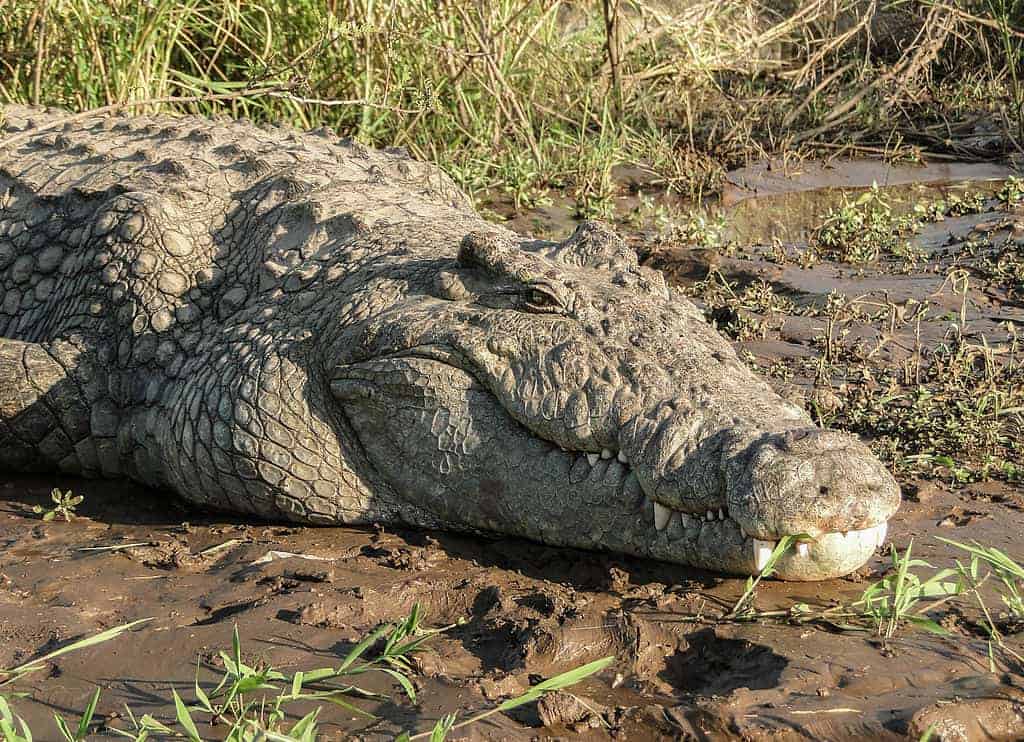
Scientific studies have extensively measured and analyzed the bite force of crocodiles, often employing advanced technology such as pressure sensors and 3D modeling. These studies help in understanding not just crocodiles but evolution and adaptation in predator species.
Implications for Wildlife Conservation

Understanding the mechanics of crocodile jaws also aids in conservation efforts. Protecting these ancient predators is crucial, as their predatory nature plays a vital role in maintaining the ecological balance within their habitats.
Human Interaction and Safety

Crocodiles’ powerful jaws make them potentially dangerous to humans, especially in areas where habitats overlap. Educating communities about safe practices while living in close proximity to these predators is essential to minimize risks.
Crocodile Jaws in Culture and Mythology

Across various cultures, crocodiles symbolize strength and ferocity, often depicted as formidable creatures in mythology. These representations stem largely from the fearsome power exhibited by their massive jaws.
Conclusion: A Legacy of Strength
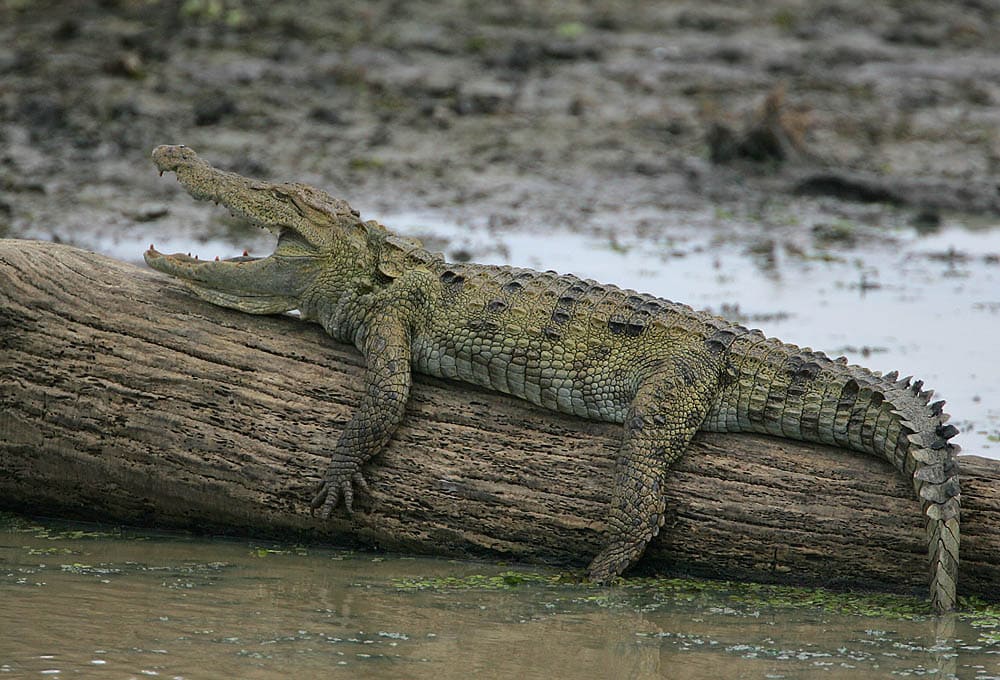
The jaw strength of crocodiles has ensured their status as apex predators across millennia. Their unmatched biting power, combined with strategic hunting acumen, solidifies their position within ecosystems worldwide. As we continue to study these remarkable creatures, we uncover more about the complexities of evolution and the natural world, gaining deeper respect for the ancient power they wield.

As a little kid, I fell in love with nature, wildlife, and animals. Living in the USA, South Africa, Italy, China and Germany gave me the opportunity to discover the world's Wildlife. My favorite animals are Mountain Gorillas, Siberian Tigers, and Great White Sharks.
I'm a certified PADI Open Water Diver, went to Everest Base Camp and Trekked Gorillas in Uganda. I hold a Master of Science in Economics and Finance.
Please send any feedback to feedback@animalsaroundtheglobe.com
- 14 Native U.S. Animals Making a Major Comeback - August 2, 2026
- 14 Prehistoric Beasts That Once Roamed the U.S. - August 2, 2026
- 13 Cats That Actually Like Water - August 2, 2026