

Peregrine falcons are a marvel of the avian world, renowned for their breathtaking speed and aerial prowess. In the bustling urban landscape of New York City, these magnificent birds have made an unexpected home. Let’s delve into the fascinating world of New York’s peregrine falcons to understand why they are considered the fastest birds on the planet.
The Phenomenon of Urban Peregrine Falcons

Peregrine falcons have adapted remarkably well to urban environments, and New York City is no exception. These birds have found an unlikely sanctuary in the city’s skyscrapers, which mimic the high cliffs where they traditionally nest. The urban setting provides ample hunting grounds teeming with prey like pigeons, which is critical for their sustenance.
Anatomy of Speed

The peregrine falcon is perfectly engineered for speed. Its compact body, long pointed wings, and muscular build allow it to reach astonishing speeds of over 240 mph during a hunting stoop (a high-speed dive). This incredible velocity makes it the fastest bird in the world, enabling it to outfly and outmaneuver its prey with ease.
Adaptations for Urban Life

Despite being natural cliff dwellers, peregrine falcons have adapted to life amidst skyscrapers and bridges. These structures provide suitable nesting sites high enough off the ground to be safe from most predators. Furthermore, city life offers an abundance of food in the form of pigeons, sparrows, and starlings.
The Role of Conservation Efforts
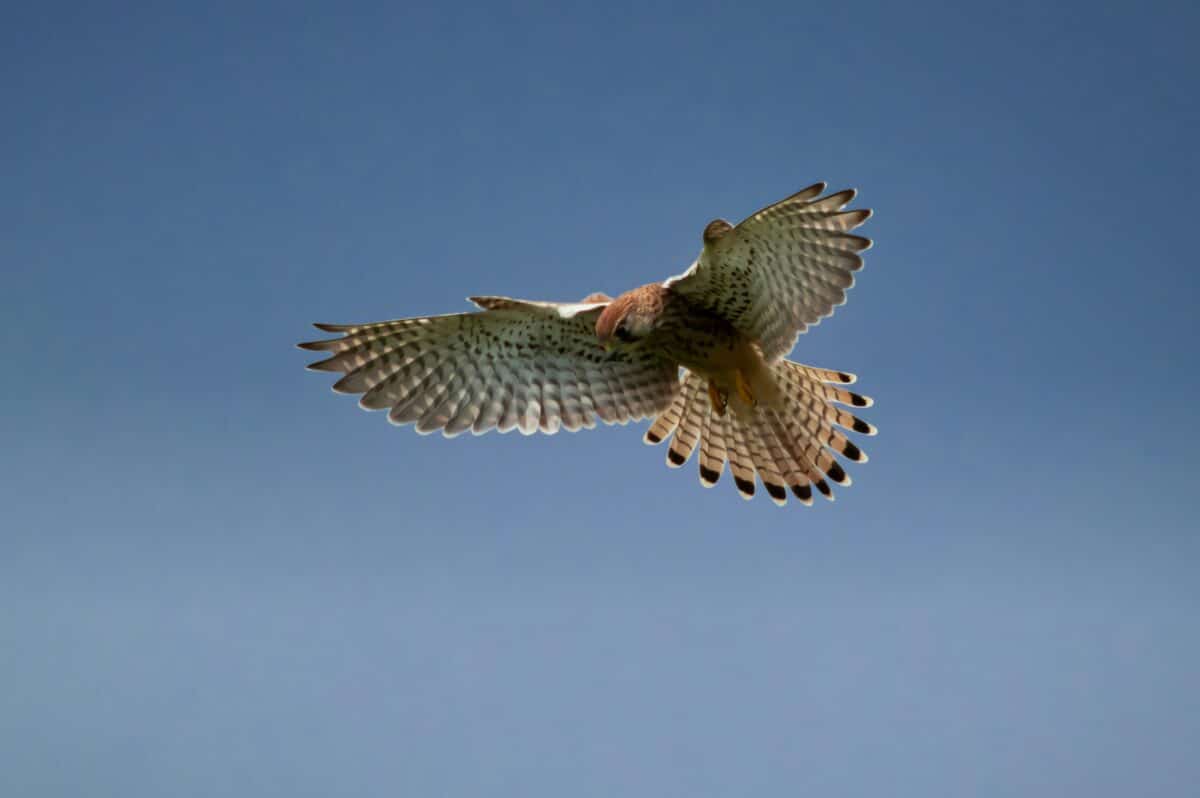
In the mid-20th century, peregrine falcons faced a dramatic decline due to pesticide use, particularly DDT, which weakened eggshells. Conservation measures, including the banning of DDT and active breeding programs, have been pivotal in restoring their numbers. Today, the peregrine falcon is a triumphant symbol of successful wildlife conservation.
Nutritional Habits
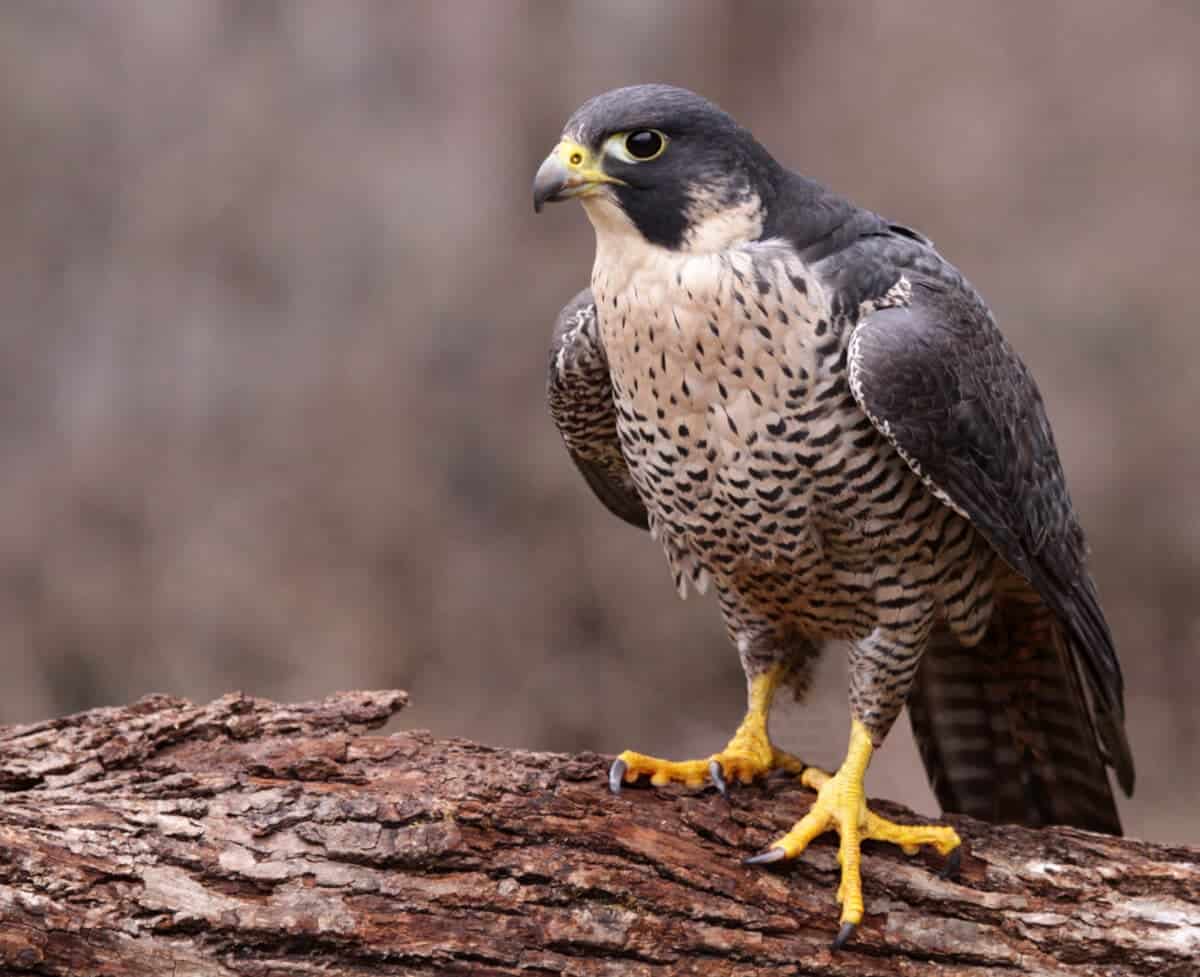
Peregrine falcons are carnivorous raptors that primarily feed on other birds. In urban settings like New York, their diet predominantly consists of pigeons. The falcons’ keen eyesight allows them to spot prey from a great distance, and their swift, powerful dives ensure they rarely miss their target.
Breeding and Nesting Habits

Peregrine falcons typically mate for life, using the same nesting sites year after year. In New York, these sites are often on tall buildings and bridges. The female lays three to four eggs, and both parents share the responsibility of incubation, which lasts about a month. The fledglings learn to fly approximately six weeks after hatching.
Peregrine Falcons and Human Interaction

While these birds are generally wary of humans, the proximity of their nests to human activity requires a degree of tolerance. Birdwatchers and researchers closely monitor urban peregrine populations, emphasizing a relationship that is both beneficial for scientific study and education.
Scientific Importance

Peregrine falcons provide incredible insights into avian physiology and aerodynamics. Researchers study their anatomy and flight techniques to glean knowledge that can be applied to technology and engineering, making these birds valuable beyond their ecological role.
The Impact of Climate Change

Like many species, peregrine falcons face new challenges due to climate change. Changes in weather patterns can affect prey availability and migration patterns, thereby influencing the falcons’ survival and breeding success. Continuous monitoring and adaptive conservation strategies are essential to counter these impacts.
The Cultural Significance

Throughout history, peregrine falcons have held cultural significance in various societies. They have been symbols of speed, power, and grace, celebrated in art and literature. Today, they inspire awe and serve as ambassadors for wildlife conservation in urban landscapes.
Where to Spot Peregrine Falcons in New York

Peregrine falcons can be observed in several iconic locations around New York City, including the Throgs Neck Bridge, the Brooklyn Bridge, and the skyscrapers of Manhattan. Birdwatchers consider early morning and late afternoon the best times for viewing these remarkable birds in action.
The Future of Urban Peregrines
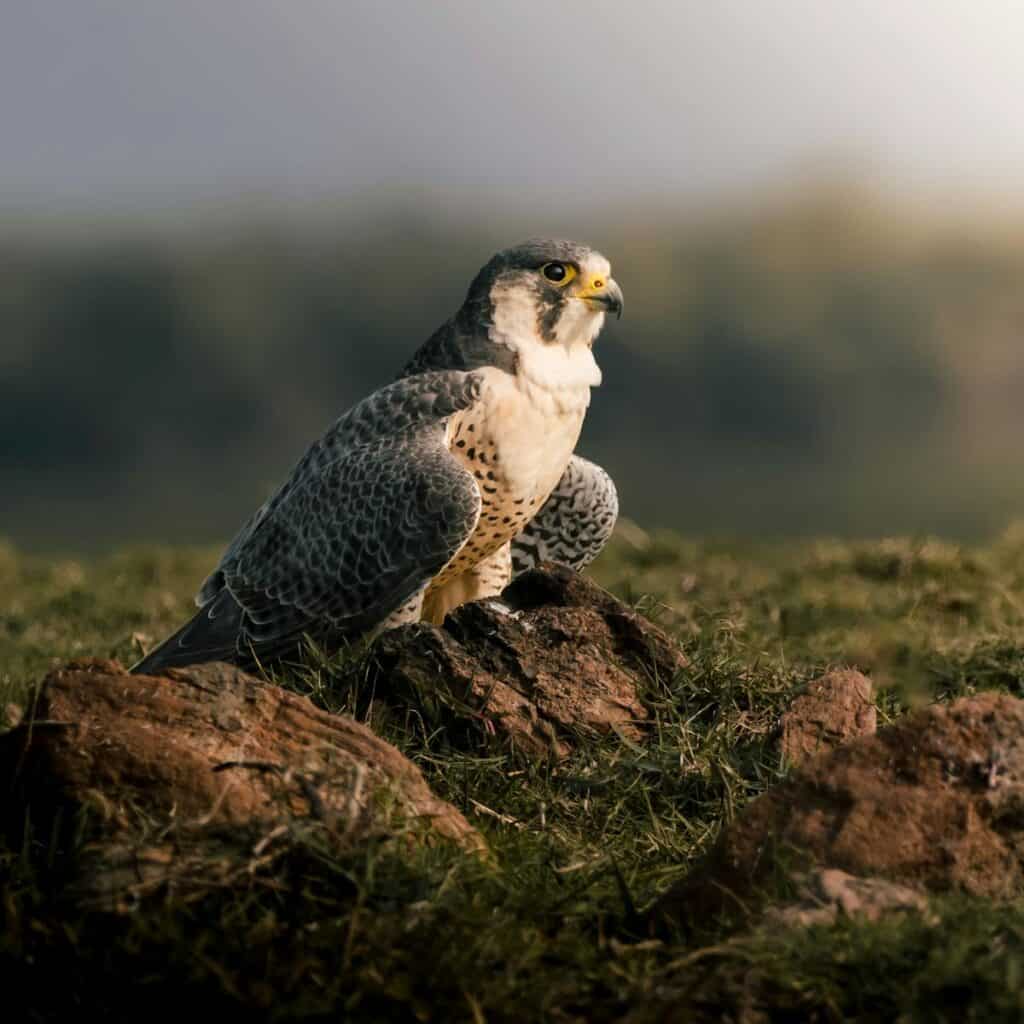
As cities continue to grow, urban peregrine falcons represent a successful story of adaptation and resilience. Ongoing conservation efforts and public awareness will be crucial in sustaining their populations. Their thriving presence in New York serves as a beacon of hope and a testament to nature’s tenacity.
In summary, Peregrine falcons have not only conquered the skies with their unparalleled speed but have also adapted seamlessly to the concrete jungle of New York City. Through understanding and supporting these incredible birds, we embark on a journey of appreciating the marvels of wildlife that exist amidst urban life. Their story is one of resilience, adaptation, and coexistence, reminding us of the beauty and complexity of the natural world.
