


The Ginkgo biloba traces its roots back an astonishing 290 million years to the Permian period, making it one of Earth’s most ancient plant species. Surviving cataclysmic events, such as the Permian-Triassic extinction that wiped out 96% of marine life, the ginkgo emerged as a “living fossil” due to its remarkable resilience. Its distinctive fan-shaped leaves are virtually unchanged since prehistoric times.
Endurance Through Mass Extinctions

The Ginkgo biloba has withstood all five mass extinctions, including the one that ended the reign of the dinosaurs 66 million years ago. While countless species vanished, the ginkgo adapted and thrived, proving its evolutionary superiority through the millennia.
The Hiroshima Miracle
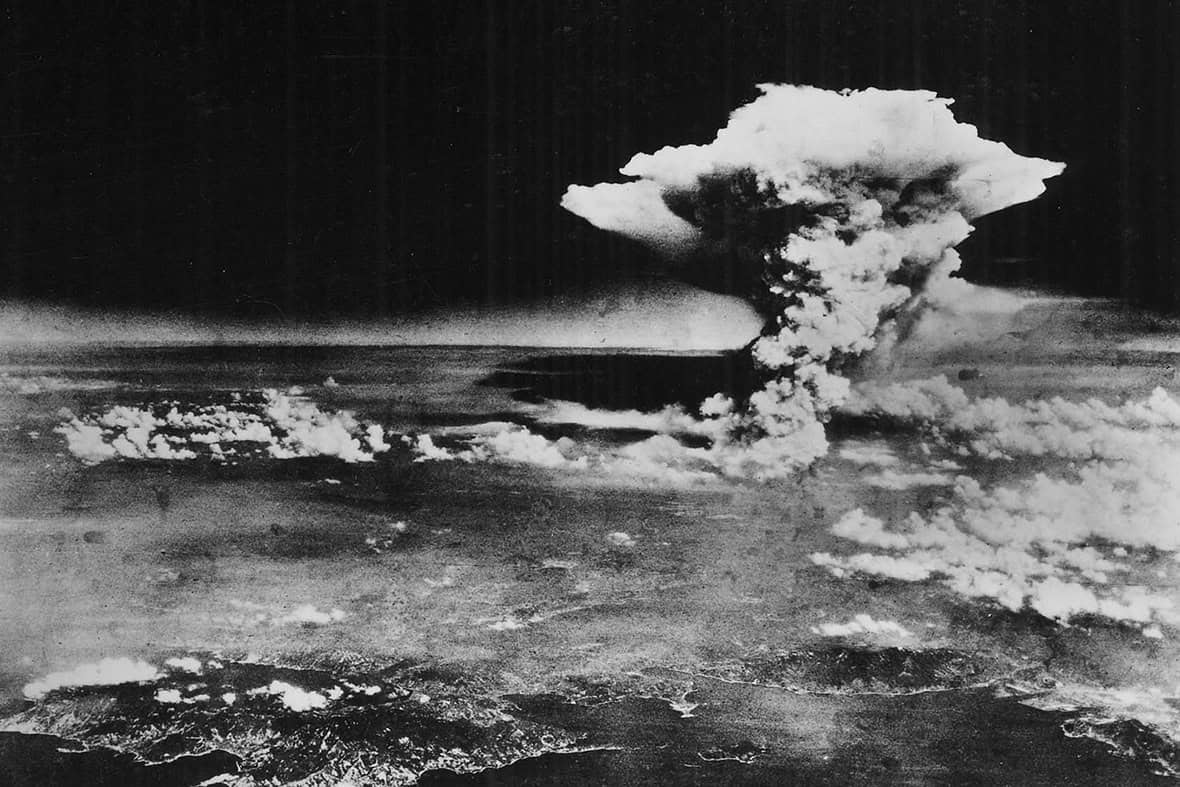
One of the most astonishing testaments to the ginkgo’s resilience occurred in 1945, when six ginkgo trees survived the atomic blast in Hiroshima. Stripped bare and burned, the trees sprouted new leaves within months, defying the destruction that obliterated all other life forms nearby. These trees remain symbols of hope and endurance to this day.
Rediscovery in the Wild

Once thought extinct in the wild, small populations of ginkgo trees were rediscovered in remote regions of China during the early 20th century. Speculation suggests that Buddhist monks played a critical role in preserving these ancient trees, which would otherwise have disappeared.
Urban Champions: Thriving in Modern Cities
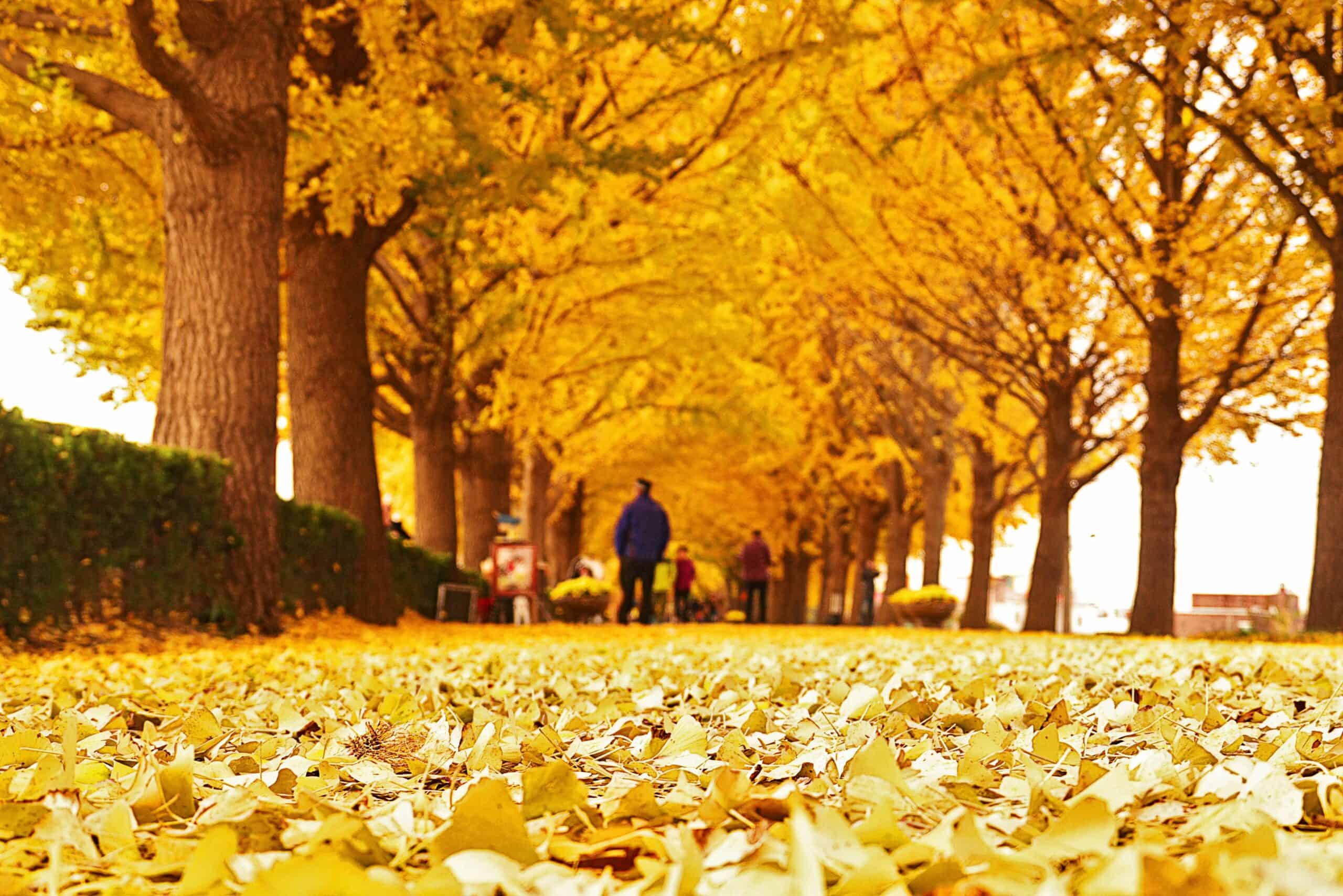
Today, the Ginkgo biloba is a staple of urban landscapes worldwide. Its natural resistance to pollution, pests, and harsh weather makes it an ideal tree for city environments. Ginkgos line streets, parks, and plazas, offering shade and aesthetic appeal while standing as a testament to resilience.
Unique Adaptations That Ensure Survival

The ginkgo’s incredible ability to adapt to environmental changes lies in its durable structure and genetic stability. Its fan-shaped leaves allow it to thrive under diverse conditions, while its seeds and hardy nature make it highly resilient to environmental stressors.
An Ancient Bond With Humanity
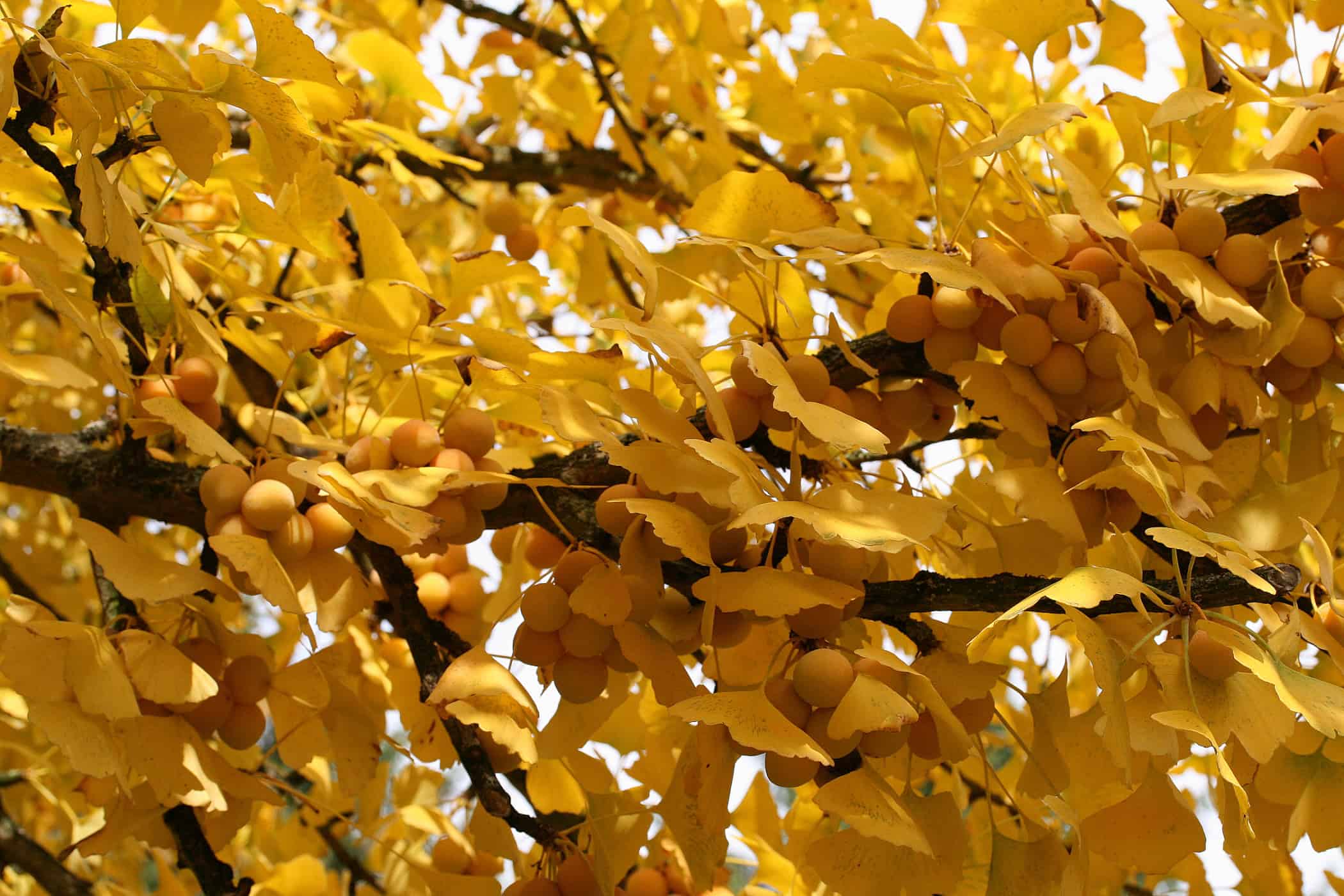
Humanity’s relationship with the ginkgo stretches back centuries. In China, its leaves and seeds have been used in traditional medicine, and the tree holds cultural significance as a symbol of longevity and resilience. This connection has ensured its propagation far beyond its native habitat.
A Testament to Natural Resilience
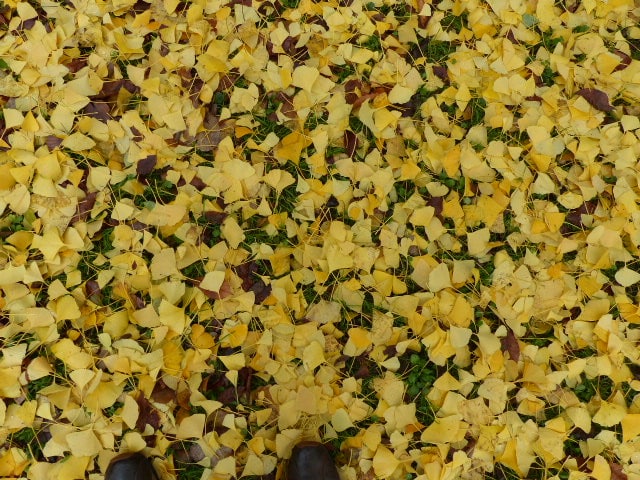
Unlike many species that were unable to adapt to Earth’s changing environments, the ginkgo has remained steadfast. Its survival through ice ages, asteroid impacts, and nuclear devastation showcases nature’s ability to endure even the harshest conditions.
A Green Legacy Across the Globe

From its rediscovery in China to its current role as an urban icon, the ginkgo is celebrated as a living link to Earth’s prehistoric past. Its resilience inspires awe and reminds us of the enduring power of nature.
A Symbol for the Future
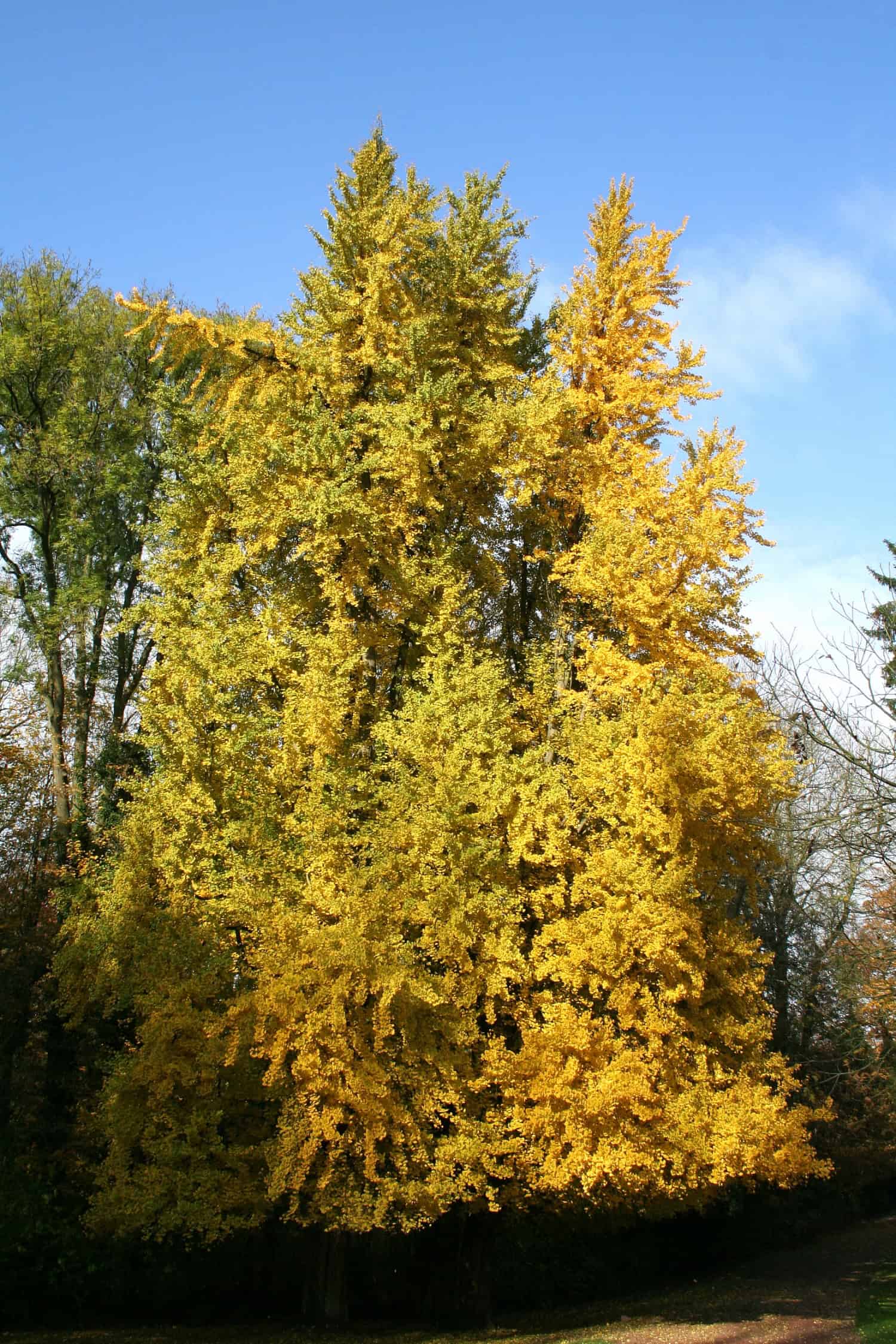
As the world faces unprecedented environmental challenges, the Ginkgo biloba serves as a reminder of the importance of resilience and adaptation. By learning from this ancient tree, we can foster a deeper appreciation for preserving biodiversity and protecting our planet’s natural wonders.

For any feedback please message Feedback@animalsaroundtheglobe.com
- The Turkish Van Cat Breed - August 2, 2026
- Great White Shark - August 1, 2026
- The British Shorthair - August 1, 2026