


The Ganges River dolphin, scientifically named Platanista gangetica gangetica, is one of the most unique and charismatic freshwater creatures found in the mighty Ganges, Brahmaputra, and Meghna river systems in India, Nepal, and Bangladesh. Often referred to as the “Susu” locally, this dolphin has captured the fascination of naturalists and conservationists alike due to its distinct habitat and intriguing behavior. However, this majestic marine mammal is now grappling with serious threats: widespread pollution and significant habitat loss.
Understanding the Ganges River Dolphin’s Habitat
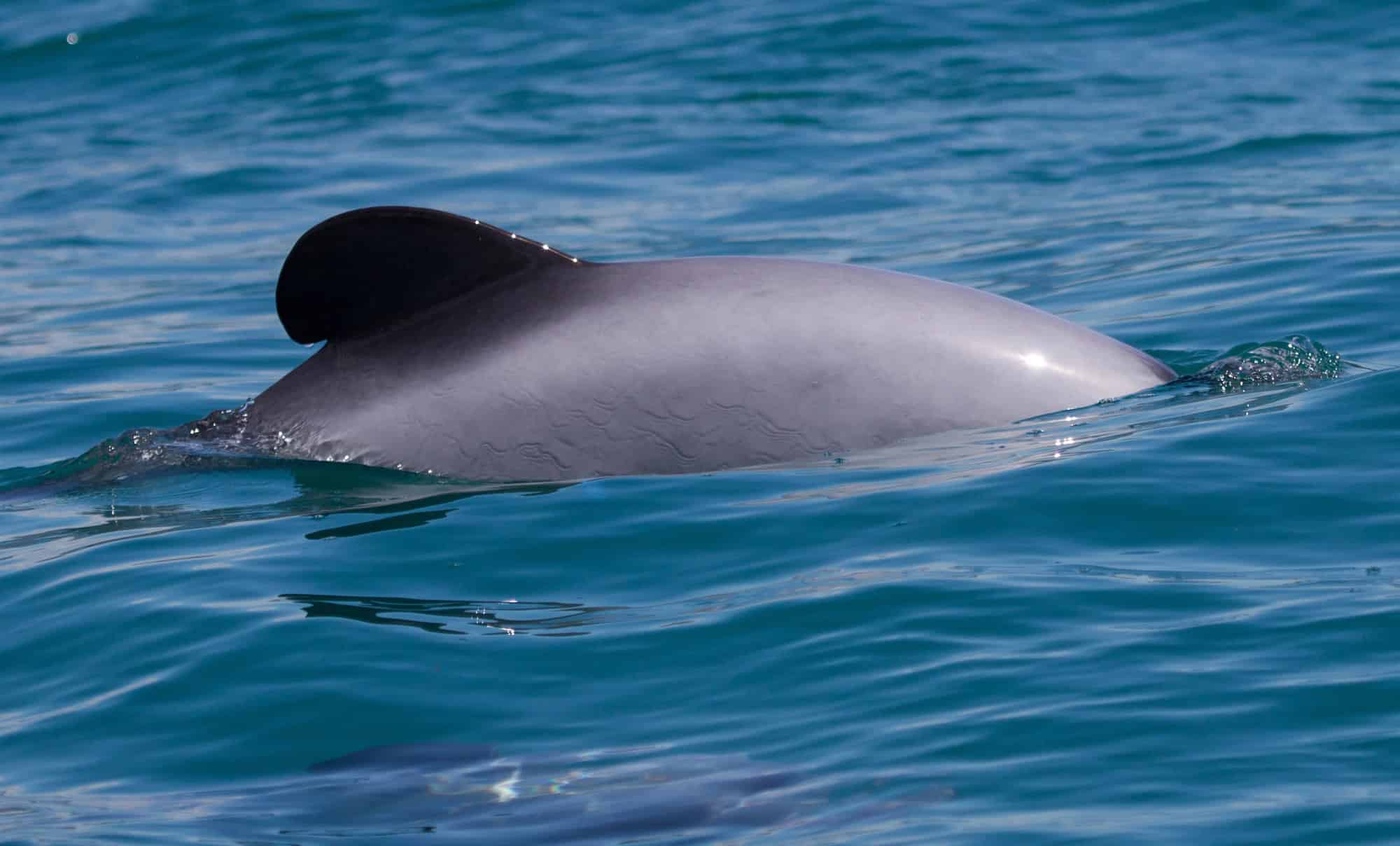
The Ganges River dolphin resides exclusively in freshwater river systems. As a blind dolphin, it relies heavily on echolocation to navigate and hunt in the murky waters of its riverine habitat. Traditionally, these dolphins are known to inhabit large river systems and their tributaries, utilizing the deep pools, shallow riffles, and connecting channels for foraging and breeding. The unique nature of their habitat plays a critical role in their survival, highlighting why protecting this environment is vital for their future.
The Stark Reality of Pollution in the Ganges

One of the major challenges facing the Ganges River dolphin is severe pollution. The Ganges River, revered as sacred by millions in India, is also one of the most polluted rivers worldwide. A mix of untreated sewage, industrial effluents, agricultural runoff, and plastic waste contributes to the degradation of water quality. These pollutants affect the river’s biodiversity, reduce the availability of prey for the dolphins, and increase the risk of disease.
Moreover, chemical pollutants like heavy metals can accumulate in the dolphin’s body, leading to compromised immune systems and other health complications. The cocktail of contaminants found in the river poses a long-term threat not only to the dolphins but also to the entire ecosystem dependent on the river.
Habitat Loss and Fragmentation
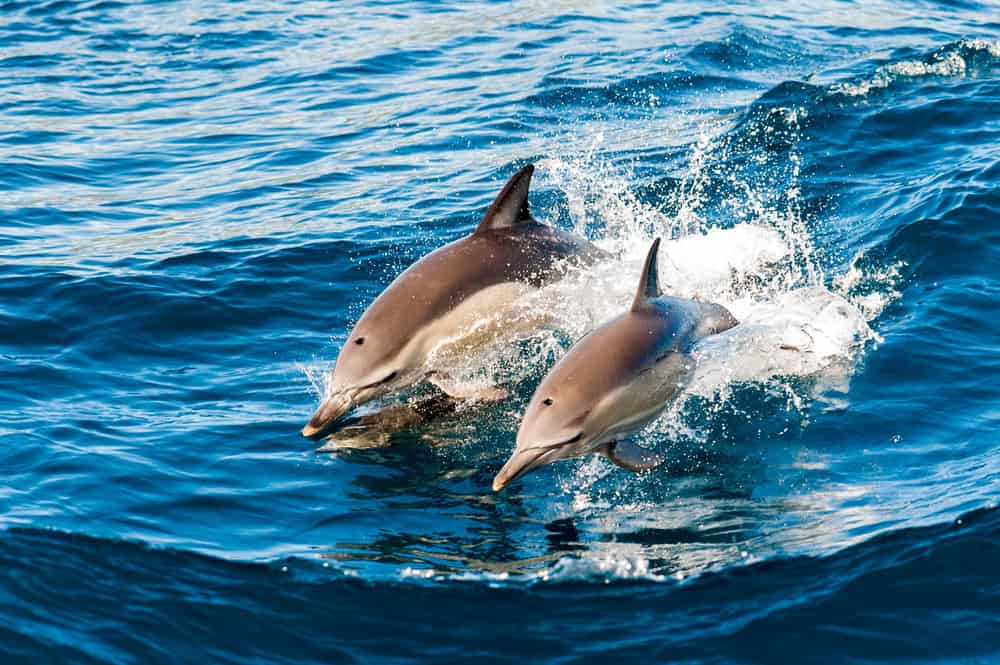
Apart from pollution, habitat loss due to human activities has become a significant concern for the Ganges River dolphin. The construction of dams, irrigation canals, and levees has led to habitat fragmentation, which disrupts the natural flow of the river and affects the dolphins’ ability to migrate, breed, and find food. Dams also alter sediment transport, which can change river geomorphology and lead to the loss of essential habitats like deep pools.
The proliferation of fishing nets in their habitat poses another threat. Dolphins often get entangled in these nets, leading to injury or even death. Unregulated fishing practices and increased boat traffic further stress the already fragile dolphin populations.
Conservation Efforts and Future Directions
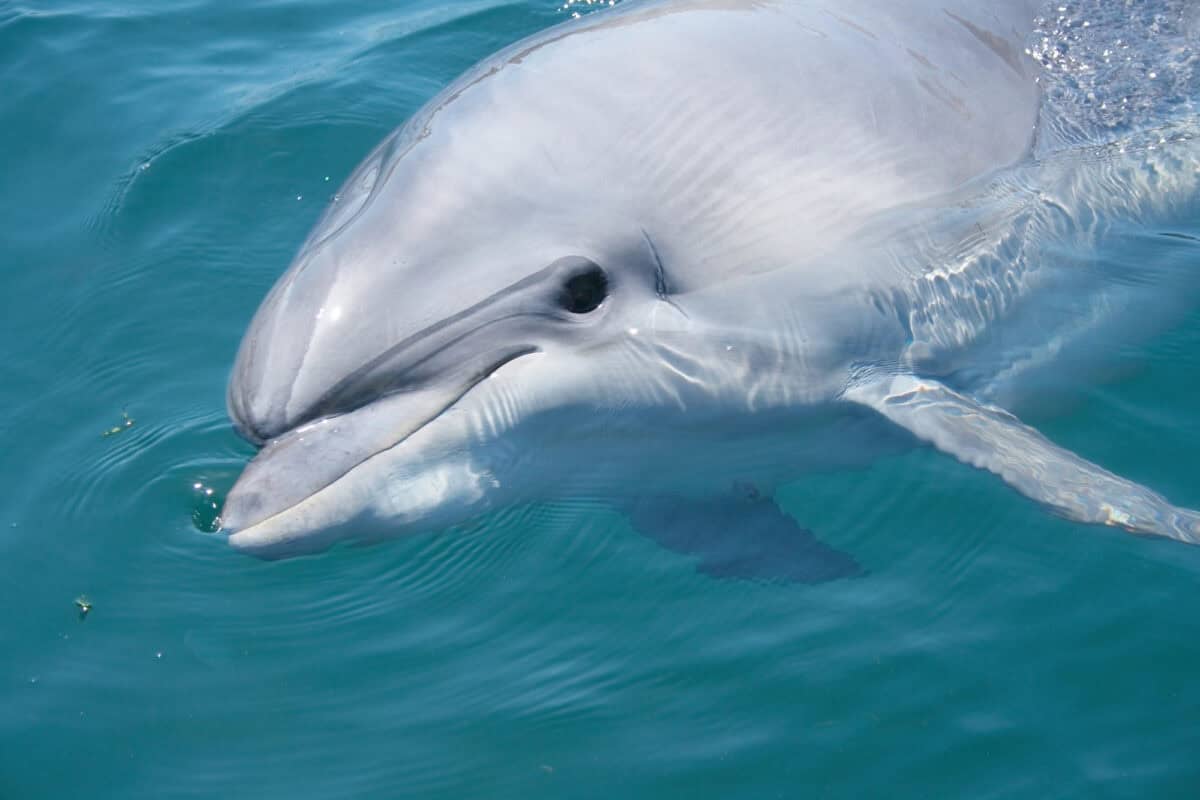
Conservation organizations and governments have recognized the plight of the Ganges River dolphin and have initiated efforts to safeguard this species and its habitat. The dolphin has been designated as India’s National Aquatic Animal, providing a certain level of national focus and protection. Several programs aim to reduce pollution and improve water quality, including efforts to manage sewage and industrial discharges.
Additionally, awareness campaigns are encouraged to educate local communities on the importance of the dolphins and sustainable fishing practices. Government and non-governmental organizations are also exploring innovative solutions like setting up protected riverine areas to ensure safe habitats for the dolphins.
The Role of Community Involvement
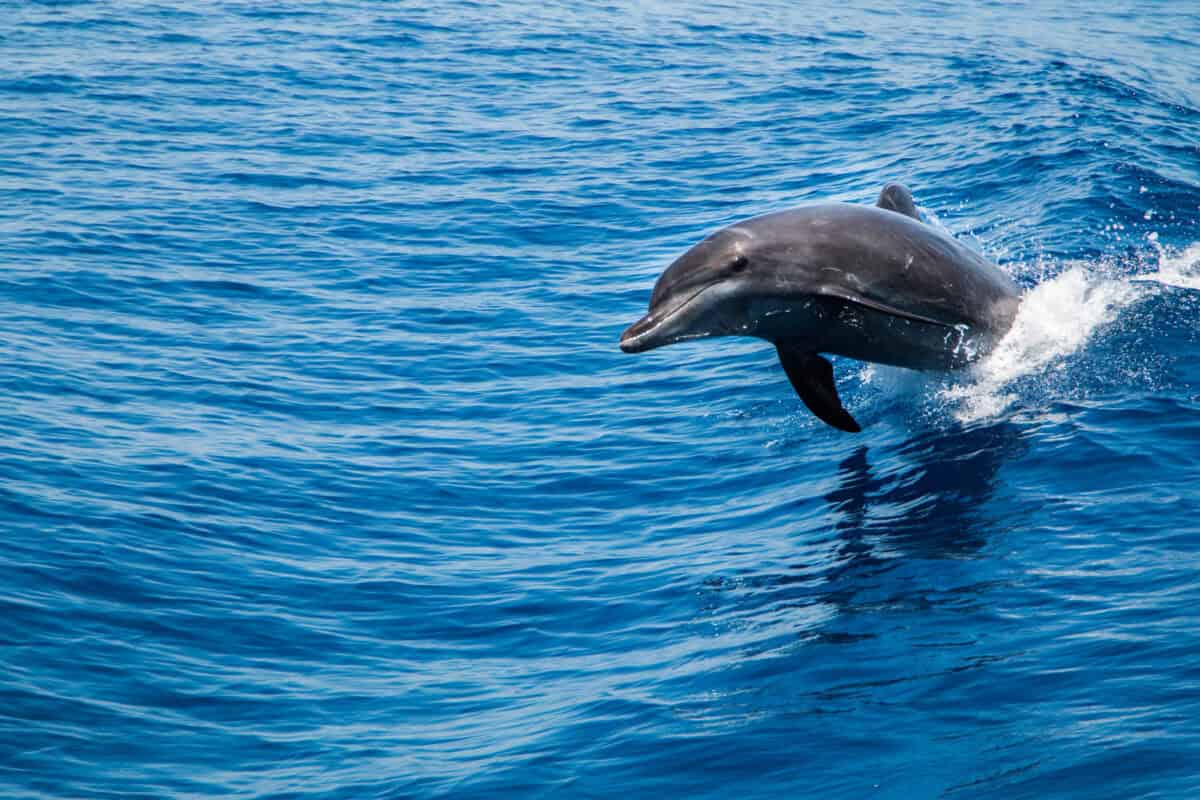
The survival of the Ganges River dolphin is closely linked to the communities living along the riverbanks. Enabling community participation in conservation programs empowers locals to play an active role in dolphin protection efforts. Successful examples include community-led river clean-up initiatives and monitoring programs where locals help track dolphin populations and identify threats.
By involving local communities, conservation efforts can ensure that initiatives are culturally sensitive and economically viable, creating a sustainable framework for both human and dolphin populations to thrive.
Conclusion: A Call to Action

The plight of the Ganges River dolphin underscores the urgent need for action to address pollution and habitat loss. While conservation efforts have been initiated, the path to recovery requires sustained effort, innovative solutions, and global cooperation. By protecting this iconic species’ habitat, we also secure the ecological health of one of the world’s most important river systems, benefiting countless other species, including humans, who rely on its waters. The survival of the Ganges River dolphin is not merely about conserving one species but maintaining the intricate balance of life in these vital freshwater ecosystems.

As a little kid, I fell in love with nature, wildlife, and animals. Living in the USA, South Africa, Italy, China and Germany gave me the opportunity to discover the world's Wildlife. My favorite animals are Mountain Gorillas, Siberian Tigers, and Great White Sharks.
I'm a certified PADI Open Water Diver, went to Everest Base Camp and Trekked Gorillas in Uganda. I hold a Master of Science in Economics and Finance.
Please send any feedback to feedback@animalsaroundtheglobe.com
- 12 Species That Never Stop Growing - July 31, 2026
- 11 Smallest Animals That Pack a Punch - July 31, 2026
- 7 Birds That Are Famous for Their Unbelievable Migrations - July 31, 2026