
Across the United States, a silent green invasion is reshaping landscapes, choking waterways, and disrupting ecosystems with alarming efficiency. Kudzu, purple loosestrife, Japanese knotweed, and other non-native plant species are advancing across American soil at a rate that has scientists, conservationists, and land managers deeply concerned. These botanical invaders didn’t evolve alongside native species, leaving local ecosystems without natural defense mechanisms to keep them in check. The result is a profound transformation of America’s natural heritage that may prove impossible to reverse. This article explores one of the most destructive invasive plants in the United States—Japanese knotweed (Fallopia japonica)—examining its origins, spread, ecological impacts, and the challenging battle to contain its relentless advance.
The Origins of Japanese Knotweed in America
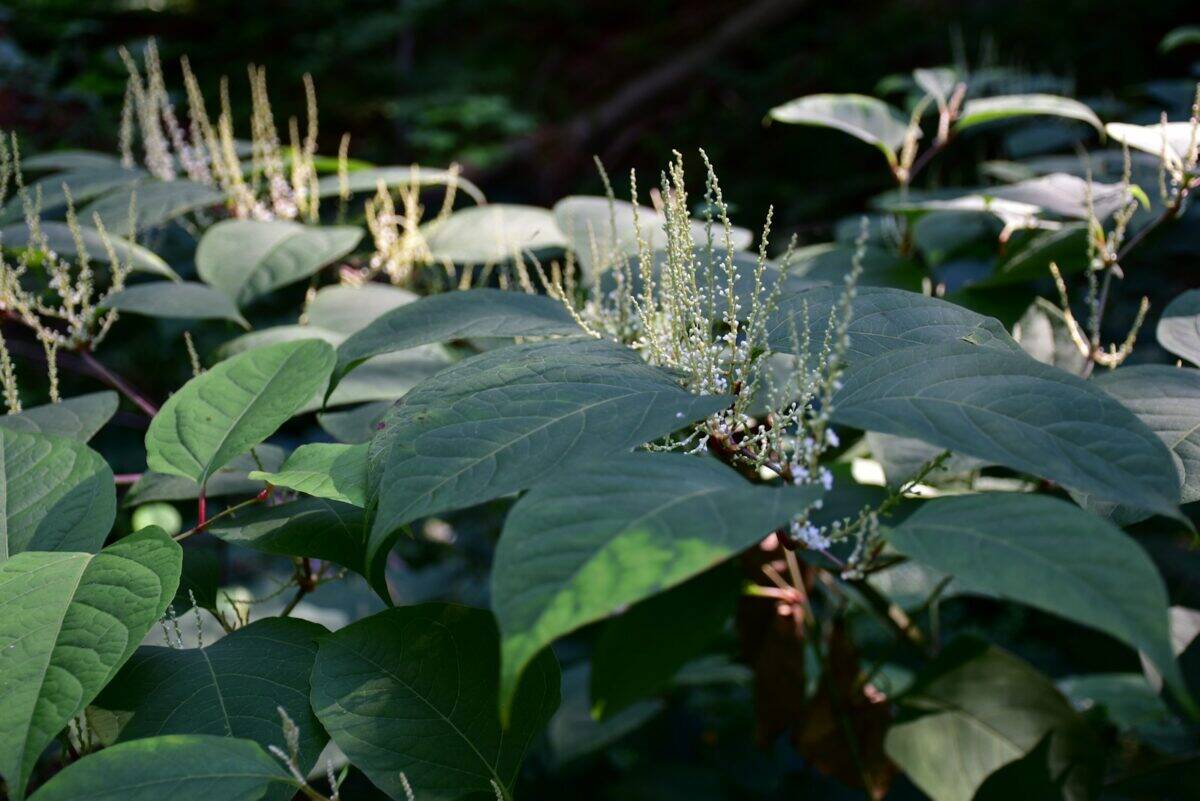
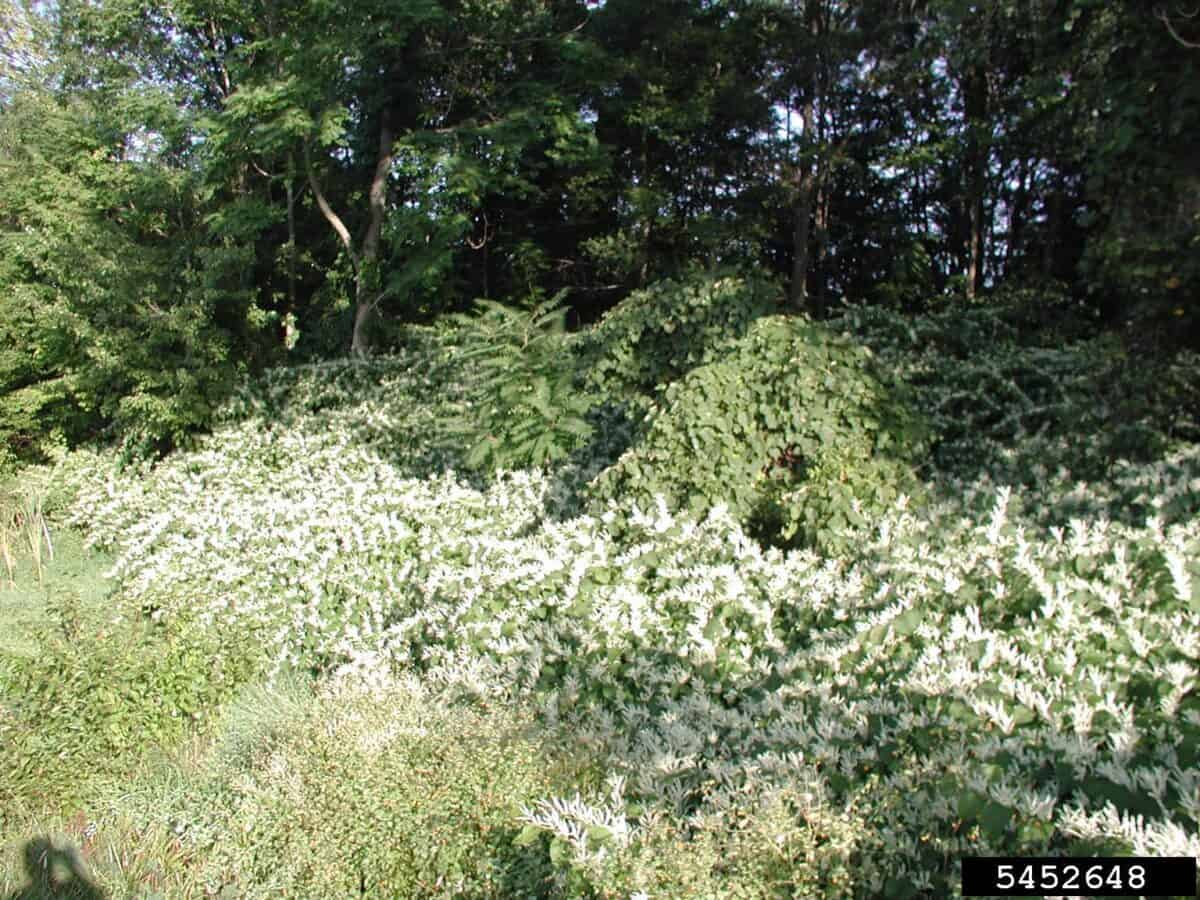
Japanese knotweed first arrived on American shores in the late 19th century as an ornamental plant. Landscape architects and gardeners prized it for its bamboo-like stems, heart-shaped leaves, and clusters of creamy-white flowers. The plant was introduced to the United States around the 1870s, when it was brought to a New York botanical garden. Victorian-era gardeners appreciated its aesthetic qualities and practical applications for erosion control along roads and waterways. Little did they know that their horticultural import would eventually become one of the most problematic invasive species in North America. Unlike in its native range of Japan, Korea, and parts of China where natural predators and environmental factors keep it in check, Japanese knotweed found ideal growing conditions in America with virtually no natural enemies.
Why Japanese Knotweed Is Such a Successful Invader
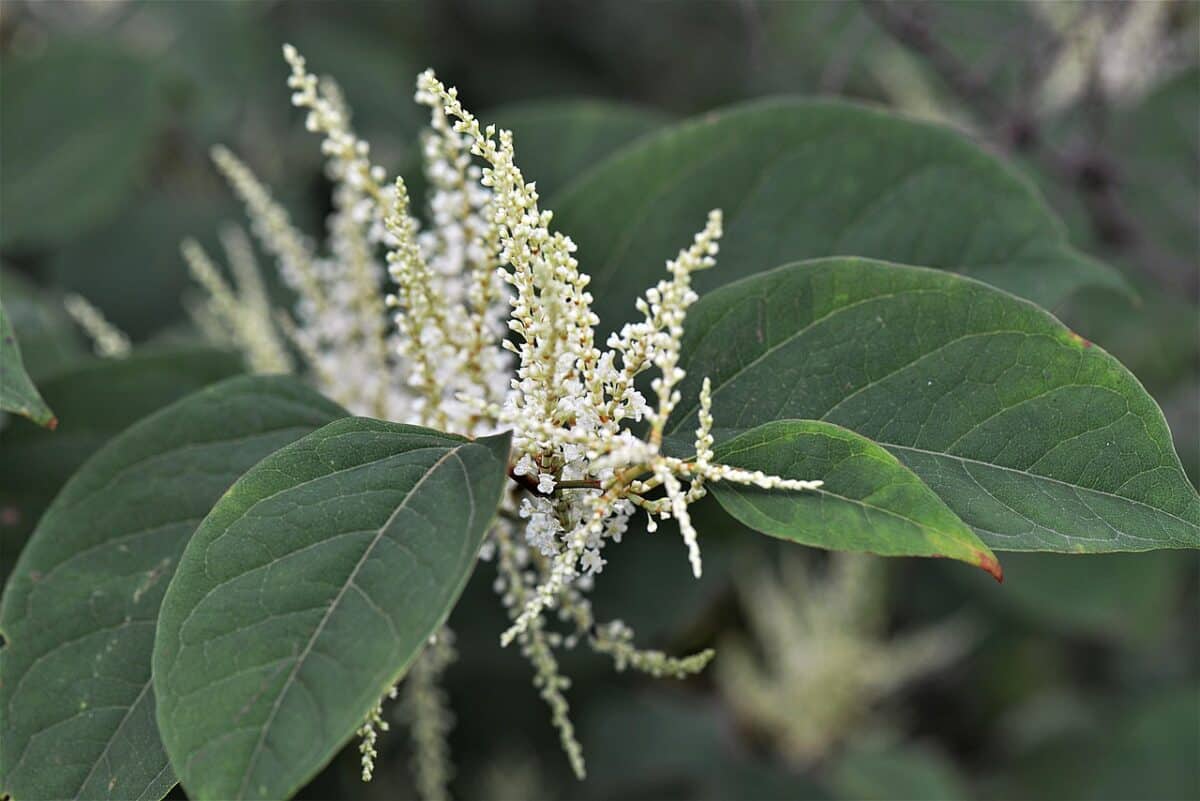
Japanese knotweed’s remarkable success as an invasive species stems from several biological advantages that make it exceptionally difficult to control. The plant possesses an extensive underground rhizome system that can extend up to 65 feet horizontally and penetrate 10 feet deep, allowing it to spread rapidly and regenerate from even the tiniest fragments. A piece of rhizome as small as 0.7 grams (about the size of a fingernail) can produce a new plant. Its growth rate is nothing short of astonishing—knotweed can grow up to 4 inches per day during peak season, reaching heights of 10 feet or more. Additionally, the plant produces allelopathic chemicals that inhibit the growth of competing vegetation. Its remarkable adaptability allows it to thrive in various soil types and light conditions, from full sun to partial shade. These biological traits create a perfect storm of invasiveness that has allowed Japanese knotweed to dominate diverse habitats across the United States.
The Ecological Devastation Caused by Japanese Knotweed
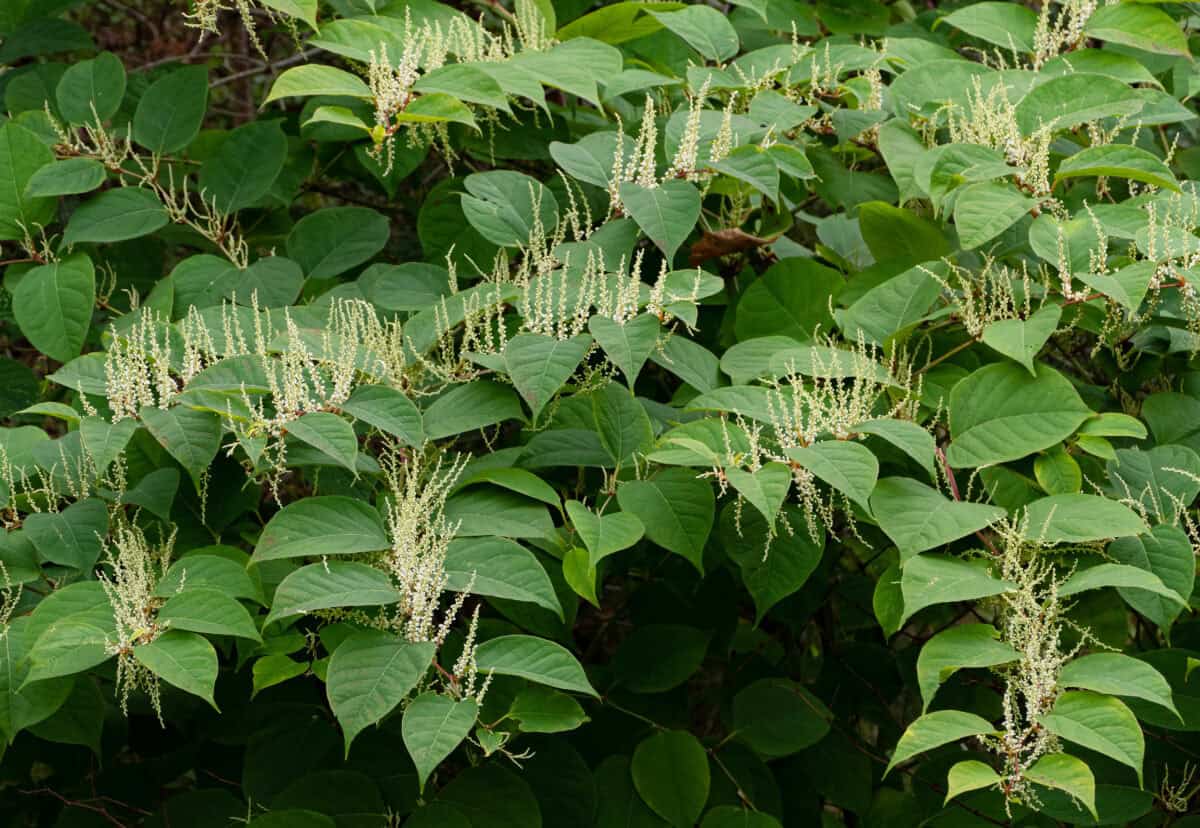
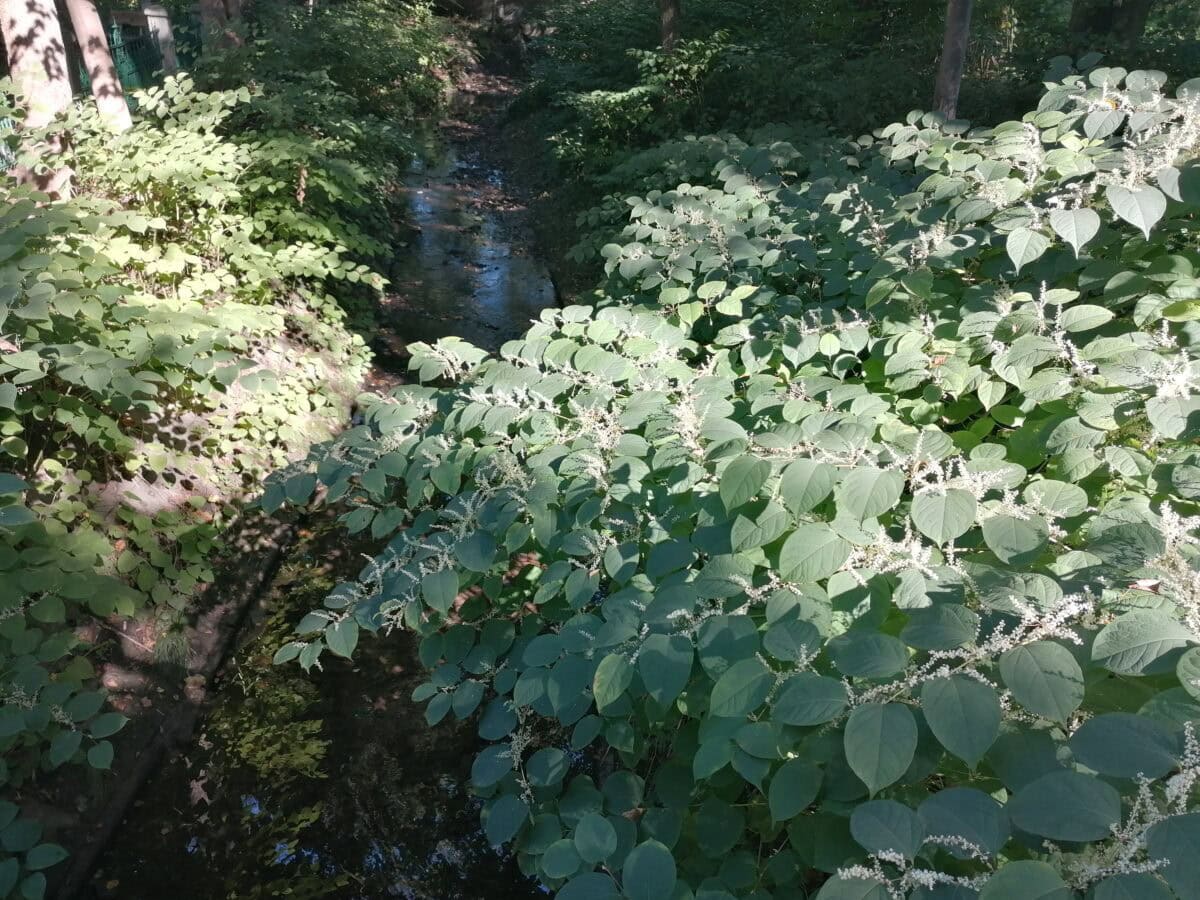
The ecological consequences of Japanese knotweed invasion are severe and far-reaching. As knotweed establishes dense, monocultural stands, it dramatically reduces biodiversity by outcompeting native plants for space, light, and nutrients. Studies have documented up to 70% reduction in native plant species richness in knotweed-invaded areas. This loss cascades through the ecosystem, affecting insects, birds, and mammals that depend on native vegetation for food and habitat. Riparian zones—the interfaces between land and rivers or streams—are particularly vulnerable. When knotweed dominates these areas, it displaces native vegetation that would otherwise stabilize banks and provide critical shade for aquatic habitats. The seasonal die-back of knotweed in winter leaves riverbanks exposed to erosion, increasing sedimentation in waterways that can harm fish spawning grounds. The plant also disrupts nutrient cycling, as its leaf litter decomposes differently than native plants, altering soil chemistry and microbial communities that have evolved with native vegetation over millennia.
Japanese Knotweed’s Economic Impact
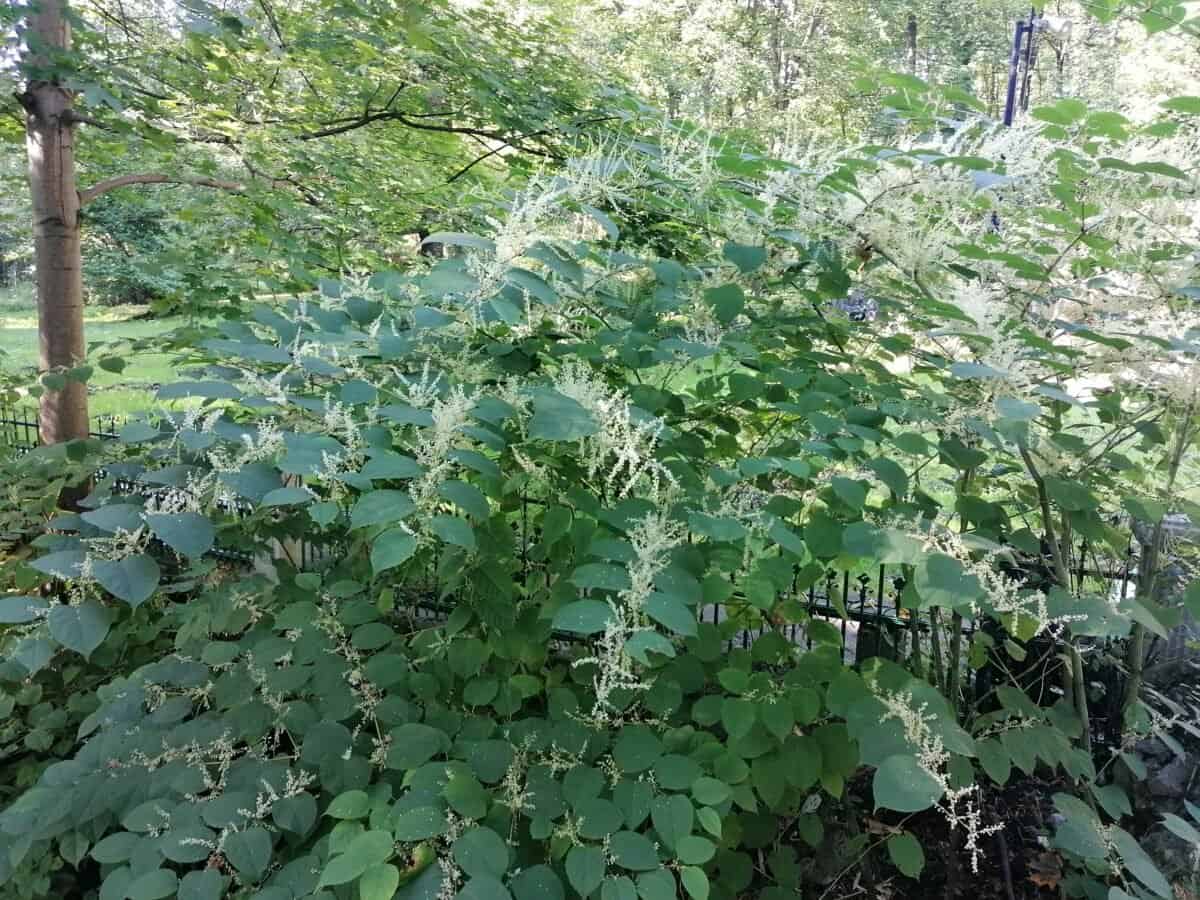
Beyond its ecological damage, Japanese knotweed inflicts significant economic costs on American communities and property owners. The plant’s aggressive root system can damage building foundations, roads, flood defenses, and utility infrastructure. In the United Kingdom, where the knotweed problem has been extensively documented, the presence of the plant can reduce property values by 5-15% and even make homes unmortgageable. While the U.S. has not yet implemented such stringent property regulations, the economic burden is still substantial. The U.S. Forest Service estimates that invasive plants collectively cost the American economy approximately $35 billion annually in damage and control efforts. Japanese knotweed represents a significant portion of this figure. Municipalities and state agencies spend millions on knotweed management programs, while private landowners face high costs for professional eradication services. Infrastructure repair necessitated by knotweed damage adds another layer of expense, making this plant not just an ecological threat but an economic one as well.
Where Japanese Knotweed Has Spread in the United States
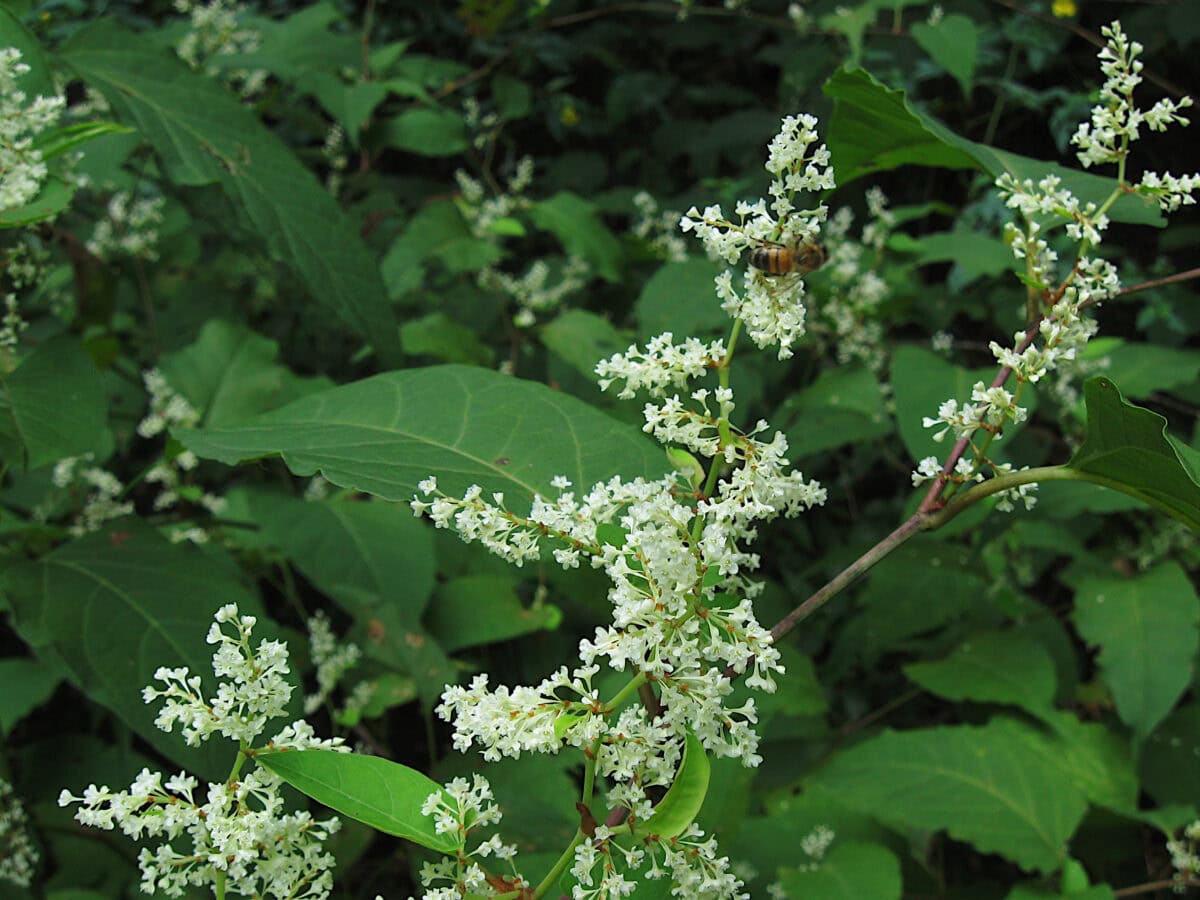
Japanese knotweed has established significant populations across much of the United States, with particularly problematic infestations in the Northeast, Pacific Northwest, and parts of the Midwest. States including Maine, Massachusetts, New York, Pennsylvania, Washington, and Oregon have reported extensive knotweed invasions. The plant thrives in both urban and rural settings, though it shows a particular affinity for riparian corridors, roadside ditches, and disturbed areas. According to the USDA’s Plants Database, knotweed has been documented in 42 states, absent only from some parts of the arid Southwest and certain southern states. Its distribution continues to expand, with climate change potentially enhancing its spread into new regions. In places like the Catskill Mountains of New York and the Columbia River Basin in the Pacific Northwest, knotweed has transformed entire landscapes, creating dense thickets along hundreds of miles of riverbanks and stream corridors that were once characterized by diverse native plant communities.
Why Controlling Japanese Knotweed Is So Difficult
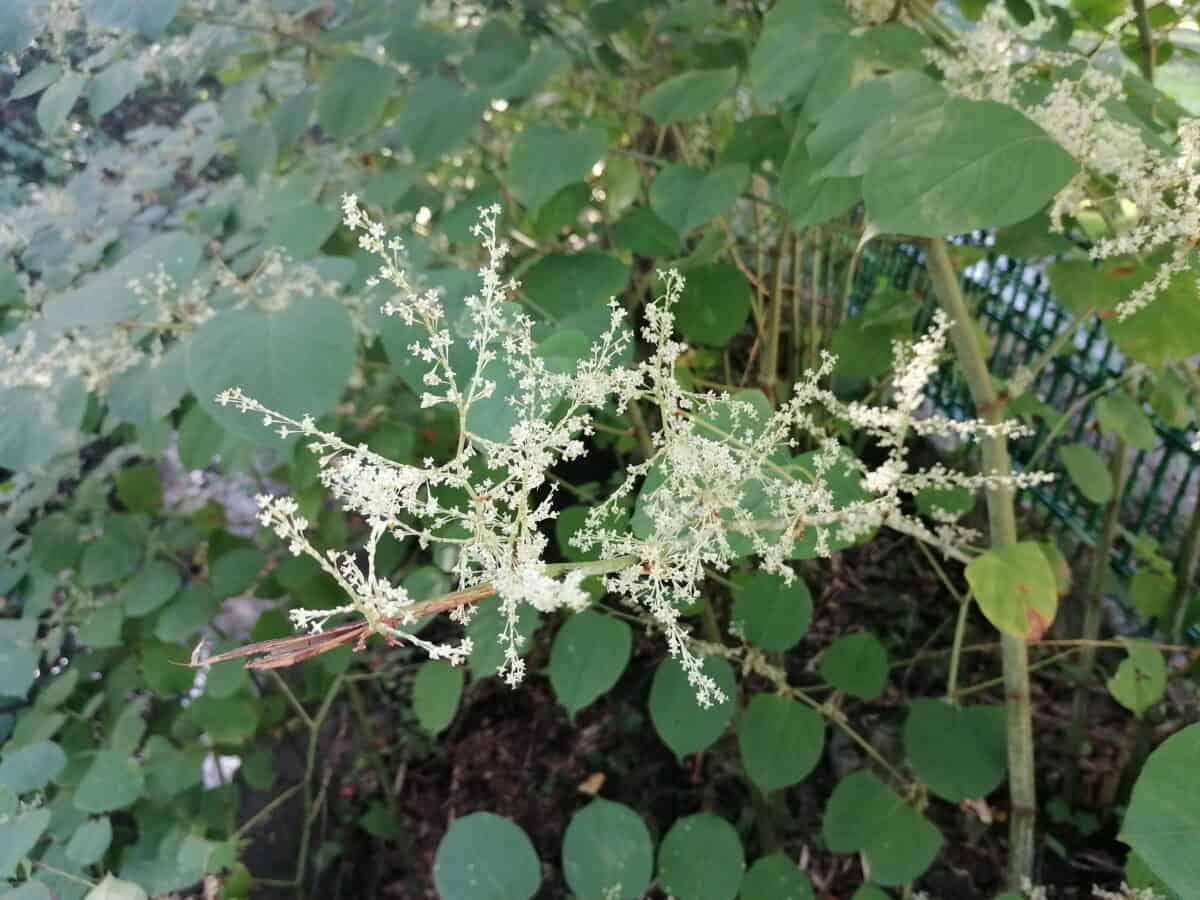
The containment and eradication of Japanese knotweed present extraordinary challenges that have frustrated land managers for decades. The plant’s resiliency stems from its remarkable regenerative abilities—studies have shown that rhizome fragments as small as 0.7 grams can produce new plants, meaning that conventional mechanical control methods often exacerbate the problem by inadvertently spreading plant fragments. Knotweed can regenerate from depths of over three feet, rendering simple digging ineffective. Chemical control using herbicides like glyphosate requires persistent application over multiple growing seasons, as the extensive rhizome network often survives initial treatments. Environmental concerns about herbicide use near waterways further complicate chemical control strategies. Additionally, the plant’s ability to lie dormant in soil for up to 20 years means that management must be sustained over decades to be effective. This combination of biological resilience, regenerative capacity, and dormancy makes Japanese knotweed one of the most difficult invasive plants to eliminate once established, leading some experts to focus on containment rather than complete eradication in heavily infested areas.
Cutting-Edge Strategies for Fighting Back
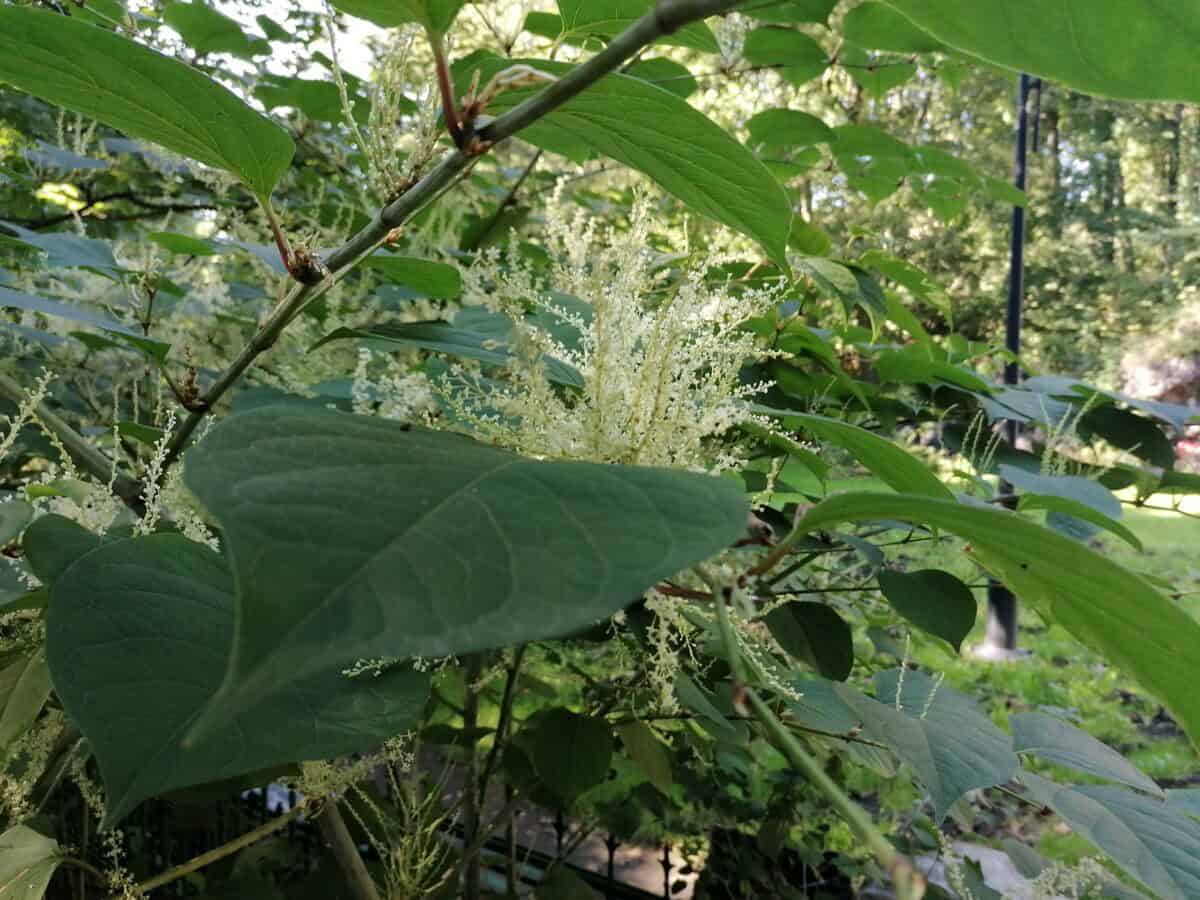
In the face of knotweed’s daunting resilience, researchers and land managers are developing innovative approaches to control this invasive plant. Biological control represents one promising frontier, with scientists identifying specialized insects from knotweed’s native range that feed exclusively on the plant. The psyllid Aphalara itadori, a sap-sucking insect that targets knotweed, has undergone extensive testing and received approval for release in some regions. Early results show potential for reducing knotweed vigor without impacting native species. Another emerging approach involves integrating multiple control techniques in strategic succession—for example, combining mechanical cutting to deplete energy reserves, followed by precisely timed herbicide applications when the plant is most vulnerable, and concluding with competitive planting of native species to reclaim territory. Technological innovations in herbicide delivery systems, such as stem injection devices that minimize environmental exposure, are improving treatment efficacy while reducing collateral damage. Community science initiatives are also playing an increasingly important role, with smartphone apps enabling citizens to report knotweed sightings and track the plant’s spread, creating valuable data for researchers and early detection opportunities.
The Hidden Danger: Hybridization with Native Plants
A less publicized but potentially more insidious threat posed by Japanese knotweed is its ability to hybridize with related species, creating new invasive plants with unpredictable characteristics. In North America, Japanese knotweed has hybridized with giant knotweed (Fallopia sachalinensis) to produce Bohemian knotweed (Fallopia × bohemica), which displays hybrid vigor—often growing larger and more aggressively than either parent species. These hybrids can back-cross with parent plants, creating a complex genetic swarm with enhanced adaptability to different environmental conditions. Research suggests that these hybrid knotweeds may be even more invasive than pure Japanese knotweed, potentially exhibiting greater cold tolerance, faster growth rates, and increased resistance to control methods. The genetic diversity resulting from hybridization accelerates evolutionary adaptation, potentially allowing knotweed to expand into previously unsuitable habitats. This genetic exchange represents a significant complication in management efforts, as control strategies effective against one genotype may be less successful against hybrid variants, requiring more nuanced and adaptable approaches to knotweed management across invaded landscapes.
Success Stories: Communities Pushing Back Against Knotweed
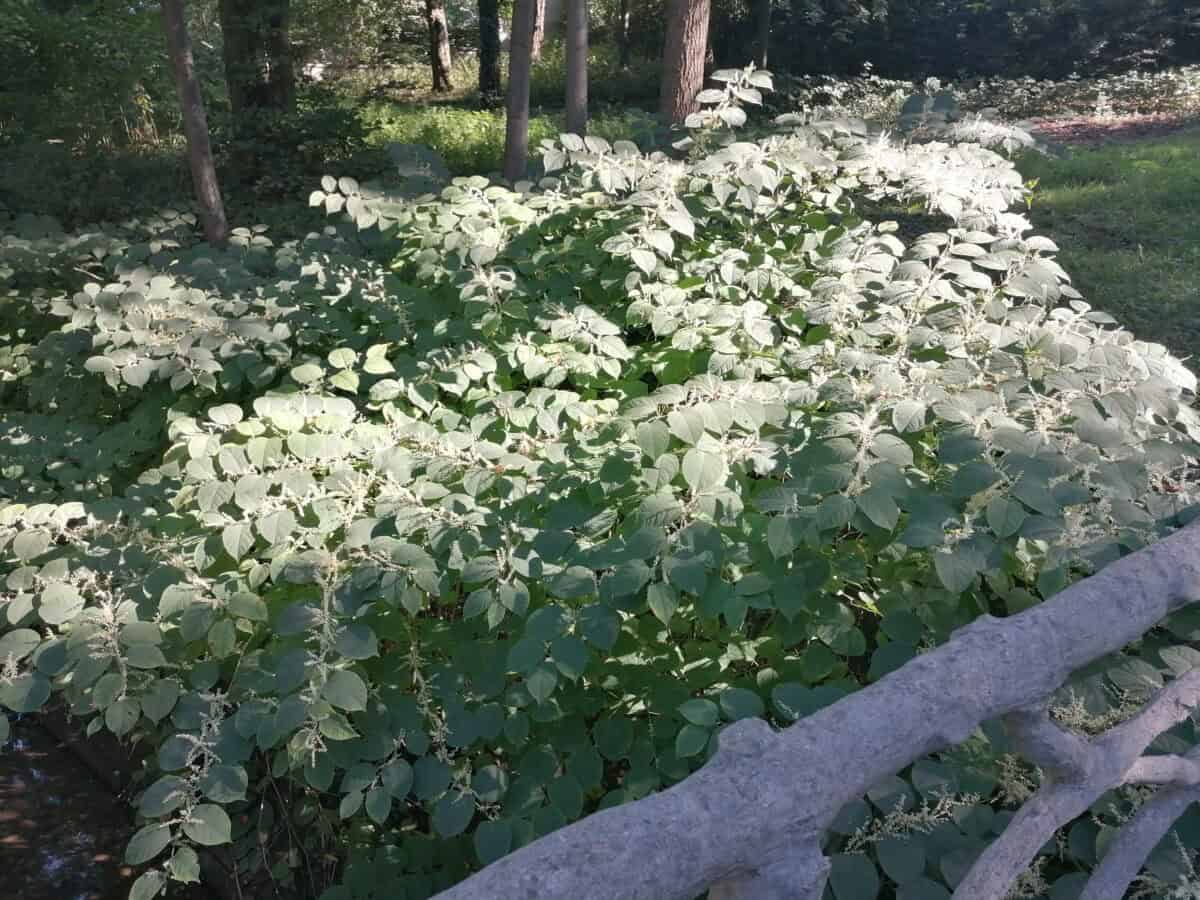
Despite the formidable challenges, some communities have achieved remarkable success in controlling Japanese knotweed through persistent, coordinated efforts. The Knotweed Control Program in King County, Washington, represents one such success story. By implementing a watershed-based approach that addresses infestations from upstream to downstream, and combining professional treatments with extensive community education, the program has significantly reduced knotweed populations in targeted watersheds. In New York’s Catskill region, the Catskill Regional Invasive Species Partnership (CRISP) has developed a multi-year knotweed management program that incorporates early detection, rapid response protocols, and strategic prioritization of ecologically significant areas. Their work has successfully restored native vegetation to several important riparian corridors. In Vermont, the Nature Conservancy’s Knotweed Knockout program has mobilized volunteers to map and treat knotweed infestations while educating landowners about prevention and control methods. These success stories share common elements: sustained commitment over multiple years, watershed-scale coordination across property boundaries, integration of multiple control techniques, and strong community involvement. While complete eradication remains elusive in heavily infested regions, these examples demonstrate that strategic, persistent management can effectively reduce knotweed’s impact and restore native ecosystem functions.
How Individual Property Owners Can Fight Knotweed
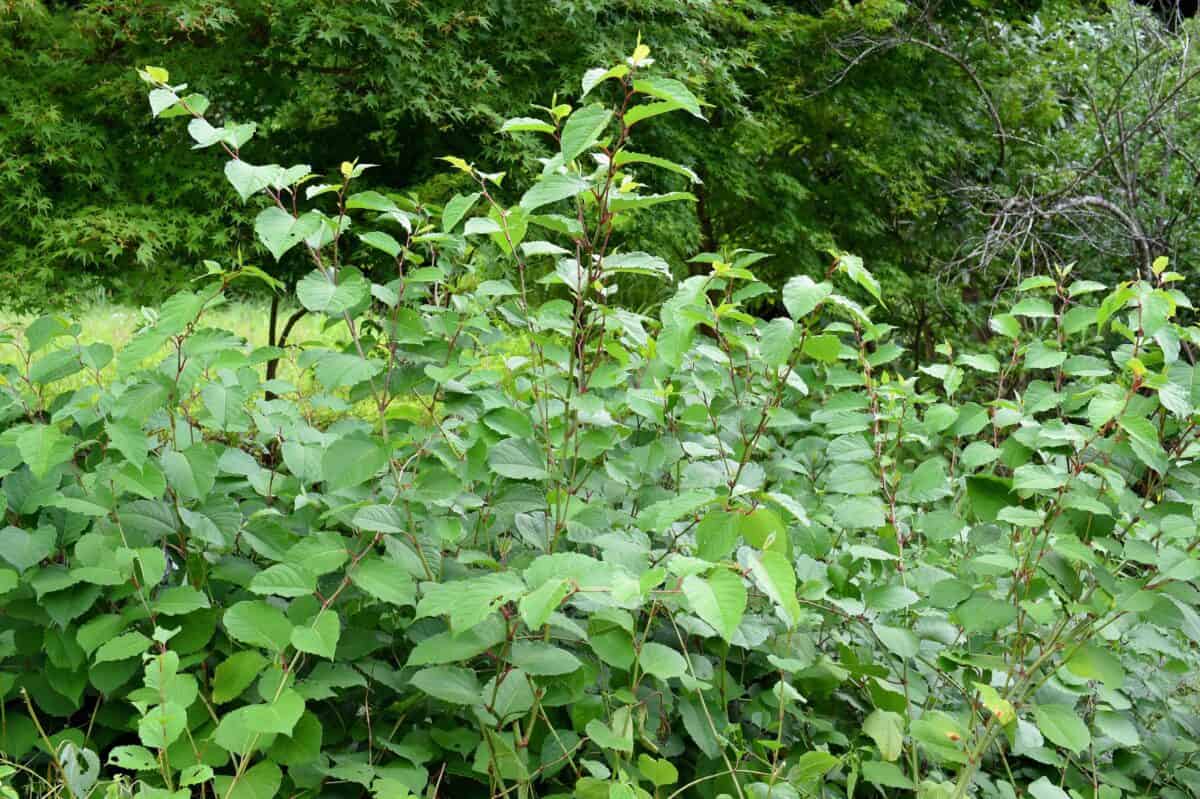
Individual landowners play a crucial role in the battle against Japanese knotweed, as private properties often serve as reservoirs for the reinfestation of managed areas. For small, newly established patches, physical control can be effective if implemented diligently. This involves cutting stems close to the ground every two weeks throughout the growing season to exhaust the plant’s energy reserves stored in the rhizomes. All cut material must be carefully disposed of—never composted—as stems can readily root and establish new plants. For more established infestations, a combination of cutting followed by targeted herbicide application often yields the best results. Glyphosate-based herbicides applied in late summer or early fall, when the plant is drawing nutrients down to its rhizomes, can effectively deliver the chemical to the root system. Property owners should consider consulting with professional applicators for large infestations, particularly near waterways where special permits may be required. Equally important is vigilant monitoring for regrowth in subsequent years, as missed fragments will quickly re-establish. Replanting treated areas with competitive native species helps prevent reinvasion and restores ecosystem services. Many counties offer invasive species management assistance programs that can provide guidance, resources, and sometimes financial assistance to property owners tackling knotweed infestations.
Policy and Legislative Approaches to Invasive Plants
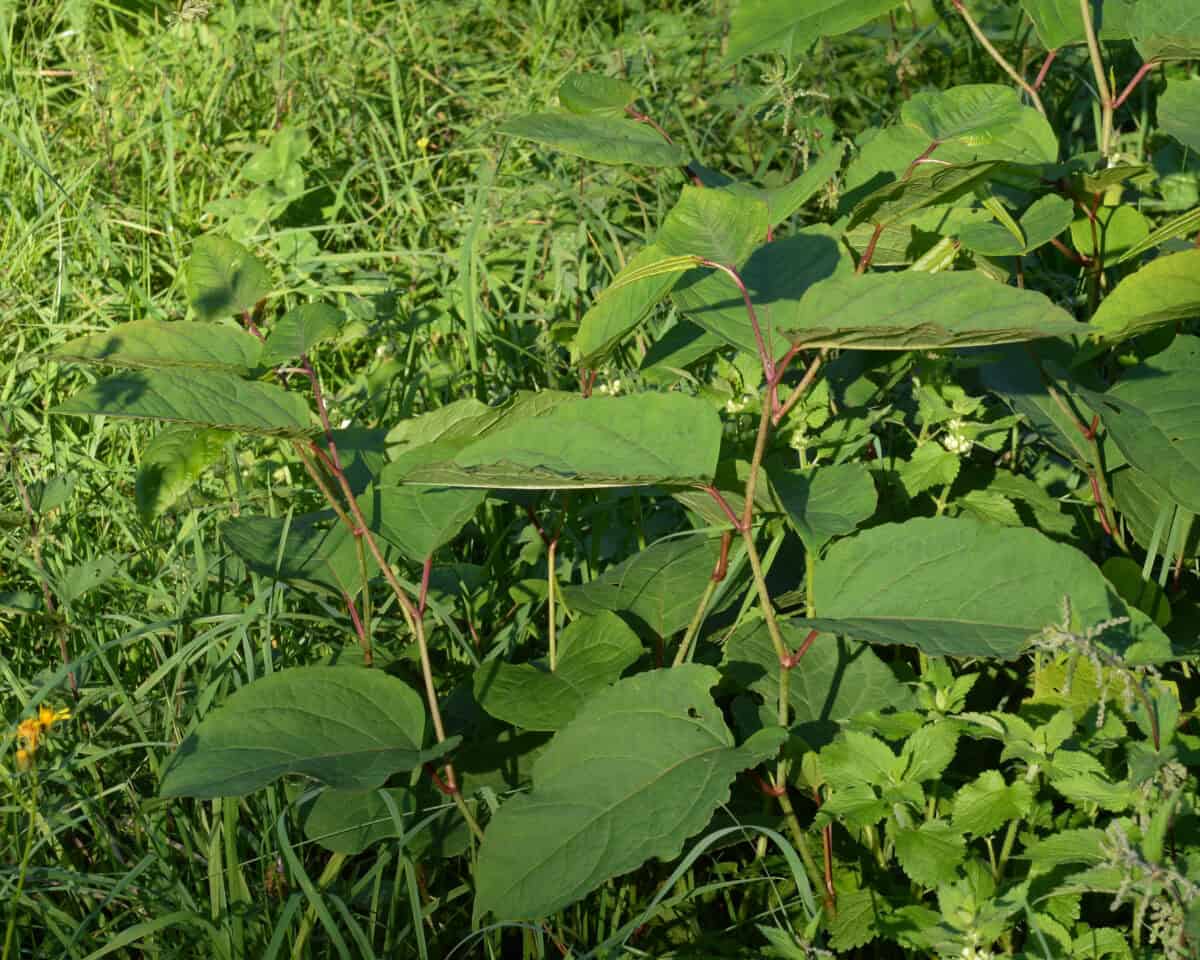
Effective management of Japanese knotweed and other invasive plants requires robust policy frameworks at federal, state, and local levels. The federal Noxious Weed Act and Plant Protection Act provide broad authority for regulating invasive plants, but implementation often falls to states, resulting in a patchwork of regulations. Currently, Japanese knotweed is listed as a noxious weed in 12 states, including Washington, Oregon, California, and several northeastern states, making its sale and transport illegal in these jurisdictions. However, it remains legally available in many states despite its known invasiveness. Progressive policy approaches include “dirty list” systems that prohibit known invasives, “clean list” systems that only allow thoroughly vetted species, and mandatory risk assessments for new plant introductions. Some municipalities have implemented ordinances requiring landowners to control knotweed on their properties, though enforcement remains challenging. Increased funding for early detection and rapid response programs represents another crucial policy direction, as controlling new infestations before they become established is far more cost-effective than managing widespread invasions. Experts advocate for greater coordination between jurisdictions and strengthened import regulations to prevent future invasive plant introductions, applying the precautionary principle to potentially harmful species.
The Future: Climate Change and Japanese Knotweed
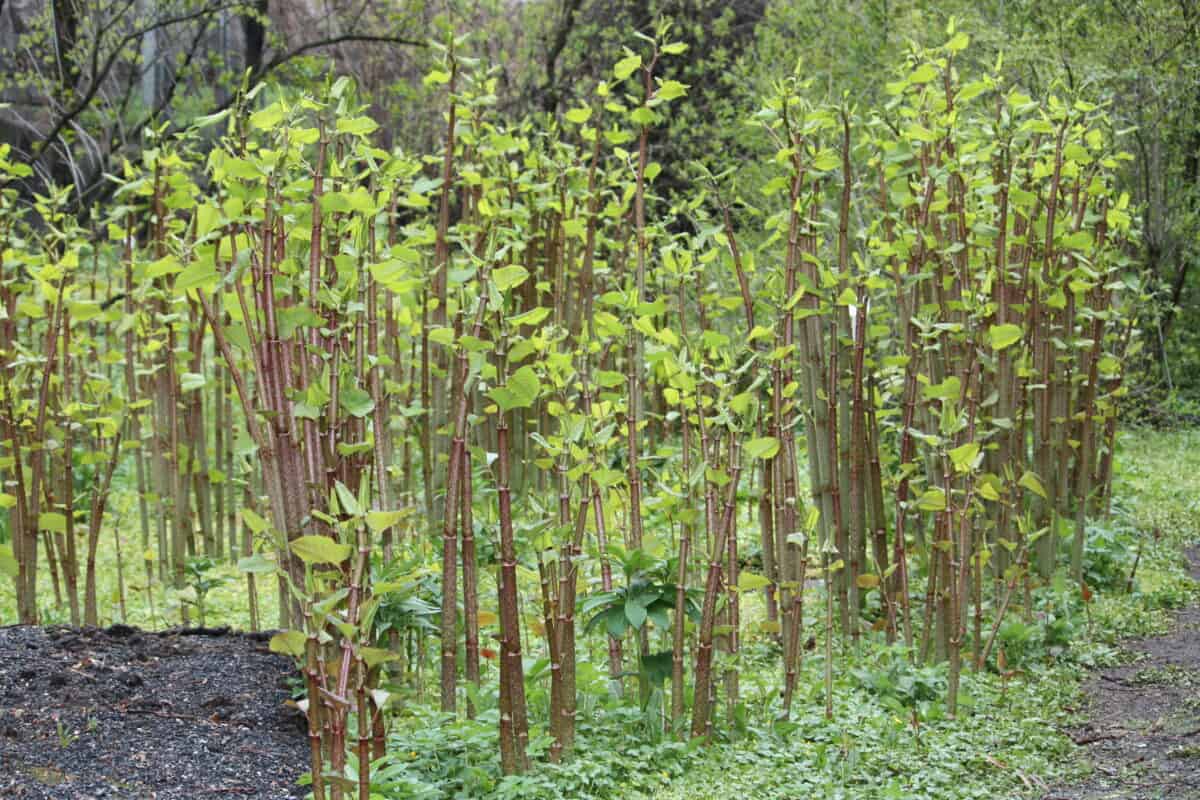
Climate change introduces new variables into the Japanese knotweed equation, potentially altering its invasive potential across the United States. Research suggests that warming temperatures may extend knotweed’s growing season and expand its suitable habitat northward, while also potentially stressing the plant in areas experiencing increased drought. Models predict that by 2050, knotweed could expand its range by up to 20% in northern states, while potentially losing some territory in southern regions where heat stress may exceed its physiological tolerances. The plant’s exceptional adaptability raises concerns that it may evolve in response to changing conditions more rapidly than native species, potentially widening its competitive advantage. Additionally, climate-driven increases in extreme weather events like floods may facilitate knotweed’s spread, as floodwaters effectively disperse rhizome fragments downstream. Climate change may also affect control methods, with altered precipitation patterns potentially reducing herbicide effectiveness or changing optimal treatment timing. These complex interactions between climate change and biological invasion highlight the need for adaptive management strategies that anticipate shifting conditions and proactively address emerging threats before they become unmanageable.
Conclusion: The Ongoing Battle for America’s Native Ecosystems
Japanese knotweed represents one of the most formidable threats to America’s native ecosystems, transforming landscapes through its relentless growth, displacement of native species, and alteration of fundamental ecological processes. The plant’s biological advantages—rapid growth, regenerative capacity, allelopathic effects, and adaptability—make it an exceptionally successful invader that continues to expand its range despite considerable control efforts. However, the increasing scientific understanding of knotweed’s biology, combined with innovative management approaches and growing public awareness, offers reason for cautious optimism. Success stories from communities across the country demonstrate that while complete eradication may be unrealistic in heavily infested areas, strategic management can effectively reduce knotweed’s impacts and restore native ecosystem functions. Moving forward, the battle against Japanese knotweed will require sustained commitment from individuals, communities, and policymakers, along with increased investment in research, early detection systems, and coordinated management efforts that transcend property and jurisdictional boundaries.

- Scientists Are Using Whale Songs to Map the Ocean Floor - August 2, 2026
- The Frog That Freezes and Comes Back to Life - August 2, 2026
- Penguins: The Only Flightless Birds That Thrive in the Ocean - August 2, 2026