

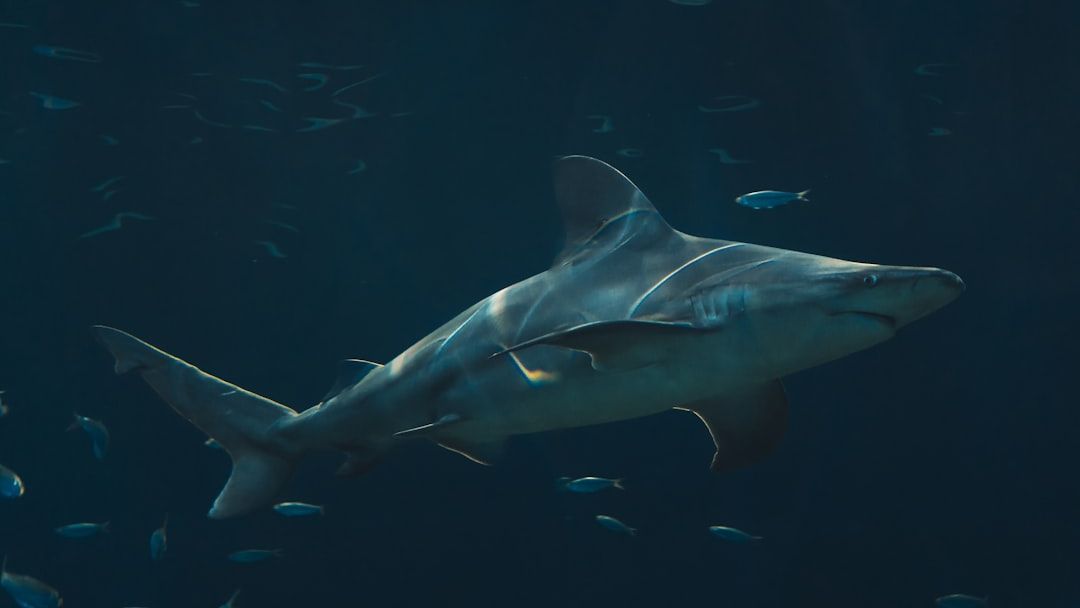
Few creatures on Earth have captured our collective imagination quite like sharks. They’ve been swimming through our oceans for hundreds of millions of years, long before dinosaurs ever walked the land, and yet most of what the average person “knows” about them is filtered through blockbuster movies and sensational headlines.
Here’s the thing – sharks are genuinely one of the most extraordinary animals on the planet, and the real story is far more interesting than any horror film could portray. From their bizarre anatomy to their almost supernatural senses, there’s a depth to these animals that most people never get to appreciate. Let’s dive in.
Sharks Are Older Than You Can Possibly Imagine
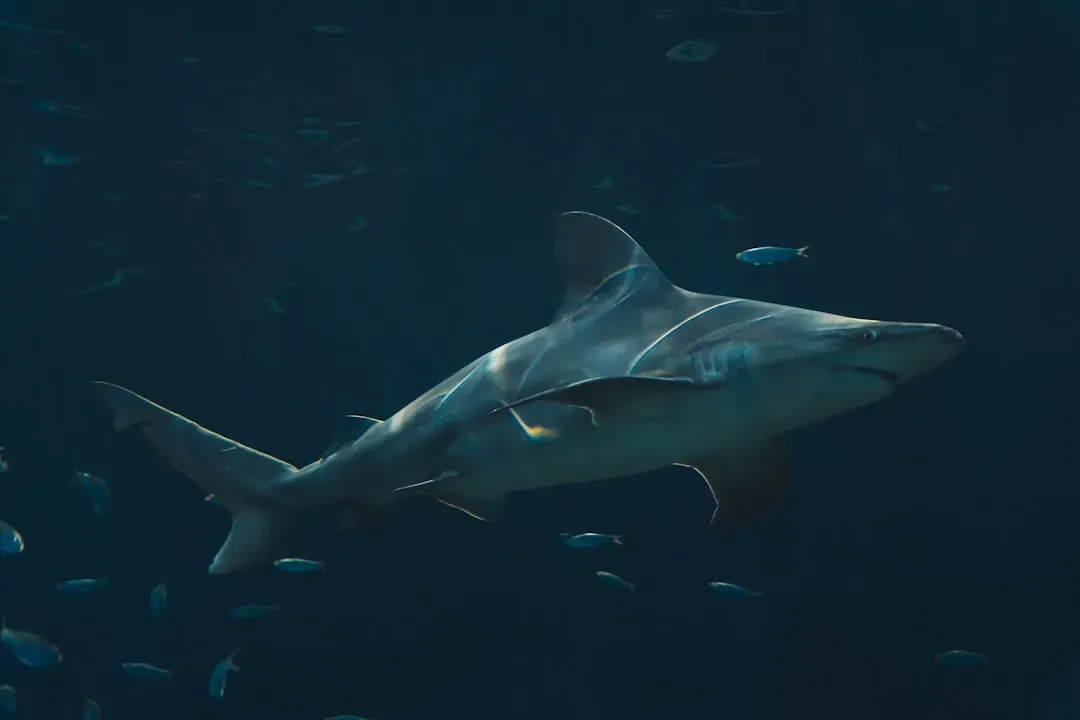
Let’s start with a fact that honestly blew my mind the first time I came across it. Sharks have existed for roughly 450 million years, making them older than trees. Trees. The things we consider ancient landmarks of nature didn’t even exist yet when sharks were already cruising prehistoric oceans.
To put that into perspective, sharks survived all five of Earth’s major mass extinction events, including the one that wiped out the dinosaurs roughly 66 million years ago. That’s not just resilience – that’s evolutionary perfection on a timescale that’s almost impossible to comprehend. Their basic body plan has remained so effective for so long that nature barely needed to tinker with it.
There are now more than 500 known species of sharks alive today, ranging from the dwarf lanternshark (small enough to fit in your hand) to the whale shark, which can reach lengths of around 40 feet. The variety is staggering.
Their Bodies Are Built From Something Surprisingly Unusual
Unlike most fish, sharks don’t have a skeleton made of bone. Their entire internal framework is composed of cartilage, the same flexible material that makes up your nose and ears. This makes them lighter, more flexible, and far more agile in the water than their size might suggest.
This cartilage-based structure is also one reason why shark fossils are relatively rare. Cartilage doesn’t preserve as well as bone, so most of what paleontologists find are teeth and scales rather than full skeletal remains. Considering sharks produce thousands of teeth over a lifetime (replacing them in conveyor-belt fashion), there’s at least no shortage of dental evidence.
Their skin is another marvel entirely. It’s covered in tiny tooth-like structures called dermal denticles, which reduce drag and turbulence as the shark moves through water. Swimsuit designers have actually studied this structure closely, and it has inspired real engineering innovations.
Senses That Make Human Perception Look Almost Primitive
Sharks operate with a sensory toolkit that is, honestly, kind of humbling. They can detect electrical fields generated by the muscle movements of other animals using specialized organs called the ampullae of Lorenzini, clustered around their snouts. A shark can sense a heartbeat from several feet away through water.
They also possess a lateral line system, a row of pressure-sensitive cells running along their body, that detects vibrations and movement in the surrounding water. Combine that with an acute sense of smell, capable of detecting blood in tiny concentrations across vast distances, and you start to understand why they’ve been such successful predators for so long.
Their vision, often underestimated, is also surprisingly sharp. Many species have a reflective layer behind the retina called the tapetum lucidum (the same thing that makes cat eyes glow in the dark) which amplifies available light and allows them to see well in dim conditions. They are, in almost every sensory dimension, built for the hunt.
What Sharks Actually Eat (It’s Not Mostly Humans)
Pop culture has done a remarkable disservice to sharks when it comes to their diet. The vast majority of shark species primarily feed on fish, squid, crustaceans, and marine mammals like seals. Great whites, the most feared species, are apex predators that tend to target energy-rich prey like elephant seals.
Humans are genuinely not on the menu. Unprovoked shark attacks, while real and occasionally fatal, are statistically rare. In any given year, the global number of fatal unprovoked shark attacks sits in the single digits. Compare that to the hundreds of millions of sharks killed by humans annually through fishing and finning, and the predator-prey relationship looks very different than Hollywood suggests.
The whale shark and basking shark, two of the largest species alive, are filter feeders. They cruise slowly with their enormous mouths open, consuming plankton and tiny organisms. Terrifying, they are not.
Reproduction and Life History Are Surprisingly Complex
Sharks reproduce in ways that vary wildly across species, which surprises a lot of people who assume all sharks lay eggs or all give live birth. The reality is that sharks use at least three distinct reproductive strategies. Some species are oviparous, laying eggs in protective cases sometimes called “mermaid’s purses.” Others are viviparous, giving birth to live young in a manner broadly similar to mammals.
Then there’s ovoviviparity, where eggs hatch inside the mother’s body and the young are born live. In some species, like the sand tiger shark, embryos actually consume their siblings inside the womb in a process called intrauterine cannibalism. Nature doesn’t sugarcoat things.
Shark development is slow, with many species taking years or even decades to reach sexual maturity. The Greenland shark, a deep-water species, is believed to live for several centuries and may not reproduce until it’s around 150 years old. That’s an extraordinary life history that makes overfishing especially devastating for population recovery.
The Vital Role Sharks Play in Ocean Ecosystems
It’s easy to think of sharks purely as killing machines, but that framing misses something crucial. As apex predators, sharks regulate the populations of species below them in the food chain. Without them, prey species can multiply unchecked, disrupting the balance of entire marine ecosystems in what ecologists call a trophic cascade.
There are real-world examples of this. In areas where shark populations have collapsed due to overfishing, researchers have documented explosions in ray and skate populations, which then devastate shellfish populations. Remove the shark, and the whole system starts to wobble. The oceans, in a very real sense, need sharks the way forests need wolves.
Sharks also play a role in nutrient cycling by consuming sick and dying animals, essentially acting as the ocean’s clean-up crew. Their presence keeps prey populations not just numerically regulated, but genetically healthier by targeting the weakest individuals.
Sharks Are Under Serious Threat and It Demands Attention
Here’s a reality that doesn’t get nearly enough coverage. Sharks are in serious trouble. Overfishing, bycatch, habitat destruction, and the shark fin trade have pushed many species toward genuine endangerment. It’s estimated that tens of millions to over a hundred million sharks are killed by humans each year. Entire populations of certain species have declined by more than half within living memory.
The shark fin trade is particularly troubling. Fins are sliced from live sharks, which are then thrown back into the ocean unable to swim, where they sink and die. All of this for a soup that has more cultural significance than nutritional value. Conservation organizations and some governments have made progress in banning finning, but enforcement remains inconsistent across international waters.
The good news is that public awareness around shark conservation has grown substantially over the past decade. Research programs, marine protected areas, and changing attitudes among younger generations are offering some genuine reasons for optimism. Sharks survived five mass extinctions – the real question now is whether they can survive us.
Conclusion: It’s Time to Rethink the Shark
Sharks deserve a complete reputation overhaul. These animals are not mindless predators engineered purely for destruction. They are ancient, intelligent, ecologically vital, and in many ways, profoundly misunderstood.
The story of sharks is ultimately a story about balance. They exist at the very top of a finely tuned system that took hundreds of millions of years to develop, and their disappearance would send ripples through every layer of ocean life. I think we owe it to ourselves, and to the oceans, to care about what happens to them.
Next time you see a shark documentary that opens with ominous music and a slow camera pan, ask yourself what you’re not being shown. The truth is far more fascinating than the fear. What would you think differently about if you knew these creatures the way scientists do?

- Urban Coyotes Show Remarkable Adaptability, Learning to Thrive in City Environments - July 22, 2026
- Beavers Are Nature’s Engineers, Creating Vital Habitats for Other Wildlife Species - July 21, 2026
- The Recovery of the California Condor Offers Hope for Other Critically Endangered Birds - July 21, 2026