

In a groundbreaking discovery that challenges our understanding of life’s limits, scientists have identified a unique nematode worm species capable of not only surviving but thriving within ice. This extraordinary creature, found in Antarctica’s McMurdo Dry Valleys, represents one of the most extreme examples of cold adaptation in the animal kingdom. The discovery came when researchers were collecting ice core samples and noticed microscopic movement within what appeared to be solid ice when viewed under laboratory conditions. This finding opens new frontiers in our understanding of life in extreme environments and potentially expands the parameters for where life might exist beyond Earth.
Meet the Ice Worm: Plectus antarcticus

The ice-dwelling nematode has been identified as Plectus antarcticus, a member of the diverse phylum Nematoda. Unlike its relatives that typically inhabit soil or water, this specialized nematode has evolved unique adaptations allowing it to live within microscopic water channels in ice formations. Measuring less than 1 millimeter in length, these transparent roundworms are nearly invisible to the naked eye. Their cylindrical, unsegmented bodies are perfectly suited for navigating the narrow liquid water veins that form at the boundaries between ice crystals, even when surrounding temperatures drop well below freezing. The worm’s remarkable resilience makes it one of the most extreme examples of cold adaptation in multicellular organisms yet discovered.
The Science Behind Ice Microhabitats
The mystery of how these worms survive involves a fascinating phenomenon known as liquid water veins. Even in solid ice, microscopic channels of liquid water can exist, particularly at the junctions where multiple ice crystals meet. These liquid veins form due to the physics of freezing water and dissolved solutes, creating what scientists call a “three-dimensional network of water channels.” The channels, though incredibly small (often just micrometers in width), provide just enough space for the nematodes to move and feed. Remarkably, these microhabitats can remain unfrozen even at temperatures several degrees below the normal freezing point of water, creating a livable, if extreme, environment for specially adapted organisms.
Extraordinary Biological Adaptations
The ability of Plectus antarcticus to survive within ice involves remarkable biological adaptations at the cellular and molecular levels. These nematodes produce specialized proteins called ice-binding proteins or antifreeze proteins that prevent ice crystals from forming within their cells and tissues. Additionally, they synthesize high concentrations of cryoprotectants like glycerol and trehalose, which act as natural antifreeze compounds. Their cell membranes also contain unique lipid compositions that remain flexible at temperatures that would normally cause rigidity in most organisms. Perhaps most remarkably, these worms can enter a state of suspended animation called cryptobiosis when conditions become too extreme, essentially pausing their metabolic processes until conditions improve without suffering cellular damage.
Metabolic Marvels: Surviving with Minimal Energy
One of the most fascinating aspects of Plectus antarcticus is its extraordinary metabolic adaptations. In the ice environment where nutrients are scarce, these worms have evolved to function on an extremely low energy budget. Research indicates they can slow their metabolic rate to less than 1% of normal when necessary, essentially entering a state of “metabolic hibernation.” This allows them to survive for potentially years with minimal food intake. When active, they primarily feed on bacteria and microalgae that also inhabit the liquid water channels. Their digestive systems have evolved to extract maximum nutrition from minimal food sources, and they can rapidly ramp up their metabolism when food becomes temporarily abundant, such as during brief summer melts.
Reproductive Strategies in the Cold
Reproducing in such an extreme environment presents unique challenges, and Plectus antarcticus has evolved specialized reproductive strategies to ensure species survival. These nematodes are primarily parthenogenetic, meaning females can produce viable eggs without fertilization by males. This adaptation is crucial in environments where finding a mate might be nearly impossible. The eggs themselves contain high concentrations of protective compounds and can remain viable for years in a dormant state. When conditions briefly improve, perhaps during seasonal temperature fluctuations, the worms can quickly reproduce, with development time accelerated compared to related species. Some evidence suggests these worms can also engage in a form of “reproductive bet-hedging,” where they produce offspring with slightly different genetic adaptations to maximize survival chances across variable conditions.
Geographic Distribution and Habitat Range

While initially discovered in Antarctica’s McMurdo Dry Valleys, subsequent research has revealed that ice-dwelling nematodes are more widespread than initially thought. Similar species have been found in glacial ice in the Arctic, high-altitude glaciers in the Andes and Himalayas, and even in ice caves in temperate regions. This widespread distribution suggests that the adaptation to living within ice evolved multiple times or spread from a common ancestor. Interestingly, genetic analysis indicates that different populations show distinct adaptations to their specific ice environments. For instance, Arctic ice worms have slightly different antifreeze proteins than their Antarctic counterparts, suggesting parallel evolution. The complete habitat range remains unknown, as many remote glacial regions remain unexplored for microscopic life.
Research Challenges and Methodology

Studying organisms that live within ice presents unique scientific challenges that have required the development of specialized research techniques. Traditional sampling methods can disrupt or destroy the delicate microhabitats where these worms exist. Scientists have developed techniques to extract and analyze ice cores while maintaining the integrity of the internal liquid water channels. Special low-temperature microscopes allow researchers to observe the worms in their natural state without thawing. Molecular analysis requires careful extraction of genetic material from extremely small samples, often involving specialized PCR techniques. One particularly innovative approach involves using fluorescent dyes that can penetrate the ice matrix to visualize the three-dimensional networks where the worms reside without disturbing them. Despite these advances, many aspects of ice worm biology remain mysterious simply because of the extreme difficulty in studying them in their natural habitat.
Implications for Astrobiology

The discovery of nematodes thriving within ice has profound implications for the search for extraterrestrial life. Many celestial bodies in our solar system, including Mars, Europa (a moon of Jupiter), and Enceladus (a moon of Saturn), are known to have substantial ice formations. If life can adapt to exist within ice on Earth, similar microhabitats might harbor life elsewhere. NASA and other space agencies have taken particular interest in these findings, as they help establish parameters for what constitutes a potentially habitable environment. The liquid water veins that form within ice may represent one of the most widespread potential habitats in our solar system, vastly expanding where we might look for life. Some astrobiologists suggest that if we find life elsewhere, it might well be adapted to ice environments similar to what these nematodes inhabit, rather than the temperate conditions most Earth life requires.
Climate Change Impacts on Ice Worm Communities
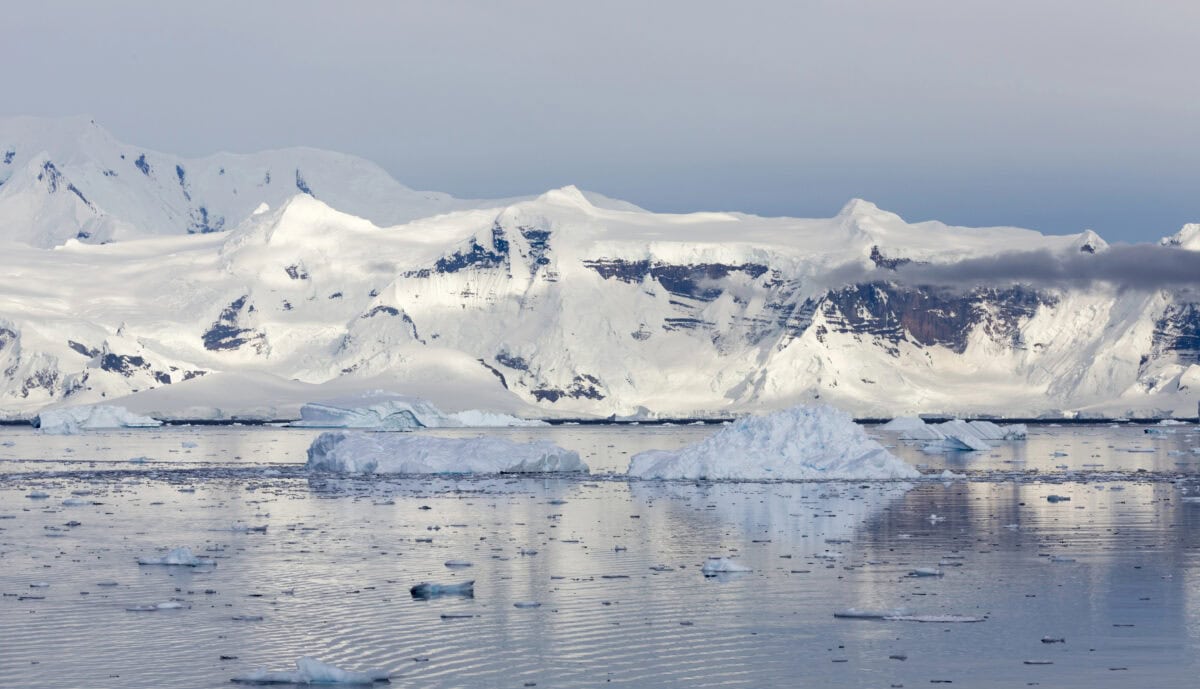
As Earth’s climate continues to warm, the specialized habitats of ice-dwelling organisms face existential threats. Glacial retreat and ice melt are occurring at unprecedented rates, potentially eliminating entire ecosystems before we fully understand them. Research suggests that ice worms may serve as sensitive indicators of climate change, with populations declining as their habitats literally melt away. Some species may be able to migrate to higher elevations or latitudes, but the speed of current climate change may exceed their adaptive capabilities. Paradoxically, these organisms that have evolved to survive some of Earth’s most extreme conditions may be particularly vulnerable to relatively small temperature increases that transform their ice habitats to water. Conservation biologists are working to identify key ice worm habitats and monitor population changes as potential early warning systems for broader ecological impacts of warming.
Potential Applications in Biotechnology
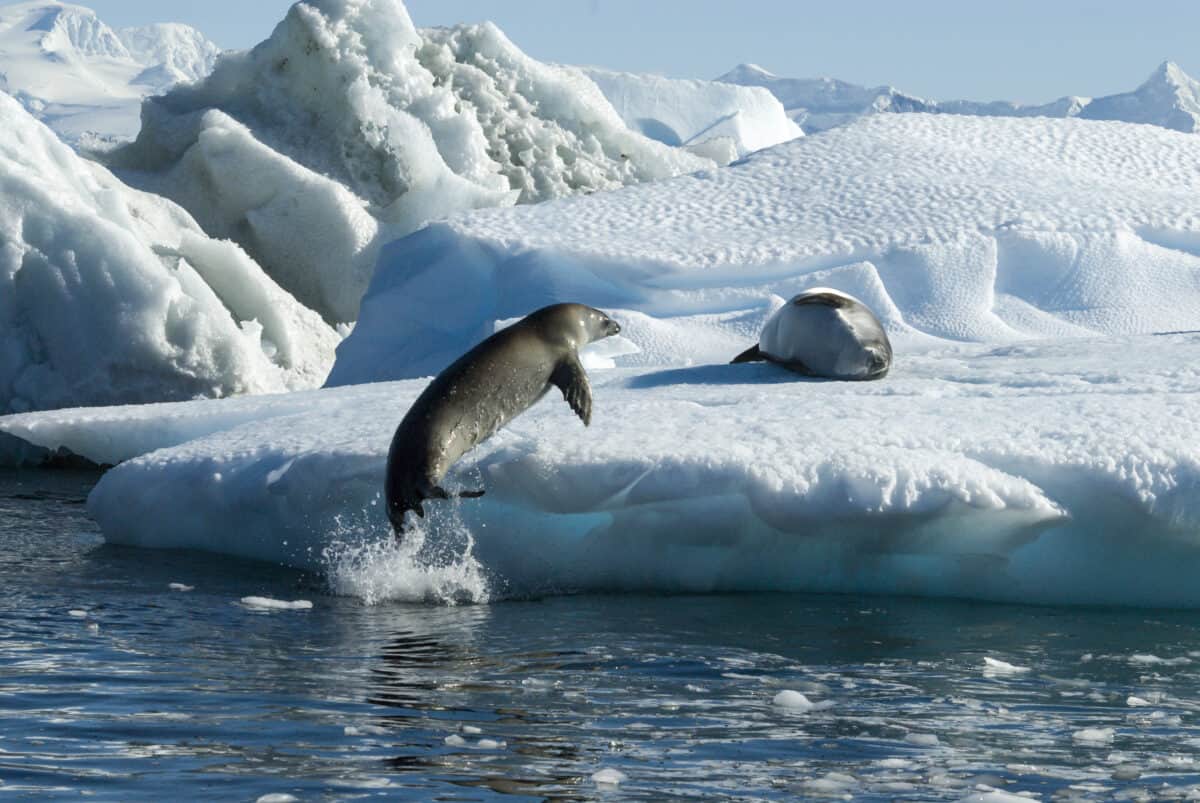
The unique adaptations of ice-dwelling nematodes offer promising applications in various biotechnological fields. The antifreeze proteins these worms produce are of particular interest to multiple industries. In medicine, these compounds could potentially improve organ preservation for transplantation by preventing ice crystal formation in tissues. The food industry is exploring using similar proteins to improve frozen food textures by preventing the formation of large ice crystals. Agricultural researchers are investigating whether genes for cold tolerance could be utilized to develop more frost-resistant crops. Additionally, the enzymes these organisms use to maintain cellular function at extremely low temperatures have potential applications in cold-temperature industrial processes, potentially reducing energy requirements. The worms’ ability to enter suspended animation also interests researchers developing methods for long-term cell and tissue preservation.
Connection to Ancient Life and Evolution

The existence of ice-dwelling nematodes provides fascinating insights into Earth’s evolutionary history, particularly during periods of extensive glaciation. During the “Snowball Earth” episodes approximately 700 million years ago, when most of the planet’s surface was covered in ice, similar microhabitats may have served as crucial refuges for life. Genetic analysis of ice worms suggests their adaptations began evolving millions of years ago, potentially coinciding with major glaciation events. Some evolutionary biologists propose that the ability to survive in ice may represent one of the oldest extreme environment adaptations, predating adaptations to other extreme environments like deep sea hydrothermal vents or hypersaline lakes. The study of these organisms provides a window into how life persists and adapts through major planetary transitions and may represent living fossils of survival strategies that allowed life to continue through some of Earth’s most challenging periods.
The Future of Ice Worm Research and Conservation

As our understanding of ice-dwelling organisms continues to evolve, scientists face both exciting opportunities and urgent challenges. The rapid acceleration of glacial melt worldwide creates a race against time to discover and document ice-dependent species before their habitats disappear. International research collaborations are forming to coordinate sampling efforts across global ice environments, standardize research methodologies, and establish repositories of genetic material from these unique organisms. Conservation efforts are complicated by the microscopic nature of these creatures and their extreme habitats, requiring novel approaches to habitat protection. Educational initiatives are also emerging to raise awareness about these remarkable organisms and their importance to biodiversity and scientific discovery. The future of ice worm research lies at the intersection of basic science, applied biotechnology, conservation biology, and climate science, making it one of the most interdisciplinary frontiers in modern biology.
Conclusion: Redefining the Boundaries of Life

The discovery and ongoing study of worms that can live inside ice represents a profound expansion of our understanding of life’s resilience and adaptability. These remarkable nematodes challenge long-held assumptions about the conditions necessary for complex organisms to survive and thrive. As we continue to explore and document Earth’s biodiversity, findings like these remind us that life often exceeds our expectations, evolving solutions to seemingly impossible environmental challenges. The story of ice-dwelling nematodes is far from complete, with each new study revealing additional layers of their remarkable biology. Perhaps most importantly, these tiny creatures inspire us to remain humble about claiming to understand life’s limits and to continue searching for life in places we once considered inhospitable.

- Why You Shouldn’t Chase Butterflies With Nets - July 22, 2026
- The Animal Kingdom’s Best Dads Ranked - July 22, 2026
- The Most Vulnerable Fish Species in U.S. Rivers Today - July 22, 2026