

Ever stared at the night sky and felt that odd mix of awe and existential dread? Well, buckle up because scientists just handed us another reason to feel small. Not only does the universe have an expiration date, as it turns out, that date got moved up dramatically. Imagine getting a text that says your favorite restaurant is closing next year instead of next century. Same energy, but with existence itself.
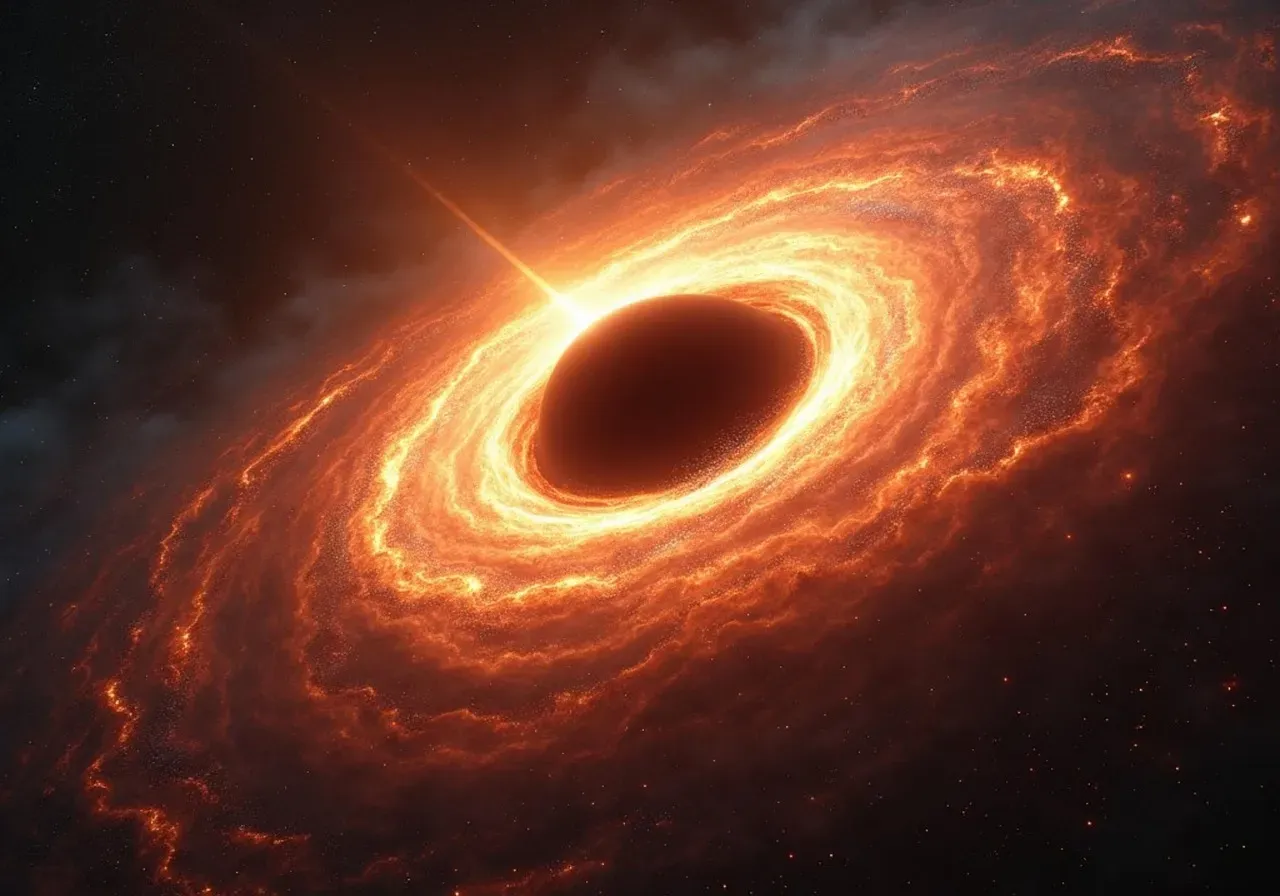
Researchers from Radboud University in the Netherlands have calculated a new timeline for when everything around us will simply evaporate into nothingness, and the universe will reach its ultimate end about 10 to the power of 78 years from now. Still sounds unfathomably far away, right? Yet this revised maximum age is dramatically shorter than the previously predicted figure of 10 to the power of 1,100 years. That’s cutting the cosmic lifespan shorter by an amount so vast it defies easy comprehension. The culprit? A refined understanding of how things decay through a process similar to Hawking radiation.
The Groundbreaking Discovery That Changes Everything
🔥 Would you like to save this?
We'll email this post to you, so you can come back to it later!
Dutch researchers discovered that all massive objects leak energy through gravitational pair production, a process that scientists believed for decades only happened to black holes through Hawking radiation. This team, composed of astrophysicist Heino Falcke, quantum physicist Michael Wondrak, and mathematician Walter van Suijlekom, initially published their groundbreaking theory back in 2023.
The trio theorized that objects besides black holes could slowly evaporate away via Hawking radiation, stirring up considerable curiosity within the scientific community. Their follow-up calculations provide actual timelines for this cosmic decay. The calculations on Hawking radiation show that stellar remnants will take roughly 10 to the power of 78 years to perish, and the researchers have published their findings in the Journal of Cosmology and Astroparticle Physics.
Why Black Holes Aren’t The Only Things That Disappear
🔥 Would you like to save this?
We'll email this post to you, so you can come back to it later!
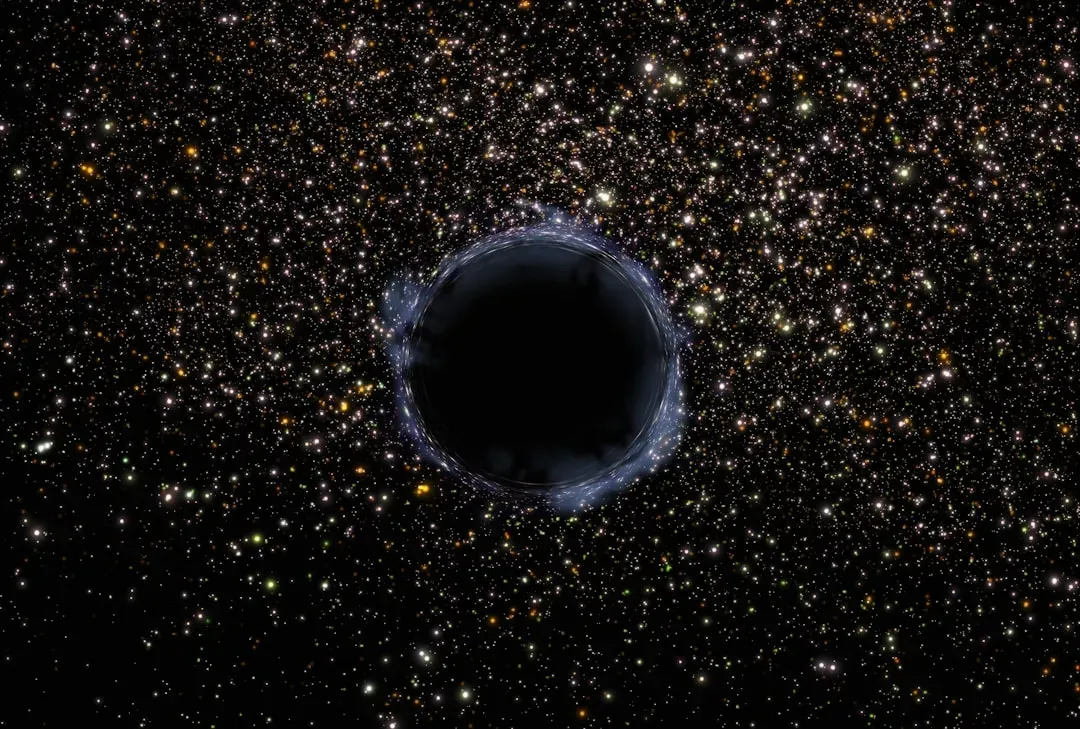
Here’s where it gets wild. All large objects in the universe, including remnants of stars, will eventually evaporate. This contradicts what many had believed about the permanence of celestial objects. Stephen Hawking’s original 1975 theory suggested that particles could escape from black holes when quantum particle pairs formed near the event horizon, with one particle getting pulled in while the other escaped as radiation.
The new study showed that particles can also be created far beyond the event horizon, demonstrating a new form of radiation in addition to the well-known Hawking radiation. Gravity and the curvature of spacetime itself cause this radiation, with the curvature playing a big role in creating radiation far beyond a black hole. In other words, you don’t need the extreme conditions right at a black hole’s edge for this evaporation effect to happen.
Neutron Stars And White Dwarfs Face The Same Fate
🔥 Would you like to save this?
We'll email this post to you, so you can come back to it later!
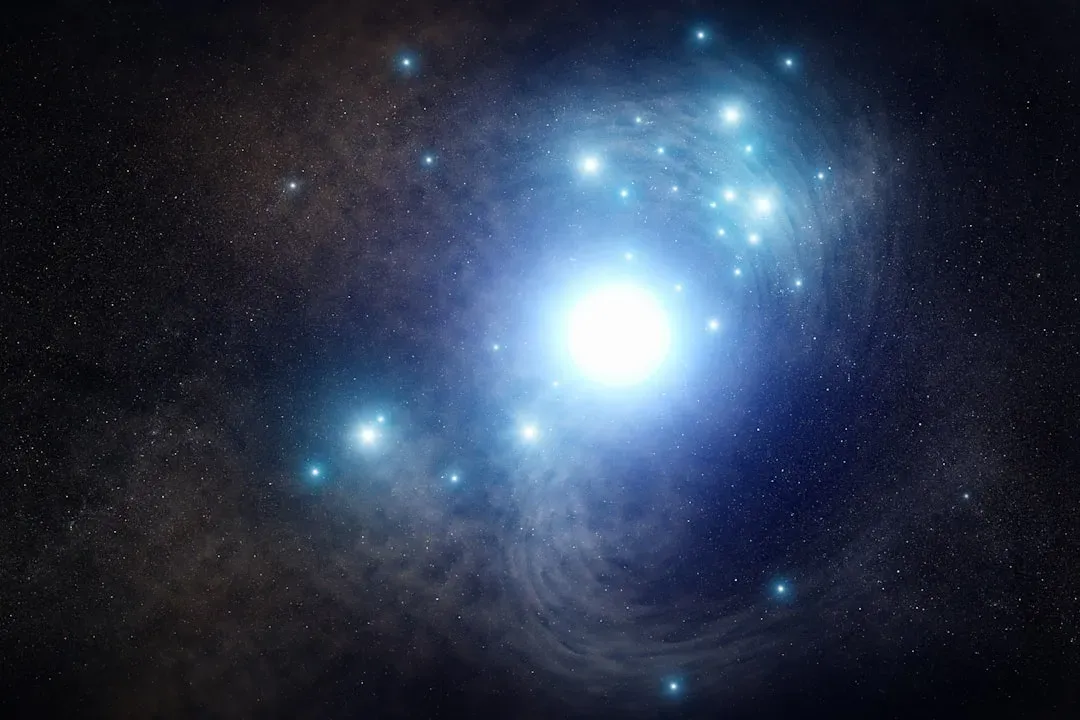
Neutron stars have a maximum lifetime of approximately 3.4 times 10 to the power of 67 years, comparable to low-mass stellar black holes, while white dwarfs would last much longer at about 3.3 times 10 to the power of 78 years. Honestly, those numbers make my brain hurt. What’s surprising isn’t just how long these objects survive, but that researchers found something counterintuitive about the decay rates.
The team discovered that neutron stars and stellar-mass black holes decay over the same timescale, about 10 to the power of 67 years, which was unexpected since black holes have stronger gravitational fields and were thought to evaporate faster. Black holes have no surface and reabsorb some of their own radiation, which inhibits the evaporation process. Think of it like trying to dry off while standing in the rain.
Even You And The Moon Will Eventually Vanish

🔥 Would you like to save this?
We'll email this post to you, so you can come back to it later!
The researchers didn’t stop at cosmic objects. They also calculated how long it takes for the Moon and a human to evaporate via Hawking-like radiation, which turned out to be about 10 to the power of 90 years. Let’s be real, you probably have more pressing concerns than whether you’ll evaporate in an unimaginable span of time.
The researchers subtly note that there are other processes that may cause humans and the Moon to disappear faster than calculated. A bit of scientific understatement there. Still, the fact that the equations apply to literally everything with mass is genuinely mind-bending. Objects evaporate in a process similar to Hawking radiation, with the densest disappearing the fastest.
How Density Determines Your Cosmic Expiration Date
🔥 Would you like to save this?
We'll email this post to you, so you can come back to it later!
The evaporation time of objects emitting Hawking radiation depends solely on their densities because this general form of decay is driven by the curvature of spacetime itself rather than by the presence of an event horizon. In practical terms, the denser an object, the faster it goes poof. Dense neutron stars don’t last as long as less-dense white dwarfs, for instance.
The researchers calculated a maximum stable density scale of approximately 3 times 10 to the power of 53 grams per cubic centimeter, above which objects would have already evaporated during the current age of the universe. So hypothetically, if something were that incredibly dense, it wouldn’t even exist right now. The universe has already had enough time to erase it from existence.
What This Means For The Ultimate End Of Everything
🔥 Would you like to save this?
We'll email this post to you, so you can come back to it later!
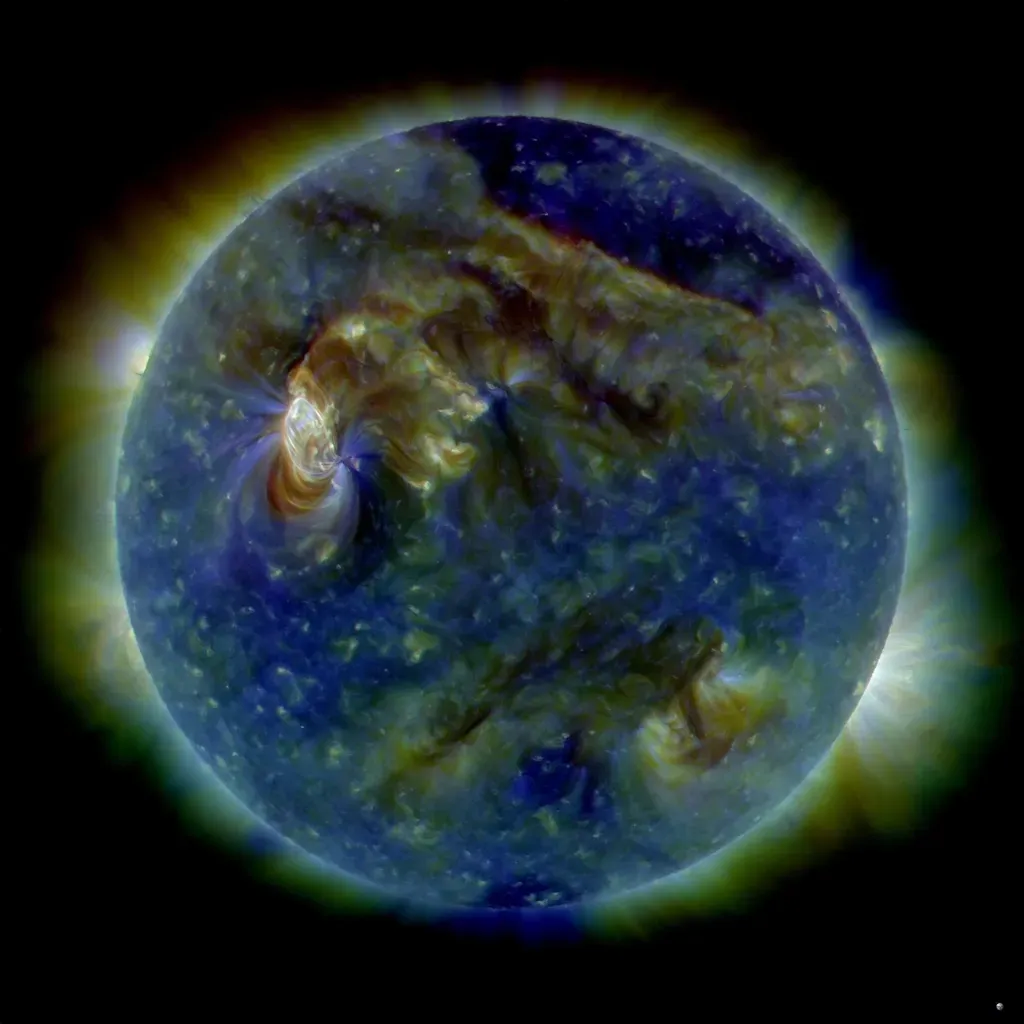
Despite its spectacular birth, the universe will most likely eventually fade into nothingness with very little drama, sooner than scientists previously thought. No massive explosion. No grand finale. Just a slow, inevitable dissipation into particles and radiation floating through the void.
The last days will not erupt into a cataclysmic explosion worthy of special effects, and instead the last remaining vestiges of all matter will just evaporate into particles floating in the void. There’s something oddly poetic about that, isn’t it? The universe that began with the ultimate bang ends with the ultimate whimper. This maximum age for the universe is far lower than the previously predicted value, and the prior hypothesis did not factor in the evaporation of objects other than black holes.
Why This Research Matters Beyond The Distant Future
🔥 Would you like to save this?
We'll email this post to you, so you can come back to it later!
The research represents an exciting collaboration combining astrophysics, quantum physics and mathematics, and by asking these questions and examining extreme cases, scientists want to better understand the theory and perhaps one day unravel the mystery of Hawking radiation. Sometimes the value of research isn’t about predicting what happens in incomprehensible timescales. It’s about understanding the fundamental rules that govern reality itself.
This changes not only our understanding of Hawking radiation but also our view of the universe and its future. The implications ripple outward into theoretical physics, quantum mechanics, and our philosophical grasp of permanence and impermanence. Everything we see, including the stars that seem so eternal, is just temporary when you zoom out far enough.
The Universe Still Has Plenty Of Time Left
🔥 Would you like to save this?
We'll email this post to you, so you can come back to it later!
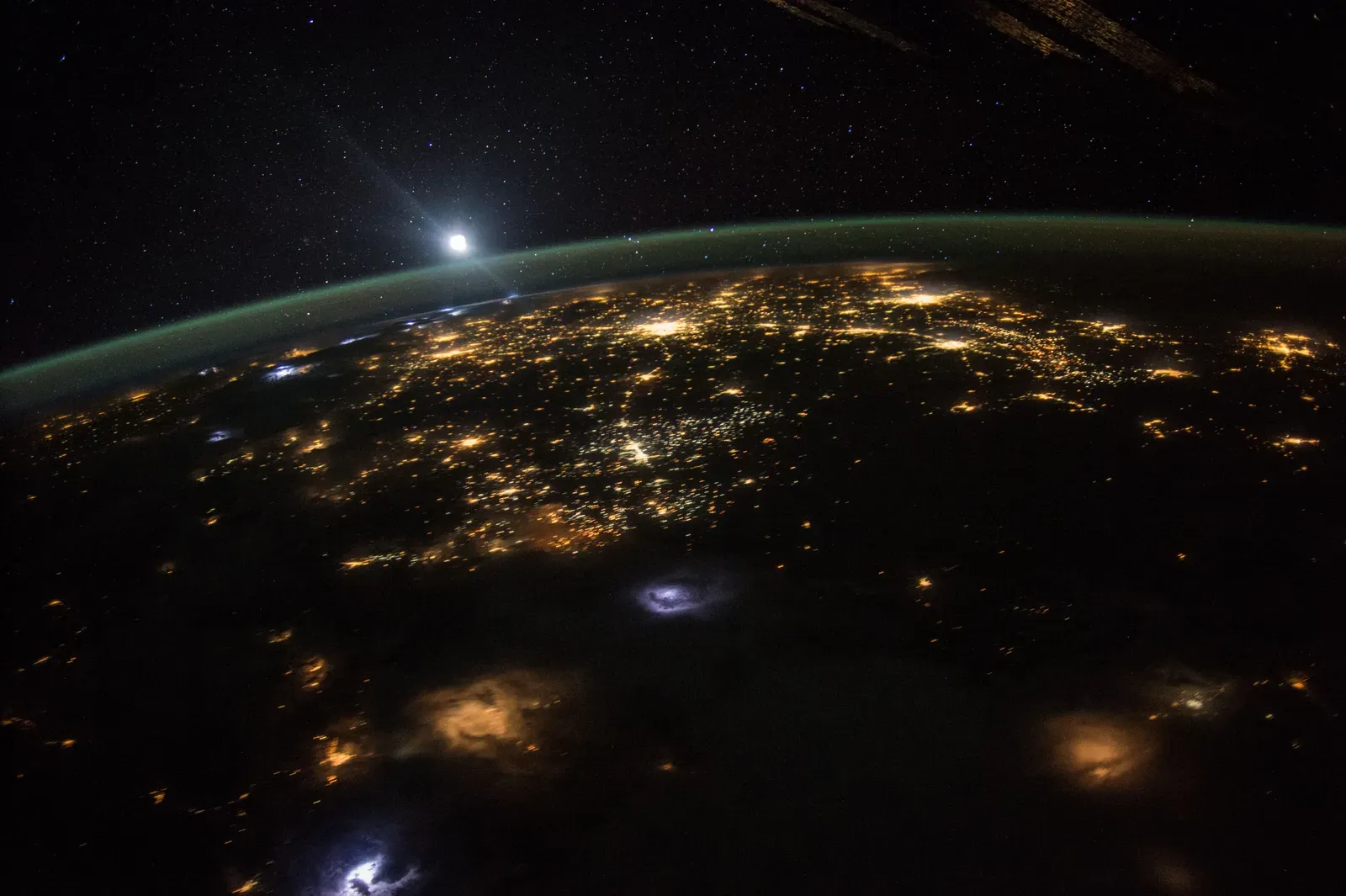
Before you start panicking, Earth still has about 5 billion years left until it gets devoured by the Sun. Plenty of time to finish that series you’ve been meaning to watch. If humanity manages to propagate beyond the Solar System and colonize some distant moon or planet, there are still another approximately 10 to the power of 78 years left for the universe, which is 1 with 78 zeroes after it.
Lead author Heino Falcke noted that the ultimate end of the universe comes much sooner than expected, but fortunately it still takes a very long time. It’s that classic scientific perspective: technically catastrophic news delivered with measured calm. The universe might be doomed to evaporate, but not on any timescale that you, your descendants, or even entire future civilizations need to worry about.
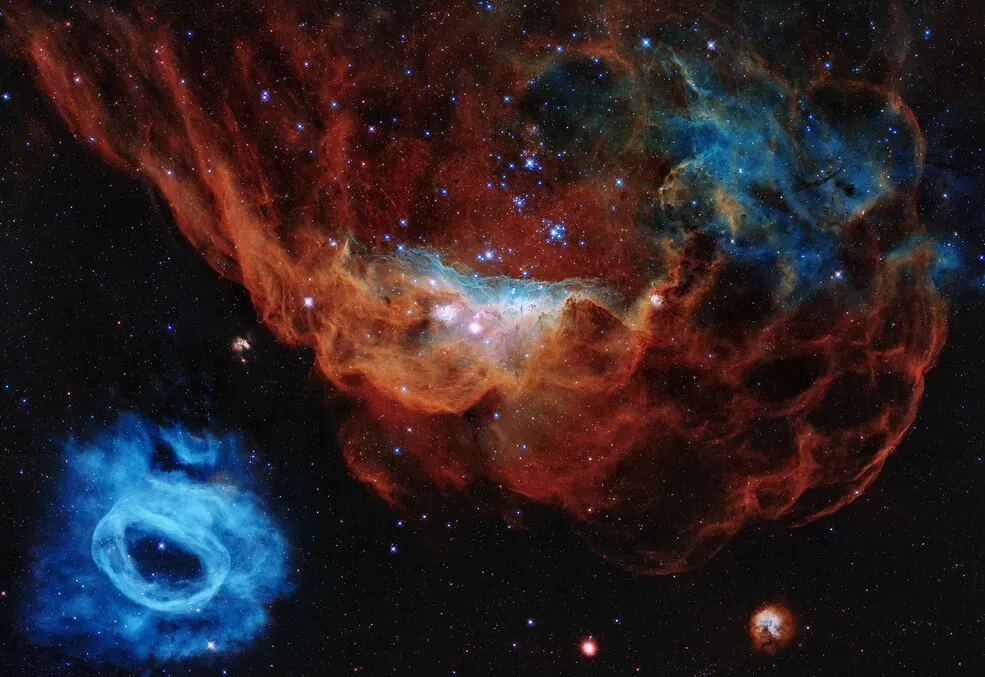
So what do we take away from all this? Maybe it’s a reminder that nothing lasts forever, not even the mightiest black holes or the brightest stars. The universe has an expiration date stamped on it, and while scientists just moved that date significantly closer, it’s still so far in the future that it remains essentially abstract. What would you have guessed the lifespan of everything would be?

- 7 Everyday Habits That Can Make Your Senior Dog Happier - November 5, 2026
- 10 Enigmatic Structures That Continue to Puzzle Scientists Today - November 5, 2026
- 10 Strange Ruins in the Americas That Challenge What We Know About Early History - November 5, 2026