

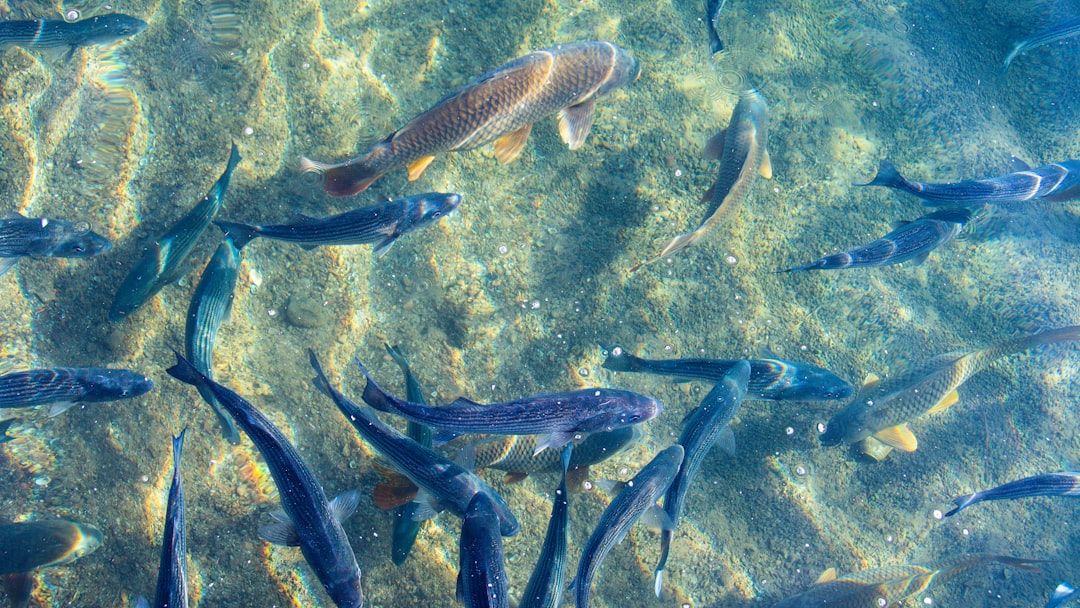
Something is quietly falling apart beneath the surface of the world’s rivers, and most people have absolutely no idea it’s happening. Freshwater fish migrations, one of nature’s most ancient and essential rhythms, are unraveling at a pace that should alarm every single one of us. These aren’t just fish stories. This is about food, ecosystems, and the health of rivers that billions of people depend on every single day.
The science is increasingly clear, and honestly, the findings are hard to sit with. Researchers are now documenting what many conservationists have feared for decades: migratory freshwater fish populations are in freefall across large parts of the globe. So let’s dive in and look at what’s really going on, why it matters so much, and what might still be done about it.
A Collapse Hidden in Plain Sight
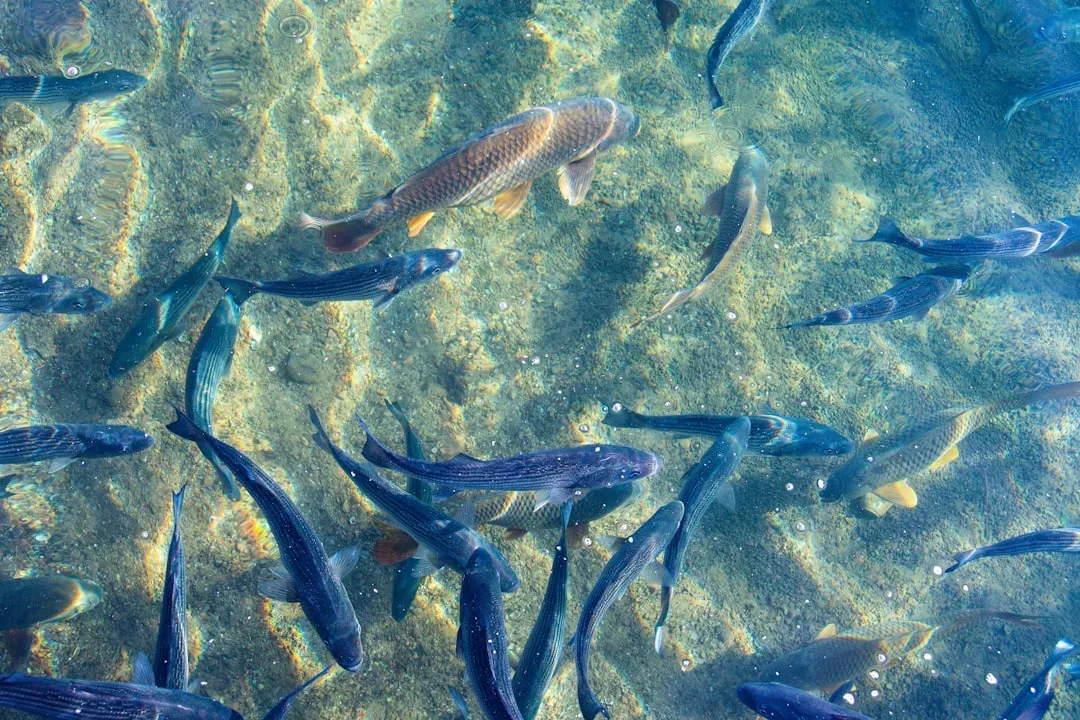
Here’s the thing most people don’t realize: freshwater fish represent an enormous portion of the world’s fish biodiversity, yet they occupy less than one percent of Earth’s water. That concentration makes them extraordinarily vulnerable. When something goes wrong in a river system, the damage is felt almost immediately throughout the entire food web.
Migratory species like salmon, sturgeon, eel, and dozens of lesser-known species travel hundreds or even thousands of kilometers to spawn, feed, and complete their life cycles. These journeys aren’t optional extras. They are absolutely fundamental to survival. Without successful migration, entire populations can fail to reproduce, and once numbers drop below a critical threshold, recovery becomes incredibly difficult.
What the Research Is Actually Telling Us
Scientists tracking freshwater migratory fish across multiple continents have found that populations have declined by staggering amounts over recent decades. Some estimates suggest that migratory freshwater fish populations have dropped by roughly two thirds since 1970. That’s not a gradual decline. That’s a collapse happening in real time, within a single human lifetime.
The research points to a combination of pressures working simultaneously, which is part of what makes this so difficult to address. It’s not one villain in this story. It’s many. Dams, pollution, water extraction, climate change, and invasive species are all piling onto fish populations that are already struggling to cope. Think of it like a person trying to run a marathon while also battling a fever, wearing the wrong shoes, and being chased.
Dams: The Great Barriers Blocking Ancient Routes
If there is one single human-made structure that has done more damage to migratory fish than anything else, it is the dam. There are now estimated to be well over a million dams worldwide, blocking rivers that fish have traveled freely for millions of years. Even relatively small barriers can be insurmountable obstacles for fish trying to reach upstream spawning grounds.
The irony is brutal. Many of these dams were built in the name of progress, providing hydroelectric power and irrigation for growing populations. Yet the downstream consequences for river ecosystems have been devastating and, in many cases, permanent. Fish passage solutions like ladders and bypass channels exist, but they are often poorly designed, inadequately maintained, or simply missing altogether on the vast majority of structures.
Climate Change Is Reshaping River Systems
Let’s be real: climate change is making everything harder for migratory fish. Rising water temperatures are altering the seasonal cues that fish rely on to time their migrations. Warmer rivers hold less oxygen. Snowmelt patterns are shifting. The whole calendar that freshwater ecosystems depend on is being scrambled.
For cold-water species like salmon and trout, even a modest increase in river temperature can push conditions past the threshold for survival during critical life stages. It’s hard to say for sure exactly how each species will adapt, if at all, but the early indicators are not encouraging. In some river systems, spawning runs are arriving earlier, at the wrong time, or simply failing to materialize in meaningful numbers.
Overfishing and Pollution Are Adding Serious Pressure
On top of habitat destruction and climate disruption, migratory freshwater fish are also being hit hard by overfishing, particularly in rivers and estuaries where populations are already fragile. In some regions, traditional fisheries that communities have relied on for generations are catching shadows of what they once harvested. The fish simply aren’t there in the same numbers anymore.
Agricultural runoff, industrial discharge, and plastic pollution are meanwhile turning rivers into chemical soups in many parts of the world. Nutrient pollution causes algal blooms that strip oxygen from water, creating dead zones where fish cannot survive. Pesticides and hormone-disrupting chemicals interfere with reproduction. It’s a relentless, multi-front assault on species that have survived ice ages but may not survive modern industrialization.
Why These Migrations Matter Far Beyond the Fish Themselves
Here’s something I find genuinely astonishing: when salmon migrate upstream and die after spawning, their bodies fertilize the surrounding forest. Bears, eagles, and other animals drag salmon carcasses into the surrounding trees, delivering marine-derived nutrients deep into terrestrial ecosystems. Remove the migration, and you don’t just lose the fish. You slowly starve the forest too.
Migratory fish also represent a critical food source for hundreds of millions of people, particularly in lower-income communities across Asia, Africa, and Latin America, where freshwater fish provide a disproportionately large share of dietary protein. The collapse of these migrations isn’t an abstract environmental concern. For many communities, it is a direct threat to nutrition, livelihoods, and cultural identity. The stakes genuinely could not be higher.
Is There Still Time to Turn This Around?
Honestly, this is where opinions diverge sharply among researchers and conservationists. Some point to genuinely inspiring success stories. The removal of dams on the Elwha River in the United States, for example, led to a remarkable resurgence of salmon populations. Targeted conservation efforts in parts of Europe have helped certain sturgeon and eel populations stabilize. Recovery is possible. It just requires serious political will and resources.
The broader picture remains sobering, though. A global problem of this scale demands global coordination, and that is always easier said than done. Protecting freshwater migratory fish will require a combination of dam removal, improved fish passage infrastructure, tighter regulations on pollution and water extraction, and meaningful action on climate change. None of that is simple. Yet the alternative, allowing these ancient migrations to fade away entirely, is not something any of us should be comfortable accepting.
Conclusion: A World Without These Migrations Is Poorer in Every Sense
The story of collapsing freshwater fish migrations is one of the most urgent and underreported environmental crises of our time. It sits at the intersection of biodiversity loss, food security, climate vulnerability, and the sheer hubris of assuming that nature will absorb whatever we throw at it indefinitely. Spoiler: it won’t.
What strikes me most is that this isn’t inevitable. These are not species being taken down by some unstoppable natural force. They are being pushed toward the edge by decisions, policies, and systems that humans built and that humans can change. The rivers are still there. The fish, many of them, are still hanging on. The question is whether we’ll act before the migrations go silent for good. What do you think it would take to actually change the course of this crisis? Tell us in the comments.

- Urban Coyotes Show Remarkable Adaptability, Learning to Thrive in City Environments - July 22, 2026
- Beavers Are Nature’s Engineers, Creating Vital Habitats for Other Wildlife Species - July 21, 2026
- The Recovery of the California Condor Offers Hope for Other Critically Endangered Birds - July 21, 2026