

The Cretaceous-Paleogene (K-Pg) extinction event, which occurred approximately 66 million years ago, was one of the most devastating mass extinctions in Earth’s history. While this cataclysmic event wiped out approximately 75% of all species on Earth—including the non-avian dinosaurs—many marine organisms managed to survive. These resilient sea creatures adapted to the dramatically altered environmental conditions and eventually flourished, becoming the ancestors of many species we see today. This article explores the fascinating marine survivors of the last major extinction event, examining how they endured when so many others perished, and how their survival shaped the oceans we know today.
Understanding the K-Pg Extinction Event

The Cretaceous-Paleogene extinction event was triggered primarily by an asteroid impact near the Yucatán Peninsula in Mexico, creating what is now known as the Chicxulub crater. This massive impact, combined with intense volcanic activity in the Deccan Traps of India, led to catastrophic global changes including tsunamis, wildfires, acid rain, and a prolonged “impact winter” caused by dust and aerosols blocking sunlight. In the oceans, these changes manifested as rapid acidification, temperature fluctuations, and disruptions to the food chain. The marine environment was fundamentally altered, with photosynthesis severely reduced and primary productivity collapsing. Despite these harsh conditions, certain marine creatures possessed traits that allowed them to weather the storm of extinction.
Sharks: The Ultimate Survivors

Sharks stand as perhaps the most iconic survivors of the K-Pg extinction event. Having already existed for over 400 million years by the time of the asteroid impact, these ancient predators had already weathered multiple mass extinctions. While many shark species did perish during the K-Pg event, several lineages survived, including ancestors of modern sharks like the goblin shark and frilled shark, which retain many primitive features. Sharks’ survival can be attributed to several adaptations: their ability to scavenge, their relatively low metabolic rates allowing them to go without food for extended periods, and their wide geographic distribution. Some shark species could migrate to deeper waters where conditions remained more stable. The genetic diversity of sharks that made it through the extinction event laid the foundation for the more than 500 species of sharks that inhabit our oceans today.
Sea Turtles: Ancient Mariners

Sea turtles represent another remarkable survival story from the K-Pg extinction. These marine reptiles first appeared during the late Jurassic period, approximately 150 million years ago. While many marine reptile groups such as plesiosaurs, mosasaurs, and ichthyosaurs vanished completely during the extinction event, sea turtles persisted. Their survival likely stemmed from several factors: their ability to consume a variety of food sources, from jellyfish to seagrass; their capacity to hold their breath for extended periods; and their potential to migrate long distances to find more favorable conditions. Additionally, their omnivorous diet may have allowed them to adapt when certain food sources became scarce. The sea turtles that survived the K-Pg boundary were the ancestors of the seven species that swim in our oceans today, including the leatherback, green, loggerhead, and hawksbill turtles.
Crocodilians: Masters of Adaptation

Crocodilians, including ancestors of modern crocodiles and alligators, survived the K-Pg extinction when many of their reptilian relatives did not. These semi-aquatic predators first appeared about 200 million years ago and managed to endure conditions that wiped out the dinosaurs. Their survival can be attributed to several key adaptations: they were semi-aquatic, which may have buffered them from the immediate effects of the asteroid impact; they possessed a remarkable ability to go without food for extended periods—modern crocodiles can survive for more than a year without a meal; and they had a broader, more opportunistic diet than many specialized predators. Additionally, crocodilians could breathe air, unlike fully aquatic organisms that suffered from oceanic acidification and oxygen depletion. Salt-tolerant species that could navigate between freshwater and marine environments had even greater flexibility in finding habitable conditions during the tumultuous post-impact period.
Nautilus: Living Fossils of the Deep

The nautilus represents one of the most ancient lineages to survive the K-Pg extinction. These cephalopods are often called “living fossils” because they’ve changed little over millions of years. While their relatives the ammonites—which dominated Cretaceous seas with their distinctive spiral shells—went extinct at the K-Pg boundary, nautilus species persevered. Scientists believe their survival may be linked to their lifestyle and habitat preferences. Unlike ammonites that typically lived in shallower waters, nautiluses inhabited deeper ocean zones, which may have been less affected by the immediate consequences of the asteroid impact. Their ability to regulate their depth through their chambered shells allowed them to seek out more stable environments. Additionally, nautiluses have a slower metabolism and reproduction rate than many other cephalopods, potentially making them more resilient to food shortages. Today’s nautiluses, with their beautiful spiral shells and primitive camera-like eyes, represent the last externally-shelled cephalopods in our oceans.
Bony Fish: Diverse Survivors
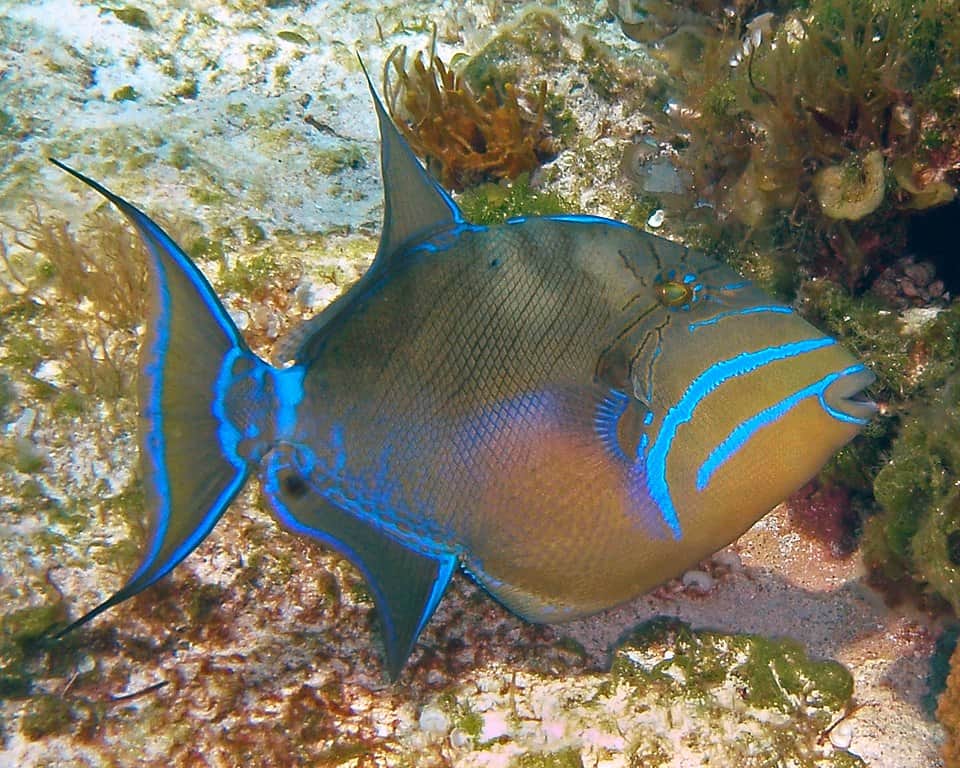
Bony fish (Osteichthyes) represent one of the great success stories of the K-Pg extinction event. While they certainly suffered losses—especially among specialized reef-dwelling species—many lineages survived and subsequently diversified. The ancestors of modern teleosts (the most diverse group of vertebrates on Earth today) made it through this turbulent period. Their success can be attributed to several factors: many species were generalists rather than specialists, allowing them to adapt to changing food sources; they had diverse reproductive strategies; and they occupied various ecological niches throughout the water column. Some species could migrate to more favorable environments, while others had physiological adaptations that helped them cope with changing water chemistry. In the aftermath of the extinction, bony fish experienced an evolutionary radiation, filling ecological niches left vacant by extinct marine species. This post-extinction diversification led to the incredible variety of bony fish we see today, from tiny gobies to massive marlins, comprising over 30,000 species.
Mammals in the Sea: Early Cetacean Ancestors

While modern whales, dolphins, and porpoises (cetaceans) hadn’t yet evolved at the time of the K-Pg extinction, their terrestrial mammalian ancestors were among the survivors. Small, generalist mammals that could shelter, scavenge, and adapt to changing conditions weathered the extinction relatively well compared to larger animals. In the ecological reshuffling that followed the extinction event, mammals began to diversify rapidly, eventually giving rise to the ancestors of today’s marine mammals. The first fully aquatic cetaceans wouldn’t appear until approximately 50 million years ago, during the Eocene epoch, but their survival and subsequent evolution was made possible by the mammalian ancestors that persisted through the K-Pg boundary. This demonstrates how the survivors of mass extinctions can go on to evolve into remarkably different forms as they adapt to fill newly available ecological niches—a process that transformed land-dwelling mammals into the majestic whales and dolphins that rule the oceans today.
Lamprey and Hagfish: Ancient Jawless Fish

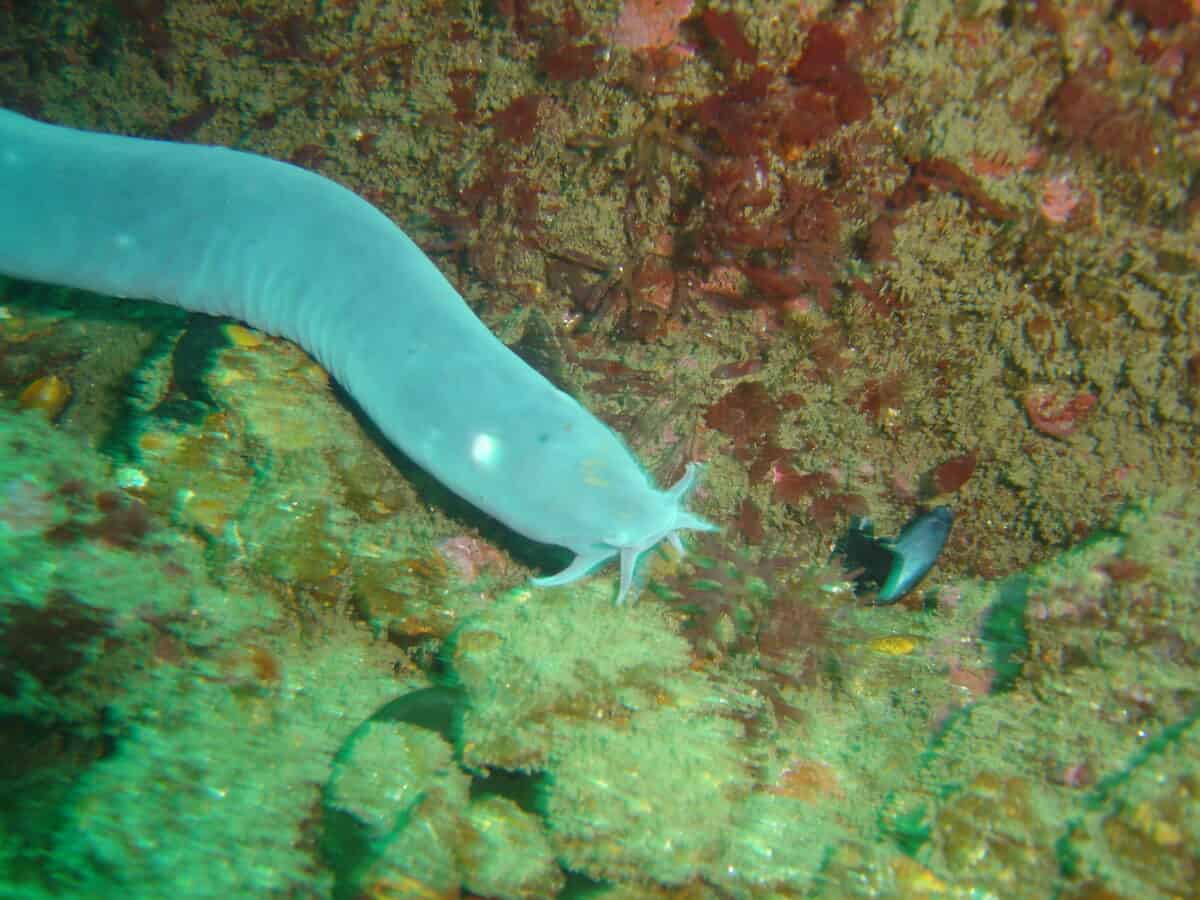
Among the oldest vertebrate lineages to survive the K-Pg extinction were the cyclostomes—lampreys and hagfish. These jawless fish had already been swimming Earth’s waters for over 300 million years by the time of the asteroid impact. Their primitive features and adaptable lifestyles likely contributed to their survival. Hagfish, in particular, are scavengers that feed on dead and dying organisms on the seafloor—a feeding strategy that may have been advantageous during a time of massive marine die-offs. Their ability to survive in low-oxygen environments and tolerate high levels of organic matter would have been beneficial in the aftermath of the extinction event. Lampreys, many of which are parasitic on other fish, could have survived by exploiting the remaining fish populations. Additionally, both groups tend to inhabit deeper waters or burrow into sediments, potentially shielding them from the immediate effects of the impact. These ancient lineages represent some of the most primordial vertebrate body plans still swimming in our oceans today.
Rays and Skates: Flattened Survivors

Rays and skates, close relatives of sharks, also managed to persist through the K-Pg extinction event. These flattened cartilaginous fish had evolved from shark-like ancestors during the Jurassic period. Their unique body plan, with pectoral fins fused to their heads creating a disc-like shape, proved advantageous during the extinction. As primarily bottom-dwelling creatures, rays and skates could feed on invertebrates in the sediment, a food source that may have remained more stable than those in the water column. Their ability to bury themselves in sediment might have provided protection from rapidly changing water conditions and could have helped them avoid predation during the ecological upheaval. Following the extinction, rays and skates diversified considerably, eventually giving rise to the approximately 630 species we know today, including manta rays, stingrays, electric rays, and sawfish. Their successful adaptation to the post-extinction ocean demonstrates how specialized body plans can sometimes be advantageous during times of environmental crisis.
Surviving Invertebrates: Resilient Simpler Organisms

While many marine invertebrates suffered devastating losses during the K-Pg extinction, several groups displayed remarkable resilience. Bivalves (such as clams, oysters, and scallops) experienced significant extinctions, but many lineages survived, particularly those with more generalist feeding strategies and broader environmental tolerances. Some gastropods (snails and their relatives) persisted, especially those that could seal their shells with an operculum, potentially protecting them from short-term changes in water chemistry. Crustaceans like crabs and lobsters also survived, though they experienced substantial turnover at the species level. Among the most resilient invertebrates were certain echinoderms (starfish, sea urchins, and sea cucumbers), particularly deep-water species. Many of these invertebrates possessed traits that favored survival: they could enter dormant states during adverse conditions, had flexible diets, or could reproduce rapidly when conditions improved. Their survival was crucial for the recovery of marine ecosystems, as they provided food sources for larger predators and helped maintain ecological functions like filter feeding and bioturbation (the reworking of sediments).
Horseshoe Crabs: Living Through Multiple Extinctions
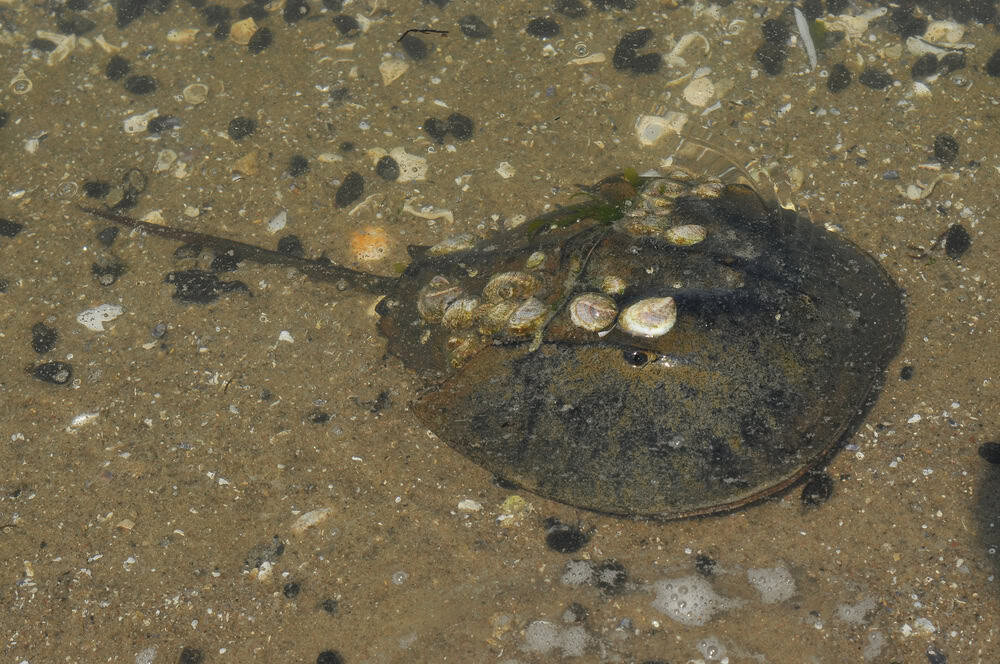
Horseshoe crabs represent one of the most remarkable survival stories in the history of life on Earth. These ancient arthropods have existed for more than 450 million years, surviving all five major mass extinction events, including the K-Pg. Despite their name, horseshoe crabs are more closely related to spiders and scorpions than to true crabs. Their survival through multiple extinction events has earned them the title of “living fossils,” as their basic body plan has remained largely unchanged for hundreds of millions of years. Several factors likely contributed to their persistence: they have a generalist diet, feeding on worms, mollusks, and other small invertebrates; they can tolerate a wide range of environmental conditions, including variations in salinity and temperature; and they have a robust immune system (their blue, copper-based blood is used in medical testing for bacterial contamination). Additionally, horseshoe crabs can burrow into sediment for protection and have a relatively long lifespan of up to 20 years. The four species of horseshoe crabs alive today are living testimonies to the resilience of life in the face of catastrophic environmental change.
The Recovery Period: How Survivors Shaped Modern Oceans
The aftermath of the K-Pg extinction event represented a pivotal moment in the evolution of marine ecosystems. In the immediate aftermath, the oceans were significantly depleted, with primary productivity dramatically reduced and food webs simplified. However, this ecological vacuum created evolutionary opportunities for the survivors. During the recovery period, which lasted several million years, surviving lineages underwent adaptive radiations, diversifying to fill niches left vacant by extinct species. The first few hundred thousand years saw the dominance of disaster taxa—opportunistic species that thrive in disturbed environments. Gradually, more complex ecological relationships re-established themselves. The survival of certain key groups like sharks, bony fish, and marine invertebrates ensured the continuity of crucial ecological functions like predation, herbivory, and filter feeding. The post-extinction oceans saw the rise of modern marine mammals, the diversification of bony fish, and the establishment of new reef systems dominated by hard corals rather than the rudist bivalves that had been prevalent before the extinction. The survivors of the K-Pg extinction essentially reset the evolutionary trajectory of marine life, determining which lineages would dominate the oceans for the next 66 million years—right up to the present day.
Conclusion: Lessons from Ancient Survivors

The marine creatures that survived the K-Pg extinction event offer valuable insights into the resilience of life and the factors that determine which species persist through catastrophic changes. Generally, the survivors possessed traits like dietary flexibility, metabolic efficiency, habitat versatility, and wide geographic distributions—characteristics that allowed them to adapt to rapidly changing conditions. As we face the current biodiversity crisis, often called the sixth mass extinction, these ancient survivors remind us of life’s remarkable tenacity while also highlighting the vulnerability of specialized species to environmental change. The oceans today, with their rich biodiversity, exist as they do because of the particular assortment of species that weathered the last great extinction. Perhaps most humbling is the realization that every marine creature alive today—from the great whales to microscopic plankton—descends from organisms that somehow managed to endure when so many others perished, making all modern marine life the inheritors of an extraordinary evolutionary legacy of survival and adaptation.

- This Tiny Insect Can Survive in Outer Space—Here’s How - July 21, 2026
- Could the Tasmanian Tiger Be Brought Back to Life? - July 21, 2026
- Why You Should Never Approach a Sleeping Hippo - July 21, 2026