

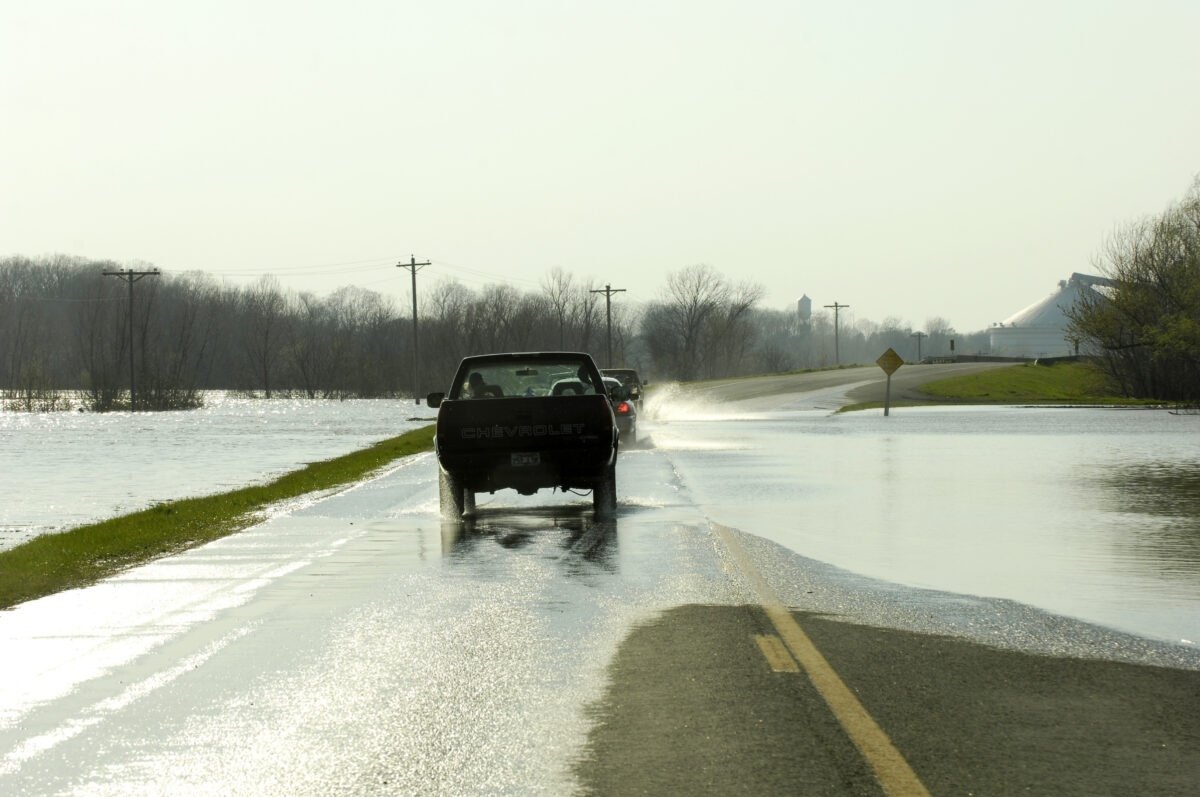
Severe storms barreled through the Midwest on Wednesday night, delivering torrential rains that sparked widespread flash flooding. Milwaukee bore the brunt of the onslaught, with waters surging onto major highways and city streets, forcing emergency closures and rescues. The chaos highlighted the dangers of rapid inundation in urban areas, where overwhelmed storm drains turned roadways into hazards overnight.[1][2]
Interstate 43 Paralyzed by Rising Waters
Milwaukee County Sheriff’s Office officials closed southbound lanes of Interstate 43 at Becher Street due to severe flooding, a critical move to protect motorists. Northbound traffic faced a full shutdown at Holt Avenue shortly after, as waters refused to recede amid ongoing downpours. The highway, a vital north-south lifeline connecting downtown to suburbs along Lake Michigan, saw emergency crews working tirelessly to clear the path.[2][3]
Forecasters had warned of up to two inches of rain falling in mere hours, a volume that quickly saturated the ground and strained infrastructure. Drivers who ignored early alerts found themselves trapped, prompting swift intervention from first responders. By late evening, partial reopenings began near the Mitchell Interchange south of downtown, though officials cautioned against unnecessary travel.[1]
Neighborhood Streets Overwhelmed on North and Northwest Sides
Flash floods transformed intersections across Milwaukee’s north and northwest neighborhoods into impassable traps. Vehicles stalled at key spots like 92nd and Hampton, where rising waters caught drivers off guard. A Milwaukee County Transit System bus and several cars became mired at 32nd Street and Hampton Avenue, with a passerby aiding evacuations until professionals arrived.[4]
Other trouble areas included Teutonia Avenue and Custer Avenue, 76th Street and Mill Road, and 60th Street and Thurston Avenue, where ankle-deep floods lapped at sidewalks. At 27th Street and Capitol Drive, knee-high waters forced U-turns and stranded more cars. Tow trucks labored through the night at 91st Street crossings with Good Hope Road, Silver Spring Drive, and Mill Road, pulling free what they could.[4]
- 92nd Street and Hampton Avenue: Multiple stranded vehicles.
- 32nd Street and Hampton Avenue: Bus and cars trapped; good Samaritan assisted.
- 27th Street and Capitol Drive: Knee-high flooding blocked passage.
- 60th Street and Thurston Avenue: Standing water on sidewalks and roads.
- 91st Street at Good Hope, Silver Spring, and Mill Roads: Hazardous conditions persisted.
Rescues, Power Outages, and Urgent Warnings
Emergency teams conducted multiple water rescues, including near Timmerman Airport at 97th Street and Hampton Avenue, where at least five vehicles submerged and four occupants required aid from a news crew that dialed 911. Thousands lost power as storms toppled lines and saturated equipment across Milwaukee County. A flash flood warning blanketed the area until 11 p.m., extending to neighboring counties like Waukesha and Ozaukee.[5][6]
Authorities emphasized a stark reality: just 12 inches of moving water can sweep away most vehicles. Officials urged residents to avoid flooded roads entirely, reporting issues via city lines if safe. Marquette University police echoed the call, advising campus dwellers to shelter indoors amid nearby inundations at 15th and Kilbourn streets.[4][3]
Midwest Storms Raise Broader Alarms
The Milwaukee deluge formed part of a larger pattern, with severe weather systems delivering heavy rain, large hail, and tornado threats from Texas to the Great Lakes. A prior tornado ravaged Miami County, Kansas, damaging over 100 structures. In Michigan, levee breaches near Cheboygan spurred evacuations as dams strained under swollen rivers.[1]
National Weather Service alerts covered southeast Wisconsin through Thursday, with river flood warnings lingering into the weekend for several counties. Damaging winds accompanied the rains, compounding woes from Tuesday’s earlier storms that already flooded streets. Forecasters predicted a brief lull before renewed threats targeted the Northeast.[3]
Key Takeaways
- I-43 southbound at Becher and northbound at Holt closed fully due to flash floods.
- Dozens of vehicles stranded on northside streets; rescues conducted overnight.
- Avoid driving through floodwaters – 12 inches suffice to carry away cars.
As waters recede and roads reopen, Milwaukee’s ordeal serves as a potent reminder of nature’s swift power in a changing climate. Officials continue monitoring for secondary flooding from saturated soils. What experiences did you encounter during these storms? Share in the comments below.

- Urban Coyotes Show Remarkable Adaptability, Learning to Thrive in City Environments - July 22, 2026
- Beavers Are Nature’s Engineers, Creating Vital Habitats for Other Wildlife Species - July 21, 2026
- The Recovery of the California Condor Offers Hope for Other Critically Endangered Birds - July 21, 2026