

Picture this: you’re standing on a frozen Arctic landscape, the silence is deafening, and suddenly you spot a massive white shape moving toward you. Your heart races. Every survival instinct screams at you to do something, anything. The question that could determine whether you live or die is simple yet absolutely critical: should you drop to the ground and play dead, or should you fight back with everything you’ve got?
Here’s the thing – most of us have heard the old advice about playing dead when a bear approaches. It’s become almost folklore at this point. Yet with polar bears, that strategy could be the worst decision you ever make. These Arctic giants don’t follow the same rules as their brown or black bear cousins, and misunderstanding that difference might cost you your life.
Why Playing Dead Is a Fatal Mistake with Polar Bears
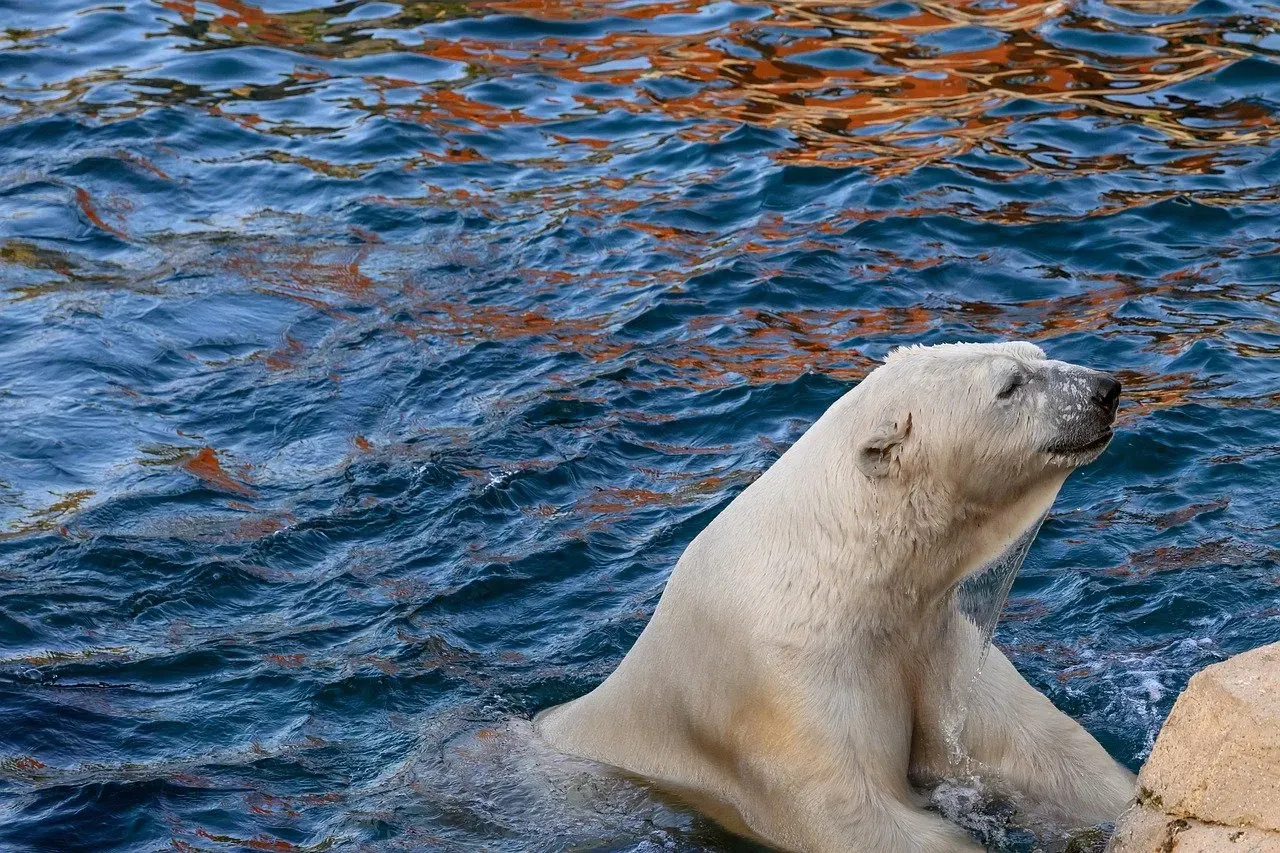
If a polar bear attacks and makes physical contact, do not play dead. This isn’t just casual advice – it’s an official guideline from wildlife experts who’ve studied these encounters for decades. Think about the environment polar bears evolved in. Polar bears come from a land where food is sparse.
To them, anything that looks like a meal is worth investigating, and a motionless human on the ground doesn’t signal “I’m not a threat.” Instead, it signals “easy dinner.” Unlike grizzly or black bear encounters where playing dead can sometimes deter an attack, this strategy is ineffective with polar bears, which are more likely to see humans as prey. The brutal reality is that polar bears are apex predators in one of the harshest environments on Earth.
Playing dead will only put you at greater risk for an attack by a polar bear. I know it sounds terrifying, but understanding this could save your life. These bears don’t attack primarily out of fear or territorial defense like grizzlies do. The majority of attacks were by hungry males, typically subadults, while female attacks were usually in defence of the young. When a polar bear approaches you, it’s often sizing you up as potential food.
Playing dead removes any doubt from the bear’s mind. You’ve essentially confirmed yourself as prey.
The Reality of Polar Bear Behavior and Attacks
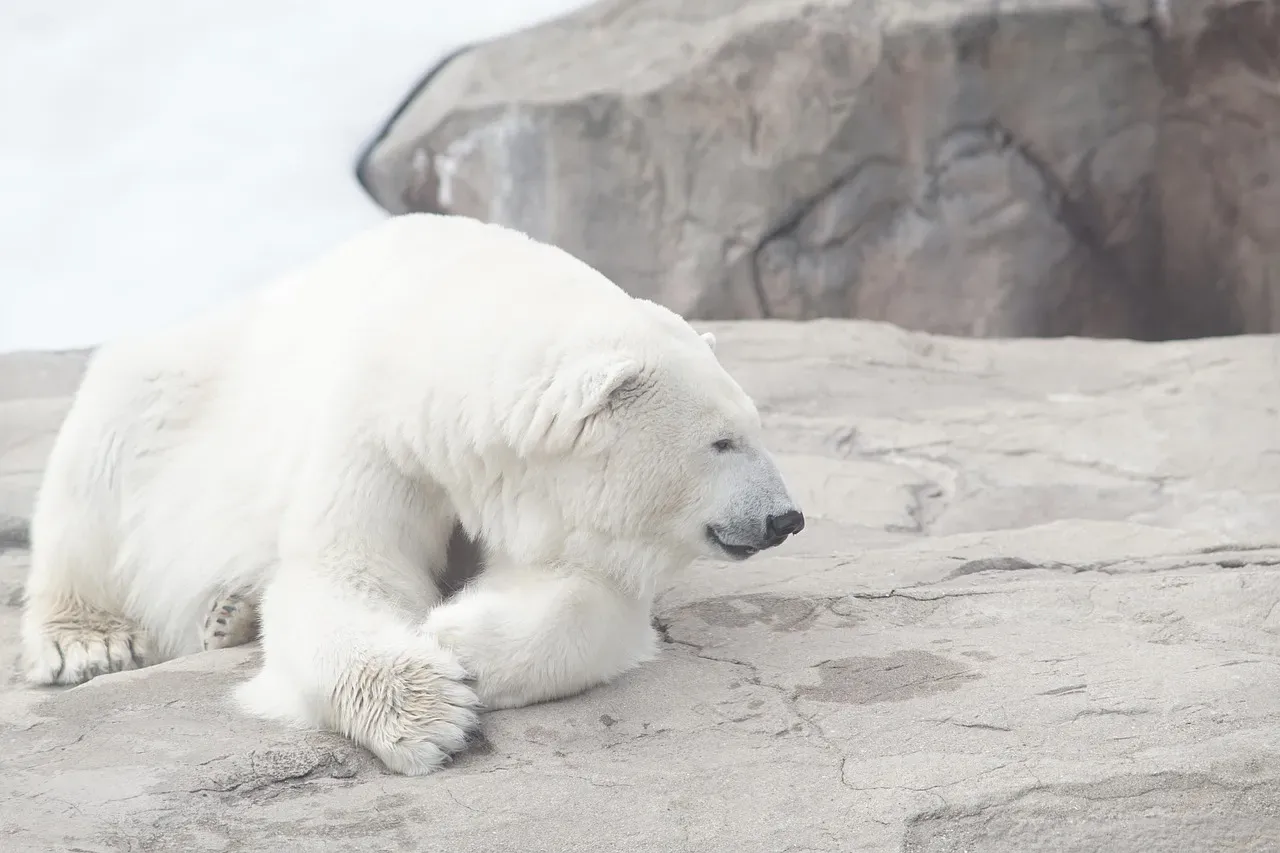
Let’s be real – polar bears are fundamentally different from other bear species. While black bears and other wildlife like mountain lions are more likely to give humans a wide berth than try to eat them, polar bears do actually see humans as a potential source of food. This doesn’t mean they’re prowling the Arctic specifically hunting people, but when hunger strikes and opportunity presents itself, humans can absolutely end up on the menu.
Hungry (skinny) bears can be particularly dangerous. Climate change has made this problem worse. Shrinking sea ice makes it harder for them to hunt seals, their primary food source, potentially driving them to seek alternative sources of nutrition.
Polar bear attacks have been increasing in recent years, though not necessarily because the bears themselves have become more vicious. Attacks averaged between just seven and 12 per decade from the 1960s until the period between 2010 and 2014, when attacks shot up to fifteen in just four years. The reason? More starving bears spending more time on land, combined with more humans venturing into Arctic territories.
Though popularly thought of as the most dangerous bear, the polar bear is no more aggressive to humans than other species. Still, their predatory nature when hungry makes them uniquely dangerous.
How to Defend Yourself During a Polar Bear Encounter
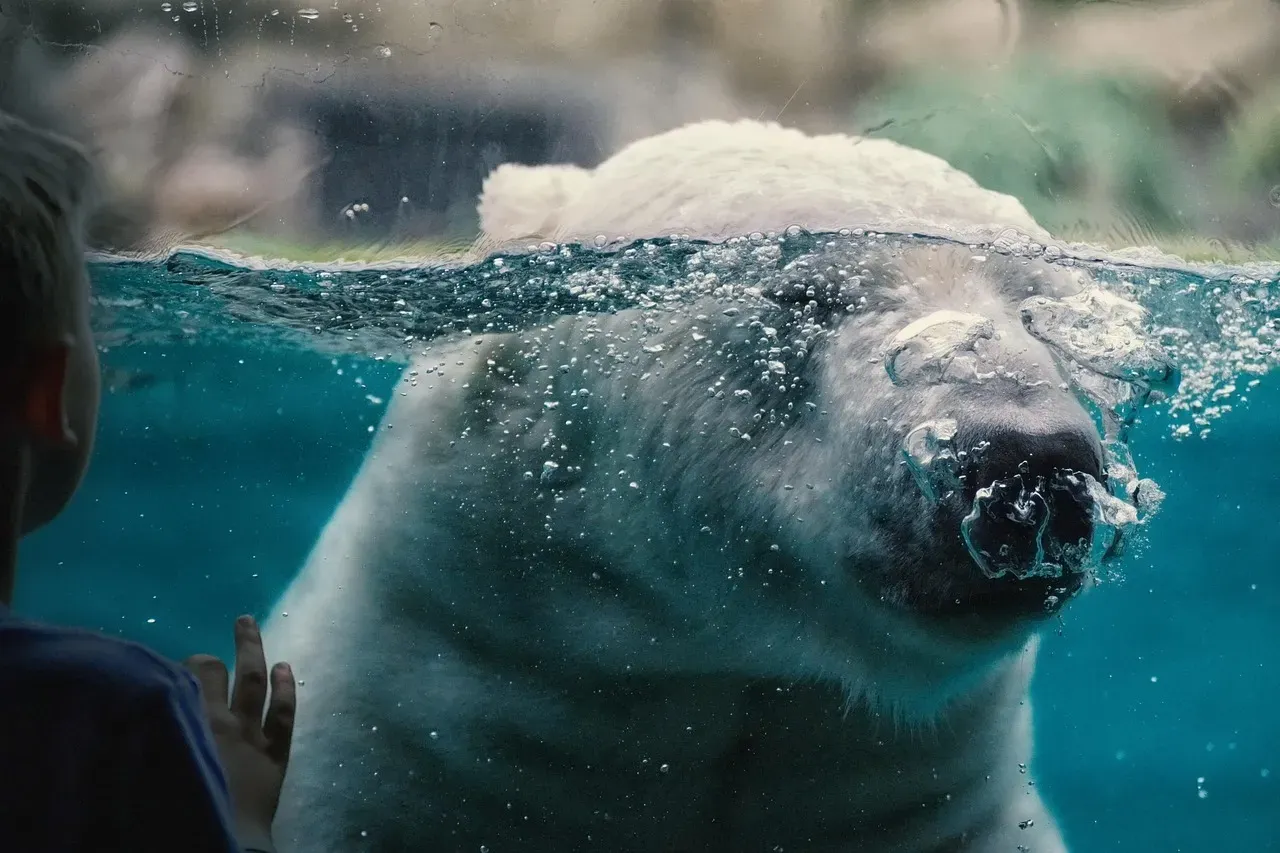
So what should you actually do if a polar bear approaches? Stand your ground; do not run. Running triggers their chase instinct and confirms that you’re prey. If you run, you’re confirming yourself as prey. Holding steady, maintaining eye contact, and trying to appear larger could make the bear second-guess its attack.
Make yourself look as large as possible by raising your arms and standing tall. Shout and yell loudly to try to intimidate the bear. This might sound counterintuitive when you’re facing down an animal that can weigh up to fifteen hundred pounds, but projecting confidence can make the difference. Group together with any companions if possible. Polar bears are less likely to attack larger groups.
Bear spray has been shown to be effective in deterring polar bears. If you have it, use it when the bear gets close enough – typically within thirty feet or so. Bear spray delivers a potent chemical that inflames the bear’s eyes, nose, and mouth, often causing it to retreat. But timing is key – spray only when the bear is close enough for it to be effective.
If the bear actually makes contact and begins attacking, here’s where the guidance becomes stark and uncompromising: Fight back using any deterrents available, aiming fists or objects at the bear’s nose and face. If the bear makes contact, fight back with everything you have, targeting sensitive areas such as the eyes, nose, and throat. Use any available objects as weapons to defend yourself. Continue to fight back aggressively until the bear stops its attack.
Prevention Is Your Best Survival Strategy

Honestly, the best way to survive a polar bear attack is to avoid one altogether. The most effective way to survive a polar bear attack? Don’t put yourself in a position to need to survive one. Avoid their natural habitats unless absolutely necessary, and if you must travel there, make sure you’re fully prepared.
If you’re traveling in polar bear country, preparation isn’t optional – it’s essential. Bear spray and/or a firearm are key items you need in your kit. Bear Spray is 98% effective, so using this is your best bet. Many Arctic communities and research expeditions won’t even allow people into certain areas without proper deterrents.
Travel in groups, make noise, and be vigilant – especially on barrier islands, in river drainages, along bluff habitat or ice leads/polynyas, near whale or other marine mammal carcasses, or in the vicinity of fresh tracks. Store food properly in bear-resistant containers. Never leave attractants around your camp. Don’t attract a bear to your camp intentionally or unintentionally with food. They are extremely intelligent and will stick around.
Understanding Bear Behavior Can Save Your Life
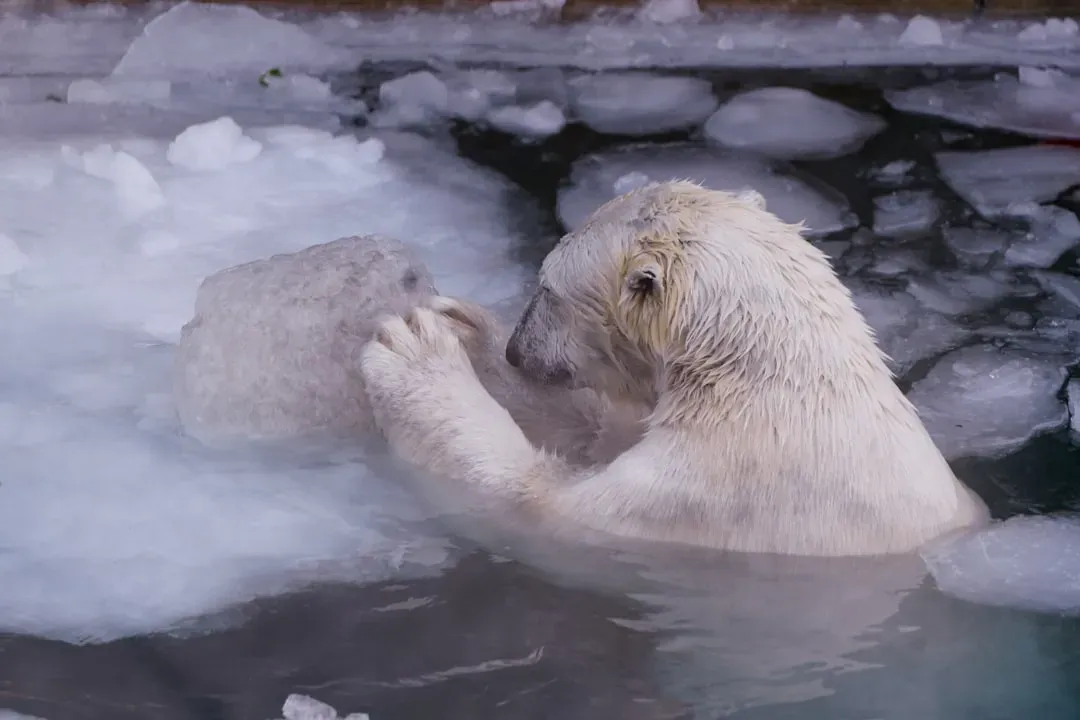
Recognizing polar bear behavior patterns can give you precious seconds to react appropriately. Curious polar bears typically move slowly, stopping frequently to sniff the air, moving their heads around to catch a scent, or holding their heads high with ears forward. A curious bear isn’t necessarily planning to attack – yet.
A threatened or agitated polar bear may huff, snap its jaws together, stare at you (or the object of threat) and lower its head to below shoulder level, pressing its ears back and swaying from side to side. This is defensive behavior, which is somewhat better news than the alternative.
The most dangerous behavior? A predatory bear may sneak up on an object it considers prey. It may also approach in a straight line at constant speed without exhibiting curious or threatened behavior. This silent, focused approach means the bear has already made its decision. You’re food. This is when your response must be immediate and aggressive – use bear spray, make yourself large, create noise, and prepare to fight if necessary.
Conclusion
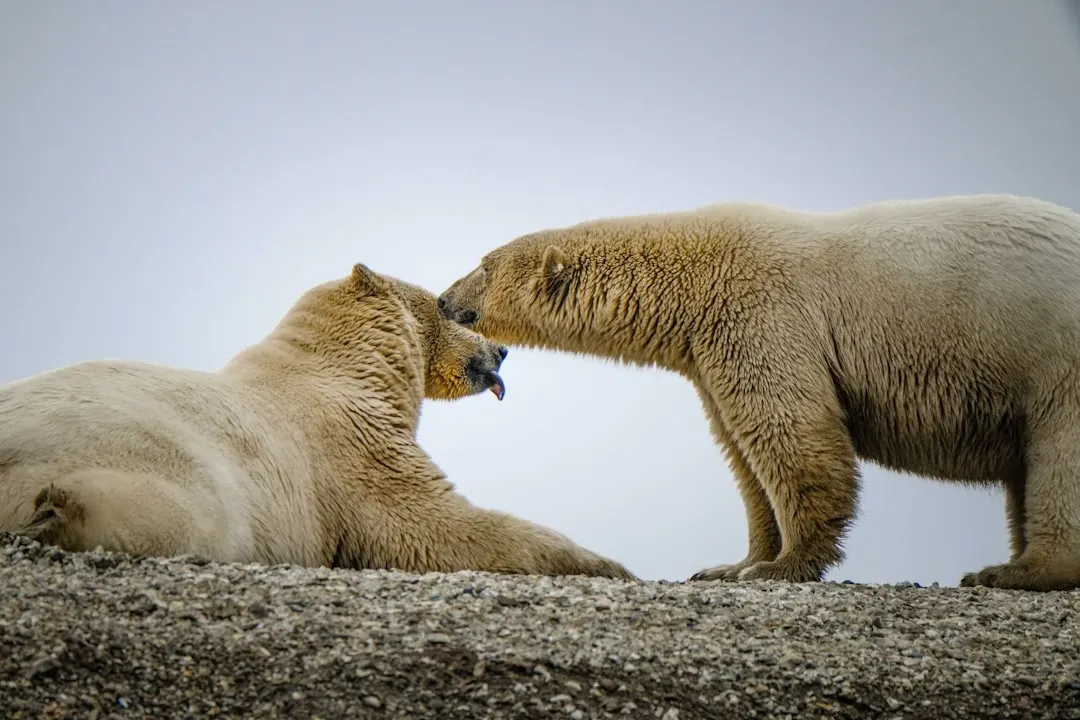
The Arctic is one of the planet’s most magnificent yet unforgiving environments, and polar bears are its undisputed rulers. Knowing how to respond during an encounter isn’t about being paranoid – it’s about respecting the reality of nature and giving yourself the best possible chance to survive. Remember, when it comes to polar bears, playing dead is never the answer. You must defend yourself actively and aggressively. Preparation, awareness, and the right equipment can mean the difference between a terrifying story to tell and becoming a tragic statistic.
What surprises you most about polar bear encounters? Did you expect the survival strategies to be this different from other bears?

- The Secret Lives of Nocturnal Animals: What Happens After Dark - August 10, 2026
- 12 Incredible Facts About Monarch Butterflies and Their Migration - August 10, 2026
- Why the World is Obsessed with This Iridescent Spider: The Psychedelic Earth Tiger - August 10, 2026