

Zoos have been part of human culture for centuries, offering people glimpses into the animal kingdom that they might not otherwise experience. Among their most impressive and beloved residents are elephants. However, the question of whether zoos should continue to keep these majestic creatures has become a contentious issue. While zoos argue they play a role in conservation and education, many animal rights groups strongly oppose housing elephants in captivity, citing ethical and welfare concerns. This article delves into the various sides of the debate, providing insights into why some believe elephants should no longer be kept in zoos.
The Role of Zoos: Education and Conservation?

Zoos have long championed themselves as bastions of education and conservation. They argue that by keeping elephants, they can educate the public about these magnificent animals and raise awareness about conservation issues. Some zoos actively participate in breeding programs aimed at increasing the population of endangered species and conduct research that contributes to our understanding of elephant health and behavior.
The Ethical Dilemma of Captivity

Despite the asserted benefits, animal rights groups emphasize the ethical issues related to keeping elephants in captivity. Elephants are highly intelligent and social animals that thrive in complex family structures in the wild. In captivity, they often lack the space and social connections they need, which can lead to behavioral issues and psychological stress.
Elephants’ Natural Habitats vs. Zoo Environments
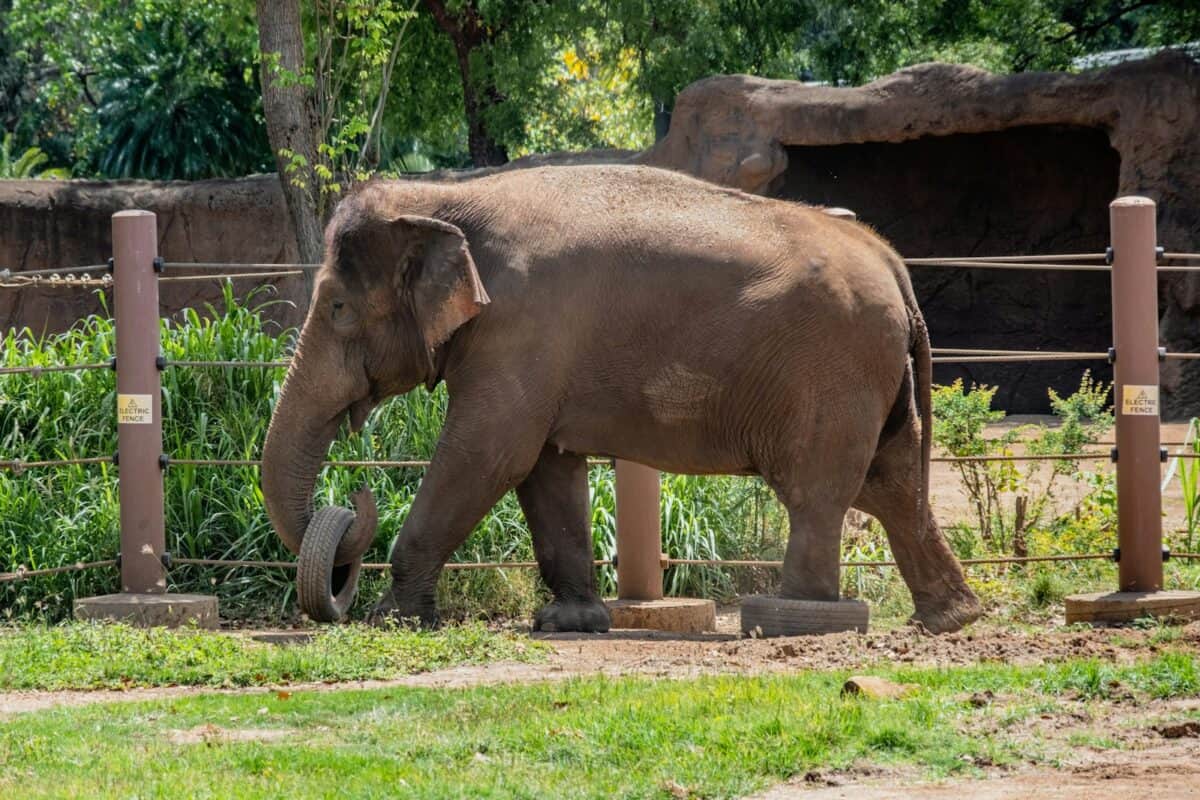
In the wild, elephants roam vast landscapes, covering up to 30 miles a day, foraging for food, and interacting with other herds. Zoos, even those with the largest enclosures, cannot replicate these natural conditions. The limited space can impede their physical and mental well-being, leading to obesity, stereotypical behavior like swaying, and shortened lifespans.
Social Needs and Behavioral Health

Elephants are deeply social animals that live in matriarchal herds. In the wild, they form strong familial bonds and have distinct social structures. In zoos, these social needs are often unmet. The absence of a large family group and limited interaction can lead to loneliness, depression, and aggression.
Health Issues in Captivity

Several health issues plague elephants kept in zoos. Common problems include arthritis and foot infections due to the unnatural surfaces they walk on. The limited physical activity and artificial diets can also contribute to nutritional disorders and obesity, complicating these ailments further.
Longevity and Mortality
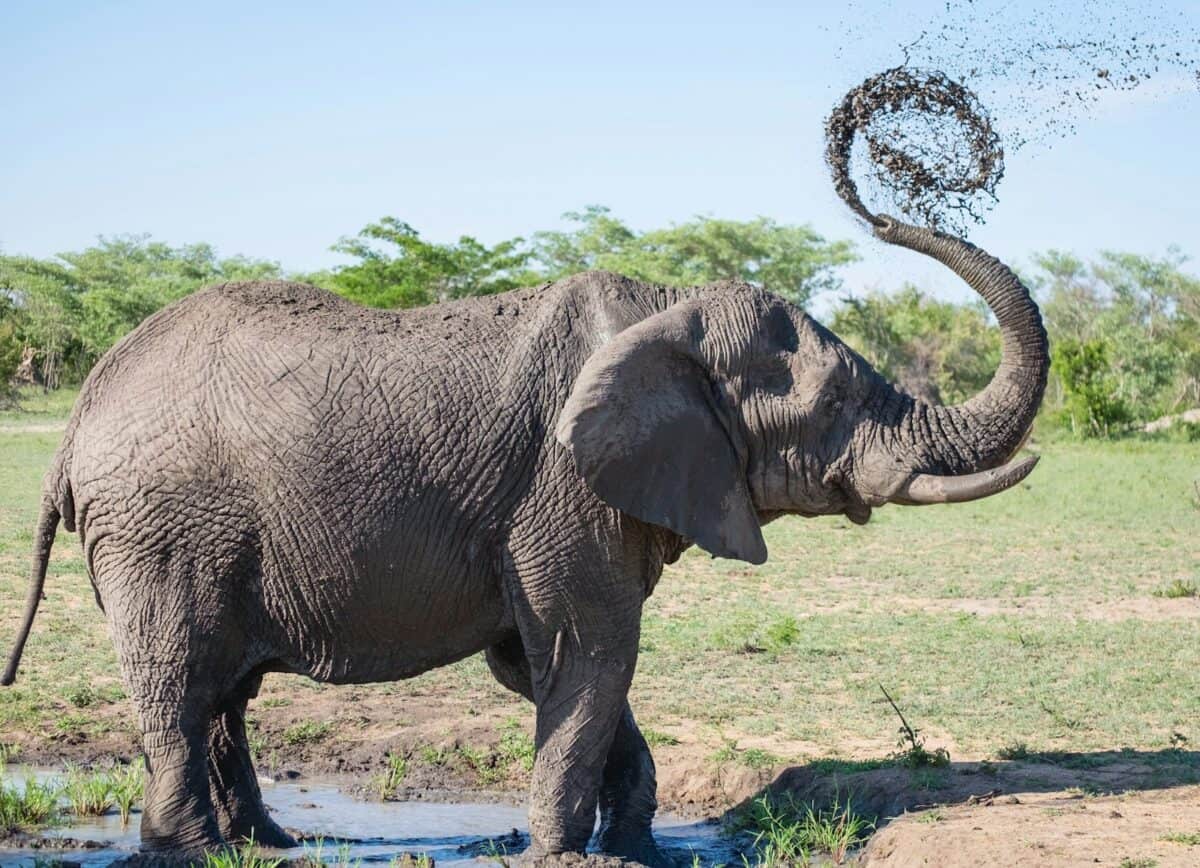
Studies have shown that elephants in the wild typically live longer than those in captivity. Factors such as stress, disease, and injury, as well as constrained movement, contribute to a shorter life expectancy for zoo-kept elephants.
Are Breeding Programs Beneficial?

Breeding programs are often cited as a key argument for keeping elephants in zoos. However, critics argue these programs have limited success and mostly serve to increase the population of captive, not wild, elephants. Additionally, the complications associated with elephant pregnancies and calf-rearing in zoos are significant.
Elephants’ Cognitive Abilities and Emotional Depth

Elephants are highly intelligent, capable of complex problem-solving, and exhibit a range of emotions. They have been observed grieving for lost members of the herd, showcasing a depth of emotional intelligence that is often stifled in the constrained environments of zoos.
Public Perception and Awareness

Public opinion is gradually shifting towards empathy for elephants’ plight in captivity. Documentaries, campaigns by animal rights organizations, and increased media coverage are raising awareness, leading more people to question the ethics of keeping elephants in zoos.
The Shift Towards Sanctuaries
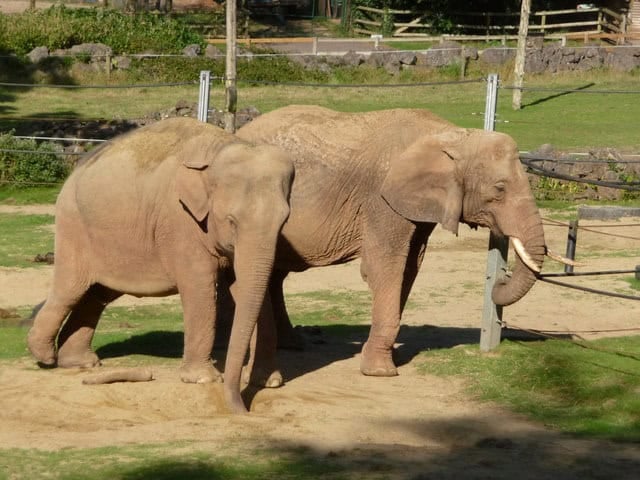
As opinions change, some zoos are reevaluating their roles and considering alternatives like sanctuaries, which offer more space and a more natural environment for elephants. These settings prioritize animal welfare, allowing elephants to express natural behaviors and form social groups.
Legal and Policy Changes
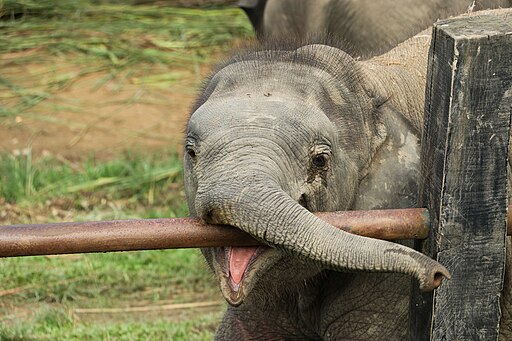
Some regions are responding to the protests of animal rights activists by enacting laws that ban or restrict the captivity of elephants. These legal actions reflect a growing recognition of the ethical issues involved in keeping such intelligent creatures in zoos.
Conclusion: Looking Towards a Compassionate Future
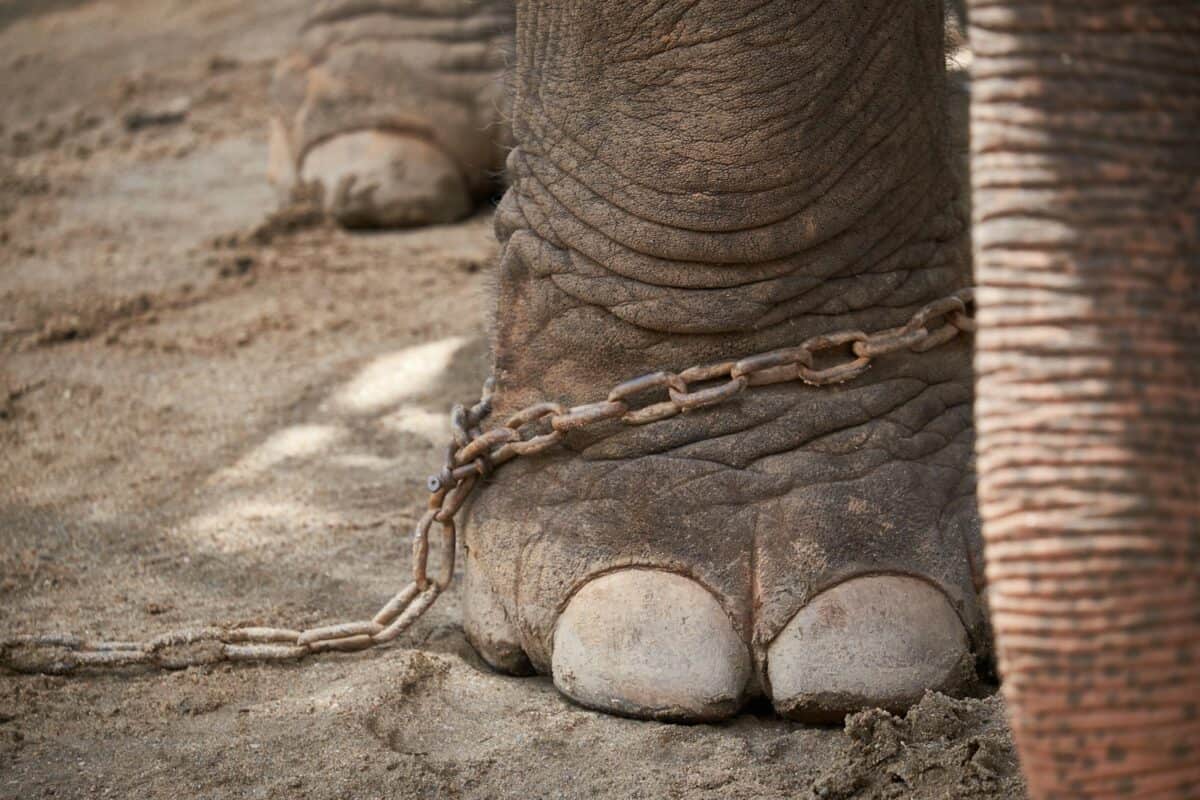
The debate over whether zoos should continue to keep elephants highlights broader questions about humanity’s relationship with the natural world and our responsibility towards the creatures who share our planet. As our understanding of animal welfare and intelligence grows, so too does the responsibility to ensure that ethical considerations are paramount in our interactions with wildlife. By reevaluating the roles of zoos and supporting efforts towards more humane alternatives, society can foster a compassionate future for elephants and other zoological animals.

- The Glasswing Butterfly: Nature’s Invisible Beauty - July 21, 2026
- What Happens If a Whale Dies in the Ocean? - July 21, 2026
- Why You Should Stop Feeding Ducks at the Park - July 21, 2026